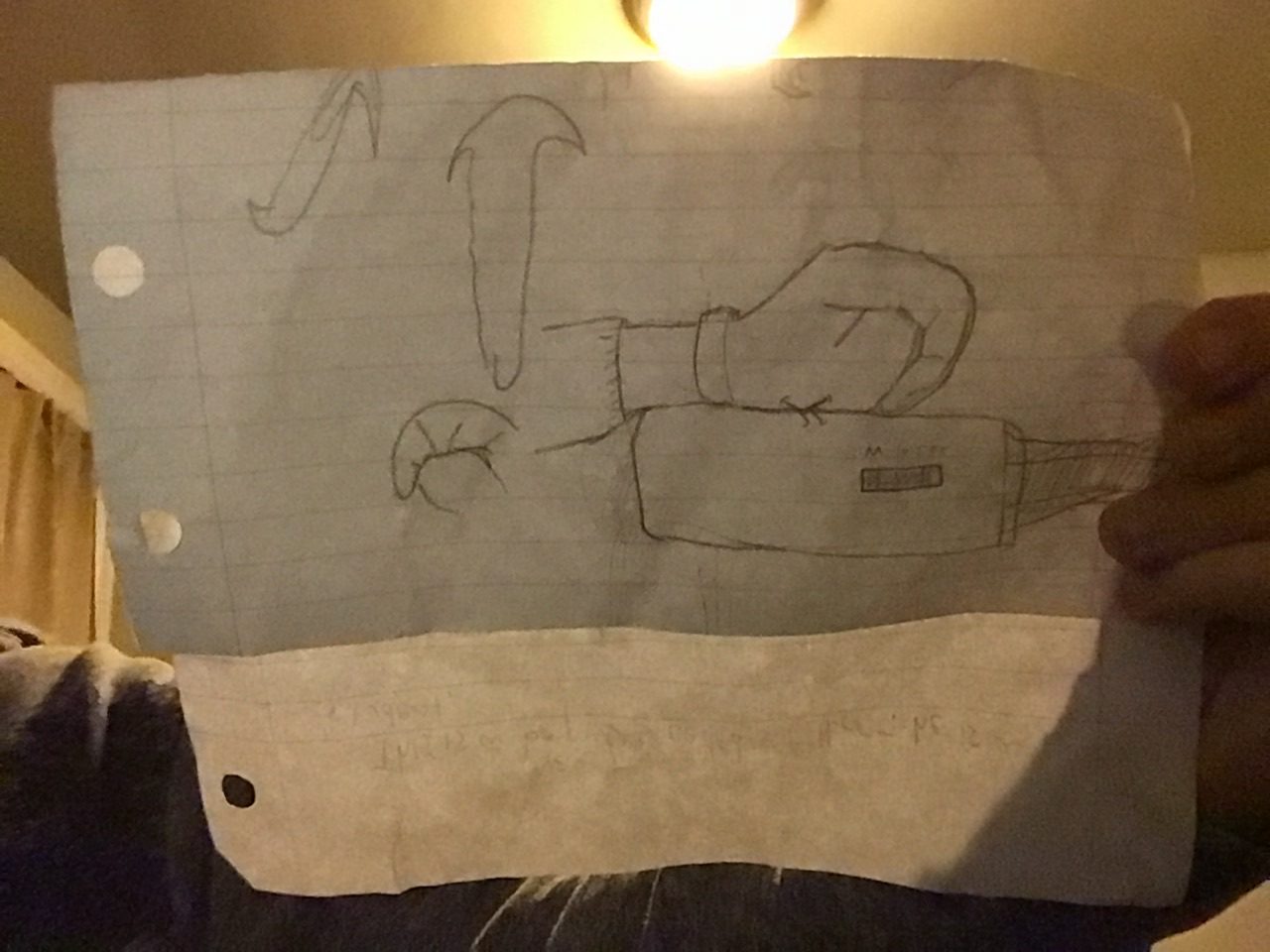
There are art challenges that require fancy markers, dramatic lighting, imported paper, and the emotional stamina of a Renaissance apprentice. Then there is this one: look at your hand, set a timer for two minutes, and draw what you see. That is it. No golden frame. No beret required. Just your hand, your eyes, a pencil, and the brave decision to draw five fingers without accidentally inventing a potato with fingernails.
The prompt “Hey Pandas, Make A Two Minute Sketch Of Your Hand!” sounds playful, but it is also a surprisingly powerful drawing exercise. A quick hand sketch trains observation, improves hand-eye coordination, builds confidence, and helps artists loosen up. Whether you are a beginner, a hobby sketcher, a student, or someone who has not drawn since a school notebook margin in 2016, a two minute hand drawing can wake up your creative brain fast.
Hands are famously difficult to draw because they move, bend, overlap, and change shape depending on the angle. But that is exactly why they are excellent practice. Your hand is always available as a free model. It does not charge an hourly rate, cancel last minute, or ask for better lighting. It just sits there, slightly judgmental, waiting to become art.
Why a Two Minute Sketch Works So Well
A two minute sketch is not about creating a perfect drawing. In fact, perfection is politely asked to wait outside. The purpose is to observe quickly, simplify shapes, and capture the most important visual information before the timer yells at you like a tiny art coach.
Timed sketching helps you avoid overthinking. When you only have 120 seconds, you cannot obsess over every wrinkle, knuckle, shadow, or nail curve. You have to choose what matters: the overall shape of the palm, the direction of the fingers, the angle of the thumb, and the main lines that make the hand recognizable.
It Trains Your Eyes Before Your Pencil
Many beginners draw what they think a hand looks like instead of what is actually in front of them. That is why cartoon hands sometimes appear when you were aiming for realism. Observational drawing changes that habit. You look, compare, measure, and adjust. The more you practice, the more your brain learns that the thumb is not just “a finger on the side,” but a complex little architectural feature with its own agenda.
It Makes Drawing Less Intimidating
A blank page can feel dramatic. A two minute sketch makes it smaller. You are not committing to a masterpiece. You are simply making a study. If it looks strange, congratulations: you have created useful evidence. Every awkward sketch teaches you something about proportion, angle, pressure, and patience.
How to Start Your Two Minute Hand Sketch
You do not need professional supplies. A pencil, pen, or even a cheap ballpoint will work. Use plain paper, a sketchbook, a sticky note, or the back of an old receipt if inspiration attacks while you are waiting for coffee.
Step 1: Choose a Simple Hand Pose
Start with your non-drawing hand resting on the table. Spread your fingers naturally or curl them slightly. Avoid complicated poses at first, such as a dramatic fist, crossed fingers, or a thumbs-up that suddenly looks like a confused bird. Simple poses help you focus on proportion.
Step 2: Set a Timer for Two Minutes
The timer is important because it keeps the exercise honest. Without it, a “quick sketch” can become a forty-minute negotiation with your eraser. Two minutes forces you to keep moving and trust your first marks.
Step 3: Block in the Big Shapes
Begin with the palm. Think of it as a soft box, mitten shape, or tilted rectangle. Then add the fingers as long tapered forms. Do not start with fingernails. Fingernails are dessert. You need the meal first.
Step 4: Add Key Lines, Not Every Line
Look for the main creases of the palm, the knuckle bends, and the outer contour. If you try to include every wrinkle, the sketch may look like a tiny road map. Choose the lines that explain the pose.
Step 5: Stop When the Timer Ends
This is the hardest part. When the timer stops, stop drawing. Do not “just fix one finger.” That one finger will invite three cousins and a shadow problem. The lesson is in finishing quickly, observing the result, and trying again.
What to Notice While Drawing Your Hand
The best hand sketch starts with seeing. Before you draw, spend a few seconds studying the pose. Notice which finger is longest from your viewpoint, which finger overlaps another, where the thumb connects, and how the wrist supports the whole shape.
Proportion
Hands are full of proportion traps. The fingers are not all the same length. The palm is often bigger than beginners expect. The thumb starts lower on the hand than many people draw it. If your first sketch looks odd, compare the size of the palm to the fingers. That one adjustment can rescue the whole drawing from becoming a glove that lost its job.
Angles
Each finger has a direction. Instead of drawing fingers as straight sausages, notice their angles. Some lean inward. Some bend slightly. The thumb often moves at a strong diagonal. Capturing these angles makes even a fast sketch feel alive.
Negative Space
Negative space is the empty shape around and between objects. In a hand drawing, that means the gaps between fingers. Instead of drawing only the fingers, look at the spaces between them. Those little triangles and curves can help you place the fingers more accurately.
Light and Shadow
In two minutes, shading should be simple. Add one or two shadow areas where the fingers overlap or where the palm turns away from the light. Do not shade everything like you are frosting a cake. A few confident shadows are better than a gray fog.
Common Mistakes in Quick Hand Sketches
Every artist makes weird hand drawings. Professional artists have sketchbooks full of them. The difference is that experienced artists know mistakes are not proof of failure; they are instructions wearing ugly shoes.
Mistake 1: Drawing Fingers Too Stiff
Real fingers are flexible. They curve and taper. If your fingers look like wooden sticks, soften the lines and pay attention to the joints. A slight bend can make a big difference.
Mistake 2: Starting with Details
Details are tempting. Fingernails, rings, wrinkles, and tiny skin folds can pull your attention away from structure. In a two minute sketch, draw the major shapes first. Add details only if there is time.
Mistake 3: Making the Thumb Too Small
The thumb is a major part of the hand’s expression. It helps show grip, direction, and gesture. If the thumb is too small or attached too high, the hand may look unnatural. Study where the thumb begins and how it angles away from the palm.
Mistake 4: Erasing Too Much
Quick sketching is not a courtroom trial. Your first line does not need to be perfect. Instead of erasing constantly, draw lightly and correct with a new line. Multiple searching lines can make a sketch feel energetic and honest.
Fun Variations for the “Hey Pandas” Hand Sketch Challenge
Once you have tried the basic version, change the rules. Small variations keep the exercise fresh and help you build different skills.
The Continuous Line Hand
Draw your hand without lifting the pencil from the paper. The result may look delightfully wobbly, like your hand was drawn during a mild earthquake, but it improves focus and flow.
The Blind Contour Hand
Look only at your hand, not at the paper. Move your pencil slowly while your eyes follow the edges and lines of the hand. The final sketch may look ridiculous. That is part of the charm. Blind contour drawing teaches patience and close observation.
The Non-Dominant Hand Sketch
Draw with your non-dominant hand. This is humbling, funny, and oddly freeing. Because you already expect imperfection, you stop trying to control every mark. Sometimes the result has more personality than your careful drawings.
The Five-Pose Challenge
Make five two minute sketches in a row, changing the hand pose each time. Try an open palm, a fist, a pointing finger, a relaxed hand, and a hand holding a pencil. In ten minutes, you will have a mini study sheet and probably a new respect for thumbs.
Why Hands Are Such Good Subjects
Hands are expressive. They wave, point, hold, protect, explain, build, and occasionally panic-type an email at 11:58 p.m. They can show emotion without a face. A relaxed hand feels different from a tense hand. A curled hand suggests action. An open palm can feel welcoming, dramatic, or suspiciously ready to receive snacks.
Because hands communicate so much, learning to sketch them improves more than anatomy. It improves storytelling. If you draw comics, portraits, character designs, fashion sketches, storyboards, or expressive illustrations, hand practice gives your figures more life.
How Beginners Can Improve Fast
The fastest way to improve is repetition with attention. Do not draw one hand and decide your artistic destiny. Draw many hands. Compare them. Notice what improves. Keep the bad sketches too. They are hilarious now, but later they become proof that you grew.
Use Light Construction Lines
Start with simple shapes: a block for the palm, cylinders for fingers, wedges for the thumb. Construction lines help you understand the hand as a three-dimensional form instead of a flat outline.
Practice from Real Life
Photos can help, but your own hand is better for quick practice because you can rotate it, change the pose, and observe depth. Real-life drawing teaches you to compare angles and distances in the moment.
Review After Each Sketch
After the timer ends, ask three questions: What worked? What looks off? What will I try differently next time? This tiny review turns casual doodling into skill-building.
The Mindful Side of a Two Minute Sketch
A quick hand sketch can also be a mini reset. For two minutes, you stop scrolling, stop multitasking, and simply look. Your attention narrows to lines, shapes, shadows, and movement. That small act of focus can feel surprisingly calm.
You do not have to call it meditation if that sounds too fancy. You can call it “pencil time,” “brain stretching,” or “I am ignoring my notifications with artistic purpose.” The point is that drawing asks you to be present. You notice what is actually there instead of rushing past it.
How to Share Your Hand Sketch Online
If you are joining a community prompt like “Hey Pandas,” keep the mood light. Share the sketch, mention the time limit, and maybe add one sentence about the experience. Did your thumb betray you? Did your pinky look like a noodle? Did the two minute limit help you loosen up? That honesty makes the challenge more fun for everyone.
Online drawing prompts work best when people encourage each other. Instead of judging sketches as good or bad, look for personality, effort, and observation. A messy sketch can still be successful if it captures the pose or shows progress.
Experience Section: What It Feels Like to Make a Two Minute Sketch of Your Hand
The first time you try a two minute hand sketch, the timer feels rude. You look at your hand and think, “Yes, I know this object. I have owned it for years.” Then you start drawing and immediately realize your hand contains more architecture than a small airport. There are planes, joints, folds, curves, shadows, and one thumb that appears to be operating under separate management.
At around twenty seconds, most people are still trying to place the palm. By forty seconds, the fingers enter the page, often with mixed results. One finger may look elegant. Another may look like it made poor life choices. At one minute, panic tries to join the art session. This is where the exercise becomes useful. You learn to simplify. You stop asking, “How do I draw a perfect hand?” and start asking, “What is the clearest shape I can capture right now?”
The best experience comes when you repeat the sketch several times. The first drawing may be stiff. The second one might have better angles. The third may finally capture the thumb correctly, at which point you may feel like a wizard. Not a wealthy wizard, unfortunately, but still a wizard. With each attempt, your eyes become sharper. You notice that the wrist is not centered exactly where you assumed. You see that fingers overlap more than expected. You realize that the space between the index finger and thumb can define the whole pose.
There is also a funny emotional shift. At first, the time limit feels like pressure. Later, it feels like permission. Since the sketch only takes two minutes, it does not have to be precious. You can be bold. You can make ugly lines. You can try again instantly. That freedom is especially helpful for beginners who freeze because they want every drawing to look impressive.
One practical trick is to date your sketches or number them. After a week of daily two minute hand drawings, flip back through the pages. The improvement may surprise you. The lines become more confident. The proportions become less chaotic. The hand starts looking less like a mystery creature and more like, well, a hand. Progress in art often happens quietly, then suddenly shows up on the page like it has been paying rent the whole time.
This challenge is also great for groups, classrooms, online communities, and casual creative breaks. Everyone has a different hand, a different style, and a different way of solving the same visual problem. Some sketches are clean and delicate. Some are wild and scribbly. Some look like evidence from a cartoon crime scene. But all of them show attention, effort, and the courage to make a mark.
In the end, the two minute hand sketch is not just about hands. It is about seeing better. It teaches you to slow down while working quickly, which sounds impossible until you try it. You learn to notice shapes before symbols, structure before details, and progress before perfection. And if your first attempt looks strange, excellent. That means you have officially started.
Conclusion
“Hey Pandas, Make A Two Minute Sketch Of Your Hand!” is more than a cute creative prompt. It is a compact drawing workout that improves observation, confidence, proportion, and expressive line work. Hands may be challenging, but they are also endlessly available, deeply expressive, and perfect for short daily practice.
Set a timer, pick a pose, draw the big shapes, and stop when the two minutes are up. Then do it again. The goal is not perfection. The goal is momentum. Every sketch teaches your eyes to look closer and your hand to respond faster. Plus, you get the rare pleasure of blaming your thumb for artistic drama.