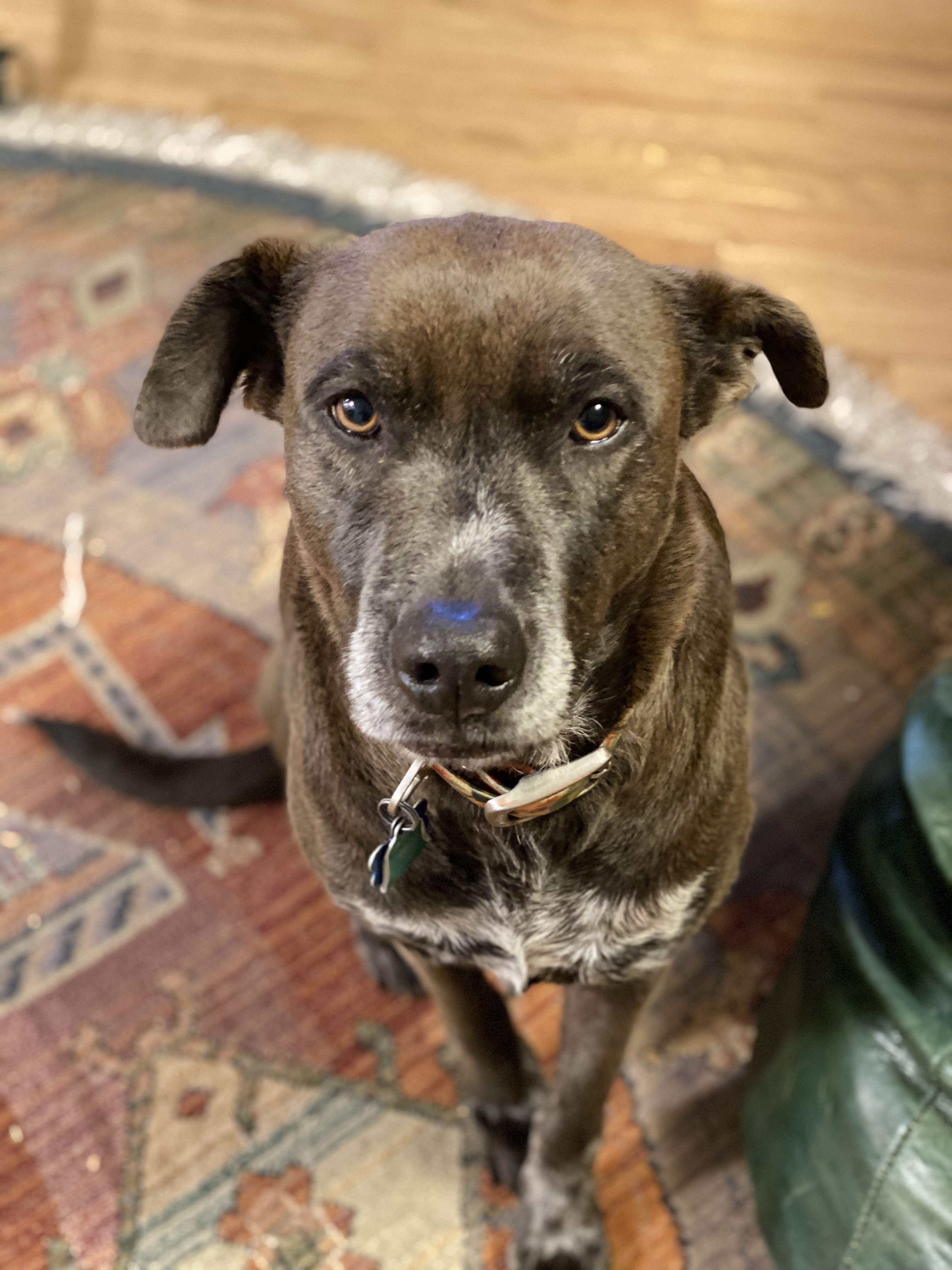
Some photographs are technically perfect. Others are slightly blurry, badly framed, and interrupted by a suspicious tail entering from the left. Yet when the subject is your pet, that imperfect picture may still be the greatest image ever captured by human technology.
That is the spirit of this community challenge: post your favorite photo of your pet and tell us why it matters. Dogs, cats, rabbits, parrots, guinea pigs, reptiles, horses, fish, and proudly unidentified furry creatures are all invited. Your photo does not need studio lighting, an expensive camera, or a pet willing to cooperate with artistic direction. It simply needs a story.
Perhaps it shows your dog discovering snow for the first time. Maybe it captures your cat asleep in a container approximately one-third of its body size. It could be a peaceful portrait of a senior pet, a chaotic action shot, or the exact second your parrot realized it could remove a button from your shirt.
Choose the picture that makes you laugh, pause, or immediately begin explaining your pet’s entire biography to strangers. Then share it with the Pandas.
What Makes a Pet Photo a Favorite?
A favorite pet photo is not always the sharpest image in your camera roll. It is usually the one that captures something recognizable: a habit, an expression, a relationship, or a tiny piece of everyday life that would otherwise disappear.
A polished pet portrait can be beautiful, but a candid photograph often reveals more personality. A dog staring at a sandwich with the concentration of an air traffic controller tells us something. So does a rabbit rearranging a blanket, a cat supervising a home repair project, or a cockatiel shouting into a coffee mug.
The best animal photos frequently preserve one of four things:
- Personality: the expression or behavior that is unmistakably your pet.
- Connection: a moment shared with a person, another animal, or a beloved object.
- Change: a first day home, a birthday, a recovery milestone, or the dignified arrival of gray whiskers.
- Comedy: because pets can turn an ordinary laundry basket into a major theatrical production.
Your favorite image may contain all four. It may also contain a knocked-over plant. We are not here to judge.
Ideas for Choosing the Photo You Want to Share
Scrolling through thousands of cute pet pictures can create a surprisingly serious decision. Every image appears to deserve museum placement, especially the seventeen nearly identical photographs of your sleeping dog.
The Classic Portrait
A clear view of your pet’s face can be powerful. Look for a photograph with visible eyes, a relaxed expression, and a simple background. The image does not need to be formal. A pet sitting near a window or resting in a favorite chair can create a natural portrait with very little effort.
The Glorious Action Shot
Running, jumping, splashing, digging, climbing, and attacking a completely innocent cardboard box all make excellent subjects. Motion may produce some blur, but that can add energy. A technically imperfect photograph of a joyful moment often feels more alive than a carefully posed image.
The Friendship Photo
Pictures of pets with their favorite companions are hard to resist. Your submission might show two dogs sharing a bed, a cat grooming another cat, a rabbit sitting beside a gentle dog, or a pet leaning against a trusted person. Always supervise interactions between animals and avoid arranging a scene that makes either pet uncomfortable.
The Unexplained Situation
Every pet owner has at least one photograph that requires context and somehow becomes stranger after the context is provided. Why is the cat wearing one sock? Why is the dog sitting in the empty bathtub? Why is the parrot surrounded by shredded paperwork? These mysteries belong on the internet.
The Quiet Memory
Not every favorite picture needs to be funny. A soft photograph of a pet sleeping, watching the rain, resting a paw on someone’s hand, or enjoying a familiar routine can carry enormous emotional weight. These images become especially meaningful as pets grow older.
How to Take Better Pet Photos Without Testing Anyone’s Patience
You do not need professional equipment to improve your pet photography. Modern smartphones are capable of producing strong images when the light, timing, and composition work together. More importantly, the photographer already has a major advantage: you know your pet’s routine.
Photograph Your Pet at Eye Level
Many pet pictures are taken while the person is standing and the animal is looking up. That angle can work, but lowering the camera often creates a more intimate image. Sit on the floor, kneel, or use a phone screen that lets you compose the shot without folding yourself into an advanced yoga position.
Eye-level dog photography and cat photography help viewers enter the animal’s world. The perspective also makes expressions easier to read and reduces distracting floor space.
Use Soft, Natural Light
Window light is one of the easiest tools available. Position your pet near a bright window without placing the animal in harsh direct sunlight. Outdoors, early morning, late afternoon, and lightly overcast conditions usually produce softer shadows than the middle of a sunny day.
Built-in flash can create flat lighting, startled expressions, and glowing eyes. Whenever possible, increase the available light or move to a brighter location instead. Never keep firing a flash at an animal that appears uncomfortable.
Focus on the Eyes
The eyes often become the emotional center of a pet portrait. Tap your pet’s eye on a smartphone screen to guide focus and exposure. On a dedicated camera, animal-detection autofocus or continuous focus can help track energetic subjects.
When photographing a dark-coated pet, expose carefully so the face does not disappear into a shadowy blob with opinions. A brighter background is not always helpful; placing dark fur against a lighter but uncluttered surface can create useful separation. Gentle editing may lift shadows while preserving natural detail.
Use Burst Mode for Fast Pets
Animals do not pause at the peak of a jump while asking whether you achieved focus. Burst or continuous shooting mode records several frames in quick succession, improving your chances of catching the ideal expression or body position.
This technique is particularly useful for zoomies, fetch, birds in motion, and kittens who have recently discovered that gravity is merely a suggestion.
Keep the Background Simple
Before taking the picture, glance behind your subject. A cluttered room, bright sign, trash can, or mysterious pile of laundry can pull attention away from your pet. Shift your position, move one distracting object, or crop more tightly.
A plain wall, blanket, lawn, sofa, or shaded outdoor area often works well. Choose a background that contrasts with your pet’s coat. A white dog may vanish against a pale blanket, while a black cat can become nearly theoretical on a dark couch.
Recruit a Helper
One person can hold the camera while another safely uses a favorite toy, familiar sound, or small treat to attract attention. Hold the attention-getter close to the lens so the pet appears to look toward the camera.
Keep the session brief. Five relaxed minutes are more productive than twenty minutes of repeatedly saying your pet’s name in increasingly desperate tones.
Pet Comfort Comes Before the Photograph
A funny picture is never worth frightening or endangering an animal. Pets communicate discomfort through posture, movement, facial expressions, and behavior. Dogs may turn away, lick their lips, yawn, freeze, pant, lower their bodies, show the whites of their eyes, or become unusually stiff. Cats may flatten their ears, flick or tuck their tails, hide, crouch, widen their pupils, or attempt to leave.
If your pet asks for space, stop the session. Do not chase an animal with a camera, restrain it for a pose, or repeatedly return it to a location it has left. A pet who walks away has delivered a perfectly clear editorial note.
Be Careful With Costumes and Props
A loose bandana or familiar accessory may be comfortable for one pet and irritating to another. Avoid anything that restricts breathing, hearing, sight, movement, or temperature regulation. Small decorations can become choking hazards, and straps may catch on furniture or branches.
Take the picture quickly, supervise closely, and remove the item immediately afterward. Skip the costume entirely when your pet appears tense or tries to escape it.
Choose a Secure Location
Outdoor pet photography requires extra caution. Use a leash or secure enclosed area when appropriate, keep identification current, provide fresh water, and avoid dangerous heat. Never place an animal near traffic, unstable ledges, deep water, unsafe plants, or wildlife merely to create a dramatic photograph.
The safest location is usually a place your pet already knows and enjoys. Familiar surroundings also produce more natural behavior.
Tell the Story Behind Your Favorite Pet Photo
A caption transforms a pleasant image into a memorable post. You do not need to write your pet’s authorized biography, although many animals clearly believe one is overdue. A few specific details are enough.
Consider including your pet’s name, species or breed if known, approximate age, favorite activity, and the story behind the photograph. Explain what happened immediately before or after the shutter clicked. That is often where the funniest detail is hiding.
For example:
“This is Maple, age four, approximately thirty seconds after stealing a hamburger bun from the picnic table. She looked proud until she realized the bun was empty.”
Or:
“Our cat, Norman, refused every expensive bed we bought him. This shipping box arrived on Tuesday, and he has treated it as beachfront property ever since.”
Specific captions invite conversation. They give other pet lovers something to respond to beyond “cute,” although “cute” remains a completely valid scholarly assessment.
Share Responsibly Online
Before posting, inspect the full frame rather than looking only at your pet. A collar tag may reveal a phone number or address. Mail, school information, computer screens, house numbers, license plates, and reflections can expose details you did not intend to publish.
Review the privacy and location settings on your phone and social platforms. Consider removing precise location data, especially when a photo was taken at home or in a place you visit regularly. Avoid publicly announcing that your pet is alone at a specific address or that your household will be away for an extended period.
When another person appears in the image, ask permission before sharing it. Children deserve particular care and privacy. A good pet post should create smiles, not an unexpected family meeting about digital boundaries.
Accessibility matters too. Add descriptive alt text when the platform supports it. A useful description might read, “A golden retriever wearing a red bandana sits beside a muddy garden hole with soil covering its nose.” Alt text helps more people enjoy the photograph and is more meaningful than a file name such as IMG_8472.
Why Community Pet Photo Threads Are So Much Fun
A collection of favorite pet photos becomes more than an endless stream of adorable faces. It becomes a miniature archive of relationships. One post may introduce a newly adopted kitten. The next may honor a dog who spent fifteen years beside the same family. Another may feature a snake relaxing in a carefully designed enclosure or a horse greeting the person who raised it.
These threads also reveal how differently animals express themselves. Some pets perform for the camera. Some ignore it. Some approach the lens until the final image consists entirely of one nostril. Each response is part of the animal’s personality.
Community participation works best when comments remain kind. Compliment the story, ask respectful questions, and avoid diagnosing an animal or criticizing its appearance based on one photograph. Not every pet has a known breed, perfect coat, symmetrical ears, or conventional beauty. That is part of the charm.
If a shared image involves an adopted or rescued animal, the caption can also celebrate progress without sensationalizing the pet’s past. Focus on the life the animal is living now: the first relaxed nap, the new favorite toy, or the moment it decided the sofa belonged to everyone except the person who purchased it.
Experiences Behind the Camera: When the Imperfect Photo Wins
The following composite experiences reflect familiar situations shared by many pet owners. They show why the favorite photograph is often not the one anyone planned to take.
The Muddy Dog and the Abandoned Portrait Plan
Imagine taking a dog to a park with one simple goal: capture a clean, cheerful portrait for a holiday card. The light is soft, the grass is green, and the dog has even been brushed. For several seconds, the plan appears possible.
Then the dog discovers mud.
There is a leap, a splash, and a full-body roll performed with the commitment of an actor chasing an award. The carefully prepared portrait session ends. The photographer raises the phone almost automatically and captures the dog standing in the puddle, tongue out, legs coated in brown water, radiating complete satisfaction.
The clean portraits taken earlier are sharper. The muddy photograph becomes the favorite because it records the dog’s actual priorities. Years later, nobody remembers whether the holiday card looked elegant. Everyone remembers the puddle.
The Cat Who Chose the Box
Another common experience begins with the purchase of a luxurious cat bed. It has soft fabric, supportive padding, and a price that suggests it should include room service. The cat inspects it once and walks away.
Nearby sits the cardboard box in which the bed arrived. Within minutes, the cat is inside. Only the ears and one paw remain visible. The lighting is ordinary, and the background includes packing paper, but the image captures a universal truth: people buy products, while cats conduct independent real-estate assessments.
The favorite frame may be the moment the cat looks over the edge of the box with an expression of absolute ownership. The picture succeeds because the owner recognizes the personality immediately. It is not simply a cat in a box. It is that particular cat making that particular decision.
The Senior Pet’s Quiet Portrait
Photographing an older pet creates a different experience. Fast action becomes less important than familiar details: the gray fur around a muzzle, the worn collar, the shape of a paw resting on a blanket, or the patient expression formed by years of shared routines.
A family may take hundreds of photographs throughout a pet’s life yet eventually treasure a simple image made near a window. Nothing dramatic happens. The animal is comfortable, the eyes are soft, and the room looks exactly as it did on countless ordinary afternoons.
That ordinariness becomes valuable. The picture preserves not a special event but the feeling of daily companionship. It reminds people that much of life with a pet occurs in small repetitions: filling a bowl, opening a door, sharing a couch, and hearing familiar footsteps in the hallway.
The Photograph Taken One Second Too Late
Sometimes the photographer aims to capture a graceful pose and presses the button just as the pet sneezes, jumps, turns, or licks the lens. The result may include crossed eyes, flying ears, or a face no animal would approve for professional use.
These outtakes often become more popular than the intended portrait. They feel spontaneous and honest. They also remind us that pet photography is a collaboration in which only one participant has read the creative brief.
The Lesson Shared by All Four Experiences
The strongest pet photograph does not always come from controlling the moment. It comes from noticing it. Preparation helps: good light, a clear background, a ready camera, and knowledge of your pet’s routine can improve the result. But patience and affection matter more.
Leave room for the animal to behave naturally. Photograph the muddy paws, the cardboard kingdom, the slow afternoon, and the spectacularly mistimed sneeze. Those are not failed portraits. They are pieces of a shared life.
Now It Is Your Turn, Pandas
Open your camera roll and find the photograph that instantly brings your pet’s personality back to you. It might be beautiful, ridiculous, peaceful, chaotic, or all four at once.
Post your favorite photo of your pet and include the story behind it. Tell us the pet’s name, what was happening, and why this particular image defeated every other contender in your gallery. Old photographs are welcome. New photographs are welcome. Photos of pets who are no longer with us are welcome too.
Most importantly, celebrate the animal rather than photographic perfection. A favorite pet photo is not valuable because every pixel is flawless. It is valuable because the face, pose, or moment belongs to someone who made life more interesting.