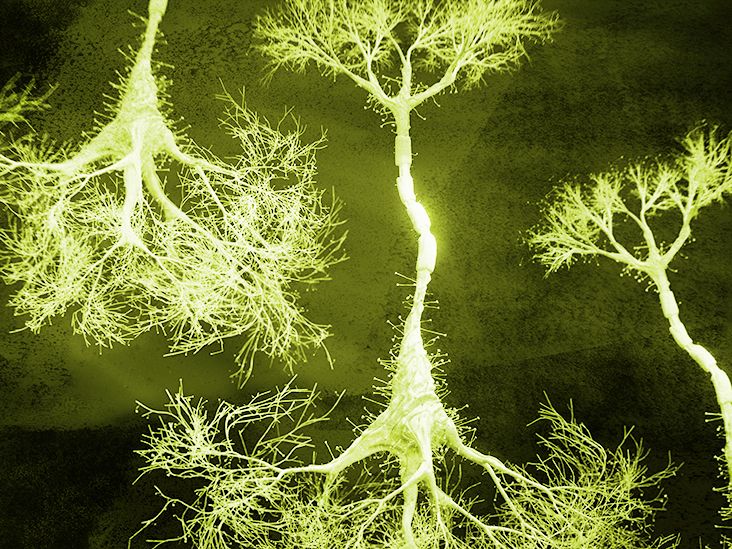
The hippocampus may be small, but it has a résumé that would make a multitasking CEO jealous. Tucked deep inside the brain, this curved structure helps you remember where you parked, learn a new route home, recognize patterns, connect experiences with emotions, and turn “I just heard that” into “I actually remember that.” Without it, daily life would feel like opening 47 browser tabs and forgetting why you opened every single one.
When people talk about brain health, they often focus on big, dramatic topics: intelligence, personality, creativity, or mood. But the hippocampus quietly powers some of the most practical parts of being human. It helps form memories, supports learning, contributes to spatial navigation, and works with other brain regions to organize experiences into a meaningful timeline. In short, it helps your brain answer three important questions: What happened? Where did it happen? And why does it matter?
This guide explains what the hippocampus does, how large it is, what can go wrong, and how everyday habits may support hippocampal health. We will keep the science accurate, the language friendly, and the brain jokes reasonably under control.
What Is the Hippocampus?
The hippocampus is a paired brain structure, meaning there is one hippocampus on the left side and one on the right side. Each sits within the medial temporal lobe, a region deep inside the brain near structures involved in emotion, sensory processing, and memory. Its name comes from the Greek word for “seahorse,” because early anatomists thought its curved shape looked a bit like one. Apparently, even brain scientists enjoy a good ocean-themed nickname.
The hippocampus is part of the limbic system, a network often associated with memory, emotion, motivation, and behavior. However, the hippocampus is not a tiny “memory box” where your life is stored like photos on a phone. Instead, it acts more like an organizer, coordinator, and indexing system. It helps encode new information, link details together, and communicate with other parts of the brain so memories can be stored, retrieved, and updated over time.
Main Functions of the Hippocampus
1. Forming New Memories
The hippocampus is best known for its role in forming new declarative memories. These are memories you can consciously recall, such as facts, events, names, conversations, and experiences. For example, remembering the name of a new coworker, the plot of a movie, or what you ate for breakfast involves memory networks that include the hippocampus.
One of its most important jobs is memory consolidation. That means helping transform short-term experiences into more stable long-term memories. Think of it as the brain’s “save” button, though with a much more complicated filing system and no polite pop-up asking, “Are you sure?”
2. Connecting Memories With Context
The hippocampus does not only remember isolated facts. It helps connect information to context. You may remember not just a friend’s birthday party, but where it happened, who was there, what music was playing, and why someone laughed so hard near the dessert table. This context-building role is one reason the hippocampus is so important for episodic memory, the memory of personal experiences.
3. Spatial Navigation
The hippocampus also helps the brain understand space and direction. It supports mental mapping, route learning, and spatial memory. When you learn how to navigate a new neighborhood, find your classroom, or remember that the grocery store keeps the peanut butter in a location that makes no logical sense, your hippocampus is involved.
Researchers have long been interested in the connection between hippocampal function and navigation. Spatial memory is not just about maps; it is about understanding relationships between places. This is why damage or shrinkage in hippocampal regions can sometimes affect a person’s ability to find familiar locations or learn new routes.
4. Learning and Pattern Recognition
The hippocampus helps the brain separate similar experiences. For instance, it may help you distinguish between two similar parking garages, two similar classrooms, or two restaurants that both have suspiciously identical chalkboard menus. This process is sometimes described as pattern separation, and it helps reduce confusion between memories that share overlapping details.
5. Working With Emotion
The hippocampus works closely with the amygdala, a nearby structure involved in emotional processing. This connection helps explain why emotionally charged events can be easier to remember. A boring Tuesday may disappear into the fog, but a surprising, joyful, frightening, or meaningful event can stick around with much sharper detail.
How Big Is the Hippocampus?
The hippocampus is small compared with many other brain regions. In adults, each hippocampus is often only a few cubic centimeters in volume, though measurements vary depending on age, sex, body size, brain size, MRI method, and the way researchers define its boundaries. Some studies report average volumes around 2.5 to 4 cubic centimeters per side. That means each hippocampus is roughly small enough to be easy to underestimateand important enough that underestimating it would be a serious mistake.
Size alone does not tell the whole story. A larger hippocampus does not automatically mean a person has a “better” memory, and a smaller hippocampus does not automatically diagnose a disease. Brain imaging must be interpreted carefully by trained clinicians. What matters most is the overall pattern: symptoms, medical history, test results, imaging findings, and whether there is meaningful change over time.
Does the Hippocampus Shrink With Age?
Some hippocampal volume loss can occur with aging. However, not all memory changes are the same, and not every older adult develops serious memory problems. Normal aging may make recall slower or make multitasking harder, but major confusion, getting lost in familiar places, repeating the same questions frequently, or losing the ability to manage daily tasks should not be dismissed as “just getting older.”
Hippocampal shrinkage can be associated with neurodegenerative conditions, chronic stress, depression, epilepsy, traumatic brain injury, vascular disease, and other medical factors. Because many causes are possible, changes in memory or thinking deserve a thoughtful evaluation rather than a quick internet diagnosis. The hippocampus may be tiny, but the list of possible explanations is not.
Common Problems That Affect the Hippocampus
Alzheimer’s Disease and Dementia
The hippocampus is one of the brain regions often affected early in Alzheimer’s disease. Because it plays such a central role in forming new memories, early damage may show up as difficulty learning new information, repeating questions, misplacing items, forgetting recent conversations, or struggling to remember recent events.
It is important to understand that occasional forgetfulness is common. Everyone has walked into a room and wondered why they came in. That is practically a human membership card. But progressive memory problems that interfere with work, school, finances, cooking, safety, or relationships should be discussed with a healthcare professional.
Epilepsy and Temporal Lobe Seizures
The temporal lobes, where the hippocampus is located, are involved in some forms of epilepsy. Temporal lobe seizures may affect awareness, emotion, memory, smell, taste, or unusual sensations such as déjà vu. In some people, repeated seizures or structural changes in the hippocampus may be linked with a condition called hippocampal sclerosis, also known as mesial temporal sclerosis.
Symptoms can vary widely. Some seizures are dramatic, but others are subtle. A person may seem briefly disconnected, confused, or unable to respond normally. Because seizure disorders require medical diagnosis and treatment, unexplained episodes of altered awareness should not be ignored.
Chronic Stress
Stress is not just a feeling; it is a biological event. When stress becomes chronic, the body remains exposed to stress hormones and inflammatory signals that may affect brain systems involved in memory and emotion. Research has linked chronic stress with changes in hippocampal structure and function.
This does not mean one bad week will ruin your brain. The hippocampus is not that dramatic. But long-term stress, poor sleep, lack of recovery, and ongoing emotional strain may make learning, memory, and concentration harder. Stress management is not just a wellness slogan printed on a coffee mug; it is part of brain maintenance.
Depression and Mood Disorders
Depression can affect memory, attention, motivation, and processing speed. Some studies have associated long-term or recurrent depression with reduced hippocampal volume. The relationship is complex: depression may affect the hippocampus, hippocampal changes may contribute to symptoms, and stress biology may influence both.
People experiencing depression may describe “brain fog,” forgetfulness, trouble focusing, or difficulty making decisions. These symptoms are real, and they are not a personal failure. Treatment may include therapy, lifestyle support, medication, or a combination of approaches guided by a professional.
Traumatic Brain Injury
Head injuries can affect memory systems, especially when trauma involves loss of consciousness, repeated impacts, or ongoing symptoms. The hippocampus may be vulnerable because of its location and high metabolic activity. After a concussion or head injury, people may experience memory gaps, concentration problems, headaches, dizziness, mood changes, or sleep disruption.
Any severe head injury, worsening symptoms, repeated vomiting, confusion, seizure, or unusual behavior after trauma needs urgent medical attention. The brain is not a “walk it off” organ.
Sleep Problems
Sleep supports memory consolidation. During sleep, the brain helps stabilize and reorganize recently learned information. When sleep is regularly too short, fragmented, or poor in quality, learning and recall can suffer. The hippocampus and cortex communicate during memory processing, and sleep appears to support this brainwide teamwork.
In practical terms, all-night cramming may feel heroic, but your hippocampus may file a formal complaint. Learning usually works better when study, rest, and repetition are combined.
Vascular and Metabolic Conditions
Brain health depends on blood flow, oxygen, and energy regulation. Conditions such as high blood pressure, diabetes, high cholesterol, smoking-related vascular disease, and stroke can affect cognitive function. The hippocampus may be harmed by reduced blood supply, inflammation, or small vessel disease. Protecting heart health is also a way to protect brain health.
Signs That May Suggest Hippocampal or Memory-Related Problems
Hippocampal problems do not always produce one obvious symptom. They may appear as memory, navigation, learning, or emotional changes. Possible signs include:
- Difficulty forming new memories
- Frequently repeating questions or stories
- Getting lost in familiar places
- Forgetting recent conversations or appointments
- Trouble learning new routes, tasks, or routines
- Episodes of déjà vu, odd smells, sudden fear, or altered awareness
- Memory gaps after seizures, head injury, or periods of confusion
- Persistent brain fog linked with depression, stress, or poor sleep
These symptoms do not automatically mean the hippocampus is damaged. Many factors can affect memory, including medication side effects, thyroid problems, vitamin deficiencies, anxiety, sleep apnea, dehydration, infections, and substance use. That is why evaluation matters.
How Doctors Evaluate Hippocampus-Related Problems
A healthcare professional may begin with a medical history, symptom timeline, medication review, family history, physical exam, and neurological exam. Cognitive screening tests can help assess memory, attention, language, and problem-solving. If seizures are suspected, an electroencephalogram, or EEG, may be used to study brain electrical activity.
Imaging may also be helpful. MRI can show brain structure and may detect hippocampal shrinkage, scarring, tumors, stroke changes, traumatic injury, or patterns associated with neurodegenerative disease. In some cases, doctors may order blood tests, sleep studies, neuropsychological testing, or specialized imaging depending on the symptoms.
The key point is that memory problems deserve context. A single MRI measurement rarely tells the whole story. Good diagnosis is more like detective work than fortune-telling.
Can You Support Hippocampal Health?
Move Your Body
Regular physical activity is one of the most consistently recommended habits for brain health. Aerobic exercise, such as brisk walking, cycling, swimming, or dancing, has been linked in research with better memory performance and, in some studies, preservation or increase of hippocampal volume. You do not need to train like an Olympic athlete. Consistency matters more than dramatic fitness theater.
Prioritize Sleep
Good sleep gives the brain time to process memories. A regular sleep schedule, reduced late-night screen exposure, a comfortable sleep environment, and treatment for sleep disorders may support learning and recall. If snoring, gasping, or daytime sleepiness is a pattern, it may be worth asking a clinician about sleep apnea.
Manage Stress Before It Manages You
Stress management may include exercise, therapy, breathing practices, journaling, time outdoors, social connection, or adjusting workload when possible. The goal is not to eliminate all stress. That would require moving to a magical island where emails do not exist. The goal is recovery, regulation, and support.
Keep Learning
The hippocampus is active when you learn. Reading, practicing music, studying a language, doing puzzles, cooking new recipes, learning routes, or building new skills can challenge memory networks. Novelty helps. Your brain enjoys a reasonable challenge, even if it complains during the first five minutes.
Protect Heart and Metabolic Health
Healthy blood pressure, balanced blood sugar, nutritious eating patterns, avoiding smoking, and following medical advice for cardiovascular risk factors may protect brain function over time. The brain uses a lot of energy, and the hippocampus is no exception. What supports blood vessels often supports memory systems too.
Real-Life Experiences Related to the Hippocampus
To understand the hippocampus in everyday life, imagine a college student named Maya starting her first week on a large campus. On Monday, every building looks like a brick maze designed by someone who hates punctuality. She uses her phone map constantly. By Friday, she knows the quickest route from biology lab to the library, remembers which staircase is always crowded, and can find the café that sells the good muffins. Her hippocampus has been helping build a spatial map, linking locations with experiences and making the campus feel less like a puzzle box.
Now picture David, who is caring for his father in the early stages of memory decline. His father can talk beautifully about events from decades ago but struggles to remember a conversation from that morning. This pattern can happen because older memories are distributed across wider brain networks, while forming new memories depends heavily on hippocampal function. David learns to use calendars, labels, routines, and gentle reminders. These tools do not “fix” the hippocampus, but they reduce frustration and support daily independence. In real life, memory care is not only medical; it is also practical, emotional, and deeply human.
Another example is someone recovering from chronic stress. A high school teacher, for instance, may notice that after months of poor sleep, grading overload, and constant pressure, her memory feels unreliable. She forgets names, loses track of tasks, and rereads the same email three times. Once she begins sleeping better, walking after work, setting boundaries, and getting support, her focus gradually improves. This does not prove that her hippocampus changed overnight, but it shows how memory is affected by the whole-body environment. The hippocampus works best when the brain is not constantly operating in emergency mode.
Experiences with epilepsy can also reveal how closely memory and the temporal lobes are connected. A person with temporal lobe seizures may describe brief episodes of déjà vu, sudden fear, or a strange sensation before awareness changes. Afterward, they may feel confused or unable to remember what happened. For families, this can be frightening because the person may not look “sick” in the usual way. Learning about temporal lobe function can help families respond with more patience and less blame.
Finally, consider the everyday miracle of remembering a loved one’s voice, the layout of your childhood home, the smell of a favorite meal, or the route to a place you visited years ago. The hippocampus helps connect these details into stories. It gives memory a sense of place, time, and meaning. That is why hippocampal health matters so much. It is not just about remembering facts for a test. It is about holding onto the map of your life.
Conclusion
The hippocampus is small, curved, and quietly essential. It helps form new memories, supports learning, builds mental maps, connects experiences with context, and works with emotional systems to make important events stick. Its size can vary, and changes in hippocampal volume may be linked with aging, Alzheimer’s disease, epilepsy, chronic stress, depression, sleep problems, head injury, and vascular conditions.
While no single habit can guarantee perfect memory, a brain-friendly lifestyle can support hippocampal health. Regular exercise, good sleep, stress management, learning new skills, social connection, and cardiovascular care all matter. If memory problems are sudden, worsening, or interfering with daily life, professional evaluation is the smartest next step. Your hippocampus may be shaped like a seahorse, but it should not be left swimming alone in confusing symptoms.
Note: This article is for general educational purposes and does not replace medical diagnosis or treatment. Anyone with sudden memory loss, seizures, severe confusion, head injury symptoms, or rapidly worsening thinking should seek medical care promptly.