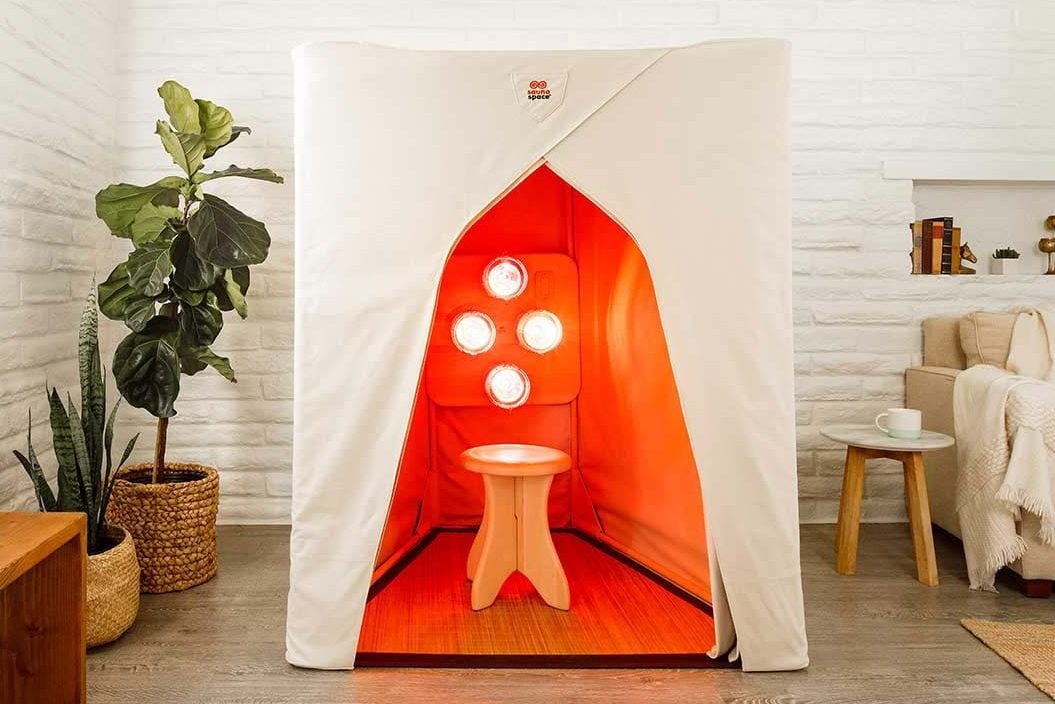
A portable sauna promises spa-level heat without surrendering an entire room or explaining why the guest bedroom now smells like cedar. Options range from zip-up steam tents and infrared enclosures to sauna blankets and outdoor stove-heated tents. Some fold into a closet; others are portable in the same way a barbecue grill is portableyou can move it, but nobody is slipping it under the bed.
The smartest purchase is the model that fits your floor space, electrical service, ventilation, cleaning tolerance, and routine. This guide covers how portable saunas work, what they cost to run, where they can safely go, and which marketing claims deserve a raised eyebrow.
What Counts as a Portable Sauna?
A portable sauna is a compact heat enclosure that is easier to assemble, move, or store than a built-in sauna room. A fabric tent may weigh less than a loaded suitcase, while a rigid infrared cabin may require two adults and careful doorway measurements. Most products fall into four categories.
Portable Steam Sauna Tents
These fabric enclosures connect to an electric steam generator. They heat quickly, feel intensely warm at modest air temperatures, and usually cost less than infrared models. The tradeoff is condensation on the walls, chair, mat, and occasionally in puddles that seem to have studied plumbing. Steam tents suit budget-conscious owners with waterproof flooring, ventilation, and no objection to draining and drying the unit after each use.
Portable Infrared Saunas
Infrared units use radiant panels to warm the user and interior surfaces. They generally produce less room moisture than steam models and can fit bedrooms, home gyms, or dry basements when the manufacturer approves the location and the circuit is suitable. Fabric infrared tents are lighter and cheaper; rigid cabins retain heat and feel more comfortable but occupy permanent floor space, no matter how cheerfully the brochure says “compact.”
Sauna Blankets
A sauna blanket is an insulated heated wrap resembling a sleeping bag designed by someone who thought camping needed more perspiration. It stores easily and works well in apartments, but sweat remains inside the liner, so cleaning is hands-on. It also lacks the upright, room-like sauna experience. Some users find the enclosure relaxing; others feel like a warm burrito with a power cord.
Outdoor Sauna Tents With Stoves
Outdoor sauna tents use a purpose-built wood stove and chimney for traditional high heat. They belong outdoors, with manufacturer-required clearances and local fire rules observed. Combustion adds fire, burn, chimney, and carbon-monoxide hazards. Never substitute a camping stove, charcoal burner, propane heater, or unrelated device inside a tent, garage, basement, or porch. “The door is cracked open” is not a ventilation plan.
Portable Sauna Comparison at a Glance
| Type | Best For | Main Advantage | Main Drawback |
|---|---|---|---|
| Steam tent | Low-cost home use | Fast, humid heat | Condensation and drying |
| Infrared tent | Small indoor spaces | Lower moisture | Fabric enclosure feels basic |
| Rigid infrared cabin | Frequent home use | Comfort and durability | Higher price and larger footprint |
| Sauna blanket | Minimal storage space | Easy to store | Close contact with sweat |
| Outdoor stove tent | Backyards and cabins | Traditional high heat | Fire and combustion management |
What to Check Before Buying
1. Measure the Sauna and the Human Using It
Add clearance for the door or zipper, hose, controller, cord, and a safe walking path. Check knee, shoulder, and headroom while seated; a one-person tent can be roomy for one user and an unwilling yoga pose for another. Measure storage too, because the generator, chair, mat, poles, and accessories can become permanent hallway sculpture.
2. Read the Electrical Label Before Reading the Reviews
Many compact units use a standard 120-volt outlet, while others require a dedicated circuit, 20-amp receptacle, or 240-volt service. Confirm voltage, amperage, wattage, plug type, and circuit requirements before purchase. Plug high-heat appliances directly into an appropriate wall outlet rather than a power strip or casual extension cord.
If the plug or outlet becomes hot, the breaker trips, or lights dim at startup, stop and consult an electrician. Never “fix” a tripping breaker by installing a larger one. Prefer certification from a nationally recognized testing laboratory, and verify that it covers the complete product.
3. Plan for Moisture, Even With Infrared
Every session creates moisture through steam or perspiration. Use waterproof, heat-tolerant flooring or the approved floor barrier; avoid rugs, unfinished wood, and delicate laminate. Ventilate afterward with an exhaust fan, suitable open window, or dehumidifier. A hygrometer helps: the EPA recommends household relative humidity below 60 percent, ideally about 30 to 50 percent.
4. Check the Cleaning Routine
Look for removable liners, accessible seams, washable mats, a drainable reservoir, and surfaces that wipe clean easily. Use only approved cleaners. Harsh bleach, abrasives, essential oils, and homemade chemistry experiments can damage fabrics, heaters, sensors, and seals. Mild soap where permitted and thorough drying beat a cabinet full of scented optimism.
5. Judge Controls and Comfort, Not Gimmicks
Prioritize a reliable timer, clear controls, automatic shutoff, stable chair, reachable zipper, and overheat protection. Apps and speakers are pleasant, but the sauna should remain safely usable when the Wi-Fi sulks or support ends.
Where to Put a Portable Sauna
Choose a level, ventilated location with suitable power, water-resistant flooring, and manufacturer-required clearance from curtains, bedding, paper, and stored goods. Bathrooms handle moisture but demand wet-location electrical care. Garages may contain fuel, paint, dust, and combustibles. Basements work only when dry and ventilated; bedrooms suit approved low-moisture units with careful clearance.
Keep children and pets away from hot hoses, heaters, controllers, stoves, and cords. Leave the exit unobstructed. A sauna should feel enclosed, not operate like an escape-room challenge.
How to Use a Portable Sauna Safely
Start Cooler and Shorter
Begin with a shorter session at a lower setting and increase gradually only if you feel well. More heat is not automatically more beneficial; it is simply more heat. Leave immediately for dizziness, faintness, nausea, confusion, unusual weakness, shortness of breath, or other concerning symptoms. Stand slowly afterward and never lock or block the enclosure.
Hydrate and Skip Alcohol
Drink water before and after use. Avoid sauna heat when dehydrated after hard exercise, illness, fasting, or alcohol, which can impair judgment and encourage overly long sessions.
Know When to Ask a Clinician
Individual risk varies. People with uncontrolled blood pressure, significant heart disease, fainting, heat intolerance, pregnancy, recent illness, or medicines affecting hydration, sweating, or blood pressure should seek medical advice first. Children require appropriate medical and adult guidance. Heat may support relaxation and temporarily ease stiffness, but sweating is not a magical detox pipeline. The liver and kidneys remain employed.
Setup and First-Use Checklist
- Read the manual and prohibited-location warnings.
- Confirm the circuit, outlet, plug, and voltage.
- Inspect cords, hoses, zippers, panels, and chair.
- Use a level, water-resistant surface with required clearances.
- Test controls, timer, and automatic shutoff.
- Keep water from electrical connections.
- Remain attentive whenever the unit operates.
Cleaning and Maintenance
After each session, follow shutdown instructions, let hot parts cool, remove wet towels, wipe perspiration, drain the steam reservoir, and leave the enclosure open until dry. Never store damp fabric; that shortcut creates a science project.
Inspect cords, plugs, hoses, panels, chairs, seams, and controllers. Descale steam generators only as directed and use approved replacement parts. Wipe sauna blankets after every use, air-dry both sides, and avoid sharp folds around heating elements. On fabric tents, inspect the floor and lower seams first; gravity sends every cleaning problem there.
How Much Does a Portable Sauna Cost to Run?
Operating cost depends on wattage, session length, preheating time, and local electricity rates. Use this simple formula:
Wattage ÷ 1,000 × operating hours × electricity rate = estimated session cost.
For example, a 1,500-watt unit running for 30 minutes uses about 0.75 kilowatt-hour. At an illustrative rate of 18 cents per kilowatt-hour, that session costs roughly 14 cents for electricity. A larger unit, longer warmup, or higher local rate will cost more. The purchase price, replacement parts, cleaning supplies, floor protection, and possible electrical work usually matter more than the energy cost of a compact unit.
Common Buying Mistakes
- Buying by maximum temperature: Distribution, humidity, comfort, and controls also matter.
- Ignoring the outlet: Unexpected electrical work can erase a bargain.
- Underestimating cleanup: Steam condenses and blankets collect sweat.
- Believing miracle claims: Relaxation is valuable without pretending heat cures everything from stress to taxes.
- Choosing too small: Cramped equipment rarely becomes a lasting habit.
- Skipping warranty details: Check parts, labor, fabric, and return shipping.
Homeowner Experiences: What Portable Sauna Ownership Actually Feels Like
The first surprise is usually not the heat. It is the choreography. A steam-tent owner fills the reservoir, unfolds the chair, positions the hose, protects the floor, finds two towels, and then waits for the vapor to arrive. By the third or fourth session, the process becomes routine. Before that, it can feel like preparing a very small weather system in the laundry room.
A realistic first-week experience often includes experimentation with placement. The home gym seems ideal until the power cord crosses the walking path. The bathroom handles moisture but feels crowded. The finished basement offers privacy, yet humidity lingers. Many owners eventually settle on a location near an appropriate outlet, with washable flooring and enough room to leave the enclosure open for drying. Convenience wins. A sauna stored in a difficult closet may be “portable,” but it can also become an expensive folded monument to good intentions.
Steam-tent owners commonly appreciate the enveloping heat and low entry price. They also learn that post-session care is part of the session. One towel goes underfoot, another protects the chair, and a third handles the human. Emptying the reservoir promptly and wiping the lower seams prevents stale odors. A small fan or bathroom exhaust fan can shorten drying time. The best experience comes when cleanup is designed into the routine rather than treated as an unpleasant sequel.
Infrared-tent owners often report a simpler rhythm: unfold, plug in, preheat, sit, wipe, air out. The heat may feel less dramatic at first because the air is not as humid, yet the user can still become very warm. Comfort depends heavily on the chair and enclosure size. Replacing a flimsy chair may improve the experience more than adding another electronic feature. A backrest, absorbent towel, and reachable water bottle are humble upgrades with excellent returns.
Sauna-blanket ownership is even more personal. It is quiet, compact, and easy to pair with music or a podcast, but getting in and out can be awkward. Users quickly discover that clothing guidance matters, as does bathroom access before starting. Cleaning immediately is easier than cleaning later, when dried perspiration has become emotionally committed to the liner. A blanket works best for someone who values storage efficiency more than the atmosphere of sitting inside a heated room.
The long-term lesson is that consistency depends on friction. A unit that takes 20 minutes to assemble and 30 minutes to dry may be perfect for a weekend ritual but unrealistic for daily use. A more expensive infrared cabin may earn its floor space if it can be used with almost no setup. Conversely, a homeowner who uses a sauna twice a month may be happier with a folding tent and the extra room the rest of the time.
Noise also matters. Steam generators may bubble, click, and cycle. Controllers beep. Fabric moves when a fan or vent is nearby. None of this is necessarily bothersome, but it is worth considering if the planned sauna hour overlaps with a sleeping baby, a video meeting, or a spouse who believes relaxation should be silent.
Finally, portable sauna ownership tends to become less about chasing extreme temperatures and more about building a pleasant ritual. Owners who keep sessions moderate, prepare water and towels in advance, and clean immediately are more likely to use the equipment regularly. The winning setup is not the one that looks most impressive online. It is the one that fits the house so naturally that turning it on feels easier than talking yourself out of it.
Final Verdict
A portable sauna can be a rewarding home-wellness purchase when expectations are practical. Choose a steam tent for affordable, humid heat and accept the cleanup. Choose infrared for lower moisture and easier indoor use. Choose a blanket when storage is the deciding factor. Reserve stove-heated tents for properly managed outdoor settings.
Before buying, verify the electrical requirements, available floor space, ventilation, cleaning routine, safety certification, warranty, and medical suitability. The best portable sauna is not merely one you can move. It is one you can power safely, dry completely, maintain without resentment, and use often enough to justify the space it occupies.