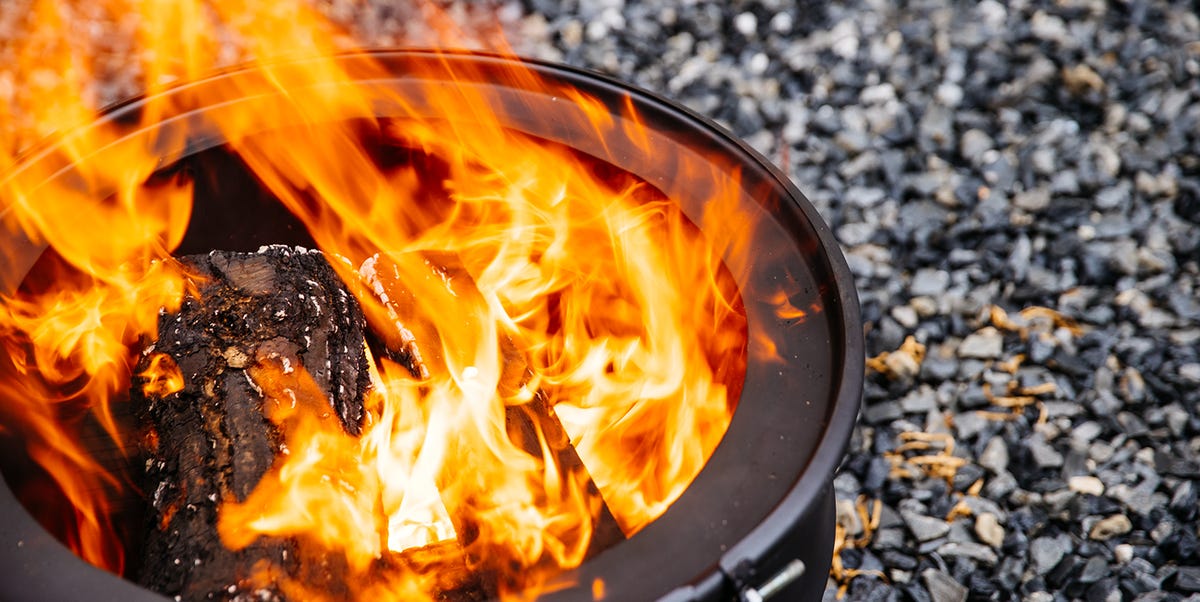
There is a special kind of backyard frustration that begins with a beautiful fire, a plate of snacks, and one innocent puff of smoke. Five minutes later, everyone has changed chairs three times, your hoodie smells like a campground, and the person who brought contact lenses is quietly reconsidering every life choice that led them here.
Smokeless fire pits promise a better version of the classic campfire: real flames, real warmth, fewer watery eyes, and far less “Why is the smoke following me?” energy. They are not magic, despite what some marketing photos might suggest. Wood still burns, smoke can still appear during startup, and damp logs can turn even a premium fire pit into a moody little chimney. But when used properly, a good smokeless fire pit can noticeably reduce the smoke that escapes into your patio hangout.
The secret is not fancy fire wizardry. It is airflow, heat, and a process called secondary combustion. Once you understand those three pieces, you can make smarter choices about fire pit size, fuel, setup, cleaning, and whether a smokeless model is worth the money for your backyard.
What Is a Smokeless Fire Pit?
A smokeless fire pit is an outdoor fire pit designed to burn wood, pellets, charcoal, or gas more efficiently than a traditional open fire bowl. Most wood-burning models use a double-wall structure with vents near the bottom and holes around the upper inside edge.
Those openings guide air through the fire pit in a very specific way. Cooler air enters near the bottom, travels through the walls, heats up, and then returns near the top of the flames. That extra hot oxygen helps ignite some of the smoke and gases that would otherwise drift directly into the air.
The result is not “zero molecules of smoke ever.” A more honest description is low-smoke fire pit. Once the fire reaches the right temperature, a quality model can produce dramatically less visible smoke than a standard steel bowl or stone fire ring.
That difference matters for comfort, clothing, cleanup, and neighbors who may not appreciate a surprise campfire aroma floating through their open bedroom window at 10:45 p.m.
Why Traditional Fire Pits Produce So Much Smoke
To understand how smokeless fire pits work, it helps to understand why ordinary fire pits can be so smoky in the first place.
Wood smoke is usually a sign of incomplete combustion. In plain English, the fire is not burning all available fuel as completely as it could. This often happens because the fire does not have enough oxygen, enough heat, or dry enough wood.
When wood burns, it releases heat, water vapor, gases, and tiny particles. If the fire stays hot and gets plenty of oxygen, more of those gases can burn inside the flames. If the fire is cool, starved of airflow, overloaded with wood, or fueled by wet logs, more partially burned material escapes as smoke.
Traditional fire bowls are simple: a metal basin, a pile of logs, and plenty of opportunities for smoke to choose its favorite guest. They often let heat escape quickly and do little to direct oxygen where it is most useful. A smokeless fire pit is engineered to manage that airflow instead of leaving everything to chance.
How Smokeless Fire Pits Work: The Four-Step Process
1. Air Enters Through Lower Vents
Most smokeless wood fire pits have intake holes near the base. Fresh air enters through these lower vents and feeds the fire from underneath. This creates a stronger, more consistent burn than a shallow fire bowl that depends mostly on air drifting over the top of the logs.
Think of it like opening the vents on a charcoal grill. More controlled oxygen helps the fuel burn hotter and more efficiently. In a smokeless fire pit, that lower airflow supports the primary fire, which is the main fire burning the wood.
2. Air Travels Between Double Walls
The outer wall and inner wall create a narrow chamber around the fire. As air moves upward through this space, the metal walls heat it. By the time the air reaches the top of the fire pit, it is much hotter than the air that entered at the bottom.
This is one reason smokeless fire pits often feel more engineered than ordinary backyard fire bowls. The double wall is not there just to look sleek in product photos. It is essentially an air-heating pathway.
3. Hot Oxygen Re-enters Near the Top
Near the top of the inner wall, a ring of small holes releases the heated air back into the fire. This is where the fun science happens. The hot oxygen mixes with smoke and combustible gases rising from the logs.
Because the air is already heated and the fire is already hot, some of those particles and gases ignite instead of floating away. You may even see small flames appear around the upper inner edge of the fire pit. That is not the pit showing off. It is the secondary burn doing its job.
4. Secondary Combustion Burns Off More Smoke
Secondary combustion is the reason these fire pits can reduce smoke so effectively. Instead of allowing all smoke to escape from the fire, the design gives that smoke another chance to burn.
This hotter, more complete burn can reduce visible smoke, leave behind finer ash, and make the fire feel more efficient. In many models, it also creates a focused flame that rises upward rather than rolling outward across the rim.
The practical benefit is simple: fewer surprise smoke clouds in your face while you are trying to roast a marshmallow with dignity.
Are Smokeless Fire Pits Really Smokeless?
Not completely. Anyone claiming a wood-burning fire pit produces absolutely no smoke is using a generous interpretation of the word “absolutely.”
Even excellent smokeless fire pits can smoke during ignition, especially before the walls heat up enough to start the secondary burn. You may also see smoke if you use wet wood, crowd the chamber with oversized logs, block the vent holes with ash, or let the fire die down into a low, oxygen-starved smolder.
Wind can also change the experience. A strong breeze may disturb the burn pattern, carry sparks farther than expected, or push smoke toward seating areas. Smokeless designs reduce smoke; they do not control weather, neighbors, or the friend who insists on tossing in a suspiciously damp log from the garden pile.
The best way to think about the category is this: a smokeless fire pit is a cleaner-burning fire pit, not an indoor air purifier with flames.
What Makes a Smokeless Fire Pit Work Well?
Dry, Seasoned Firewood
Fuel quality makes a huge difference. Dry, seasoned hardwood is usually the best choice for a clean fire. Oak, maple, hickory, and ash are popular options because they burn steadily and produce good heat.
Wet wood is the fastest route to frustration. Before wood can burn well, the fire has to boil off the moisture inside it. That steals heat from the combustion process and leads to more smoke. Firewood with a moisture content of about 20% or less generally burns more efficiently than green or damp wood.
Kiln-dried firewood is often a convenient option for backyard fires because it tends to light quickly and burn consistently. It costs more than random logs from a damp shed, but so does laundry detergent after everyone’s jackets absorb campfire smoke.
Correct Log Size
Smokeless fire pits have recommended log lengths for a reason. Logs that are too long can sit awkwardly across the chamber, interfere with airflow, or force you to leave the fire pit open in ways that reduce performance.
Use pieces that fit comfortably inside the burn chamber. Start with smaller kindling and medium splits, then add larger logs after the fire is established. A neat stack usually burns better than a chaotic wood tower built by someone who has watched exactly one survival show.
Clear Air Vents
Airflow is the entire point of the design, so clogged vents are bad news. Ash can gather around lower intake holes and reduce the flow of oxygen. Many smokeless fire pits include removable ash pans or easy-access bases to simplify cleanup.
Wait until the unit is completely cool before removing ash. Then empty it regularly, especially if you use the fire pit often. A little maintenance can make a surprisingly big difference in smoke reduction and fire-starting speed.
Enough Time to Heat Up
Smokeless performance improves after the fire pit reaches operating temperature. During the first several minutes, smoke is normal. Once the walls become hot and the secondary burn starts, the fire should look cleaner and more active.
This is why many first-time users assume their fire pit is not working. They light a fire, see smoke for five minutes, and begin drafting a strongly worded review. Give the system time. The double-wall design cannot preheat itself through positive thinking.
Wood, Pellets, Charcoal, Propane, and Natural Gas: Which Fuel Is Best?
The fuel type changes the experience almost as much as the fire pit design.
Wood-Burning Smokeless Fire Pits
Wood-burning models deliver the classic campfire experience: crackling logs, bright flames, radiant heat, and the satisfying ritual of building a fire. They can become very hot and often provide the strongest traditional campfire atmosphere.
The tradeoff is that wood requires more attention. You need dry logs, proper loading, ash cleanup, safe storage, and local permission to burn. Even with a low-smoke design, wood fires still create emissions and should be used responsibly.
Pellet Fire Pits
Some fire pits burn hardwood pellets. Pellets can provide a fairly consistent flame and may create less mess than split logs. They are convenient for people who do not want to stack firewood or guess whether a log has been seasoning since the last presidential administration.
However, pellets burn through more quickly than large logs, and not every wood fire pit can safely use them without a compatible adapter or manufacturer approval. Always follow the product instructions.
Charcoal Fire Pits
Charcoal is more common for grilling than for casual fire-pit ambiance, but some fire pit designs can use it. Charcoal can provide steady heat and useful cooking performance, though it does not create the same tall flames as wood.
Use only fuels recommended by the manufacturer. Do not improvise with treated lumber, construction scraps, painted wood, trash, plastic, or mystery materials found in the garage. A good campfire should smell like wood, not like a chemistry lab making regret.
Propane and Natural Gas Fire Pits
Gas fire pits are the closest thing to truly smoke-free outdoor flames. They do not create wood smoke, do not require ash cleanup, and start with the twist of a control knob. They are excellent for patios where convenience matters more than crackling logs.
On the other hand, gas fire pits do not provide the same wood-fire aroma, cooking potential, or primal satisfaction of feeding logs into a flame. They are a little like electric guitars: extremely useful, very polished, and still unlikely to convince every campfire traditionalist.
Do Smokeless Fire Pits Give Off Enough Heat?
Usually, yes, but heat distribution can feel different from a wide, open fire bowl.
Smokeless fire pits often direct flames upward, which can make them feel intensely warm when you are close but less effective at throwing heat sideways across a large seating circle. The smaller the fire pit, the more this matters.
For a group of two to four people, a compact smokeless pit can feel cozy and efficient. For a large backyard gathering, a wider model may be more comfortable because more people can sit near the heat without forming a human traffic circle around one lucky warm seat.
Accessories can also affect the experience. Heat deflectors may push warmth outward, while surrounds and spark screens can improve comfort or safety depending on the model. Just remember that accessories may change airflow, so use products designed for your specific fire pit whenever possible.
Smokeless Fire Pit Safety Basics
A smokeless fire pit is still an open fire. Less smoke does not mean less responsibility.
Place the fire pit on a stable, level, noncombustible surface such as concrete, stone, or gravel. Keep it well away from the house, fences, overhangs, outdoor furniture, dry plants, and anything else that would react poorly to being introduced to flames.
Do not use a wood-burning fire pit beneath a covered porch, low tree branches, pergola, awning, or enclosed patio. Keep children and pets supervised, and never leave an active fire unattended.
Check local burn restrictions before lighting any outdoor fire. Fire bans can apply even if your fire pit has “smokeless” in the name, because the risk comes from sparks, embers, wind, and dry conditionsnot merely from visible smoke.
Keep water, sand, or an appropriate fire extinguisher nearby. Use long-handled tools and heat-resistant gloves when adjusting logs. When you are finished, let the fire burn down safely according to the manufacturer’s directions, then allow the fire pit to cool completely before touching, moving, covering, or cleaning it.
Common Smokeless Fire Pit Mistakes
Starting With a Huge Pile of Logs
More wood does not automatically mean more fun. Overloading the chamber can limit airflow and cause smoke to build before the secondary burn has a chance to work. Start smaller, then add fuel gradually.
Using Damp or Fresh-Cut Wood
Wet wood is the sworn enemy of low-smoke performance. It hisses, struggles, smolders, and makes every fire pit look less capable than it really is.
Ignoring Ash Buildup
Ash can block lower vents and reduce combustion efficiency. Empty the ash pan or base after the unit is fully cool.
Placing It Too Close to Seating
Smokeless fire pits can get extremely hot. The sidewalls, base, and nearby surfaces may stay hot long after the flames disappear. Give guests room to move safely and keep chairs at a reasonable distance.
Assuming “Smokeless” Means “Safe Anywhere”
It does not. A low-smoke fire pit still needs clearance, supervision, weather awareness, and respect for local fire rules.
Are Smokeless Fire Pits Worth It?
A smokeless fire pit is worth considering if you enjoy outdoor fires but dislike the smoke, smell, ash clouds, and constant chair-shuffling of a traditional fire bowl. It can make backyard gatherings more comfortable, especially in smaller spaces where smoke has nowhere polite to go.
These fire pits are often more expensive than basic steel bowls, and they are not always the best choice for every situation. A simple fire ring may be enough for occasional camping. A propane fire table may be better for quick weeknight use. A large smokeless wood fire pit makes sense for people who genuinely want the ritual of a real fire but want a cleaner, more controlled experience.
The key is matching the fire pit to your habits. Buy for the evenings you actually have, not the cinematic backyard life you imagine after looking at patio inspiration photos for forty minutes.
Our Real-World Smokeless Fire Pit Experience: What Actually Matters After the First Fire
After spending time around a range of smokeless fire pit styles, the biggest lesson is that the difference between “impressive” and “why is this smoking like a tire fire?” usually comes down to setup. The fire pit matters, but your fuel and technique matter just as much.
On a good night, the experience is genuinely better than a standard fire bowl. The fire starts with a little smoke, the flames catch, and then the upper vents begin doing their work. The smoke drops dramatically, people stop rotating their chairs every 30 seconds, and the conversation can continue without someone waving a paper plate in front of their face like they are landing an airplane.
The first surprise is how much hotter these pits can feel near the burn chamber. Smokeless designs often create a strong vertical flame, and standing too close can feel like opening an oven door with ambition. That concentrated heat is excellent for roasting marshmallows and heating hands, but it also means seating needs a little more planning. A fire pit that looks compact on a product page can still demand a generous safety circle in real life.
The second surprise is startup smoke. Even premium low-smoke fire pits are not instantly smokeless the moment a match touches kindling. Fresh wood needs time to catch. The metal walls need time to heat. The secondary burn needs a hot fire to work with. Expect some smoke in the beginning, especially on cool or damp evenings. The smart move is to light the fire 10 to 15 minutes before guests settle in, rather than inviting everyone outside for the awkward “please ignore the smoke for a moment” phase.
Fuel makes or breaks the experience. Dry hardwood splits consistently produce the cleanest results. Damp logs, bargain-bin mystery wood, and chunks that have been sitting in the rain can overwhelm the airflow system. A well-designed fire pit cannot transform soggy wood into perfect fuel any more than a luxury blender can make a rock into a smoothie.
Log arrangement matters, too. A loose, breathable stack usually performs better than tightly packed wood. Start with tinder and kindling, add a few medium splits, and wait until there is a stable bed of coals before adding larger pieces. Once the fire is rolling, resist the urge to constantly poke and rearrange it. Every unnecessary adjustment can disrupt airflow and send a little smoke back into the party.
Cleanup is usually easier than with a basic fire ring. Efficient combustion often leaves lighter, finer ash, and removable ash pans are more convenient than digging through a cold metal bowl the next morning. Still, stainless steel models will discolor with heat. This is normal. A smokeless fire pit is an outdoor appliance, not a museum sculpture. The bronze, blue, and brown heat marks are basically its résumé.
One final real-world truth: smokeless fire pits improve the social side of a fire more than the dramatic side. The flame is still beautiful, the marshmallows still get toasted, and someone will still burn one into a tiny charcoal meteor. But when the smoke stays low, people linger longer. They do not rush indoors to wash their hair. They do not spend the next day wondering why every blanket on the patio smells like a campsite. That is where the value shows up.
For anyone who loves a wood fire but hates the smoke chase, a properly used smokeless fire pit can feel like a small backyard upgrade with an outsized payoff. It is not smoke-free perfection. It is simply a smarter fire.