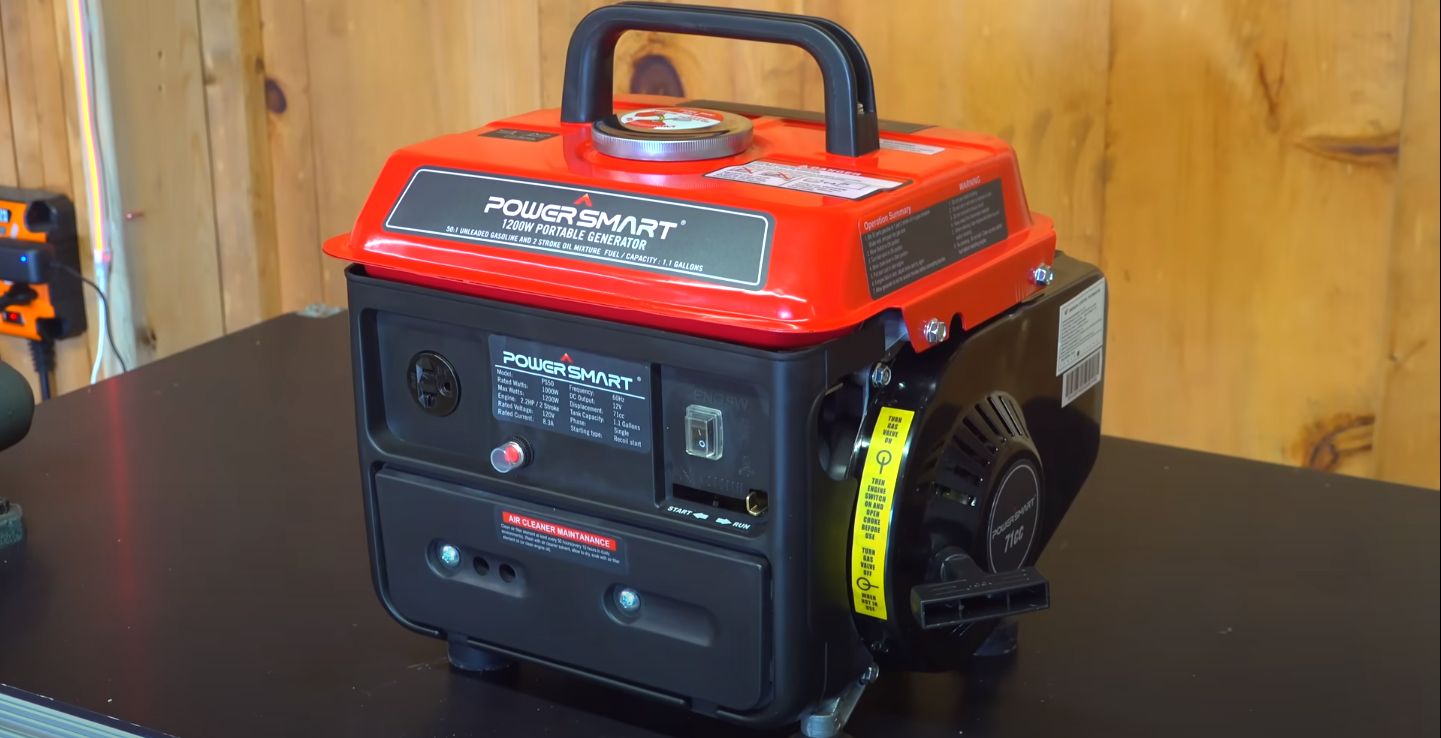
The cheapest generator on Amazon sounds like the kind of purchase made at 1:17 a.m. during a storm warning, when the lights flicker, the fridge hums ominously, and your brain whispers, “Surely this $120 miracle box can power the whole house.” It cannot. But that does not mean the cheapest generator is useless. It simply means you need to understand what it is, what it is not, and why “portable generator” can mean anything from a tiny camping helper to a roaring metal beast capable of feeding half your breaker panel.
In the bargain basement of Amazon generator listings, you will usually find small gasoline generators in the 1,000 to 1,250 starting-watt range. Some are simple open-frame, two-stroke units. Others are small inverter generators from budget-friendly brands. They are compact, affordable, and tempting. They are also limited, noisy in some cases, and definitely not a replacement for a professionally installed home standby generator.
So, how good is the cheapest generator on Amazon? The honest answer: good enough for light-duty power, camping, basic tools, phone charging, lights, fans, and maybe carefully selected emergency essentials. Bad for whole-home backup, big appliances, central air, electric heaters, dryers, well pumps, and anyone who thinks “starting watts” means “run everything forever watts.”
What Counts as the Cheapest Generator on Amazon?
Amazon prices change constantly, so naming one forever-cheapest model would be like declaring the “fastest checkout line” at Walmart. Brave, but doomed. However, the cheapest gas generators on Amazon usually fall into a familiar category: compact portable generators with around 800 to 1,000 running watts and about 1,000 to 1,250 starting watts.
Models in this range often include small gasoline engines, recoil pull-start systems, one or two 120V outlets, basic overload protection, and a fuel tank around one gallon or less. Some budget units use two-stroke engines, which require a gasoline-oil mix. Slightly more expensive small inverter generators, such as entry-level WEN-style 1,250W models, are typically quieter, cleaner for sensitive electronics, and more refined overall.
Cheap Generator vs. Cheap Inverter Generator
A traditional cheap portable generator makes electricity in a simpler way and often runs at a constant engine speed. It can be louder and may produce less stable power. A cheap inverter generator adds electronics that convert power into cleaner, steadier current. That matters if you want to charge phones, laptops, camera batteries, routers, or other sensitive devices without feeling like you are gambling with your electronics.
In plain English: a cheap generator is like a basic pickup truck. A cheap inverter generator is like the same truck after someone added better suspension, quieter tires, and a cup holder that does not judge your gas-station coffee.
What Can the Cheapest Generator Actually Power?
A small 1,000W generator is best for modest loads. Think practical, not heroic. It can usually handle LED lights, phone chargers, a laptop, a box fan, a small TV, a Wi-Fi router, or a compact tool. It may also run a small refrigerator under the right conditions, but this is where things get tricky.
Many appliances have two wattage numbers: running watts and starting watts. Running watts are what the device needs once it is already operating. Starting watts are the brief surge needed to start motors and compressors. A refrigerator may run at a few hundred watts but briefly demand much more when the compressor kicks on. That surge can trip a tiny generator if it is already powering other devices.
A Realistic Example
Let’s say you plug in a phone charger, two LED lamps, a Wi-Fi router, and a small fan. A budget generator should handle that comfortably. Add a refrigerator, and now you need to pay attention. Add a microwave, coffee maker, electric space heater, or hair dryer, and the generator may wave a tiny white flag before shutting down.
High-heat appliances are the budget generator’s natural enemy. Coffee makers, toasters, electric kettles, hot plates, and space heaters can pull 1,000 watts or more by themselves. A cheap generator does not enjoy being asked to power breakfast, climate control, and civilization all at once.
Performance: Surprisingly Useful, But Not Magical
The best thing about the cheapest generator on Amazon is that it can provide real electricity when you need it. During a short outage, camping trip, tailgate, outdoor project, or backyard work session, that small output can feel like a luxury. Running a few essentials beats sitting in the dark while your phone battery drops to 3% and everyone suddenly remembers they “meant to buy flashlights.”
However, performance depends heavily on expectations. If you expect a budget generator to run a refrigerator, a few lights, and chargers one at a time, you may be pleased. If you expect it to power your HVAC system, freezer, microwave, gaming PC, and emotional support espresso machine, disappointment will arrive quickly.
Noise Level
Cheap open-frame generators are usually louder than small inverter generators. Some budget models can sound like a lawn mower attending a metal concert. That may be acceptable on a job site, but less charming at a campground where your neighbors came to hear birds, not your bargain engine coughing through the evening.
Inverter models are usually quieter because they can adjust engine speed based on load. A small inverter generator can be much more neighbor-friendly, though it usually costs more than the absolute cheapest option.
Fuel Efficiency
Small generators do not use much fuel compared with large portable units, but fuel efficiency varies. A tiny generator running light loads can stretch a small tank for several hours. At heavier loads, runtime drops. Manufacturers often advertise runtime at 25% or 50% load, so real-world use may be shorter if you push the unit hard.
This is one reason it is smart to buy more generator than your bare-minimum wattage calculation suggests. Running a generator at its limit for long periods is not ideal. It is louder, less efficient, and harder on the machine.
Build Quality: Where the Low Price Shows
Budget generators are affordable because something had to give. That may mean fewer outlets, a smaller fuel tank, basic wheels or no wheels at all, thinner frames, simpler mufflers, less refined voltage control, or limited long-term durability. None of that automatically makes a cheap generator bad. It just means you should not expect champagne performance from a machine priced like a used lawn chair.
Look closely at the listing details. Check running watts, starting watts, engine type, fuel requirements, outlet types, noise rating, weight, warranty, return policy, and whether replacement parts are available. If the brand has no clear support information, no manual, and product photos that look like they were taken during an earthquake, proceed carefully.
Two-Stroke vs. Four-Stroke Engines
Some of the cheapest generators use two-stroke engines. These can be lightweight and simple, but they usually require mixing oil with gasoline. That adds maintenance hassle and can produce more smoke and smell than a four-stroke engine. Four-stroke generators are often cleaner, more familiar to homeowners, and easier to fuel because they use gasoline without oil mixing.
If you only need occasional emergency power, a four-stroke budget inverter generator may be worth the higher price. If you simply need the lowest possible cost for basic outdoor power, a small two-stroke unit may do the job, provided you understand its limitations.
Safety: The Part Nobody Should Skip
Portable generators can be useful, but they can also be dangerous when used incorrectly. Gas-powered generators produce carbon monoxide, an invisible and odorless gas that can kill without warning. Never run a generator inside a home, garage, shed, basement, crawlspace, tent, porch, or near open windows and doors. Outdoor use is not optional. It is the entire safety plan.
Place the generator far away from living spaces, point the exhaust away from people and buildings, and use working carbon monoxide alarms inside the home. Also avoid “backfeeding,” which means plugging a generator into a wall outlet to power house wiring. That practice can injure utility workers, damage electrical systems, and create serious fire and shock hazards. If you want a generator connected to home circuits, use a properly installed transfer switch or interlock installed by a qualified professional.
Extension Cord Reality Check
Use heavy-duty outdoor-rated extension cords that match the load. Thin indoor cords are a bad idea. They can overheat, waste power, and create hazards. If the cord feels warm, the setup is wrong. Cheap generators already have enough personality; do not add spicy wiring to the plot.
Pros of Buying the Cheapest Generator on Amazon
The biggest advantage is obvious: price. A small generator can cost far less than a large portable generator or standby system. It is also easier to store, easier to move, and simpler to use for light loads. For camping, tailgating, small tools, charging electronics, or keeping a fan running during a brief outage, the cheapest generator may be perfectly adequate.
Another benefit is availability. Amazon often has many low-cost models with fast shipping, user reviews, Q&A sections, and easy comparison. You can quickly see complaints about noise, startup problems, missing parts, or inaccurate wattage claims.
Cons of Buying the Cheapest Generator on Amazon
The main disadvantage is limited power. A 1,000W generator is not a home backup solution. It is an emergency helper. You also may get more noise, fewer safety features, shorter warranties, less refined power output, and weaker customer support.
Some ultra-cheap listings may use optimistic marketing language. “Portable power for home emergency use” can sound impressive, but the wattage tells the real story. If the generator has 900 running watts, it has 900 running watts. Marketing cannot lift a refrigerator compressor.
Who Should Buy the Cheapest Generator?
The cheapest generator on Amazon makes sense for people who need occasional, low-demand power. It is a reasonable option for campers, tailgaters, DIY users, renters with limited storage, or homeowners who only want to run small essentials during brief outages.
It is not ideal for people who need dependable whole-home backup, medical equipment support, sump pump security, well pump operation, central heating systems, or large appliance coverage. In those cases, buying too small can be worse than buying nothing, because it creates false confidence.
What to Look for Before Buying
1. Running Watts, Not Just Starting Watts
Starting watts are temporary. Running watts are what you actually live with. Prioritize running watt capacity when comparing models.
2. Inverter Output
If you plan to charge sensitive electronics, consider an inverter generator. Clean power is worth paying for when laptops and phones are involved.
3. Carbon Monoxide Safety Features
Some generators include carbon monoxide shutoff technology. That does not make indoor use safe, but it adds an important layer of protection.
4. Noise Rating
If you will use the generator near neighbors, campsites, or family gatherings, noise matters. A loud generator can turn a peaceful weekend into a group character test.
5. Warranty and Parts
Choose a model with a real manual, clear warranty, and accessible customer support. Saving money upfront is less exciting if a small replacement part becomes impossible to find.
My Practical Verdict
The cheapest generator on Amazon is good if you understand its job. It is not a hero. It is not a whole-home backup system. It is not going to run your central air, cook Thanksgiving dinner, and keep the garage freezer happy while politely sipping fuel. But for basic power, it can be genuinely useful.
The sweet spot is light-duty emergency and outdoor use: charging devices, powering lights, running a fan, keeping a small TV alive, supporting a few tools, or possibly helping with a refrigerator if loads are managed carefully. For more serious backup needs, step up to a 2,000W inverter generator at minimum, or consider a larger 3,500W to 7,500W portable generator depending on your home’s essentials.
Extra Experience: What Using the Cheapest Generator Feels Like in Real Life
The first thing you notice with a bargain generator is that the box is smaller than expected. That is exciting for about twelve seconds. Then you lift it and realize it is still an engine, not a lunchbox. Most small generators are portable, but “portable” usually means one adult can carry it without inventing new swear words, not that you want to stroll around the yard with it like a handbag.
Setup is usually simple, but the manual matters. Budget generators are not always polished. The instructions may be brief, the diagrams may look like they were printed during a thunderstorm, and the included tools may feel like they came from a toy repair kit. Still, if you read carefully, add the correct fuel, check oil requirements, and follow the startup steps, most small generators are not complicated.
Pull-starting can be funny the first time and less funny the fourth time. A well-tuned small generator should start after a few pulls. If it does not, common causes include old fuel, incorrect choke position, low oil, overloaded outlets, or user impatience. User impatience is a surprisingly common mechanical condition.
Once running, the sound tells you what category you bought. A cheap open-frame generator has a raw mechanical note. It works, but it is not subtle. You may find yourself placing it farther away just for sanity, which is good for safety anyway. A cheap inverter generator feels more civilized. It still makes noise, but the tone is usually less aggressive, especially under lighter loads.
Load management becomes a game. You plug in a lamp: fine. Phone charger: fine. Fan: fine. Then you try a coffee maker and the generator suddenly develops opinions. This is where you learn that watts are not theoretical. A small generator teaches electrical budgeting better than any spreadsheet. You start asking, “Do I need hot coffee or cold food?” Congratulations, you are now living the generator lifestyle.
For short outages, a small generator can feel like a lifesaver. Keeping phones charged, running a fan, and powering a few lights changes the mood of a powerless house. Instead of everyone wandering around with flashlights like confused raccoons, you have basic comfort. That is the real value of the cheapest generator: not luxury, but relief.
For long outages, the limitations become obvious. You must think about fuel storage, noise, weather protection, runtime, and what truly matters. A small generator forces priorities. Refrigerator first. Communication second. Comfort third. Entertainment somewhere after “do we have enough extension cord?”
The best experience comes from testing the generator before an emergency. Do not wait for a blackout to discover that your extension cord is too short, your fuel can is empty, or your generator cannot start your appliance. A calm Saturday test run is much better than a storm-night panic session starring rain, darkness, and one very smug instruction manual.
Overall, living with the cheapest generator is a lesson in realistic expectations. It is not glamorous. It will not impress your electrician. It may not be quiet, beautiful, or feature-packed. But when used safely and within its limits, it can be a smart little backup tool. Think of it as the economy seat of emergency power: cramped, noisy, and not luxurious, but still much better than walking.
Conclusion
The cheapest generator on Amazon can be a good buy, but only for the right person and the right job. It is best for light-duty power, outdoor use, camping, small tools, charging electronics, lights, and carefully managed emergency essentials. It is not a whole-house solution, and it should never be used indoors or connected to home wiring without proper professional equipment.
If your goal is basic backup power on a tight budget, a small generator can make sense. If your goal is serious storm readiness, choose a larger generator with more running watts, better safety features, lower noise, and stronger support. Cheap power is useful. Misunderstood cheap power is where problems begin.