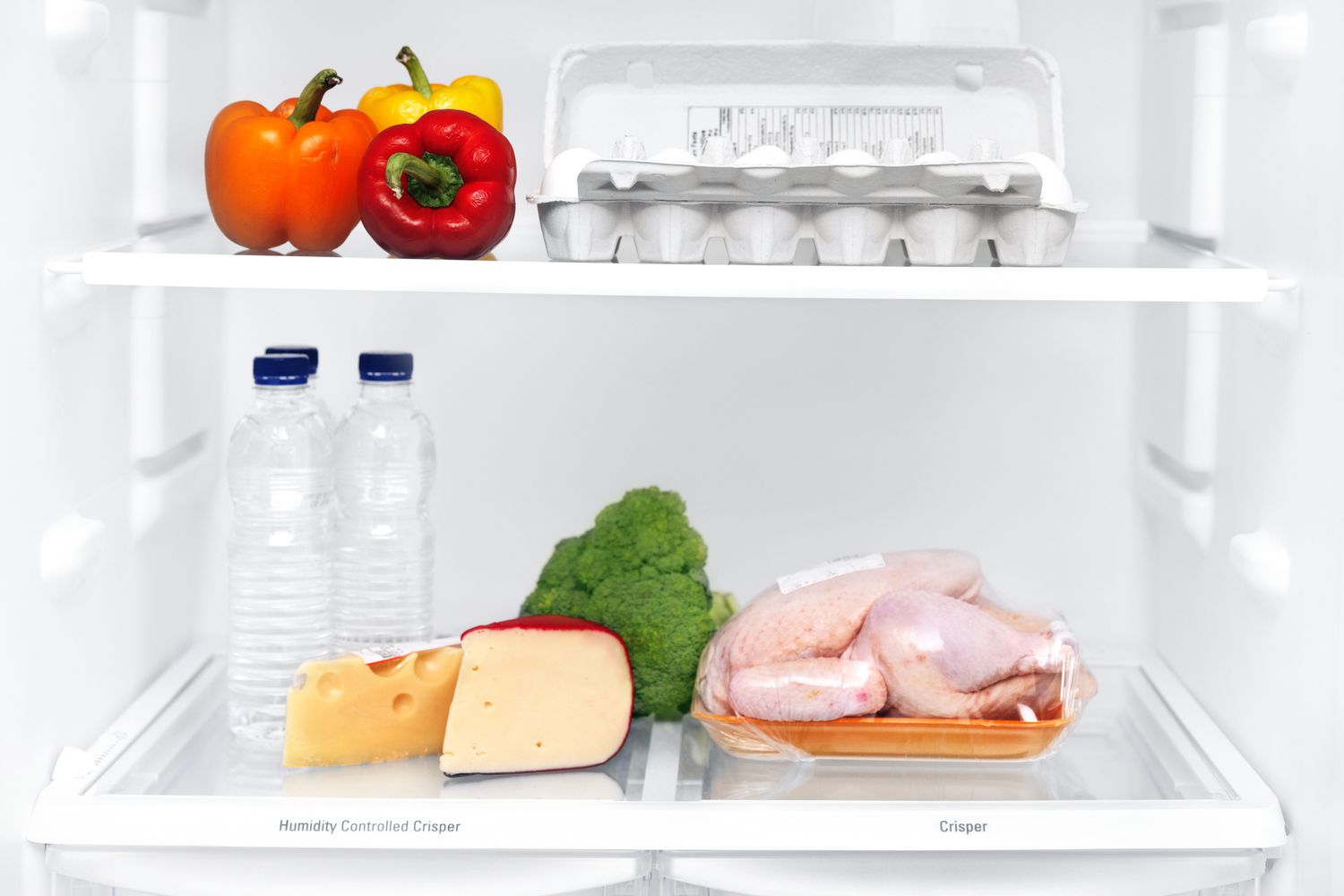
Raw chicken is one of those foods that can make a home cook feel suddenly philosophical. You buy it with good intentions, slide it into the refrigerator, and then life happens. A meeting runs late. Dinner becomes cereal. The chicken sits there, quietly judging you from the bottom shelf. So, how long can raw chicken stay in the fridge or freezer without going bad?
The quick answer is simple: raw chicken can stay in the refrigerator for 1 to 2 days when kept at 40°F or below. In the freezer at 0°F or below, it remains safe much longer, although quality is best when used within recommended time limits: about 1 year for a whole chicken, 9 months for chicken pieces, and 3 to 4 months for ground chicken or giblets.
But chicken safety is not only about counting days. It is also about temperature, packaging, thawing, cross-contamination, and whether the chicken has started sending distress signals through smell, color, or texture. This guide explains the practical rules clearly, so you can protect your dinner, your grocery budget, and your digestive system.
How Long Can Raw Chicken Stay in the Fridge?
Raw chicken should be cooked or frozen within 1 to 2 days of being refrigerated. This applies to whole chickens, breasts, thighs, drumsticks, wings, tenders, and ground chicken. The refrigerator should be kept at 40°F or below, because cold temperatures slow bacterial growth.
Notice the word “slow.” Refrigeration does not stop bacteria completely. Raw chicken can carry germs such as Salmonella, Campylobacter, and Clostridium perfringens. These bacteria may not change the way the chicken looks or smells right away, which is why relying only on the sniff test is a risky little kitchen gamble.
Does the “Sell By” or “Use By” Date Matter?
Package dates can be helpful, but they are not magic shields. A “sell by” date is mainly for store inventory. A “use by” date can help with quality, but once you bring raw chicken home, your safe storage clock still matters. If the chicken has been sitting in your refrigerator for more than 2 days, the safest move is to cook it immediately if it still appears freshor throw it out if there is any doubt.
A good rule: if you know you will not cook raw chicken within 1 to 2 days, freeze it right away. Your future self will thank you, especially on a Tuesday night when dinner inspiration is running on fumes.
How Long Can Raw Chicken Stay in the Freezer?
Raw chicken stored continuously at 0°F or below can remain safe indefinitely from a food-safety standpoint. However, “safe” and “delicious” are not always roommates. Over time, frozen chicken can lose moisture, develop freezer burn, and take on a dull, dry texture.
For best quality, use frozen raw chicken within these time frames:
| Type of Raw Chicken | Refrigerator Time at 40°F or Below | Best Freezer Quality at 0°F or Below |
|---|---|---|
| Whole chicken | 1 to 2 days | Up to 1 year |
| Chicken pieces, such as breasts, thighs, wings, or drumsticks | 1 to 2 days | About 9 months |
| Ground chicken | 1 to 2 days | 3 to 4 months |
| Giblets | 1 to 2 days | 3 to 4 months |
How to Tell If Raw Chicken Has Gone Bad
Raw chicken does not need to look like a science experiment before it becomes unsafe. Still, there are several clear warning signs that chicken should go straight to the trash.
1. It Smells Sour, Rotten, or Unpleasant
Fresh raw chicken has a mild smell. Spoiled chicken often smells sour, rancid, sulfur-like, or just aggressively wrong. If opening the package makes you take two steps backward, do not negotiate with it. Throw it away.
2. The Texture Feels Slimy or Sticky
Raw chicken should feel moist, not slick like it has been dipped in mystery gel. A sticky, tacky, or slimy coating is a common spoilage sign. Rinsing it off does not make it safe; it only spreads raw chicken juices around your sink like a bacteria sprinkler.
3. The Color Has Changed
Fresh chicken is usually pale pink. If it turns gray, greenish, yellowish, or unusually dull, that can signal spoilage. Slight color variation can happen naturally, but strong discoloration combined with odor or slime is a clear no.
4. The Package Is Leaking or Bloated
Leaking packages increase the risk of cross-contamination in your refrigerator. A swollen package may also suggest gas buildup. Either way, be cautious. If the chicken has leaked onto other foods, clean the area thoroughly and discard any ready-to-eat food that touched raw juices.
Where Should Raw Chicken Go in the Fridge?
Store raw chicken on the bottom shelf of the refrigerator, ideally in a sealed container, tray, or leak-proof bag. This keeps juices from dripping onto lettuce, fruit, leftovers, or anything else you plan to eat without cooking. Raw chicken juice is not a salad dressing. It is a food-safety problem.
Keep chicken in its original packaging if you will cook it within a day or two. If the package is loose or leaking, place it inside a sealed container or zip-top bag. Labeling the package with the purchase date is also smart, especially if your refrigerator is where leftovers go to become historical artifacts.
How to Freeze Raw Chicken the Right Way
If you freeze chicken in its flimsy store packaging for a short time, it can work. But for longer storage, overwrap it. Air is the enemy of frozen quality. Too much air exposure leads to freezer burn, dry patches, and that sad texture that makes chicken taste like it once had dreams.
Best Freezer Packaging Tips
For better quality, divide chicken into meal-sized portions before freezing. Wrap tightly in freezer paper, heavy-duty foil, plastic wrap, or a freezer-safe bag. Press out as much air as possible before sealing. Vacuum sealing is excellent if you have the equipment, but a regular freezer bag with the air pressed out can still do a solid job.
Label each package with the date and cut of chicken. “Mystery meat, possibly February” is not a meal plan. Flat packages also freeze faster and stack more neatly, saving space and reducing thawing time later.
Can You Refreeze Raw Chicken?
Yes, but only under the right conditions. If raw chicken was thawed safely in the refrigerator and stayed cold, it can usually be refrozen, although the texture may suffer. Freezing, thawing, and refreezing can squeeze out moisture, making chicken drier when cooked.
If chicken was thawed in cold water or in the microwave, cook it immediately before refreezing. Do not thaw raw chicken on the counter, then refreeze it. That is not meal prep; that is inviting bacteria to a buffet.
Safe Ways to Thaw Frozen Chicken
The safest way to thaw frozen chicken is in the refrigerator. Place it on a tray or in a container on the bottom shelf and let it thaw slowly. Boneless pieces may thaw overnight, while a whole chicken can take a day or two.
Refrigerator Thawing
This is the best method for safety and texture. Once raw chicken has thawed in the refrigerator, cook it within the next day or two. Keep it covered and away from ready-to-eat foods.
Cold Water Thawing
For faster thawing, place chicken in a leak-proof bag and submerge it in cold water. Change the water every 30 minutes. Cook the chicken immediately after it thaws because the surface may warm faster than the center.
Microwave Thawing
Microwave thawing is fast but uneven. Some parts of the chicken may begin to warm or partially cook. If you use this method, cook the chicken immediately after thawing.
Cooking From Frozen
You can cook chicken from frozen, but it will take longer. Use a food thermometer to confirm the thickest part reaches 165°F. Do not rely on color alone. Chicken can look done before it is safely cooked, and nobody wants medium-rare poultry drama.
Common Raw Chicken Storage Mistakes
Leaving Chicken in the Grocery Bag Too Long
Raw chicken should be refrigerated or frozen promptly. If you have a long drive from the store, especially in warm weather, use an insulated bag or cooler. Perishable foods should not sit out for more than 2 hours, and that window shrinks to 1 hour when temperatures are above 90°F.
Washing Raw Chicken
Do not wash raw chicken. Washing does not remove all bacteria, and it can splash contaminated water onto counters, utensils, nearby dishes, and your sink. Cooking chicken to 165°F is what makes it safe.
Storing Chicken Above Ready-to-Eat Foods
Raw chicken belongs below foods like fruit, salad, cooked rice, cheese, and leftovers. If raw juices drip onto ready-to-eat foods, those foods may become unsafe unless they are cooked thoroughly afterward.
Freezing Chicken in One Giant Clump
Freezing six chicken breasts together may seem efficient until you need only two and end up chiseling them apart like a culinary archaeologist. Freeze pieces separately or in meal-sized portions.
Frequently Asked Questions About Raw Chicken Storage
Can raw chicken last 3 days in the fridge?
It is not recommended. Raw chicken should be cooked or frozen within 1 to 2 days when refrigerated at 40°F or below. After 3 days, the risk increases, even if it still looks normal.
Can I eat chicken that smells fine after 4 days in the fridge?
No. Smell is not a reliable safety test. Some harmful bacteria do not create obvious spoilage odors. If raw chicken has been refrigerated for 4 days, discard it.
Is frozen chicken bad if it has freezer burn?
Freezer burn usually affects quality, not safety, as long as the chicken stayed frozen at 0°F or below. You can trim dry spots before cooking, but the texture and flavor may be disappointing.
Can I marinate raw chicken for several days?
Raw chicken should still follow the 1-to-2-day refrigerator rule, even in marinade. Always marinate chicken in the refrigerator, never on the counter.
How long does cooked chicken last in the fridge?
Cooked chicken usually lasts 3 to 4 days in the refrigerator when stored in an airtight container at 40°F or below. This is longer than raw chicken, but it is still not forever.
Practical Experience Notes: What Real Kitchens Teach About Raw Chicken
In everyday cooking, raw chicken storage becomes less confusing when you build a simple habit: decide its future the day you bring it home. Is it for tonight or tomorrow? Put it on the bottom shelf of the fridge. Is it for later in the week? Freeze it immediately. That one decision prevents most of the “Is this still good?” panic that happens while standing in front of the refrigerator at 6:12 p.m.
One common home-cooking scenario looks like this: you buy a family pack of chicken breasts because the price is great. The package is large, slippery, and optimistic. You think, “I’ll cook all of this soon.” Then the week gets busy. By the third day, the chicken is still there, and now dinner comes with a side of doubt. A better approach is to open the package as soon as you get home, divide the chicken into smaller portions, place two pieces in the fridge for tomorrow, and freeze the rest in labeled bags. It takes 10 minutes and saves money, waste, and stress.
Another helpful experience is learning that freezer organization matters. Chicken tossed randomly into the freezer tends to disappear behind vegetables, ice packs, and that one frozen banana nobody wants to discuss. Use a marker and write the date clearly. Stack older chicken toward the front. If you freeze pieces flat, they thaw faster and fit better. Small habits make your freezer feel less like a frozen junk drawer.
Thawing is another place where real life tempts people into shortcuts. The counter seems convenient, especially when the chicken is rock-solid and dinner is only two hours away. But countertop thawing lets the outside warm while the inside remains frozen. That creates a risky temperature zone before cooking even begins. The refrigerator method takes planning, but it is the calmest and safest. If you forget, use the cold-water method in a sealed bag and cook the chicken immediately after thawing.
It also helps to trust your calendar more than your nose. Many cooks have opened chicken after several days, smelled nothing strange, and assumed it was fine. The problem is that foodborne bacteria are not always polite enough to announce themselves with a stink cloud. Dating packages removes the guesswork. A small piece of tape or a freezer label can be the difference between confident cooking and suspicious sniffing.
Finally, remember that throwing out questionable chicken is not wasteful when the alternative is getting sick. Food waste feels bad, but food poisoning feels much worse. The most budget-friendly chicken is the chicken you store correctly from the start. Buy it cold, get it home quickly, refrigerate it for only 1 to 2 days, freeze what you will not use, thaw it safely, and cook it to 165°F. That is the whole system, and thankfully, it is easier than assembling a weeknight casserole while hungry.
Conclusion
Raw chicken can stay in the fridge for 1 to 2 days without going bad when stored at 40°F or below. If you need more time, freeze it. In the freezer at 0°F or below, raw chicken stays safe much longer, with best quality around 1 year for whole chicken, 9 months for chicken pieces, and 3 to 4 months for ground chicken or giblets.
The smartest strategy is simple: refrigerate only what you will cook soon, freeze the rest early, label everything, and keep raw chicken away from ready-to-eat foods. If it smells bad, feels slimy, changes color, leaks heavily, or has been in the fridge too long, do not take a chance. When in doubt, throw it outand let the trash can be the hero of food safety.
Note: This article is for general food-safety education. People who are pregnant, older adults, young children, or anyone with a weakened immune system should be especially cautious with raw poultry and foodborne illness risks.