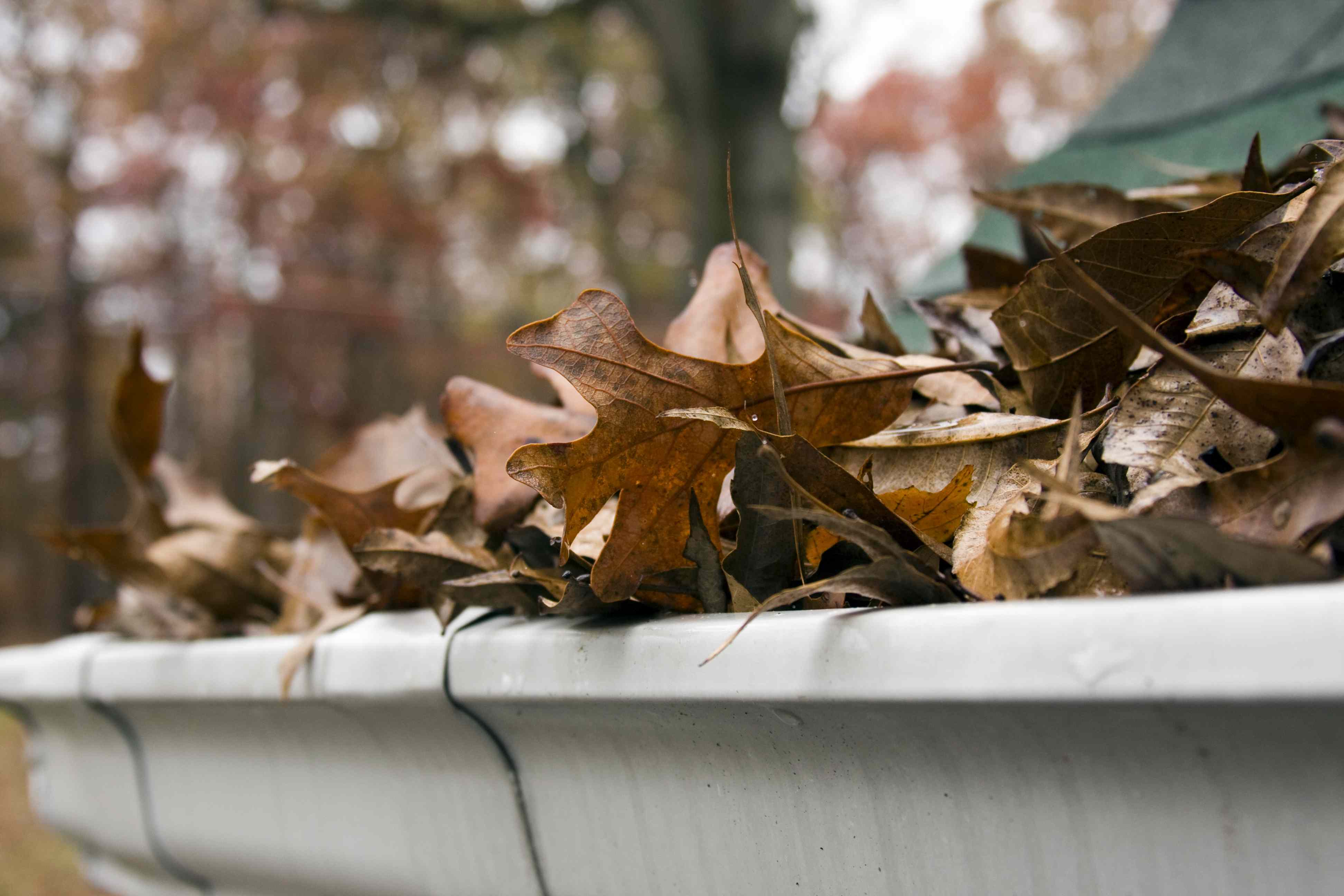
Gutter cleaning is one of those chores that lives in the same mental drawer as flossing the back teeth of a crocodile: you know it matters, but wow, it is easy to postpone. The problem is that gutters are not decorative roof jewelry. They are your home’s rain-management system, quietly moving water away from your roof, siding, foundation, landscaping, and, ideally, your wallet.
So how often should you really clean your gutters? The honest answer is not “whenever you remember.” Maintenance pros usually land on a much more practical rule: most homes need gutter cleaning at least twice a year, typically once in the spring and once in the fall. But that is just the baseline. If your house sits under leafy trees, gets showered with pine needles, or takes a beating from seasonal storms, your gutters may need attention three or even four times a year.
In other words, your gutters do not care about your intentions. They care about leaves, twigs, roof grit, seed pods, shingle granules, storm debris, and the occasional mystery sludge that seems to form out of spite. Here is what maintenance pros want homeowners to know about the right gutter cleaning schedule, the warning signs you should never ignore, and how to tell when it is smarter to call in a pro than to climb a ladder with misplaced confidence.
The short answer: clean gutters twice a year, then adjust for your house
If you want the simplest expert-backed rule, here it is: clean your gutters at least twice a year. For many homes, that means a spring cleaning and a fall cleaning.
Why those two seasons? Fall is obvious. Trees dump leaves, twigs, acorns, and all kinds of debris into your gutters just in time for rain, snow, and freezing temperatures to make everything worse. Spring matters because winter leaves behind its own mess, including roof grit, small branches, seed litter, and compacted debris that can block downspouts or trap moisture where you least want it.
That twice-a-year schedule is the maintenance sweet spot for average suburban homes. It keeps water flowing, reduces clogs, and gives you a chance to inspect the entire system before a small issue turns into a large invoice with the words “structural moisture damage” on it.
When twice a year is not enough
Maintenance pros are quick to point out that gutter cleaning is not one-size-fits-all. Some homes need a more aggressive schedule because the environment around the house is constantly feeding the gutters debris.
1. Your home is surrounded by mature trees
If your roofline lives under a leafy canopy, twice a year may be too optimistic. Trees drop more than just fall leaves. You also get blossoms, seed pods, helicopters, twigs, bark, and the random branch that appears after a windy night like nature filed a complaint against your siding.
For wooded lots, a realistic schedule is three to four times a year. At minimum, inspect gutters in early spring, late spring, early fall, and late fall. Homes with oak, maple, sycamore, or heavily shedding trees often benefit from a quick mid-season check between full cleanings.
2. Pine trees are nearby
Pine needles are the overachievers of gutter clogs. They are thin, slippery, and very good at weaving themselves into dense mats that trap smaller debris. They can also slide through or sit on top of some gutter guards, which means you may still need regular maintenance even after paying for “less maintenance.” Fun.
If you have pines close to the house, plan on inspecting gutters every few months and cleaning them more often than the average home. A quarterly rhythm is not excessive in pine-heavy areas.
3. You get frequent storms or high winds
Storm-prone areas need a different mindset. Heavy rain, hurricanes, strong winds, and snow events can dump branches, roof granules, and soggy debris into the gutter system fast. In these locations, pros recommend sticking to your normal seasonal cleanings plus a check after major weather events.
You do not always need a full cleaning after every storm, but you do need to make sure downspouts are flowing, gutters are still attached properly, and nothing is causing overflow.
4. You live where wildfire risk is high
In wildfire-prone areas, gutter maintenance is not just about water control. Dry leaves and pine needles sitting in gutters can become fuel. That means cleaning frequency should increase before fire season and any time debris builds up. In these climates, maintenance becomes both a home-care issue and a safety issue.
5. You already have gutter guards
Gutter guards can help reduce cleaning frequency, but they do not create a magical “never clean again” force field. Debris can still collect on top of the guards, fine material can work its way through, and downspouts can still clog.
Most maintenance pros treat guarded gutters as lower-maintenance, not no-maintenance. You should still inspect them at least twice a year and clean as needed.
The best times of year to clean your gutters
Fall is non-negotiable for most homes. Cleaning after the main leaf drop helps prevent winter clogs, standing water, overflow, and ice-related problems.
Spring is the second key season. It clears out whatever winter left behind and helps ensure your system is ready for spring rain and summer storms.
Depending on your climate, pros may also suggest a quick summer inspection after storm season starts and a winter visual check if you suspect ice buildup or overflow. The point is not to obsess over your gutters every month. The point is to stop treating them like invisible hardware until water starts pouring where it absolutely should not.
Signs your gutters need cleaning right now
You do not have to wait for your calendar reminder if your house is already sending you clues. Maintenance pros say these signs usually mean it is time to act:
- Water spills over the edge during rain.
- Downspouts drip weakly or not at all.
- Gutters sag, pull away from the fascia, or look uneven.
- You see plants, moss, or actual mini-gardens growing in the trough.
- Birds, insects, or rodents seem unusually interested in the gutters.
- There are stains on siding or dark streaks below the gutter line.
- Water pools near the foundation after rainfall.
- You notice peeling paint, rotting trim, or mildew around the eaves.
Overflow is the big red flag. When gutters cannot move water toward the downspouts, that water goes looking for other places to be. Unfortunately, those places often include your fascia boards, basement perimeter, crawl space, and flower beds you were just beginning to like.
What happens if you do not clean them often enough?
Skipping gutter cleaning is not always dramatic at first. That is part of the problem. The damage builds quietly. Debris holds moisture. Water backs up. Fasteners loosen. Gutters grow heavy. Overflow starts. Then one day you realize your “small outdoor chore” has matured into wood rot, erosion, interior leaks, or foundation trouble.
Here is what neglected gutters can contribute to:
- Roof and fascia damage: Trapped moisture can speed up rot and decay around the roof edge.
- Siding stains and mildew: Overflowing water runs down exterior walls where it should never be traveling.
- Foundation problems: Gutters exist to move water away from the house. When they fail, water can collect near the foundation.
- Landscape erosion: Concentrated runoff can chew through mulch beds and soil surprisingly fast.
- Pest activity: Wet debris is an open invitation for insects and critters.
- Ice dams and freezing issues: In colder climates, clogged gutters can make winter water problems even worse.
- Wildfire risk: In dry regions, debris-filled gutters can hold combustible material.
This is why maintenance pros treat gutter cleaning as preventive care, not cosmetic upkeep. You are not cleaning for beauty. You are cleaning to keep water from freelancing around your house.
DIY or hire a pro?
If you own a one-story home, your gutters are easy to access, and you are comfortable using a sturdy ladder safely, DIY gutter cleaning can be manageable. The basic routine is straightforward: remove debris by hand or scoop, flush the gutter and downspouts with a hose, and inspect for leaks, loose fasteners, slope issues, and separation at seams.
But maintenance pros are very clear about one thing: ladder safety matters more than saving a service fee. If your home is two stories, the ground is uneven, the roof is steep, the gutters are damaged, or you are not completely confident on a ladder, hire a professional. That is especially true after storms, during icy conditions, or any time electrical lines are nearby.
There is no prize for nearly falling off a ladder while holding a bucket of wet leaves. There is only embarrassment and an urgent conversation with your ankle.
How much does professional gutter cleaning cost?
Professional gutter cleaning is usually cheaper than the repairs clogged gutters can cause. Exact pricing varies by region, home height, roof pitch, accessibility, and debris load, but a typical visit for a single-story home often falls in the low hundreds.
That cost can rise for multi-story homes, steep roofs, long gutter runs, or homes where the service includes heavy downspout flushing, minor repairs, or guard cleaning. Still, many homeowners find the math pretty convincing: one service appointment costs a lot less than repairing rotted trim, flooded landscaping, or water problems around the foundation.
Simple ways to reduce how often you need full cleanings
You may not be able to eliminate gutter work, but you can make it less frequent and less messy.
Trim overhanging branches
Less debris landing on the roof means less debris washing into the gutters.
Check after big storms
A quick inspection can catch a branch clog or loose downspout before the next rain makes it worse.
Flush downspouts during cleanings
Gutters can look clear while the real clog is hiding in the downspout. Always test water flow.
Consider gutter guards carefully
They can reduce buildup, especially from leaves, but they are not maintenance-proof. Choose quality products and plan for inspections anyway.
Watch for poor drainage around the house
If water is pooling near the foundation, your gutter problem may be part clog, part downspout placement, or part grading issue. The whole system matters.
What maintenance pros see in the real world
Ask maintenance pros about gutter cleaning, and you rarely hear dramatic tales about “the one time gutters failed.” What you hear instead is repetition. The same preventable patterns show up over and over again, in neighborhoods of every price point, on houses that look immaculate from the street, and on homes owned by people who genuinely thought they were staying on top of things.
One common story starts with a homeowner who assumes the gutters are fine because nothing looks wrong from the driveway. But from the ladder, the gutters are packed with a thick blend of leaves, twigs, roof grit, and mud. Water has already been sneaking over the edge during storms, staining the siding and dampening the soil near the foundation. The homeowner is surprised because the problem did not announce itself with fireworks. It just kept getting worse quietly, one rainstorm at a time.
Pros also talk about the false confidence created by gutter guards. Homeowners hear “guards” and mentally translate that to “I have solved gutters forever.” In reality, guards are more like a filter than a permanent hall pass. They can reduce the amount of debris inside the gutter, but leaves still pile up on top, pine needles still work their way into tight places, and small debris still creates sludge over time. Experienced maintenance crews often find that guarded systems have been ignored longer precisely because the owner assumed they no longer needed attention.
Another frequent experience involves storm season. A house may have been cleaned properly in the fall, but a single windy storm drops branches, seed pods, and shingle granules into one corner of the system. Now one downspout is partially blocked, water starts spilling during hard rain, and the homeowner thinks the gutter system “suddenly failed.” It did not fail suddenly. It got ambushed, and nobody checked it afterward.
Then there are the pine-tree properties. Maintenance pros bring these up with the resigned tone of people who have seen things. Pine needles do not make a fluffy clog. They make a stubborn mat. They slide into seams, collect on guards, trap roof sediment, and block downspouts in ways that can be annoyingly hard to spot from below. Homes near pines almost always need more frequent inspections than owners expect.
Pros also notice that the homeowners with the fewest gutter-related repairs are not necessarily the ones who clean most aggressively. They are the ones who stay consistent. They clean on schedule, inspect after major weather, and pay attention to early warning signs like overflow, sagging, or water pooling near the house. They understand that gutters are less about deep cleaning and more about steady maintenance.
And perhaps the most relatable experience of all is this: many homeowners wait until the job is awful. Wet leaves have turned into muck, the downspouts are packed, and the task feels so miserable that they avoid it again next season. Maintenance pros often recommend the exact opposite strategy. Clean a little earlier, a little more often, and the job becomes easier, faster, and less disgusting. Your gutters stay lighter, your drainage stays better, and your Saturday afternoon remains only mildly annoying instead of spiritually defeating.
The bottom line
If you have been waiting for a precise, universal number, here it is in plain English: clean your gutters at least twice a year, then increase that schedule if your home has heavy tree cover, pine needles, frequent storms, wildfire exposure, or any history of overflow. Spring and fall are the baseline. Post-storm checks are smart. Gutter guards help, but they do not eliminate maintenance.
The real goal is not spotless gutters for bragging rights. It is simple, boring, glorious water control. When gutters do their job, your roof edge stays drier, your siding stays cleaner, your foundation stays safer, and your home avoids a long list of annoying repairs. That is a pretty good return on a chore nobody has ever put on a vision board.