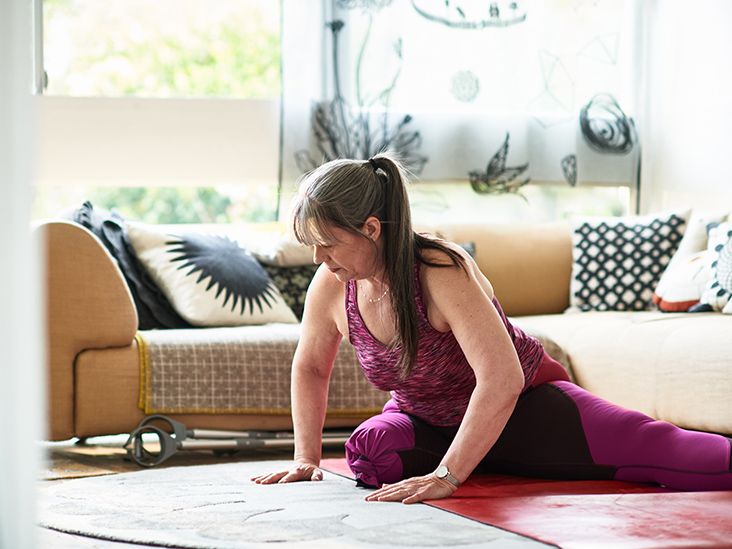
Getting older does not mean your fitness routine has to retire, buy a rocking chair, and start yelling at clouds. It simply means your body becomes a more honest workout partner. It tells you when your warm-up is too short, when your knees dislike surprise burpees, and when recovery is not “optional” but very much the boss of the schedule.
The good news? You can stay strong, mobile, energetic, and independent for decades by adjusting how you train. The goal is not to exercise like your 22-year-old self. The goal is to build a smarter routine that supports your current body, protects your joints, improves balance, preserves muscle, and keeps daily life feeling easier. Whether you are in your 40s, 50s, 60s, 70s, or beyond, adapting your fitness routine as you age is less about doing less and more about doing what matters better.
Why Your Fitness Routine Needs to Change With Age
Aging changes the way your body responds to movement. Muscle mass naturally declines over time, joints may become less forgiving, balance can become less automatic, and recovery may take longer. That does not mean decline is unavoidable. It means your workout plan should evolve from “burn calories and survive leg day” to “build strength, maintain mobility, improve heart health, protect bones, and move well.”
Think of your fitness routine like a car maintenance plan. At 20, you may get away with skipping oil changes and flooring the gas pedal. Later, you become wiser. You check the tires, use the right fuel, and stop pretending strange noises are “probably fine.” Your body deserves the same mature treatment.
The New Fitness Priorities: Strength, Cardio, Balance, and Mobility
A well-rounded aging fitness plan includes four major pillars: aerobic exercise, strength training, balance work, and flexibility or mobility training. Each one plays a different role, and together they help you stay capable, confident, and harder to knock over than a department-store mannequin.
1. Keep Cardio, But Make It Joint-Friendly
Cardio supports heart health, endurance, mood, blood sugar control, and everyday stamina. The general target for adults is at least 150 minutes of moderate-intensity aerobic activity per week, or 75 minutes of vigorous activity, spread throughout the week. For many older adults, moderate cardio is the sweet spot: brisk walking, cycling, swimming, dancing, water aerobics, hiking, or using an elliptical machine.
As you age, your cardio routine may need less pounding and more consistency. If running starts to bother your knees or hips, you do not have to break up with fitness. You can switch to walk-run intervals, incline walking, cycling, rowing, or pool workouts. Your heart does not care whether you are wearing expensive running shoes or doing laps in the pool. It cares that you show up.
2. Make Strength Training Non-Negotiable
If cardio is the engine, strength training is the frame, wheels, and suspension. Muscle supports your joints, protects your bones, improves balance, helps regulate blood sugar, and makes everyday tasks easier. Carrying groceries, climbing stairs, lifting a suitcase, getting up from the floor, and opening a stubborn jar of pickles all become easier when strength is part of your weekly routine.
A practical goal is to train all major muscle groups at least two days per week. You do not need to become a competitive powerlifter unless you enjoy chalk, loud grunting, and dramatic belt-tightening rituals. Bodyweight exercises, resistance bands, dumbbells, machines, and cable systems all work. The key is progressive challenge: your muscles need a reason to stay strong.
Good strength exercises for aging bodies include sit-to-stands, squats to a chair, step-ups, wall push-ups, incline push-ups, rows, hip bridges, dead bugs, farmer carries, and light to moderate deadlift patterns taught with good form. Start with movements you can control. Add resistance gradually. If the last two repetitions feel challenging but still safe and clean, you are probably in the right zone.
3. Add Balance Training Before You “Need” It
Balance is easy to ignore until the floor suddenly introduces itself. As we age, balance can decline due to changes in strength, vision, reaction time, joint mobility, and inner-ear function. The solution is to practice balance regularly, not after a scary fall but before one.
Simple balance exercises can fit into a normal routine. Try standing on one foot near a counter, walking heel-to-toe down a hallway, practicing controlled step-ups, rising from a chair without using your hands, or doing gentle tai chi or yoga. Use support when needed. Holding a chair is not cheating; it is called being intelligent.
4. Train Mobility, Not Just Flexibility
Flexibility is the ability of muscles to lengthen. Mobility is the ability of joints to move well through a useful range of motion. Both matter, but mobility has special value as you age because it helps you move comfortably in real life. You want hips that can help you climb stairs, shoulders that can reach overhead, ankles that allow stable walking, and a spine that does not act like it signed a no-bending contract.
Add gentle mobility work before workouts and stretching after workouts. Focus on the hips, calves, hamstrings, chest, shoulders, and upper back. Examples include cat-cow movements, ankle circles, hip openers, thoracic rotations, doorway chest stretches, and gentle hamstring stretches. Move slowly, breathe, and avoid forcing a stretch like you are negotiating with a locked suitcase.
How to Adapt Your Fitness Routine by Decade
In Your 40s: Build the Base Before Problems Arrive
Your 40s are a great time to shift from random workouts to strategic training. You may still feel strong, but recovery may become slightly slower, and old injuries may start sending postcards. Prioritize strength training two to three times per week, keep regular cardio, and add mobility work before stiffness becomes your morning personality.
This is also the decade to improve technique. Learn how to hinge at the hips, squat with control, brace your core, and push or pull with stable shoulders. Good form is a retirement account for your joints. The earlier you invest, the more you benefit later.
In Your 50s: Protect Muscle, Bones, and Recovery
In your 50s, muscle preservation becomes a major goal. Strength training should remain central, especially exercises that train the legs, hips, back, and core. Weight-bearing activities like brisk walking, stair climbing, dancing, and resistance training can also support bone health.
Recovery deserves more respect now. That may mean spacing hard workouts farther apart, warming up longer, sleeping better, and choosing quality over punishment. You can still train hard, but “hard” should mean purposeful effort, not leaving every session feeling like you fought a lawn mower and lost.
In Your 60s: Train for Independence
Your 60s are an excellent time to focus on functional fitness. Train movements that mirror daily life: standing up from a chair, stepping onto a curb, carrying bags, reaching overhead, rotating gently, and walking with confidence. Strength, balance, and mobility should work together.
A weekly routine might include three brisk walks, two strength sessions, two short balance sessions, and daily mobility breaks. You do not need marathon workouts. Ten to twenty minutes done consistently can be more valuable than one heroic session followed by six days of couch-based regret.
In Your 70s and Beyond: Stay Consistent, Safe, and Capable
In your 70s and beyond, the best routine is one you can repeat safely. Low-impact cardio, light to moderate strength training, balance work, stretching, and daily movement all matter. The goal is not to prove anything to anyone. The goal is to maintain independence, reduce fall risk, support heart and bone health, and keep doing the things that make life enjoyable.
Chair exercises, resistance bands, water workouts, supervised gym sessions, walking groups, tai chi, and physical therapy-guided routines can all be excellent options. If you have osteoporosis, arthritis, heart disease, diabetes, recent surgery, or a history of falls, ask a healthcare professional or physical therapist which exercises are best for you.
Smart Ways to Modify Your Workouts as You Age
Warm Up Like You Mean It
A proper warm-up becomes more important with age. Start with five to ten minutes of easy movement: walking, cycling, marching in place, arm circles, hip circles, or gentle dynamic stretches. A warm-up increases blood flow, prepares joints, and gives your nervous system a polite heads-up instead of shouting, “Surprise! Lunges!”
Use the Talk Test for Cardio Intensity
Moderate-intensity cardio usually means you can talk but not sing. If you can belt out an entire show tune, you may need to pick up the pace. If you can only gasp out your favorite curse word, slow down. The talk test is simple, free, and does not require a smartwatch that judges you.
Choose Low-Impact Options When Joints Complain
Joint discomfort does not always mean you should stop exercising. Often, it means you should change the type, surface, range of motion, or intensity. Swap jumping for step-ups, running for cycling, deep squats for chair squats, or high-impact aerobics for water aerobics. Pain is information. Listen to it without letting it run your entire life.
Train Power Carefully
Power is the ability to move with speed and control. It helps with quick reactions, such as catching yourself after a stumble. Older adults can benefit from safe power training, but it should be introduced carefully. Examples include standing up from a chair a little faster, light medicine ball chest passes, or step-ups with a controlled but lively pace. Form comes first. Speed comes second. Ego can wait in the parking lot.
Plan Recovery Days
Recovery is not laziness. It is where adaptation happens. As you age, your muscles, tendons, and nervous system may need more time between demanding sessions. Alternate harder days with easier movement, stretching, or gentle walks. If your sleep is poor, your stress is high, or your body feels unusually heavy, adjust the workout instead of forcing it.
A Sample Weekly Fitness Routine for Healthy Aging
Here is a simple example that can be adapted for many fitness levels:
- Monday: Strength training: squats to chair, rows, wall push-ups, hip bridges, core work.
- Tuesday: Brisk walk for 30 minutes plus five minutes of balance practice.
- Wednesday: Mobility routine, stretching, or gentle yoga.
- Thursday: Strength training: step-ups, dumbbell presses, band pulls, farmer carries, calf raises.
- Friday: Low-impact cardio such as cycling, swimming, dancing, or walking.
- Saturday: Balance and functional movement: sit-to-stands, heel-to-toe walking, single-leg stands, light stretching.
- Sunday: Rest, easy walk, gardening, or recreational movement.
This plan is not magic. The magic is consistency. A routine you can maintain beats a perfect routine you abandon after three days because it made your hamstrings file a complaint.
Common Mistakes to Avoid
Doing Only Cardio
Walking is excellent, but walking alone may not be enough to preserve muscle and strength. Add resistance training so your body stays strong enough to enjoy all that walking.
Skipping Balance Work
Balance training may feel too easy at first, which is exactly why people skip it. Do not wait until balance becomes a problem. Practice it while you can improve it safely.
Training Through Sharp Pain
Muscle effort is normal. Sharp, stabbing, or worsening joint pain is not something to “tough out.” Modify the movement, reduce the load, or seek professional guidance.
Ignoring Nutrition and Hydration
Exercise works better when your body has the materials to repair and adapt. Protein, colorful fruits and vegetables, whole grains, healthy fats, calcium-rich foods, vitamin D, and enough water all support an active lifestyle. You cannot build a strong house with missing bricks, and you cannot build strong muscles on coffee fumes and leftover crackers.
Experience-Based Tips for Adapting Your Fitness Routine as You Age
One of the biggest lessons people learn with age is that fitness becomes more personal. In younger years, it is easy to copy a workout from a magazine, a friend, or a very enthusiastic person online who appears to survive on protein powder and lightning. Later, you discover that your body has preferences, history, and a few strongly worded opinions. The smartest routine is the one that respects your real life.
For example, many people find that morning workouts feel better as they age because energy is higher and the day has not yet become crowded with obligations. Others discover the opposite: their joints feel stiff in the morning, so afternoon walks or early evening strength sessions work better. There is no universal perfect time. The best time is when your body feels ready and your schedule allows consistency.
Another common experience is learning to appreciate smaller workouts. A 15-minute strength circuit may not sound impressive, but it can be powerful when repeated three times per week. Two sets of sit-to-stands, wall push-ups, band rows, and calf raises can improve confidence and function over time. Add a walk after dinner, and suddenly your “small” routine becomes a serious health habit wearing casual clothes.
People also tend to become more aware of recovery. In the past, soreness may have felt like proof of success. With age, soreness that lasts for days is more like a poorly written invoice. It costs too much. A better sign of success is feeling stronger, steadier, and more energetic without needing a dramatic recovery period. Leaving a little energy in the tank is not weakness. It is strategy.
Social support can make a huge difference. Walking with a neighbor, taking a beginner yoga class, joining a senior fitness group, or working with a trainer who understands older adults can make exercise more enjoyable and safer. Fitness does not have to be lonely. In fact, a good walking partner can turn cardio into therapy with sneakers.
It also helps to connect workouts to real-life goals. Instead of saying, “I need to exercise,” try saying, “I want to climb stairs without grabbing the railing,” “I want to carry my groceries,” “I want to play with my grandkids,” “I want to travel without feeling exhausted,” or “I want to get off the floor without needing a rescue committee.” These goals are concrete, meaningful, and motivating.
Finally, the most useful experience is learning that adaptation is not defeat. Replacing running with cycling is not quitting. Using lighter weights with better form is not going backward. Holding a chair during balance work is not embarrassing. These are signs of an intelligent exerciser. The body changes, so the routine changes. That is not a problem. That is the plan.
Conclusion: Aging Well Means Training Smarter
Adapting your fitness routine as you age is one of the best investments you can make in your future independence, energy, and confidence. The formula is simple but powerful: keep moving, lift something, practice balance, maintain mobility, recover well, and adjust when your body asks for a smarter approach.
You do not need to chase youth. You need to build capacity. A strong, mobile, well-conditioned body helps you enjoy daily life with less stiffness, more confidence, and fewer “why did I bend down again?” moments. Start where you are, progress gradually, and choose exercises that support the life you want to keep living.
Note: This article is for general educational purposes and is not a substitute for medical advice. If you have a chronic condition, recent injury, balance problems, osteoporosis, heart concerns, or unexplained pain, consult a qualified healthcare professional before changing your fitness routine.