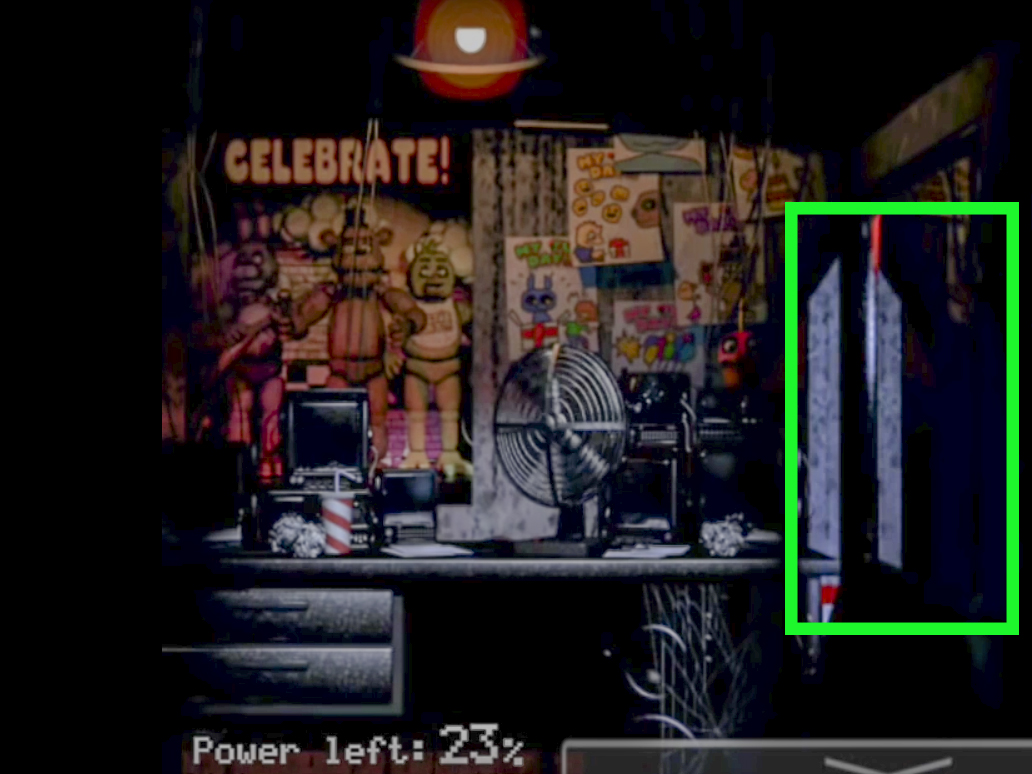
Night 6 of Five Nights at Freddy’s is the game politely asking, “So, you survived five nights. Cute. Can you do it while everything moves faster and your power supply disappears like pizza at a birthday party?” This bonus night is not impossible, but it is much less forgiving than Night 5. Bonnie and Chica are more aggressive, Foxy is itching to leave Pirate Cove, and Freddy becomes the sneaky right-side problem that makes many players slam the door too early, panic, and lose power before 5 AM.
The good news: Night 6 is beatable with a repeatable rhythm. You do not need to stare at every camera. In fact, doing so is one of the fastest ways to lose. The best strategy is a controlled loop: check Freddy and Foxy with the cameras, use the door lights for Bonnie and Chica, close doors only when needed, and conserve enough power to survive the final hour. Think of it less like a horror game and more like a very stressful office job where the coworkers are robots and HR is unavailable.
This guide breaks down how to beat Night 6 of Five Nights at Freddy’s in 6 clear steps, with practical timing, examples, and player-tested tips that help you stay calm when Freddy starts laughing from the darkness.
Why Night 6 Is So Hard
Night 6 is unlocked after completing the standard five nights. It is often described as a bonus challenge, but “bonus” is doing a lot of heavy lifting here. The animatronics act faster and give you less time to recover from mistakes. You still need to survive from 12 AM to 6 AM, but the game punishes wasted power, lazy camera use, and slow reactions much more harshly.
The main problem is that every animatronic demands a different response. Bonnie attacks from the left door. Chica attacks from the right door. Foxy must be controlled through camera usage and awareness of Pirate Cove. Freddy moves along the right-side route and becomes dangerous if you stop monitoring him at the wrong time. If you try to watch everyone equally, you will burn power. If you ignore anyone completely, you will probably get a very close look at an animatronic dental plan.
Step 1: Understand Your Main Objective
Your goal is not to “watch everything.” Your goal is to survive with enough power until 6 AM. That sounds simple, but many players lose Night 6 because they play like detectives instead of security guards. The cameras are not there so you can admire the décor. They are tools for delaying Freddy and Foxy.
Focus on the real threats
On Night 6, your attention should mostly go to two systems:
- Cameras: Use them mainly for Freddy and Foxy.
- Door lights: Use them to check Bonnie on the left and Chica on the right.
Bonnie and Chica do not need constant camera tracking. The door lights tell you what matters: are they at the doorway or not? If they are there, close the correct door. If they are gone, open it. Simple. Brutal. Effective.
Freddy and Foxy are different. Foxy becomes more dangerous if neglected, and Freddy can sneak forward if you are not managing his position. That is why experienced players usually build their entire Night 6 strategy around a tight camera-and-light cycle.
Step 2: Use the Correct Camera Strategy
The biggest beginner mistake on Night 6 is camera tourism. Players click through the whole building, looking for Bonnie, Chica, Freddy, Foxy, maybe the meaning of life, and suddenly they are at 42% power at 2 AM. Do not do this.
Watch Freddy and Foxy, not the whole restaurant
Start by checking Freddy’s position and Pirate Cove. Freddy begins on the Show Stage and moves along the right side. Foxy stays in Pirate Cove until he becomes active enough to run toward your office. Your job is to slow them, not write a wildlife documentary.
A reliable pattern is:
- Flip up the camera briefly.
- Check Freddy’s current camera or the Show Stage if he is still there.
- Occasionally check Pirate Cove to judge Foxy’s progress.
- Drop the camera quickly.
- Check both door lights.
- Repeat.
When Freddy reaches the later right-side cameras, especially near the East Hall Corner, you must be extra careful. If you pull up the monitor while Freddy is in a dangerous position and you are not watching him properly, you may need the right door closed. The exact rhythm depends on how comfortable you are, but the principle stays the same: do not give Freddy free movement.
Keep camera flips short
Your camera checks should be quick. Flip up, confirm what matters, flip down. The longer you sit in the monitor, the more likely Bonnie or Chica can reach the door unnoticed, and the more power you waste with panic responses. Treat every camera check like touching a hot stove: quick, useful, and not something you do for fun.
Step 3: Build a Door Light Rhythm
Door lights are your best friends on Night 6. They are also the friends who charge you power every time you ask for help, so do not hold them on like a flashlight in a camping movie. Tap them briefly.
The basic light cycle
After each camera check, tap the left light, then the right light. If Bonnie is visible on the left, close the left door. If Chica is visible on the right, close the right door. After a short moment, check the light again. When the animatronic is gone, open the door immediately.
Do not keep a door closed “just in case.” That phrase is how power meters go to heaven. A closed door is useful only when an animatronic is actively threatening you. On Night 6, unnecessary door time is one of the fastest ways to lose at 5 AM.
Why speed matters
Bonnie and Chica can become a serious problem if you are slow. If one reaches your doorway and you fail to react, they can block your controls and end your run when you next use the monitor. This is why experienced players check lights constantly between camera flips. You are not trying to predict them perfectly. You are trying to catch them before they punish you.
A strong rhythm looks like this: camera, left light, right light, camera, left light, right light. If something appears, respond. If nothing appears, keep moving. The faster and calmer your loop becomes, the less scary Night 6 feels.
Step 4: Manage Foxy Without Overchecking Pirate Cove
Foxy is terrifying because he feels like a timer with teeth. Leave him alone too long and he runs down the West Hall toward your left door. If he reaches your office, he drains power and can end a good run fast. However, constantly staring at Pirate Cove is also wasteful.
How often should you check Foxy?
You do not need to check Pirate Cove every single camera flip. Many players check Foxy every few cycles or when power drops by a noticeable amount. The key is to raise the camera often enough to slow him, while still using most of your actual camera focus on Freddy. If Foxy is still behind the curtain, you can relax slightly. If he is peeking out or getting ready to run, tighten your cycle.
When you suspect Foxy may attack, be ready to close the left door before or immediately as you confirm his movement. If you hear him sprinting, close the left door. After his knock, reopen it as soon as it is safe. Do not sit there emotionally processing what just happened. Foxy does not pay your electric bill.
Avoid the Foxy panic trap
Many Night 6 failures happen because players obsess over Foxy and forget Freddy. Foxy is loud and dramatic, so he gets attention. Freddy is quiet, sneaky, and frankly rude. Balance matters. Use Pirate Cove checks as status updates, not as your main camera activity.
Step 5: Control Freddy Before He Controls the Night
Freddy is the reason Night 6 feels unfair until you understand him. Bonnie and Chica are direct: light, door, done. Foxy is direct: camera, left door, done. Freddy is a slow-moving threat who becomes dangerous when you lose track of him, especially on the right side.
Listen for Freddy’s laugh
Freddy’s laugh signals movement. As the night progresses, listen carefully. Each laugh means he has advanced. Once he has moved several times, your strategy should shift toward keeping him locked down by checking his camera more deliberately.
If Freddy is still on the Show Stage, checking the stage helps delay him. When he moves to later cameras, especially near your right door, you must be more disciplined. Many players prefer to keep their camera on Freddy’s current position or the East Hall Corner once he is close. The idea is to prevent him from moving while you continue checking lights between camera flips.
Use the right door only when necessary
The right door is expensive when overused. Chica may require it when she is at the doorway, and Freddy may force you to use it if he is in a dangerous position and you need to open the monitor. Still, do not close it constantly from fear. Fear is understandable; Freddy is a bear in a top hat. But power management wins Night 6, not emotional door slamming.
If you find yourself running out of power at 5 AM, review your Freddy response. Were you closing the right door too often? Were you checking random cameras? Were your monitor flips too long? Fixing those habits usually improves your run immediately.
Step 6: Conserve Power Until 6 AM
Power is the invisible boss of Night 6. You can handle the animatronics perfectly and still lose if you waste too much energy early. Your goal is to reach the final hour with enough power to survive mistakes, door closures, and the occasional Freddy-shaped disaster.
Useful power benchmarks
Every run feels a little different, but you can use rough benchmarks to judge your pace. You generally want to avoid being far below 70% around 1 AM, far below 50% around 3 AM, or nearly empty before 5 AM. These are not strict rules, but they help you know whether your strategy is too expensive.
If your power is draining too quickly, shorten your camera checks, stop holding lights, and open doors the moment threats leave. If you are still losing power too fast, you are probably overusing the right door because of Freddy anxiety. It happens. Freddy has that effect on people.
What to do if the power goes out
If you run out of power near the end, do not click around. Stay still and hope the 6 AM chime arrives before Freddy finishes his routine. This is not a guaranteed strategy, but it can save a run if the clock is close enough. Think of it as your final job duty: sitting silently in the dark while a bear performs the world’s least comforting musical number.
Common Mistakes That Ruin Night 6
Checking every camera
This is the classic mistake. You do not need to know where Bonnie and Chica are in the dining area. You need to know whether they are at your doors. Let the lights do that job.
Holding doors closed too long
Close a door only when there is a real threat. Open it as soon as the threat is gone. Every unnecessary second drains power you may need at 5 AM.
Ignoring Freddy’s audio cues
Freddy’s laugh is not background flavor. It tells you he has moved. If you ignore it, he can reach a dangerous position before you are ready.
Overreacting to Foxy
Foxy matters, but he should not steal your entire camera strategy. Check Pirate Cove regularly, but do not forget Freddy.
Sample Night 6 Loop
Here is a simple loop you can practice:
- Quickly open the camera.
- Check Freddy’s position.
- Check Pirate Cove every few cycles.
- Close the camera.
- Tap left light for Bonnie.
- Tap right light for Chica.
- Close a door only if someone is there.
- Reopen the door as soon as the animatronic leaves.
- Repeat until 6 AM.
The loop sounds simple because it is. The difficulty comes from doing it calmly for six in-game hours while the game tries to make you panic. Once your hands learn the rhythm, Night 6 becomes much more manageable.
Extra Player Experience: What Beating Night 6 Feels Like
The first time you seriously attempt Night 6, it may feel like the game has personally developed a grudge against you. On Night 5, you probably built enough confidence to think, “I understand this now.” Then Night 6 arrives, and Bonnie appears at the left door before your brain has finished loading. Chica hangs around the right side like she forgot her order number. Foxy starts peeking out of Pirate Cove as if he has somewhere very important to be. Freddy laughs in the distance, which is somehow worse than an alarm because at least alarms are honest.
The biggest emotional shift happens when you stop reacting randomly and start trusting your pattern. At first, every sound feels like an emergency. You may close both doors at once because you heard a footstep, saw static, or simply disliked the vibe. That is normal. The problem is that Night 6 punishes emotional decisions. The game wants you to panic-buy safety with power. Once you learn to ask, “Is an animatronic actually at the door?” before closing anything, your runs get longer.
One helpful experience is to practice the first two hours without caring whether you win. Focus only on rhythm: camera up, Freddy check, camera down, left light, right light. Do it until the movement becomes automatic. Then add Foxy checks every few cycles. Then practice reacting to Bonnie and Chica without holding the doors too long. This turns Night 6 from chaos into a routine. It is still a terrifying routine, but at least it is organized terror.
Another useful lesson is that failure usually tells you exactly what went wrong. If Foxy keeps attacking, your camera usage is too loose or your Pirate Cove checks are too rare. If Freddy gets you, you are not monitoring him enough after his movement cues. If you run out of power at 5 AM, you are probably holding doors, lights, or cameras too long. Instead of treating every loss like bad luck, treat it like feedback from the world’s worst performance review.
Beating Night 6 feels great because it is not just a lucky survival. It proves you understand the original Five Nights at Freddy’s formula: limited information, limited power, and unlimited anxiety. When the clock finally hits 6 AM, the victory feels earned. You did not outrun the animatronics. You out-managed them. You became the rare security guard who survived overtime at Freddy Fazbear’s Pizza, which should frankly come with hazard pay, a trophy, and a lifetime ban from children’s restaurants.
Conclusion
To beat Night 6 of Five Nights at Freddy’s, you need discipline more than bravery. Use cameras mainly for Freddy and Foxy. Use door lights for Bonnie and Chica. Keep every check short. Close doors only when necessary. Listen for Freddy’s laugh, respect Foxy’s progress, and protect your power like it is the last slice of pizza at a party full of animatronics.
Night 6 may take several attempts, but each run teaches your hands and ears what to do. Once the loop clicks, the night becomes less about panic and more about execution. Stay calm, keep the rhythm, and remember: if you make it to 6 AM, Freddy can keep the restaurant. You have earned your paycheck.