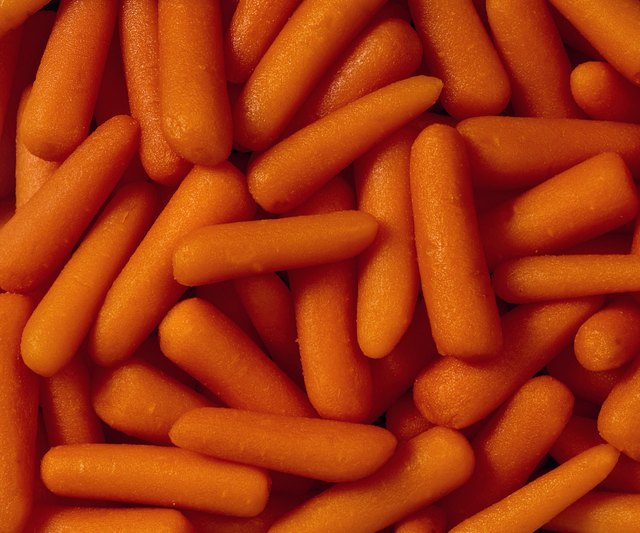
Carrots are the cheerful overachievers of the vegetable drawer. They add color to soup, crunch to salads, sweetness to stir-fries, and moral support to lunchboxes everywhere. But if you have ever bought a big bag of carrots with noble intentions and then discovered them weeks later looking bendy, tired, and emotionally unavailable, you are not alone. Learning how to blanch and freeze carrots with a microwave is a smart way to save money, reduce food waste, and keep ready-to-cook vegetables on hand without turning your kitchen into a full-scale canning operation.
The important word here is blanch. Freezing raw carrots sounds simple, but raw carrots contain natural enzymes that keep working even in the freezer. Those enzymes can gradually damage flavor, color, texture, and nutrients. Blanching gives the carrots a quick heat treatment before freezing, slowing that quality loss and helping your frozen carrots taste like carrots later instead of orange disappointment.
Traditional blanching uses boiling water or steam, and those methods are still the gold standard for consistency. However, the microwave can work for small batches when you need a fast, practical option. The key is to cut the carrots evenly, use a microwave-safe dish, add a small amount of water, cover the dish, stir halfway through, cool the carrots quickly in ice water, dry them well, and pack them properly for the freezer. Think of it as a tiny spa day for your vegetables: hot steam, cold plunge, towel dry, then a long nap at 0°F.
Can You Blanch Carrots in the Microwave?
Yes, you can blanch carrots in the microwave, especially for small household batches. Microwave blanching uses water and steam created inside a covered microwave-safe container. The carrots heat quickly, then are cooled rapidly to stop the cooking process before freezing.
That said, microwave blanching has limits. Microwaves can heat unevenly, leaving hot and cool spots. Some food preservation authorities do not recommend microwave blanching as the first choice for large batches because it may not inactivate enzymes as evenly as boiling-water blanching or steam blanching. In everyday kitchen language: the microwave is convenient, but it is not magic. You need to stir, rotate, work in small batches, and avoid piling carrots into a mountain that only the top layer understands.
If you want the most reliable long-term freezer quality, use boiling water. If you want a quick method for a modest amount of sliced carrots and you are careful with timing and cooling, the microwave can be a useful tool.
Why Blanch Carrots Before Freezing?
Blanching carrots before freezing is not just an old-fashioned kitchen ritual invented to make you wash more dishes. It has several real benefits:
- Protects flavor: Blanching slows enzyme activity that can create stale or off flavors during frozen storage.
- Preserves color: Carrots keep their bright orange look better when blanched before freezing.
- Improves texture: Properly blanched carrots hold up better in soups, stews, casseroles, and side dishes.
- Cleans the surface: The quick heat treatment helps reduce dirt and microorganisms on the surface.
- Makes packing easier: Slightly softened carrot pieces settle into freezer bags or containers more neatly.
Skipping blanching is possible if you are freezing carrots for very short-term use, but the texture and flavor may decline faster. Raw frozen carrots often become rubbery, woody, or watery after thawing. They are still usable in some cooked dishes, but if you are taking the time to freeze carrots, blanching is worth the few extra minutes.
Best Carrots for Freezing
Start with fresh, firm carrots. Freezing preserves quality; it does not improve it. In other words, the freezer is not a fairy godmother. If your carrots are already slimy, moldy, or limp beyond rescue, freezing will not turn them into farmer’s market royalty.
Choose carrots that are:
- Firm and crisp
- Bright orange
- Free from mold, soft spots, or cracks
- Mild-smelling and fresh
- Young or medium-sized, not overly woody
Garden carrots should be frozen as soon as possible after harvesting for the best flavor. Store-bought carrots should be frozen while they are still fresh, ideally before they begin drying out in the refrigerator.
Supplies You Need
You do not need a commercial kitchen or a personality makeover to freeze carrots successfully. Gather these basic tools before you begin:
- Fresh carrots
- Vegetable peeler
- Cutting board and sharp knife
- Microwave-safe bowl or casserole dish with lid
- Small amount of water
- Microwave-safe cover or vented lid
- Large bowl of ice water
- Colander
- Clean kitchen towel or paper towels
- Rimmed baking sheet for tray freezing
- Freezer bags or freezer-safe containers
- Permanent marker for labeling
A microwave-safe glass or ceramic dish works well. Avoid thin plastic containers unless they are clearly labeled microwave-safe. Also, do not seal the lid completely while microwaving; steam needs a way to escape unless you enjoy surprise carrot geysers.
How to Prepare Carrots for Microwave Blanching
Step 1: Wash the Carrots
Rinse carrots under cool running water and scrub away soil. This matters even if you plan to peel them. Dirt has a sneaky way of traveling from peel to cutting board to knife to carrot pieces, like a tiny vegetable crime spree.
Step 2: Trim and Peel
Cut off the tops and root ends. Peel the carrots if desired. Peeling gives frozen carrots a cleaner texture and appearance, especially if the skins are tough or bitter. Very young garden carrots can sometimes be scrubbed instead of peeled, but peeling is the safer choice for consistent results.
Step 3: Cut Evenly
Cut carrots into uniform pieces so they blanch evenly. Good options include:
- 1/4-inch slices or coins
- Small dice
- Thin strips
- Small baby carrots left whole
For microwave blanching, sliced or diced carrots are easiest. Whole carrots take longer to heat through and are more likely to cook unevenly in the microwave. If your carrots are thick, cut them smaller. Your future soup pot will thank you.
How to Blanch Carrots in the Microwave
This method works best for about 1 pound of prepared carrots at a time. If you have several pounds, process them in small batches rather than cramming everything into one bowl. Overcrowding leads to uneven blanching, and uneven blanching leads to sad freezer carrots.
Microwave Blanching Instructions
- Place prepared carrot pieces in a microwave-safe bowl.
- Add about 2 to 5 tablespoons of water per 4 cups of carrots. The goal is steam, not carrot soup.
- Cover the dish with a microwave-safe lid, leaving a small vent for steam.
- Microwave on high for about 3 to 4 minutes per pound, depending on your microwave wattage and carrot size.
- Stop halfway through to stir and rearrange the carrots for more even heating.
- Continue microwaving until the carrots are heated through and slightly tender but not fully cooked.
- Immediately transfer the carrots to ice water to stop cooking.
For thin slices or small dice, start checking around 3 minutes. For thicker pieces, you may need closer to 4 minutes or slightly longer. Carrots should be bright orange and barely tender, not mushy. If they are soft enough for baby food, they have gone too far.
Cooling Carrots After Blanching
Cooling is not optional. Once carrots are blanched, they keep cooking from residual heat unless you chill them quickly. Immediately plunge the hot carrots into a large bowl of ice water. Use plenty of cold water and ice so the temperature drops fast.
Let the carrots cool for about the same amount of time they were heated. Stir them a few times so all pieces cool evenly. Once completely cool, drain them in a colander.
This step protects texture, color, and flavor. It also prevents steam from turning into ice crystals inside the freezer bag. Ice crystals are basically tiny freezer goblins that steal quality from your food.
Drying Carrots Before Freezing
After draining, spread the carrots on a clean kitchen towel or several layers of paper towels. Pat them dry. The drier the carrot pieces are, the less they will clump together in the freezer.
You do not need to make them bone-dry, but avoid packing dripping-wet carrots. Extra water becomes extra ice, and extra ice means more freezer burn risk and a less pleasant texture when cooked.
How to Freeze Blanched Carrots
Option 1: Freeze Directly in Bags
If you plan to use the carrots in full-bag portions, pack the cooled, drained, and dried carrots directly into freezer bags. Press out as much air as possible before sealing. Label each bag with the date and contents.
This method is fast and practical. The downside is that carrot pieces may freeze together in a block, especially if they are still damp. A block of carrots is fine for soup, but less convenient if you only want a handful.
Option 2: Tray Freeze for Loose Carrot Pieces
For carrots that pour easily from the bag, use the tray-freezing method:
- Line a rimmed baking sheet with parchment paper.
- Spread blanched and dried carrots in a single layer.
- Freeze until firm, usually 1 to 2 hours.
- Transfer frozen pieces to freezer bags or containers.
- Remove air, seal, label, and return to the freezer.
Tray freezing is excellent for meal prep because you can scoop out exactly what you need. It is especially helpful for stir-fries, fried rice, pot pies, soups, and quick side dishes.
Best Packaging for Frozen Carrots
Use packaging designed for freezer storage. Regular sandwich bags are too thin and allow air and moisture to sneak in. Choose heavy-duty freezer bags, vacuum-seal bags, or rigid freezer-safe containers.
Good freezer packaging should be:
- Moisture-resistant
- Vapor-resistant
- Durable at low temperatures
- Easy to seal tightly
- Clearly labeled
For bags, press out air before sealing. For containers, leave a little room if the carrots are still slightly moist, but avoid large air pockets. Label with “Blanched Carrots” and the date. Your future self does not want to play freezer archaeology with mystery orange cubes.
How Long Do Frozen Carrots Last?
For best quality, use frozen carrots within 8 to 12 months. They may remain safe longer if kept continuously frozen at 0°F, but flavor and texture slowly decline over time. The older the carrots, the more likely they are to taste flat or develop freezer burn.
Keep a simple freezer list on the door or in a kitchen notebook. Write down what you froze and when. Use older packages first. This tiny habit can prevent freezer clutter from becoming a documentary series.
How to Cook Frozen Carrots
Most frozen carrots do not need to be thawed before cooking. Add them straight from the freezer to hot dishes. This helps preserve texture and saves time.
Easy ways to use frozen carrots:
- Add to soups and stews during the last 10 to 15 minutes of cooking.
- Toss into fried rice or stir-fries.
- Simmer with peas for a quick side dish.
- Add to chicken pot pie filling.
- Use in casseroles, pasta dishes, and grain bowls.
- Microwave with a splash of water until hot and tender.
Because the carrots were already partially cooked during blanching, they usually cook faster than raw carrots. Watch them closely so they do not become too soft.
Common Mistakes to Avoid
Using Old or Damaged Carrots
Freezing works best with high-quality produce. Do not freeze carrots that are slimy, moldy, or badly dried out. Trim minor blemishes, but discard anything that looks spoiled.
Cutting Pieces Unevenly
Uneven pieces heat unevenly. Some may be under-blanched while others turn mushy. Cut carrots into similar sizes for the best results.
Overcrowding the Microwave Dish
Microwave blanching depends on steam circulation and even heating. A giant pile of carrots will not blanch consistently. Work in small batches.
Skipping the Stir
Microwaves have hot spots. Stirring halfway through helps all the carrots receive more even heat.
Not Cooling Quickly
If hot carrots sit on the counter, they keep cooking. Move them directly into ice water after blanching.
Freezing Wet Carrots
Too much surface moisture creates ice crystals. Drain and dry carrots before packing.
Microwave Blanching vs. Boiling Water Blanching
Microwave blanching is convenient for small batches, but boiling-water blanching is more consistent. With boiling water, the carrots are surrounded by even heat, and timing guidelines are more standardized. With the microwave, wattage, dish size, carrot thickness, and stirring all affect results.
Use microwave blanching when you have a small amount of carrots and want speed. Use boiling-water blanching when you are freezing a large harvest, preparing many bags, or want the most reliable freezer quality. There is no shame in choosing the method that fits your kitchen, your schedule, and your tolerance for washing pots.
Food Safety Tips for Freezing Carrots
Freezing does not kill every microorganism, and it does not fix spoiled food. Always begin with fresh carrots, clean tools, and clean hands. Wash cutting boards and knives before and after preparation. Cool blanched carrots quickly, package promptly, and freeze as soon as possible.
Keep the freezer at 0°F or below for best quality. Avoid repeated thawing and refreezing, which can harm texture and increase moisture loss. If a package has thawed but still contains ice crystals and has been kept cold, it may be cooked promptly. If it smells bad, looks slimy, or seems questionable, discard it. The freezer is useful, but it is not a courtroom; when in doubt, throw it out.
Helpful Recipe Ideas for Frozen Carrots
Quick Carrot and Pea Side Dish
Add frozen carrots and peas to a covered skillet with a splash of water, a small pat of butter, and a pinch of salt. Cook until hot and tender. Finish with black pepper and parsley.
Weeknight Chicken Soup Starter
Keep frozen carrots, celery, and onions portioned together. Add them to broth with cooked chicken, noodles or rice, and herbs. Dinner suddenly looks like you planned ahead, even if your plan was mostly “please let there be food.”
Carrot Fried Rice
Add frozen diced carrots directly to a hot skillet with cooked rice, scrambled egg, green onions, soy sauce, and sesame oil. Because the carrots are already blanched, they heat quickly and blend well with the rice.
Experience Notes: What I Learned Freezing Carrots With a Microwave
The first thing experience teaches about microwave blanching carrots is that small batches win. It is tempting to fill the biggest bowl in the kitchen and declare yourself the captain of efficiency, but carrots are not impressed by ambition. When the bowl is too full, the pieces on the outside may steam nicely while the middle stays stubbornly underheated. A single pound at a time gives better results and makes stirring easier.
Uniform cutting also matters more than most people expect. Thin carrot coins, small dice, and narrow strips freeze beautifully because they heat and cool quickly. Thick chunks are more unpredictable in the microwave. They may look fine on the outside but stay too firm in the center. For soups and casseroles, 1/4-inch slices are my favorite because they cook quickly later and do not dominate the spoon like orange hockey pucks.
The ice bath is where many people accidentally lose quality. After microwaving, the carrots need immediate cooling. Do not let them sit while you answer a text, feed the dog, or investigate why the refrigerator is making that suspicious humming sound. Move them straight into ice water. Use more ice than you think you need. Warm water cools carrots slowly, and slow cooling means extra cooking. Extra cooking means softer carrots after freezing.
Drying is another underrated step. If carrots go into the freezer bag wet, they freeze into a frosty brick. That is not the end of the world, but it is annoying when you only need half a cup. Patting them dry and tray-freezing them first makes the final product much more convenient. Loose frozen carrots feel like a small kitchen luxury, especially on busy nights when dinner needs to happen before everyone starts eating cereal from the box.
One practical trick is to freeze carrots in recipe-sized portions. If you often make soup, freeze 1-cup or 2-cup amounts. If you cook for one or two people, use smaller bags. Flatten freezer bags before sealing so they stack neatly and thaw or cook more quickly. Label everything. You may think you will remember what is in each bag, but three months later every orange frozen object looks like either carrots, sweet potatoes, or a mystery from the deep.
Microwave-blanched carrots are best in cooked dishes. They are not ideal for thawing and eating raw because freezing changes texture. Use them in soups, stews, casseroles, stir-fries, fried rice, pot pies, and quick skillet vegetables. Add them while still frozen, and taste as they cook. Since they were blanched before freezing, they need less cooking time than raw carrots.
The biggest lesson is balance. Microwave blanching is convenient, but it rewards attention. Use fresh carrots, cut them evenly, stir during heating, cool quickly, dry well, and freeze in practical portions. Do that, and you will have bright, useful carrots ready whenever a recipe needs color, sweetness, and a little vegetable optimism.
Conclusion
Learning how to blanch and freeze carrots with a microwave is a practical kitchen skill for anyone who wants less waste and more ready-to-use vegetables. The method is simple: wash, peel, cut, microwave-blanch with a little water, stir halfway, chill in ice water, drain, dry, pack, label, and freeze. While boiling-water blanching remains the most reliable method for large batches, microwave blanching can be a convenient option for small amounts when done carefully.
The secret is not speed alone; it is control. Even pieces, small batches, fast cooling, and good freezer packaging make all the difference. With a little attention, those extra carrots in the crisper drawer can become future soup boosters, stir-fry helpers, casserole fillers, and weeknight dinner heroes. Not bad for a vegetable that started life as a crunchy orange stick.