Choosing a winter perfume sounds simple until you’re standing in front of a fragrance wall, sniffing blotter number seven, and suddenly everything smells like “expensive candle with unresolved feelings.” Winter scents can be magical, though. They can feel cozy, dramatic, polished, mysterious, or downright delicious. The trick is not just picking a perfume that smells good in the bottle. It is choosing one that feels right on your skin, suits cold weather, and still makes you happy three hours later when the top notes have packed their tiny citrus suitcases and left.
If you want a winter fragrance that works in real life, not just under department-store lighting, start with the steps below. These tips will help you narrow down fragrance families, understand notes, test perfume properly, and avoid buying a bottle just because the packaging whispered sweet nothings to your wallet.
Why Winter Perfume Feels Different
Cold-weather perfume usually leans richer, deeper, and more enveloping than the airy scents people often reach for in summer. That does not mean every winter fragrance has to smell like a bonfire wrapped in a vanilla bean. It simply means winter is a great time to explore notes with more presence, such as amber, woods, musk, patchouli, incense, leather, spice, cocoa, tonka bean, or creamy florals. The season invites perfume with texture. Think cashmere in scent form.
At the same time, balance matters. A winter perfume should feel intentional, not overpowering. You want “come closer” energy, not “someone lit a cinnamon torch in the elevator.”
Step 1: Decide What You Want Your Winter Perfume to Say
Before you sniff a single bottle, decide on the mood you want. This is the easiest way to avoid wandering into fragrance chaos.
Common winter perfume moods
- Cozy: vanilla, tonka, sandalwood, soft musk, almond
- Smoky: incense, cedar, guaiac wood, chestnut, leather
- Elegant: rose, iris, patchouli, amber, woods
- Fresh but winter-ready: bergamot, juniper, pine, tea, musk
- Sweet and festive: caramel, cocoa, spice, rum, praline
Ask yourself: do you want to smell like a velvet coat, a snowy forest, a warm pastry, or the best-dressed person at dinner? There are no wrong answers here. There are only vibes.
Step 2: Learn the Fragrance Families That Work Best in Cold Weather
If you know your favorite fragrance family, you can cut your search time dramatically. For winter perfume, the most useful families are woody, amber, spicy, gourmand, warm floral, and musky blends. Fresh fragrances can work too, especially when paired with woods, resins, or soft spices.
Here is a quick cheat sheet:
Woody
Cedar, sandalwood, vetiver, patchouli, and oud often create a grounded, polished effect. Woody perfumes can feel clean, smoky, creamy, or earthy depending on the blend.
Amber
Amber-style fragrances usually feel warm, resinous, smooth, and slightly sweet. They are excellent if you want something sensual without going full dessert cart.
Spicy
Cardamom, cinnamon, clove, saffron, pink pepper, and incense add movement and heat. A spicy winter fragrance often feels sophisticated and cozy at the same time.
Gourmand
Vanilla, caramel, chocolate, coffee, chestnut, honey, and praline live here. Gourmands can be playful or luxurious. The best winter versions are balanced by woods, musk, or spice so they do not become sticky-sweet.
Warm Floral
If you think florals are only for spring, allow winter to prove you wrong. Rose with patchouli, jasmine with amber, and orange blossom with woods can feel plush, dramatic, and very season-appropriate.
Step 3: Pay Attention to the Base Notes
Top notes get all the first-date attention, but base notes are the ones who help you move apartments. In other words, they matter more than you think.
When choosing a winter fragrance, look closely at the dry-down. Base notes like sandalwood, vanilla, amber, musk, patchouli, benzoin, leather, cedar, and tonka bean usually create the depth and staying power people want in colder months. If a perfume opens beautifully but dries down flat, dusty, or oddly sour on you, it is not your winter soulmate.
A good rule: if you love the first five minutes but hate the third hour, keep walking.
Step 4: Choose the Right Concentration
Not all perfume formats behave the same way. In winter, many people prefer eau de parfum, parfum, or perfume oils because they tend to feel richer and last longer than lighter formats such as eau de toilette or body mist.
That said, concentration is not everything. A bright, expertly made eau de toilette can still be lovely in winter, especially for daytime or the office. But if you want a cold-weather fragrance with stronger longevity, starting with an eau de parfum is often a smart move.
Quick guide
- Eau de toilette: lighter, fresher, easier for casual wear
- Eau de parfum: more depth, stronger presence, great for everyday winter wear
- Parfum or extrait: richer and often more concentrated, ideal if you want maximum staying power
- Perfume oil: intimate, soft projection, often long-lasting on skin
Step 5: Test Perfume on Skin, Not Just Paper
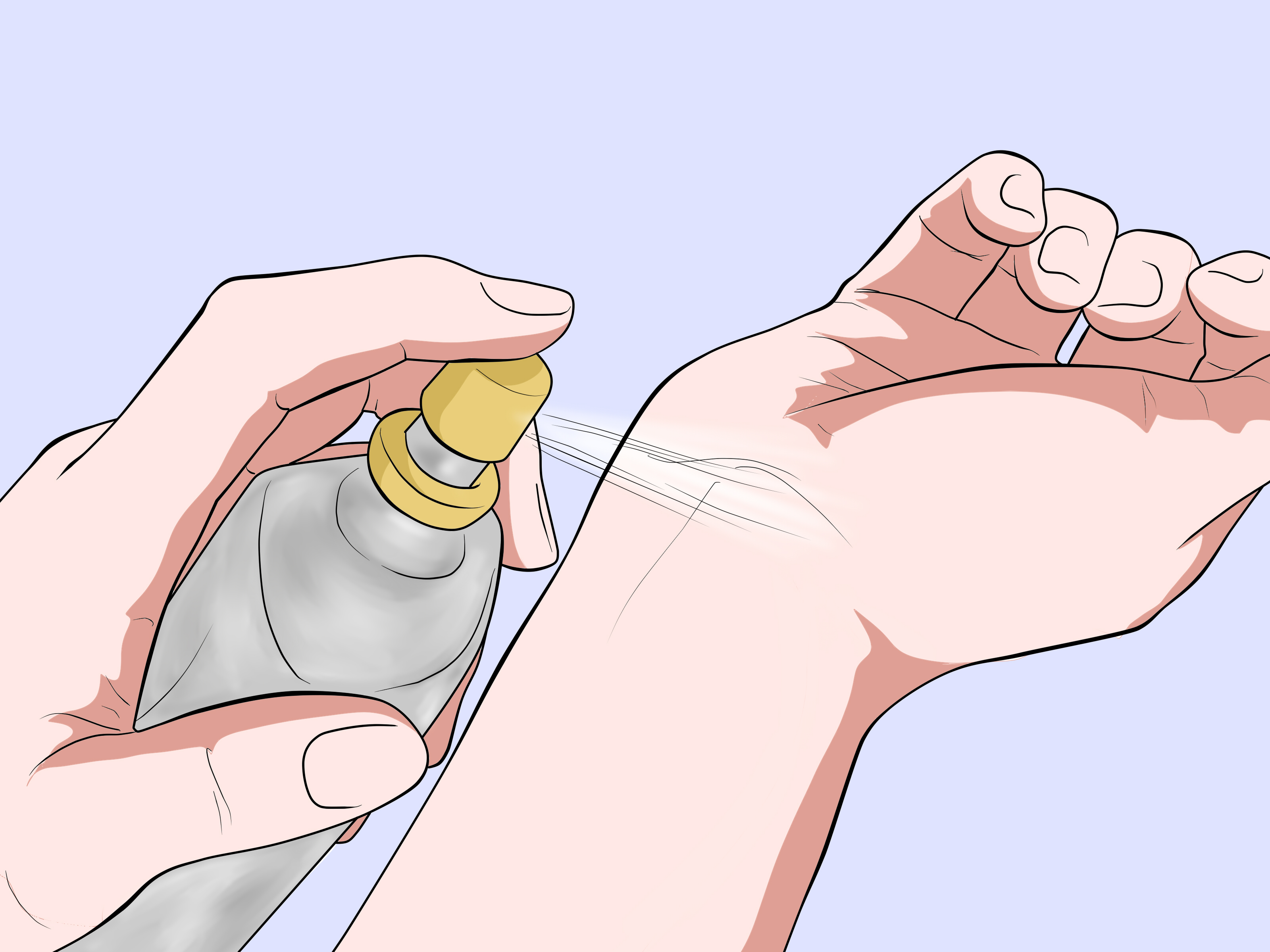
Blotter strips are helpful for the first pass, but skin is the real audition. Perfume interacts with your body chemistry, skin type, and even how dry or moisturized your skin is that day. What smells creamy and luxe on your friend may turn sharp, powdery, or strangely candle-adjacent on you.
Spray your finalists on skin and give each one its own space. Wrists, inner arms, or elbow creases work well. Do not test six perfumes on one arm unless you are trying to become a scented abstract painting.
Step 6: Wait for the Dry-Down Before You Judge
This step saves money and regret. The opening of a perfume is often bright and attention-grabbing, but the heart and base tell the real story. Give a fragrance at least 30 minutes before making a decision. Better yet, wear it for a full day.
You may discover that:
- the vanilla becomes smoky instead of sugary
- the floral turns warm and velvety
- the spice softens into skin-like musk
- or the “dream scent” becomes oddly loud by lunchtime
Winter perfume should evolve in a way you enjoy, not punish you for your optimism.
Step 7: Think About Where You Will Wear It
A great winter fragrance for a candlelit dinner may be too much for a small office. Likewise, a clean musk with cedar may feel perfect for work but disappear when you want something dramatic for a night out. The smartest perfume wardrobes match the moment.
Best winter perfume styles by occasion
- Workday: soft woods, clean musk, airy amber, understated florals
- Date night: vanilla spice, amber rose, leather, incense, patchouli
- Weekend casual: cozy gourmand, tea notes, soft sandalwood, subtle smoke
- Formal events: elegant florals, polished woods, refined amber blends
If you only want one bottle, choose the fragrance that feels versatile enough to dress up or down. A cedar-vanilla, rose-amber, or musk-sandalwood combination is often a safe bet.
Step 8: Match the Perfume to Your Personal Style
Fragrance should feel like an extension of your wardrobe, not a random side quest. If you live in black turtlenecks and tailored coats, a syrupy candy scent may not feel like home. If you love soft knits, glossy lips, and warm lattes, an austere smoky oud may feel a little too villain-coded for daily life.
Think of your perfume the way you think of accessories. Minimalist style often pairs beautifully with clean woods, musks, iris, or tea notes. Romantic dressers may love rose, vanilla, amber, and powdery florals. Bold dressers can go for leather, spice, oud, or boozy notes. Your winter perfume should make sense with the version of yourself you most enjoy being.
Step 9: Use Discovery Sets, Travel Sprays, and Samples First
Buying a full bottle after one spray is the fragrance equivalent of adopting a Great Dane because you liked one puppy photo. Slow down.
Discovery sets, travel sizes, and sampler kits are perfect for choosing a winter perfume because they let you test multiple scent families over time. Wear one while commuting, one at dinner, one on a rainy day, and one while doing absolutely nothing glamorous at home. A perfume that still feels wonderful during boring errands is usually a keeper.
Also, samples reveal whether a scent stays interesting. Some perfumes have a stunning opening and a snoozy finish. Others bloom beautifully after an hour. Let them prove themselves.
Step 10: Layer Smartly for More Depth
Layering can make a winter fragrance feel more personal and help lighter scents work better in cold weather. The easiest way to start is with matching or complementary body products, such as unscented moisturizer, a vanilla lotion under a woody scent, or a musk body oil beneath an amber perfume.
If you layer perfumes, keep the combinations simple at first. Pair scents with similar undertones so they do not clash.
Easy winter layering ideas
- Vanilla + cedar: cozy and polished
- Rose + amber: elegant and warm
- Citrus + sandalwood: fresh with depth
- Musk + spice: soft but memorable
Moisturized skin also helps fragrance cling better, which is particularly useful in winter when dry skin tends to make perfume disappear faster than your motivation in January.
Step 11: Trust Your Nose, Not the Hype
A trending winter perfume is not automatically your winter perfume. Social media loves a bestseller, but popularity does not guarantee chemistry. Some cult favorites are beautiful. Some are just famous. Those are not the same thing.
Choose the scent that makes you feel confident, comfortable, and a little bit delighted. If it smells amazing on you and you want to keep sniffing your own sleeve like a suspiciously glamorous detective, that is a strong sign you picked well.
Common Mistakes to Avoid When Choosing a Winter Fragrance
- Buying after only smelling the opening
- Testing too many scents at once
- Ignoring how perfume changes on your skin
- Choosing by trend alone
- Overapplying rich perfume in close spaces
- Skipping moisturizer when your skin is dry
- Rubbing your wrists together after spraying
What a Great Winter Perfume Usually Includes
There is no single formula, but many standout winter perfumes share a few qualities: a warm or textured base, a clear point of view, and enough balance to stay wearable. For example, vanilla can feel grown-up when paired with incense, woods, pink pepper, or saffron. Rose becomes cooler and moodier with patchouli or amber. Citrus becomes winter-friendly when grounded by cedar, musk, or tea.
That balance is what separates a perfume that is pleasant from one that becomes part of your seasonal identity.
Conclusion
Choosing a winter perfume is less about finding the “best” bottle on the shelf and more about finding the one that feels right on your skin, in your routine, and in your version of winter. Start with the mood you want, learn the fragrance families, check the base notes, test on skin, let the scent dry down, and give it a real-life trial before committing. If you do that, you are much more likely to end up with a fragrance that feels less like a purchase and more like a signature.
And that is the real goal: a winter perfume that makes cold days smell better, sweaters feel fancier, and ordinary errands oddly cinematic.
Real-World Experiences Choosing a Winter Perfume
One of the most common experiences people have when shopping for a winter perfume is realizing they do not actually want the same kind of scent they wear in July. Someone who loves crisp citrus in summer may suddenly crave vanilla, sandalwood, or cardamom once the temperature drops. It is not a personality crisis. It is seasonal instinct. In winter, many people want fragrance to feel softer, cozier, and more wrapped up.
Another very real experience: falling in love with a perfume on paper and then meeting its completely different cousin on your skin. Maybe the opening is all creamy vanilla and spice, but an hour later it turns oddly sharp. Or a smoky fragrance that seemed too intense on a blotter becomes smooth and addictive once it warms up on your arm. This is why seasoned perfume shoppers keep repeating the same advice: test it on skin and live with it before buying.
There is also the classic “department store overload” moment. At first, everything smells exciting. Ten minutes later, nothing smells like anything. Your nose is tired, your judgment is shaky, and now a bottle you ignored earlier suddenly seems like genius. This is where samples and travel sprays become heroes. Taking a fragrance home removes the pressure and lets you try it in normal life: on a cold walk, at work, during dinner, or while binge-watching something dramatic under a blanket.
Many people also discover that winter perfume becomes tied to memory faster than expected. A fragrance worn during holiday dinners, weekend trips, or even one particularly great date can become part of how that season is remembered. Years later, one spray can bring back a whole winter mood: the coat, the weather, the music, the person, the version of you that existed then. Perfume is sneaky like that.
And then there is the confidence factor. The right winter scent can make someone feel unexpectedly pulled together. Not louder, necessarily. Just more complete. A soft amber before a work meeting, a smoky vanilla before dinner, or a cedar-musk combo on a regular Tuesday can shift how the day feels. It is a small ritual, but a powerful one.
In the end, the best experiences with winter perfume usually come from patience. Not chasing hype. Not panic-buying the prettiest bottle. Just testing, noticing, and paying attention to what keeps drawing you back. The bottle you miss when you are not wearing it? That is usually the one.