A wedding gown is not just “a dress.” It is the dress that survived happy tears, champagne hugs, dance-floor twirls, outdoor photos, cake cutting, and at least one person stepping on the train while saying, “Oops, sorry!” Cleaning it takes more care than tossing a blouse into the washer and hoping for the best. A gown may include satin, silk, chiffon, tulle, lace, beading, embroidery, boning, glue, sequins, pearls, or delicate appliqués. Each part can react differently to water, heat, detergent, friction, and stain removers.
The good news: many small marks can be handled safely at home with calm hands and the right technique. The better news: you do not need to become a textile scientist overnight. The secret is knowing when to spot clean, when to wash, when to steam, and when to stop touching the gown and call a professional before your “quick fix” becomes a permanent souvenir.
This guide explains how to clean a wedding gown safely, from emergency stain treatment to gentle washing, drying, steaming, and long-term preservation.
Before You Clean: Know What Your Wedding Gown Is Made Of
Before any water, detergent, or stain remover touches the gown, read the care label. If the label says “dry clean only,” “spot clean only,” or gives special restrictions, take that seriously. Wedding dresses are often made from multiple materials, and the outer fabric may not tell the whole story. A polyester satin gown is usually more forgiving than a silk gown. A plain crepe dress is easier to handle than a heavily beaded ball gown with glued embellishments.
Look closely at four areas: the fabric, the lining, the embellishments, and the structure. Silk, organza, and rayon can water-spot or shrink. Lace can snag. Tulle can tear if scrubbed. Beads and crystals may loosen if soaked. Boning, padding, and inner construction can trap water and dry slowly. If the gown has vintage fabric, heirloom lace, metallic thread, painted details, or glued decorations, professional cleaning is the safer route.
When Professional Cleaning Is the Smart Choice
Choose a wedding gown specialist if the dress is silk, heavily embellished, very expensive, vintage, stained with wine or mud, or labeled dry clean only. Also choose a pro if the stain is larger than a coin, has already dried, or involves unknown substances. Professional gown cleaners inspect visible and invisible stains, treat different materials separately, and package the dress for long-term storage. This matters because clear spills like white wine, soda, perfume, and sugar can dry invisibly, then oxidize into yellow or brown stains later. Sneaky little villains, those invisible stains.
Build a Wedding Gown Cleaning Kit
For safe spot cleaning and light maintenance, gather supplies before you start. You do not want to hunt for a white towel while a red wine stain is having a dramatic career moment.
- Clean white cotton towels or microfiber cloths
- Cotton swabs
- Paper towels
- Gentle liquid detergent for delicates
- Mild dish soap
- Distilled white vinegar
- Cool water or distilled water
- Cornstarch, baby powder, or baking soda
- A soft toothbrush
- Clean bathtub or large basin
- Mesh laundry screen or white sheet for support
- White cotton gloves for handling a clean gown
Avoid chlorine bleach, harsh stain removers, colored towels, aggressive scrubbing brushes, high heat, and mystery internet potions that sound like they were invented in a kitchen during a thunderstorm. Wedding gowns deserve chemistry, not chaos.
How to Spot Clean a Wedding Gown Safely
Spot cleaning is best for small, fresh stains. The golden rule is simple: blot, do not rub. Rubbing can spread the stain, distort sheer fabric, dull satin, pull threads, or create a water ring. Blotting lifts the stain gently without bullying the fabric.
Step 1: Test First
Choose a hidden seam allowance, hem underside, or inner lining area. Dab a tiny amount of your cleaning solution onto the test spot with a white cloth. Wait a few minutes. Check for color change, water marks, texture change, puckering, or shine loss. If anything looks strange, stop and call a specialist.
Step 2: Place a Towel Under the Stain
Separate the stained layer from the rest of the dress. Put a clean white towel or folded paper towel underneath the stained area. This keeps the stain from transferring into lower layers and gives the soil somewhere to go as you blot.
Step 3: Work From the Outside In
Start at the outer edge of the stain and move toward the center. This prevents the stain from spreading outward. Use light pressure and switch to a clean section of towel often. If the towel shows color transfer, that means the stain is moving. Excellent. Quiet celebration allowed.
Step 4: Rinse Lightly and Dry Carefully
After treating the spot, dab with a cloth dampened with cool clean water to remove residue. Then blot with a dry white towel. Let the area air-dry completely. Avoid direct heat from irons, curling irons, or hair dryers set too hot. Heat can set stains and damage delicate fibers.
How to Treat Common Wedding Gown Stains
Makeup and Foundation
Makeup usually contains oils and pigments, so it needs a gentle grease-cutting approach. First, lift any excess makeup with the dull edge of a spoon or a clean card. Do not smear it. Add a drop of mild dish soap to cool water, dip a white cloth into the solution, and blot the stain lightly. Rinse by blotting with clean water, then dry with a towel.
Oil, Grease, and Food
For oily stains from dressing, butter, pizza, or sauces, cover the mark with cornstarch or baby powder and let it sit for at least 15 minutes. The powder helps absorb oil before it sinks deeper. Brush it away gently. If needed, dab with a mixture of mild dish soap and water. For stubborn grease on durable fabric, a tiny amount of white vinegar mixed with dish soap may help, but always test first.
Red Wine or Coffee
Red wine and coffee demand speed but not panic. Blot the excess liquid with a white towel. Mix a drop of mild dish soap into cool water and gently dab the stained area from the outside inward. Keep layers separated so the liquid does not travel through the gown. Avoid rubbing, soaking only one area aggressively, or using hot water, which can make some stains harder to remove.
Grass and Dirt
If the hem picked up dirt during outdoor photos, let mud dry first. Dry dirt is easier to brush off gently. Wet mud smears like a toddler with finger paint. For grass stains, especially on silk, lace, or the train, it is often wiser to leave the stain for a professional after the wedding. A rushed fix can turn a small green mark into a large green cloud.
Blood
Use cool water, never hot. Blot fresh blood with a white cloth dampened in cool water. A cotton swab can help target a tiny spot. If the gown is sturdy and washable, a small amount of gentle detergent may help after testing. For silk, vintage fabric, or large stains, professional cleaning is safest.
Pollen
Pollen is sneaky because rubbing pushes it deeper into fibers. Do not touch it with water right away. First, lift loose pollen with clean tape or gently blow it away with cool air. If color remains, cover the area with cornstarch or baking soda and leave it for a short time before brushing lightly.
Can You Wash a Wedding Gown at Home?
Sometimes, yes. But “can” and “should” are not twins. A simple, washable gown made from polyester or another durable synthetic fabric may be cleaned at home if the care label allows it. A delicate silk gown, structured couture gown, or heavily beaded dress should usually go to a professional.
Never put a wedding gown in a washing machine unless the label clearly permits machine washing and the gown is simple, lightweight, and not embellished. Even then, hand washing is usually gentler. Machines can twist fabric, break beads, bend boning, snag lace, and create wrinkles that look like the gown lost a fight with a suitcase.
How to Hand Wash a Wedding Gown
Step 1: Clean the Tub First
Scrub and rinse the bathtub thoroughly before using it. Remove soap scum, bath oils, hair products, and cleaning residue. Then rinse again. A wedding gown should not become a sponge for yesterday’s shampoo.
Step 2: Fill With Cool Water
Use cool water and a small amount of gentle detergent made for delicates. Too much detergent is hard to rinse out and can leave residue. Swish the water with your hand to distribute the detergent evenly.
Step 3: Soak the Hem and Train First
The hem and train are usually the dirtiest parts. If the bodice is delicate, you can keep the upper part out of the water while soaking the lower portion. Let the hem soak for 30 minutes, then gently loosen soil with your fingers or a soft toothbrush. Use very light pressure around lace and embroidery.
Step 4: Wash in Sections
Move slowly from hem to skirt to bodice. Support the weight of the wet fabric because wet gowns become heavy. Do not lift the dress by straps, sleeves, or delicate seams. If the gown has several layers, clean one layer at a time and avoid tangling tulle or netting.
Step 5: Rinse Thoroughly
Drain the soapy water and refill with clean cool water. Gently move the gown through the water. Repeat until no detergent remains. Residue can attract dirt or discolor fabric over time, so rinsing matters as much as washing.
How to Dry a Wedding Gown Without Damaging It
Do not wring or twist the gown. Press water out gently with clean towels. If possible, lay the gown flat on a white sheet or drying rack with towels underneath. Keep it away from direct sunlight, heaters, damp bathrooms, and outdoor dust. Hanging a wet gown can stretch seams because water adds weight. If you must hang it briefly, use the internal hanging loops, not the shoulder straps.
Let the gown dry completely before storing. Even a slightly damp lining can invite mildew, and mildew is not the kind of “something old” anyone wants near a wedding dress.
Steaming and Wrinkle Removal
Once the gown is clean and dry, use a garment steamer carefully if the fabric allows it. Hold the steamer away from the fabric and test on an inconspicuous area first. Do not press the steamer head directly onto lace, beads, or appliqués. For silk or vintage gowns, ask a professional. Ironing is risky because direct heat can scorch fabric, flatten texture, melt synthetic fibers, or loosen glued details.
How to Preserve a Wedding Gown After Cleaning
Cleaning removes stains; preservation protects the gown for the future. If you want to keep the dress as an heirloom, sell it, donate it, or pass it down, preservation is worth considering. A professional preservationist will inspect the gown, treat stains, make small repairs if needed, and pack it with archival materials.
For home storage, use an acid-free box and acid-free tissue paper. Tissue should cushion folds, sleeves, bodice areas, and layers so the fabric is not crushed. Avoid regular cardboard, dry-cleaner plastic bags, and airtight plastic storage. Plastic can trap moisture, and ordinary cardboard can contribute to discoloration over time.
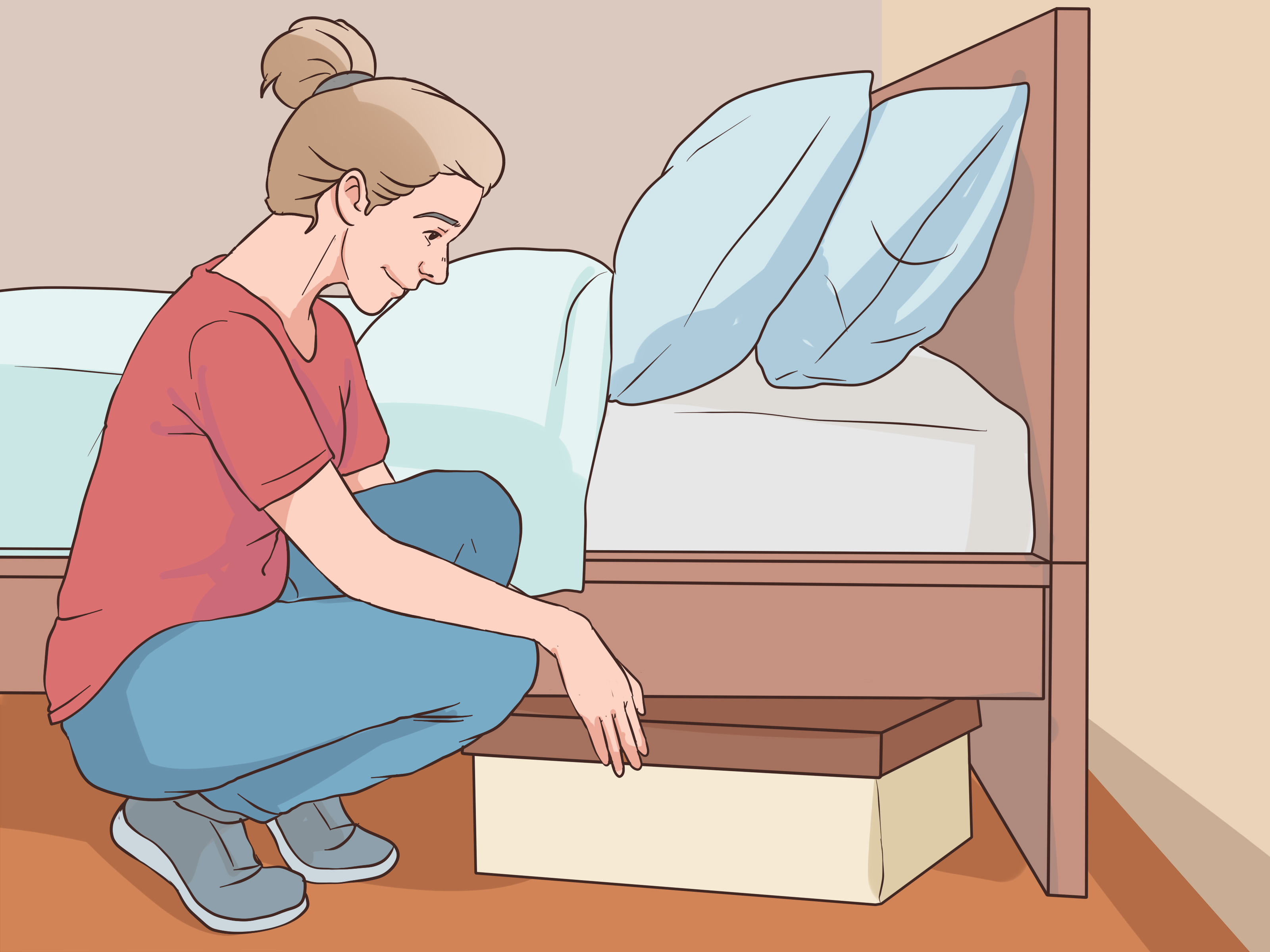
Store the gown in a cool, dry, dark space inside your living area. A closet shelf or under-bed storage area is better than an attic, basement, garage, or laundry room. Avoid heat, humidity, direct sunlight, and big temperature swings. Once a year, inspect the gown with clean hands or cotton gloves. Look for new stains, yellowing, pests, moisture, or compressed folds.
What Not to Do When Cleaning a Wedding Gown
- Do not scrub aggressively.
- Do not use chlorine bleach.
- Do not use colored towels for blotting.
- Do not soak glued beads or delicate appliqués without expert advice.
- Do not use hot water on unknown stains.
- Do not store the gown while damp.
- Do not leave it in a plastic dry-cleaning bag for long-term storage.
- Do not hide stains from your cleaner; tell them exactly what happened and what you used.
Real-Life Experience: What Cleaning a Wedding Gown Actually Feels Like
Cleaning a wedding gown is one of those tasks that sounds simple until the dress is spread across the bed like a royal parachute. The first experience many people have is emotional, not technical. You lift the hem and suddenly remember the garden photos, the dance floor, the cake table, and the hug from an aunt wearing very enthusiastic lipstick. The gown becomes a scrapbook made of fabric.
The most useful lesson is to slow down. Rushing is what causes most mistakes. A tiny makeup mark near the neckline can feel like an emergency, but panic rubbing often does more damage than the stain itself. A better approach is to breathe, place a white towel underneath, test your cleaner, and blot gently. It feels almost too slow, but that is the point. Wedding dress cleaning is less like washing dishes and more like persuading a nervous cat to come out from under the sofa.
Another experience people often underestimate is how heavy a wet gown can become. A dry dress may feel manageable, but once layers of lining, tulle, satin, and train absorb water, the weight increases quickly. That is why supporting the gown matters. Pulling it up by the straps or sleeves can stretch seams or distort the bodice. If washing at home, it helps to have a second person nearbynot to offer dramatic opinions, but to support fabric and hand you towels.
Stains also teach humility. Some marks disappear quickly, especially fresh food smudges on durable fabric. Others look better at first, then reappear as the fabric dries. This is common with oily stains, sugar-based spills, and soil that has traveled through multiple layers. The best experience-based advice is to treat the visible spot, but remember that the gown may still need professional cleaning afterward. A dress can look clean under bedroom lighting and still hide residue that yellows months later.
Storage is another lesson learned the hard way. Many people carefully clean the gown and then put it back into the plastic garment bag from the bridal shop. It feels protective, but it is not ideal for long-term preservation. A breathable, acid-free, supported storage method is better. The gown should be clean, fully dry, gently folded with tissue, and kept somewhere boring: cool, dark, dry, and stable. Boring storage is beautiful storage.
The final experience is surprisingly satisfying. Once the gown is clean, dry, and safely packed, there is a feeling of closing the wedding chapter without losing it. Whether you keep the dress forever, sell it, donate it, redesign it, or save it for a future family member, proper cleaning gives you options. It preserves not only fabric, but also the stories stitched into it.
Conclusion
Learning how to clean a wedding gown is really learning how to respect delicate fabric, hidden stains, and big memories at the same time. Small fresh stains can often be spot cleaned with a white cloth, cool water, gentle detergent, and patient blotting. Washable gowns may be hand washed carefully in a clean tub, but silk, vintage gowns, heavy embellishments, and serious stains belong with professionals. After cleaning, proper drying and storage are just as important as stain removal. Use acid-free materials, avoid plastic bags, keep the gown away from heat and humidity, and inspect it from time to time.
A wedding gown may have had one big day in the spotlight, but with the right care, it can stay beautiful for decades. Treat it gently, store it wisely, and pleasewhatever you dodo not attack satin with a scrub brush like it owes you money.