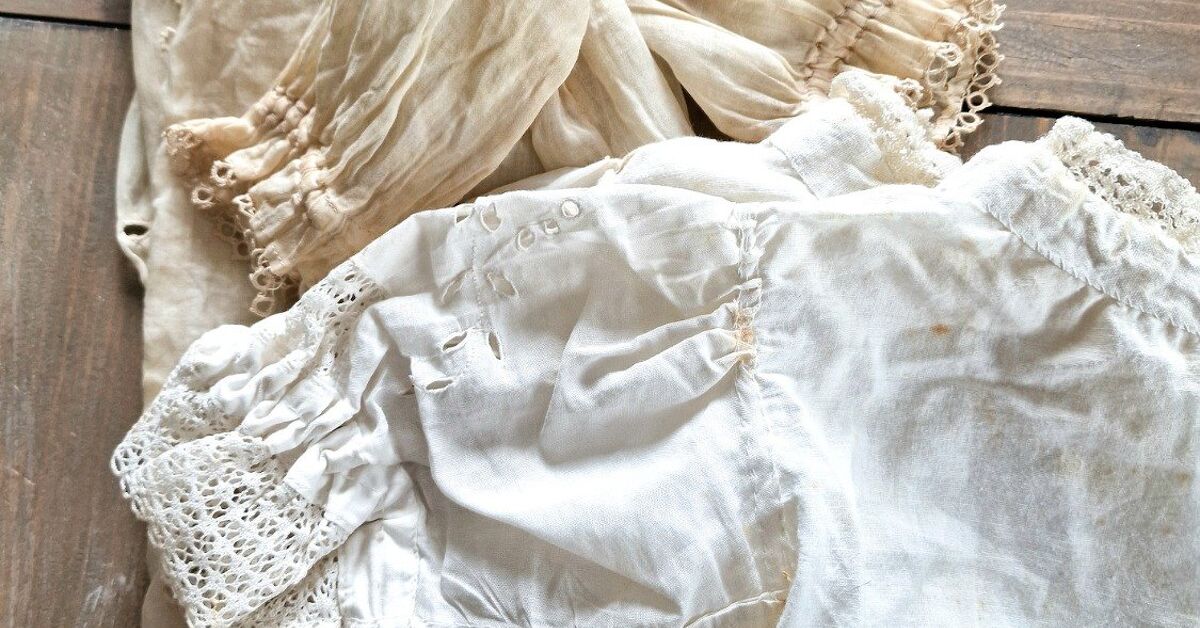
Vintage linens are tiny time machines. A hand-embroidered table runner can whisper stories about holiday dinners, Sunday tea, and that one aunt who believed every casserole needed marshmallows. But when those linens come out of storage yellowed, musty, or freckled with mysterious brown spots, the romance fades fast. Suddenly, you are not admiring heirloom craftsmanship. You are staring at a stain that looks like it has its own retirement plan.
The good news: many vintage cotton and linen pieces can be brightened safely with oxygen bleach, commonly known through the brand OxiClean. The important word is many, not all. Antique linens are older, weaker, and sometimes more dramatic than they look. Cleaning them requires patience, gentle handling, and a willingness to repeat a slow soak instead of attacking the fabric like it owes you money.
This guide explains how to clean vintage linens using Oxi-Clean-style oxygen bleach, when to avoid it, how to test delicate pieces, how to soak and rinse properly, and how to store your rescued treasures so they do not return to their yellow cave of sadness.
What Is Oxi-Clean, and Why Is It Useful for Vintage Linens?
OxiClean is a popular oxygen-based stain remover. Unlike chlorine bleach, oxygen bleach releases oxygen when dissolved in water. That oxygen helps loosen organic stains, body oils, age-related yellowing, and dull residue trapped in washable fabrics. It works more slowly than chlorine bleach, but that slower pace is exactly why many home laundry experts prefer it for brightening white cotton, linen, and washable table linens.
Think of oxygen bleach as the polite guest at the laundry party. Chlorine bleach barges in, yells, and may weaken fibers if overused. Oxygen bleach knocks, brings snacks, and takes its time. It is not magic, but it can be remarkably effective on yellowed napkins, pillowcases, dresser scarves, doilies, tablecloths, tea towels, and embroidered linens that pass a colorfastness test.
Before You Start: Decide Whether the Linen Should Be Washed at All
Not every vintage linen should be cleaned at home. Some pieces are too fragile, valuable, or historically important to risk in a sink. Before mixing anything, hold the fabric up to bright light. Look for thinning areas, broken threads, holes, lace that is coming apart, rust marks around old pins, weak seams, or embroidery threads that appear loose.
If the fabric tears when lightly tugged, sheds fibers, feels brittle, has metallic threads, contains silk or wool, includes painted decoration, or has sentimental or monetary value beyond normal household use, stop. A textile conservator or professional cleaner experienced with antique fabric is the safer choice. No blog article, not even one wearing its fanciest apron, can guarantee the survival of a 100-year-old handkerchief that has been folded in an attic since the Roosevelt administration.
Good Candidates for Oxi-Clean Soaking
Oxygen bleach is most suitable for sturdy washable white or colorfast cotton and linen pieces. Good candidates include vintage cotton napkins, white linen tablecloths, plain pillowcases, cotton dresser scarves, hand towels, and some embroidered pieces from the early-to-mid 20th century if the thread color does not bleed.
Bad Candidates for Oxi-Clean Soaking
Do not use Oxi-Clean or oxygen bleach on silk, wool, leather, dry-clean-only textiles, wooden buttons, painted fabrics, non-colorfast embroidery, extremely fragile lace, antique clothing with structure, or heirloom textiles that you cannot emotionally survive losing. If the thought of damage makes your stomach drop, do not use the “let’s just see what happens” method. That method has ruined many linens and probably a few family relationships.
Supplies You Will Need
Gather everything before the fabric gets wet. Wet vintage linens are weaker than dry ones, so you do not want to run around the house looking for towels while holding a dripping tablecloth like a laundry ghost.
- OxiClean powder or another oxygen bleach product
- Mild liquid laundry detergent or a gentle textile-safe soap
- A clean basin, bucket, sink, or bathtub
- Cool, tepid, or warm water, depending on the fabric
- White towels
- Rubber gloves
- A white cotton cloth for color testing
- A drying rack, clean sheet, or flat outdoor drying surface
- Acid-free tissue or clean cotton muslin for storage
Step 1: Shake, Inspect, and Pre-Rinse
Start dry. Gently shake the linen outside to remove dust. Do not snap it like a beach towel. Vintage fibers do not appreciate gymnastics. If the piece has loose dirt, you can lightly pat it or use a low-suction vacuum through a screen, but for most household linens, a careful shake and inspection are enough.
Next, fill a basin with cool or tepid water and submerge the linen without detergent or OxiClean. Let it soak for 15 minutes to several hours. This plain-water presoak loosens old dust, storage grime, and water-soluble residue. If the water turns tea-colored, congratulations: your linen has been holding a tiny swamp. Drain and repeat with fresh water until the water looks clearer.
Step 2: Test for Colorfastness
If the linen has embroidery, colored borders, monograms, lace inserts, or printed designs, test before soaking. Dampen a clean white cloth with water and gently press it against the colored thread or design on the back side of the fabric. If color transfers to the cloth, do not soak the item in OxiClean. Hand wash quickly in cool water with mild detergent only, or consult a professional.
Even if the colors pass the first test, keep an eye on the soaking water. If it starts turning pink, blue, green, or suspiciously festive, remove the linen immediately and rinse. Color bleeding is not a “wait and see” situation. It is a “rescue mission with towels” situation.
Step 3: Mix the Oxi-Clean Solution Properly
Follow the package directions for your OxiClean product. For vintage linens, use a conservative amount rather than assuming more powder equals more beauty. Too much oxygen bleach can leave residue and make rinsing harder. Dissolve the powder fully in warm water first, then add cooler water if the fabric should not be exposed to heat.
Do not pour dry OxiClean directly onto vintage fabric. Concentrated powder sitting on old fibers can create uneven treatment. Also, do not use boiling water on antique linens. Hot water may help activate oxygen bleach, but heat can shrink, stress, or set certain stains in delicate fabric. Warm water is usually a better compromise for sturdy cotton and linen; tepid water is safer when you are uncertain.
Step 4: Soak Gently, Then Wait
Place the linen into the dissolved Oxi-Clean solution. Make sure the fabric is fully submerged and not crowded. If you are cleaning a large tablecloth, use a bathtub or large storage bin so the cloth can move freely. Crowding causes uneven cleaning and makes the linen sulk in folds.
Gently press the linen under the water with gloved hands. Do not scrub, twist, or wring. Let the solution do the work. Oxygen bleach is a slow cleaner, and vintage stains are stubborn little historians. A soak may take one hour, overnight, or repeated sessions with fresh solution. For badly yellowed but sturdy linens, several gentle soaks over a few days can work better than one aggressive cleaning attempt.
How Long Should Vintage Linens Soak?
For a lightly yellowed napkin, one to three hours may be enough. For an old tablecloth with decades of storage discoloration, an overnight soak may be more realistic. For severe yellowing, repeat the process with a fresh solution rather than leaving the fabric in the same dirty water forever. Once the water is brown or gray, it is no longer a spa bath. It is soup, and your linens deserve better.
Step 5: Wash by Hand with Mild Detergent
After soaking, drain the Oxi-Clean solution and refill the basin with clean tepid water. Add a small amount of mild detergent. Swish the linen gently through the water. Focus on movement, not force. Do not rub embroidery, lace, drawn-thread work, or monograms.
If a stain remains, resist the urge to attack it with a brush. Instead, apply a tiny amount of mild detergent with your fingertips and gently tap the area. For rust stains, ink, mildew, or old mystery stains, home methods can be risky. Rust removers and strong stain products may damage old fibers, so proceed carefully or seek professional help.
Step 6: Rinse, Rinse, and Rinse Again
Rinsing is where many people get lazy, and the linens pay the price. Soap and oxygen bleach residue can attract soil, stiffen fibers, and cause yellowing later. Drain the wash water and refill with clean water. Gently press the linen through the rinse water. Repeat until the water runs clear and the fabric no longer feels slippery.
Do not wring the linen. Wringing twists wet fibers and can create permanent stress lines or tears. Instead, lift the piece with both hands, supporting its weight. Lay it flat on a clean white towel, roll the towel and linen together, and press gently to remove excess water. You are making a linen burrito, not arm-wrestling a bedsheet.
Step 7: Air-Dry Flat
Air-drying is best for vintage linens. Lay the piece flat on a clean white towel or sheet. If drying outside, choose a clean surface in bright indirect light or gentle sun. Sunlight can help brighten white cotton and linen, but prolonged harsh sun can weaken fibers and fade colored embroidery. For colored or embroidered pieces, shade is safer.
Avoid the dryer unless the piece is sturdy, replaceable, and not particularly old. Dryer heat can shrink fabric, set remaining stains, and create unnecessary wear. If the linen is nearly dry and slightly damp, that is the perfect time to press it.
Step 8: Iron While Slightly Damp
Ironing vintage linens while they are slightly damp gives a crisp, smooth finish. Use the linen or cotton setting only if the fabric can handle it. Place embroidered pieces face down on a padded towel so the stitches are not flattened. Press, do not drag aggressively.
If the piece has lace, fringe, or crocheted trim, reshape it gently while damp. Do not stretch it like pizza dough. Let it dry completely before folding or storing. Even a little trapped moisture can invite mildew, and mildew is the villain in this story.
Common Vintage Linen Stains and What to Do
Yellow Storage Stains
Yellowing often comes from age, body oils, old detergent residue, wooden drawers, cardboard boxes, or environmental exposure. Oxi-Clean soaking is often useful for washable cotton and linen. Repeat gentle soaks with fresh solution if needed.
Brown Age Spots
Small brown spots may be oxidation, mildew staining, or old food residue. Oxygen bleach may lighten them, but it may not erase them completely. Accepting a faint ghost stain is sometimes better than destroying the fabric in pursuit of perfection.
Food and Grease Stains
Old gravy, butter, and salad dressing stains can be stubborn because grease oxidizes over time. A mild detergent presoak followed by oxygen bleach may help. Avoid high heat until the stain is gone.
Rust Stains
Rust often comes from old pins, metal hangers, or storage hardware. Oxi-Clean may not remove rust. Commercial rust removers can be harsh, so test carefully or consult a textile professional.
Mildew Odor
A plain-water presoak, oxygen bleach soak, thorough rinsing, and fresh-air drying may reduce musty odor. If mildew has weakened the fibers or left black spotting, proceed cautiously. Mold-damaged textiles can tear easily.
What Not to Do When Cleaning Vintage Linens
Do not mix OxiClean with chlorine bleach, ammonia, vinegar, or other household cleaners. Mixing cleaning products can create dangerous fumes. Do not use more product than the label recommends. Do not scrub fragile fabric. Do not hang wet antique linens by clothespins if the fabric is heavy, because the weight can stretch or tear the fibers. Do not store linens in plastic bags, damp basements, hot attics, cedar chests, or cardboard boxes without protection.
Most importantly, do not expect every piece to become snow white. Vintage linens have lived lives. A tiny shadow of age can be part of their charm. Your goal is clean, fresh, stable fabricnot turning Grandma’s table runner into a laboratory sample.
How to Store Clean Vintage Linens
Once the linen is completely dry, store it in a cool, dry, dark place. Avoid direct contact with raw wood or cardboard, which can contribute to yellowing. Wrap pieces in clean cotton muslin or acid-free tissue. For larger tablecloths, fold with acid-free tissue cushioning the folds, or roll the textile around a fabric-covered tube to prevent hard creases.
Refold linens occasionally so the same crease does not become permanent. Keep them away from scented drawer liners, mothballs, perfumes, and candles. Linens may smell lovely next to lavender sachets for a week, but strong fragrance oils can stain. Clean and boring storage wins.
A Simple Oxi-Clean Cleaning Routine for Vintage Linens
- Inspect the linen for weak spots, holes, brittle areas, and loose embroidery.
- Test colored threads or printed designs for colorfastness.
- Presoak in plain cool or tepid water to loosen storage grime.
- Dissolve OxiClean fully in warm water, following package directions.
- Soak the linen gently for one hour to overnight, depending on discoloration.
- Drain and hand wash with mild detergent.
- Rinse several times until the water is clear.
- Roll in a clean white towel to remove extra moisture.
- Air-dry flat on a towel or clean sheet.
- Press while slightly damp and store with acid-free tissue or cotton muslin.
Real-Life Experience: What Cleaning Vintage Linens Usually Feels Like
Cleaning vintage linens with Oxi-Clean is not like tossing gym socks into the washer and hoping for the best. It feels more like a slow treasure rescue. The first lesson is patience. The first soak may look disappointing. You may stare at the basin and think, “That’s it?” Then you drain the water and realize it has turned the color of weak iced tea. That is progress. Not glamorous progress, but progress.
One of the most useful habits is photographing the linen before you begin. Take pictures of the stains, embroidery, lace, and any weak spots. This helps you compare results after each soak. Sometimes the improvement is subtle, and without photos you may convince yourself nothing happened. Laundry drama loves poor documentation.
Another practical trick is to clean similar items together, but only after testing. White cotton napkins can usually share a bath. A white table runner with red embroidery should get its own basin until you know the red thread behaves. Red embroidery is charming until it turns your wash water into fruit punch.
For large tablecloths, the bathtub is often easier than the sink. Dissolve the Oxi-Clean powder separately in a pitcher or small bucket first, then add it to the tub water. This prevents gritty powder from landing directly on one area. Move the fabric by pressing and lifting sections gently. Do not drag it around the tub like you are panning for gold.
The most satisfying moment usually comes after rinsing. A linen that looked tired and gray begins to feel lighter, cleaner, and more flexible. The fabric may not become showroom white, but it often regains that soft, creamy brightness that makes vintage pieces beautiful. When it dries on a white sheet in the sun, it can look like it just returned from a very tasteful vacation.
Still, experience teaches humility. Some stains will not leave. Some yellowing improves only halfway. Some pieces reveal hidden damage once wet. That does not mean you failed. It means the linen is old, and old fabric keeps receipts. The best approach is to improve the piece without bullying it.
After cleaning, storage matters as much as washing. Many linens yellow again because they are folded into wooden drawers, sealed in plastic, or stored in humid closets. Once you have done the careful soaking, rinsing, drying, and pressing, give the linen a decent retirement plan. Wrap it in cotton or acid-free tissue, store it in darkness, and check it occasionally. Vintage linens do not ask for muchjust clean hands, dry air, and a little respect.
Conclusion
Oxi-Clean can be a helpful tool for cleaning vintage linens, especially washable cotton and linen pieces with yellowing, dullness, or old organic stains. The secret is not using the strongest possible method; it is using the gentlest effective method. Inspect first, test colors, presoak in plain water, dissolve the oxygen bleach completely, soak patiently, rinse thoroughly, dry flat, and store correctly.
Vintage linens deserve a second life, not a wrestling match. With the right care, that yellowed tablecloth, embroidered pillowcase, or stack of napkins can return to the table looking fresh, charming, and ready for company. And if one faint stain remains? Call it character. In vintage decor, character is basically a feature with better public relations.