Being a teenager already means navigating exams, friendships, family expectations, changing emotions, and group chats that somehow produce 147 notifications while saying absolutely nothing. When paranoid thoughts enter the picture, ordinary situations can feel much more threatening. A delayed reply may seem like proof that friends are plotting against you. A laugh across the cafeteria may feel aimed directly at you. Even harmless coincidences can begin to look suspicious.
These experiences can be frightening, but they are not something you have to manage alone. Paranoid thoughts can occur for many reasons, and getting support early can reduce distress, protect relationships, and help you feel more in control.
What Does Paranoia Feel Like for a Teen?
Paranoia involves strong distrust or suspicion when there is not enough reliable evidence to support the feared conclusion. You might believe that people are watching you, talking about you, trying to embarrass you, reading your messages, or secretly planning to hurt you. The fear can feel completely real even when other people do not see the same threat.
Paranoia is not simply being careful. If someone has bullied you before, being cautious around that person makes sense. The concern becomes more troubling when your mind repeatedly assumes danger, assigns hostile meanings to neutral events, or refuses to consider any other explanation. Paranoia can interfere with school, sleep, friendships, family life, and your willingness to leave home.
Having paranoid thoughts does not automatically mean you have schizophrenia or another psychotic disorder. Suspicious thoughts may appear alongside severe stress, anxiety, depression, trauma, sleep deprivation, substance use, medication effects, or physical illness. A professional evaluation is important because the right response depends on what is causing the symptoms.
Why Paranoid Thoughts May Develop During Adolescence
Stress and Social Pressure
The teenage brain is handling school deadlines, changing relationships, questions about identity, and a powerful desire to belong. When stress remains high, the mind can become overly alert for rejection or danger. It is like a home security system that starts treating the toaster as an intruder.
Bullying, family conflict, discrimination, public embarrassment, or a painful breakup can make it harder to trust people. Social media may intensify the problem because vague posts, disappearing messages, edited photos, and visible “likes” leave plenty of room for anxious interpretations.
Not Getting Enough Sleep
Sleep loss can increase irritability, confusion, emotional sensitivity, and difficulty concentrating. Teenagers ages 13 to 18 generally need 8 to 10 hours of sleep per day. One late night does not create a mental health disorder, but repeatedly sleeping very little can make frightening thoughts harder to evaluate calmly.
Alcohol, Cannabis, and Other Substances
THC-containing cannabis products can change mood, thinking, and the perception of reality. Some people experience panic, intense suspicion, or psychotic symptoms after using marijuana, especially with potent products or large doses. Other recreational drugs, stimulants, and unknown pills can also trigger paranoia. Avoiding these substances is especially important when unusual thoughts have already started.
An Emerging Mental Health Condition
Paranoia can occasionally be an early sign of psychosis, particularly when it appears with hallucinations, confused speech, social withdrawal, declining hygiene, disrupted sleep, falling grades, or difficulty separating reality from imagination. Psychosis is a collection of symptoms, not one specific diagnosis, and it can occur with several medical or mental health conditions.
How to Cope with Paranoia in the Moment
1. Calm Your Body Before Investigating the Thought
When you feel threatened, your nervous system may push you into fight, flight, or freeze mode. Trying to solve the entire situation while your heart is racing usually turns your brain into a very dramatic detective with no supervisor.
Move to a familiar, well-lit place if possible. Unclench your jaw, lower your shoulders, and breathe out more slowly than you breathe in. Then use the five-senses grounding exercise:
- Name five things you can see.
- Name four things you can physically feel.
- Name three things you can hear.
- Name two things you can smell.
- Name one thing you can taste.
Grounding does not prove that your concern is false. It lowers your physical alarm so you can make a safer decision.
2. Describe the Thought Without Declaring It a Fact
Instead of saying, “Everyone is planning something against me,” try saying, “I am having the thought that people may be planning something against me.” That small language change creates distance between you and the fear.
You are not dismissing your feelings. You are reminding yourself that a thought is information to examine, not an order you must obey.
3. Use a Simple Reality-Check
Write three headings on paper or in a private note:
- What I know: Directly observable facts.
- What I am assuming: Meanings your mind has added.
- Other possibilities: Two or three ordinary explanations.
For example, the fact may be, “Two classmates looked at me and laughed.” The assumption may be, “They were mocking me.” Other possibilities could include that they were discussing a video, remembering a joke, or laughing about something unrelated.
The goal is not to force yourself to believe the happiest explanation. It is to recognize that you may not have enough information yet.
4. Delay Major Reactions
Unless there is an obvious and immediate safety threat, avoid confronting someone, posting accusations, ending a friendship, running away, or sending an angry message while the fear is at its strongest. Give yourself at least 20 minutes to calm down and contact a trusted person.
A useful rule is: Strong feeling, slow decision.
5. Reduce Stimulation Without Isolating Yourself
Step away from noisy rooms, arguments, frightening videos, or rapidly moving social media feeds. However, do not disappear into complete isolation for days. A calm room near a supportive adult is usually safer than being alone while repeatedly analyzing the fear.
Healthy stress-management strategies can include journaling, stretching, slow breathing, spending time outdoors, taking breaks from social media, and doing familiar relaxing activities.
Create a Longer-Term Coping Plan
Track Patterns, Not Conspiracies
Keep a brief log of when the thoughts occur. Record your sleep, stress level, substance use, recent conflicts, caffeine intake, and what helped. Do not spend hours collecting “proof” about other people. The purpose of tracking is to identify triggers in your health and routine.
You may notice that suspicious thoughts become stronger after three nights of poor sleep, during exam week, after using cannabis, or when you have skipped meals. That information can help a clinician understand what is happening.
Protect Your Sleep
Keep a consistent bedtime, charge your phone away from the bed, avoid caffeine late in the day, and create a simple wind-down routine. If you are barely sleeping for several nights, tell an adult promptly. A sudden reduced need for sleep combined with unusual energy, agitation, confusion, or paranoia requires professional attention.
Stay Connected to Safe People
Choose two or three people you can contact when your thoughts become overwhelming. Your list might include a parent, older sibling, coach, school counselor, teacher, relative, therapist, or friend’s parent.
Supportive relationships and a sense of connection at home and school can help protect adolescent mental health.
Avoid Cannabis and Recreational Drugs
Do not use marijuana, alcohol, stimulants, or someone else’s medication to “calm down.” The temporary feeling of escape can be followed by worse anxiety, confusion, or paranoia. Be honest with a doctor about anything you have taken. Medical professionals need accurate information, not a courtroom confession.
Limit Online Detective Work
Repeatedly checking locations, likes, comments, profiles, or message timestamps can strengthen the cycle of fear. Set a time limit, mute triggering accounts, and ask a trusted adult to help you step away from the screen when checking becomes compulsive.
How to Tell an Adult You Are Feeling Paranoid
Explaining these thoughts may feel embarrassing, especially when you are afraid that nobody will believe you. You do not need a perfect explanation. Start with the effect the thoughts are having on you.
You could say:
- “I keep feeling watched or targeted, and I cannot calm myself down.”
- “I know this may sound unusual, but the fear feels real and is affecting my sleep.”
- “I am having trouble knowing whether some of my thoughts are accurate.”
- “I need help talking to a mental health professional.”
If the first adult dismisses you, tell another one. Try a school counselor, nurse, teacher, coach, doctor, relative, or another trusted caregiver. Being misunderstood once does not mean your experience is unimportant.
How Professional Treatment Can Help
A mental health evaluation may include questions about your thoughts, mood, sleep, medical history, medication, substance use, school performance, and recent stressful events. A clinician may also recommend a physical examination or tests to rule out medical causes.
Therapy can help you recognize triggers, test interpretations, reduce distress, improve sleep, and develop safer responses. Cognitive behavioral approaches may teach you to examine evidence and consider alternative explanations without turning every conversation into an argument about whether your fear is “real.” Family support may also be included because teens recover more effectively when trusted adults understand how to respond.
Some teens may need medication, particularly when paranoia is part of a psychotic, mood, or other serious mental health condition. Medication decisions should be made by a qualified prescriber after a careful assessment. Never begin, stop, share, or change the dose of psychiatric medication on your own.
Early treatment matters. Specialized early-psychosis programs may combine therapy, family education, medication management, peer support, and help with school or employment. Getting evaluated early does not place a permanent label on you; it gives you more options while symptoms may be easier to manage.
When Paranoia Requires Urgent Help
Tell a trusted adult immediately and seek urgent professional help if you:
- Hear voices or see things other people do not perceive.
- Believe you must defend yourself from a threat others cannot identify.
- Feel commanded to harm yourself or another person.
- Cannot tell what is real and what may be imagined.
- Have gone several nights with almost no sleep.
- Are becoming severely confused, agitated, or unable to communicate.
- Have stopped eating, bathing, attending school, or leaving your room.
- Are thinking about suicide, self-harm, or running away.
In the United States, call or text 988 for immediate crisis support. Call 911 or go to an emergency department when there is an immediate danger of injury, a medical emergency, or an inability to remain safe. The 988 Suicide & Crisis Lifeline is available at all hours and provides free, confidential support.
How Parents and Friends Can Respond
If a teen tells you about paranoid thoughts, remain calm. Mocking the belief, demanding proof, or launching into a debate may increase fear and mistrust. At the same time, do not agree that an unverified threat is definitely real.
Validate the emotion without confirming the conclusion. You might say, “That sounds terrifying. I do not see the situation in the same way, but I believe that you feel unsafe, and I will stay with you while we get help.” Listening without judgment can reduce isolation and make professional support easier to accept.
Help the teen move to a quieter setting, reduce access to weapons or dangerous items, contact a clinician, and write down major changes in sleep, behavior, school performance, or substance use. Do not leave the teen alone when there is a risk of self-harm, violence, severe confusion, or accidental injury.
What Not to Do When You Feel Paranoid
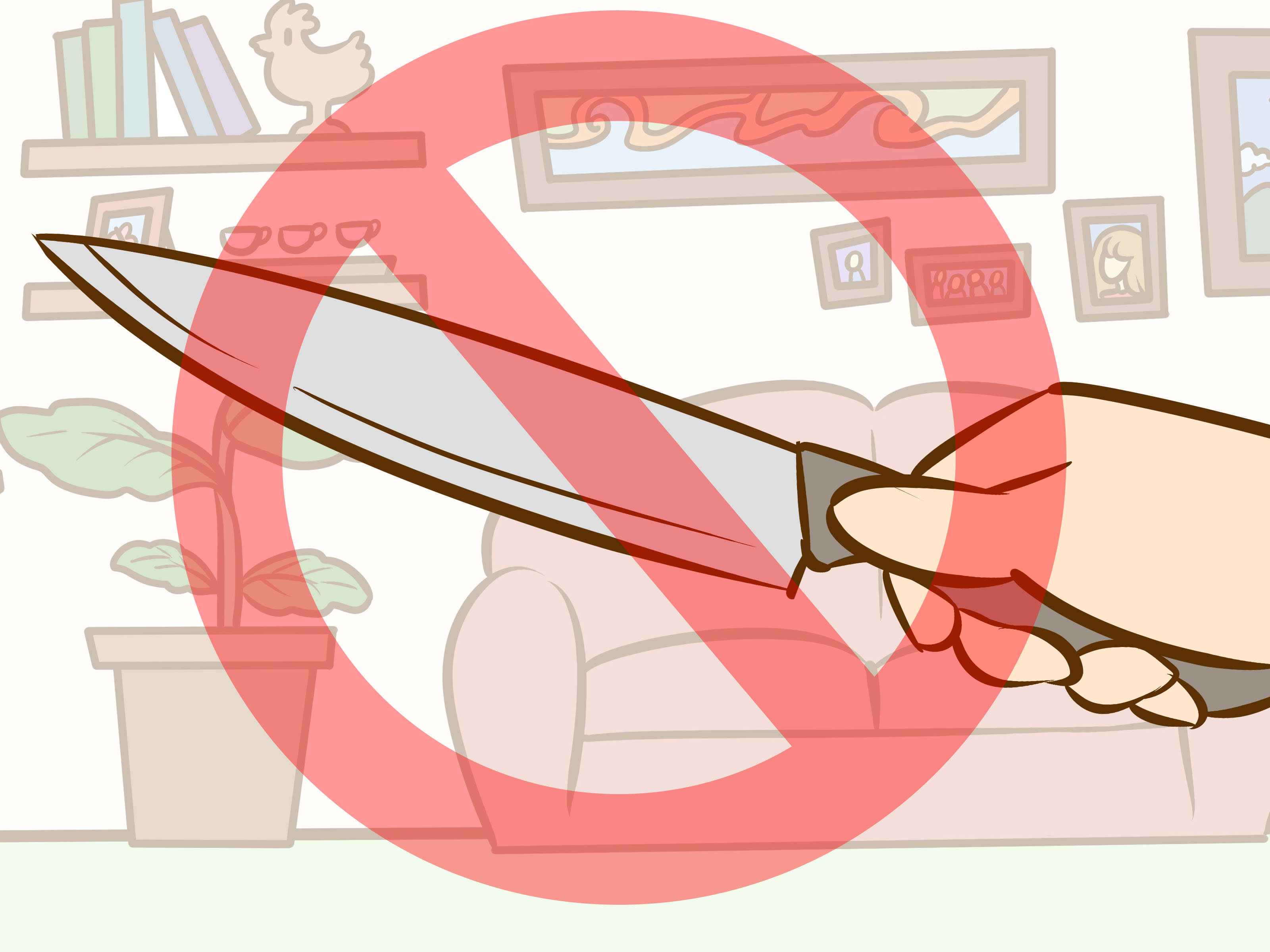
- Do not carry a weapon or create traps to protect yourself from an unverified threat.
- Do not publicly accuse classmates, teachers, family members, or strangers.
- Do not use cannabis, alcohol, or unknown pills to numb the fear.
- Do not stay awake all night researching theories or checking social media.
- Do not stop prescribed medication without contacting the prescriber.
- Do not keep worsening symptoms secret because you fear embarrassment.
Taking your feelings seriously does not mean acting on every conclusion your frightened mind produces. Safety comes first, and support is more useful than solo investigation.
Experiences of Coping with Paranoia as a Teen
The following examples are fictional composites based on common experiences. They are included to show how coping strategies may work in everyday situations.
The Group Chat Spiral
Jordan, a 16-year-old student, began believing that friends had created a second group chat to make fun of him. Whenever two people whispered or stopped talking as he approached, his suspicion felt confirmed. He started taking screenshots, comparing online activity times, and rereading old messages until two in the morning.
One afternoon, Jordan nearly posted an accusation naming several classmates. Before pressing “send,” he remembered a plan created with his school counselor: wait 30 minutes, write down the known facts, and call his older cousin. The only fact he could confirm was that his friends had been quieter than usual. Everything else involved interpretation.
His cousin did not say, “You are being ridiculous.” She said, “I can tell this is really stressing you out. Let’s slow it down.” Jordan put his phone in another room, ate dinner, and slept before deciding what to do. The fear did not vanish instantly, but its intensity dropped. Over several therapy sessions, he learned that loneliness, previous bullying, and sleep loss made him especially sensitive to signs of rejection.
The Weekend That Would Not End
Maya, age 17, used a high-THC cannabis product at a party after being awake most of the previous night. Later, she became convinced that people outside were tracking her movements through their phones. She locked herself in a bathroom and refused to come out.
A friend stayed calm, contacted Maya’s parent, and explained exactly what she had taken. Nobody tried to prove that the tracking theory was impossible. They focused on keeping her safe and obtaining medical help. Maya initially felt embarrassed, but her doctor explained that honesty about substance use was necessary for choosing the right care.
Afterward, Maya stopped using cannabis, worked on her sleep routine, and met regularly with a therapist. She also developed an emergency sentence she could use when symptoms returned: “My thoughts are becoming frightening, and I need someone to stay with me.” Having those words ready mattered because forming a perfect explanation during a crisis was nearly impossible.
Recovery Was Not a Straight Line
Alex, a 15-year-old, experienced recurring fears that strangers could recognize private thoughts by looking at facial expressions. Some weeks were easier, while stressful school periods made the fear stronger. Alex became frustrated because improvement did not happen in a neat upward line.
With support from family, a clinician, and the school, Alex created a practical plan. A counselor provided a quiet place during overwhelming moments. Teachers allowed short breaks without demanding a public explanation. At home, the family avoided interrogations and focused on regular meals, sleep, appointments, and calm activities.
Alex gradually learned that recovery did not require winning an argument with every frightening thought. Success sometimes meant attending class despite discomfort, asking for help before panic peaked, or choosing not to spend three hours analyzing a stranger’s glance. The thoughts became less powerful because they no longer controlled every decision.
These experiences share an important lesson: coping with paranoia is rarely about simply “thinking positively.” It involves lowering stress, delaying risky reactions, staying connected, avoiding substances, examining thoughts carefully, and accepting professional support. Small choices may not feel heroic, but choosing to tell someone, sleep, attend an appointment, or step away from an accusation can change the direction of an entire day.
Conclusion
Paranoia can make the world feel hostile and unpredictable, but fear does not have to become your full-time decision-maker. Begin by calming your body, separating facts from assumptions, delaying major reactions, and contacting someone you trust. Protect your sleep, avoid cannabis and recreational drugs, and seek professional help when suspicious thoughts persist or interfere with daily life.
Most importantly, do not wait for the situation to become unbearable before speaking up. Asking for help is not admitting defeat. It is replacing one frightened brain working alone with a team that has better tools, more perspective, and probably fewer open browser tabs.