A stuffy room has a special talent for making everything feel harder. Sleeping becomes a negotiation, working feels like thinking inside a warm sock, and even folding laundry starts to resemble an endurance sport. Fortunately, improving room airflow usually does not require tearing down walls or installing a wind tunnel.
Good airflow depends on three basic things: an opening where air can enter, a path through the room, and an opening or mechanical system that lets stale air escape. Windows, doors, ceiling fans, portable fans, exhaust fans, and HVAC vents can all help, but placement matters. A fan pointed randomly at a bookshelf may create movement without actually exchanging much air.
The following 11 strategies explain how to create airflow in a room using practical, affordable methods. They also cover situations in which opening a window may be the wrong choice, such as during wildfire smoke, high pollen, extreme humidity, or poor outdoor air quality.
Why Good Airflow Matters
Airflow and ventilation are related, but they are not exactly the same. Airflow is the movement of air within or between spaces. Ventilation replaces indoor air with outdoor air, while filtration removes particles from air that may remain indoors.
A desk fan can circulate air around a closed bedroom, for example, but it does not automatically remove moisture, odors, carbon dioxide, or pollutants. Opening windows, operating a properly vented exhaust fan, or using a mechanical ventilation system can create actual air exchange.
Better room ventilation can improve comfort, reduce lingering odors, control excess moisture, and dilute pollutants produced by cooking, cleaning products, paint, furnishings, and everyday human activity. It can also help prevent hot and cold pockets that make one side of a room feel tropical while the other side applies for Arctic status.
How to Create Airflow in a Room
1. Open Two Windows to Create Cross-Ventilation
Opening one window may provide some fresh air, but opening windows on opposite or adjacent sides of a room creates a more useful pathway. Outdoor air can enter through one opening while warmer or stale indoor air exits through the other.
For the strongest cross-ventilation, open windows that face different directions. Wind pressure on one side of the building can push air inside while lower pressure on the other side helps pull it out. Even partially opened windows can make a noticeable difference when positioned correctly.
If the room has only one exterior window, open the room’s door and another window elsewhere in the home. This creates a longer airflow route rather than trapping the incoming breeze in one small space.
Before opening windows, check outdoor conditions. Keep them closed when smoke, dust, ozone, heavy traffic pollution, extreme humidity, or high pollen levels would make the indoor environment worse.
2. Use a Window Fan as an Exhaust Fan
A portable fan placed near an open window can do more than blow papers off your desk. Position it so that it blows indoor air outside. This creates slight negative pressure in the room, encouraging replacement air to enter through another open window or door.
Place the fan as close to the window as practical and secure it so it cannot fall. A gap of a few feet may allow some exhausted air to circle back into the room instead of leaving the building.
Open a second window or the room door to provide make-up air. Without an intake opening, the fan may struggle to move much air and pull from cracks or unwanted locations instead.
This exhaust setup is especially helpful for removing stale air, cooking odors, mild paint smells, or accumulated heat. It is not a safe substitute for professional controls when dealing with toxic fumes, significant mold remediation, gas leaks, or combustion exhaust.
3. Create a Push-Pull Fan System
For a larger room or apartment, use two fans to establish a deliberate direction of airflow. Place one fan near a cooler, cleaner outdoor-air source and point it inward. Place the second fan at another window and point it outward.
The intake fan supplies outside air while the exhaust fan removes warm indoor air. This push-pull arrangement can produce more consistent air exchange than two fans aimed toward the center of the room.
Whenever possible, position the exhaust fan near the warmer side of the room and the intake fan on a shaded or cooler side. During summer evenings, for example, a bedroom fan can draw in cooler night air while another fan exhausts the heat accumulated during the day.
Avoid creating a strong stream that blows directly from one person toward another when illness is a concern. Direct the overall path toward the exhaust opening instead.
4. Open the Door and Improve the Air Path
A closed door can isolate a room from the rest of the home’s air circulation. Opening it increases the area through which air can move, particularly when the room has only one window or one HVAC register.
For a bedroom that stays hotter than the hallway, place a portable fan near the doorway. Aim it toward the hall to exhaust warm room air, or aim it into the room when the hallway air is cooler. Test both directions because the best choice depends on where the cooler air and pressure differences are located.
Do not assume the fan must always face into the uncomfortable room. In many layouts, pushing hot air out allows cooler replacement air to enter more effectively through another route.
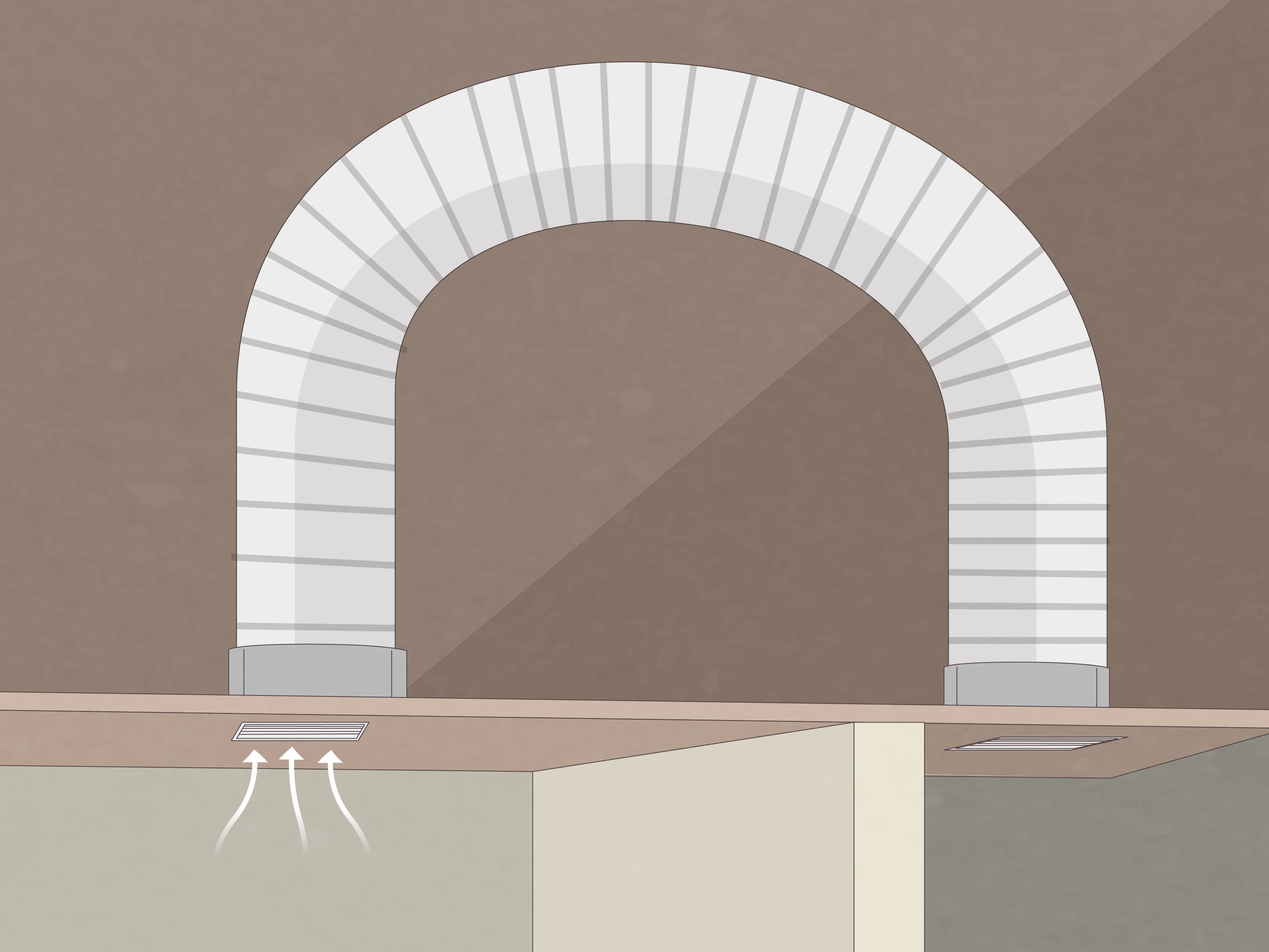
For privacy, safety, or noise control, a fully open door may not be practical. A door undercut, transfer grille, or professionally installed jump duct can provide a return-air pathway without keeping the door wide open.
5. Adjust Your Ceiling Fan Correctly
A ceiling fan helps mix room air and creates a cooling sensation across the skin. During warm weather, most ceiling fans should rotate counterclockwise when viewed from below. This pushes air downward and produces a noticeable breeze.
During colder months, switch the fan to clockwise rotation at low speed. The gentler upward movement helps redistribute warm air that has collected near the ceiling without producing an uncomfortable draft.
Clean dust from the blades and check that the fan is stable. A dusty, wobbling fan is less “fresh breeze” and more “low-budget weather event.”
Remember that a ceiling fan cools people rather than lowering the room’s actual temperature. Turn it off when the room is unoccupied unless it is being used as part of a specific ventilation or temperature-balancing strategy.
6. Position Portable Fans Strategically
Fan placement should solve a specific airflow problem. Instead of automatically aiming a floor fan at your face, identify the coolest air source and the warmest or stalest zone.
To move cool air from an air-conditioned living room into a bedroom, place the fan low near the doorway and point it toward the bedroom. Cooler air is relatively dense and tends to remain lower in the space.
To remove accumulated heat, place a taller fan near an exit point and direct air outward. An oscillating fan is useful for mixing air throughout an occupied room, but a fixed fan often works better when the goal is to establish a clear intake-to-exhaust route.
Keep the back of the fan clear. A fan pressed against curtains, furniture, or a wall cannot draw air efficiently. Leave sufficient space around both the intake and output sides.
7. Unblock HVAC Supply and Return Vents
If your home has central heating or air conditioning, furniture placement may be quietly sabotaging the system. Beds, couches, rugs, curtains, boxes, and cabinets can block supply registers or return-air grilles.
Move obstructions away from vents so conditioned air can enter the room and return to the HVAC system. Vacuum registers and grilles periodically because accumulated dust and pet hair can reduce airflow.
Check the system’s filter according to the manufacturer’s instructions. A heavily loaded filter can restrict airflow, reduce comfort, and make the blower work harder. Use a filter compatible with the system rather than automatically choosing the highest efficiency rating available; an overly restrictive filter may be unsuitable for some equipment.
If one room remains uncomfortable despite clear vents and a clean filter, ask an HVAC professional to inspect duct leakage, damper settings, blower performance, and system balance.
8. Use Kitchen and Bathroom Exhaust Fans
Spot ventilation removes pollutants close to where they are produced. Run a bathroom exhaust fan during showers and afterward to remove humid air. Use a kitchen range hood whenever cooking, particularly when frying, broiling, or using a gas stove.
These fans are most effective when they vent outdoors. Recirculating range hoods may capture some grease and particles, but they do not remove moisture and gases from the building.
Clean grease filters, fan covers, and accessible grilles regularly. Buildup can reduce airflow and increase noise. A fan that sounds like a lawn mower but barely holds a tissue against the grille may need cleaning, repair, or replacement.
When operating a powerful exhaust fan, provide replacement air by opening a nearby window slightly if outdoor conditions are suitable. Homes with fireplaces or naturally vented fuel-burning appliances may require professional evaluation to prevent backdrafting.
9. Rearrange Furniture and Reduce Airflow Barriers
Large furniture can divide a room into stagnant zones. A tall bookcase beside a window, a couch over a floor register, or heavy curtains covering a vent may interrupt circulation.
Leave space between major furniture pieces and exterior walls. This is particularly important in damp climates, where trapped air behind wardrobes and beds can contribute to condensation and mold growth.
Keep the area around windows and doors open enough for air to travel into the room. Tie back thick curtains while ventilating, provided doing so does not increase unwanted solar heat.
In a home office, avoid placing solid storage units between the supply vent and desk. In a bedroom, position the bed so airflow can pass around rather than stopping against a large upholstered headboard or wall of pillows.
10. Ventilate at the Right Time of Day
More ventilation is not always better. Timing determines whether opening a room cools it or fills it with hot, humid air.
During summer, open windows in the early morning, evening, or overnight when outdoor air is cooler than indoor air. Use fans to flush accumulated heat from the building. Close windows, blinds, and curtains once outdoor temperatures rise above indoor temperatures.
In cold weather, brief ventilation periods may refresh a room without leaving windows open for hours. Opening two windows for a short, controlled air exchange can be more effective than leaving one window barely cracked all day.
Always consider outdoor air quality. During wildfire smoke, dust storms, pollution alerts, or severe pollen conditions, keep windows closed and rely on filtered HVAC circulation or an appropriately sized portable air cleaner.
11. Consider Mechanical Ventilation or an HVAC Assessment
Portable fixes cannot solve every airflow problem. Modern airtight homes may need controlled mechanical ventilation to provide consistent outdoor air without relying on weather or open windows.
Options include exhaust-only systems, supply ventilation, balanced ventilation, heat-recovery ventilators, and energy-recovery ventilators. The appropriate system depends on climate, building tightness, humidity, fuel-burning equipment, and the existing HVAC design.
Call a qualified professional when a room repeatedly develops condensation, musty odors, visible mold, extreme temperature differences, weak register airflow, or persistent stuffiness. These symptoms may indicate blocked ducts, missing return paths, damaged exhaust fans, moisture intrusion, or an improperly balanced system.
Also install and maintain smoke and carbon monoxide alarms as required. Air movement cannot make indoor combustion from generators, charcoal grills, vehicles, or malfunctioning appliances safe.
Common Airflow Mistakes to Avoid
One frequent mistake is using several fans without giving the air anywhere to go. The room may feel breezier, but the same stale air continues circling. Establish an intake and an exhaust point whenever outdoor conditions permit.
Another mistake is opening every window during the hottest part of the day. When outdoor air is hotter or more humid, this can increase indoor discomfort. Ventilate when conditions are favorable, then close windows and use shading to preserve the improvement.
Do not rely on a portable air cleaner as a source of ventilation. A purifier can capture certain particles, depending on its filter and size, but it generally recirculates indoor air rather than introducing outdoor air. Filtration and ventilation perform different jobs and often work best together.
Finally, never use airflow tricks to manage a suspected gas leak, dangerous chemical release, major smoke event, or carbon monoxide problem. Leave the area and contact emergency services or the appropriate utility provider.
Experience-Based Lessons From Improving Stuffy Rooms
The following examples reflect common real-world room-airflow problems and the practical lessons they illustrate.
A Single-Window Bedroom
A typical small bedroom may have one window, one supply register, and a door that remains closed overnight. Simply opening the window often produces disappointing results because there is no strong exit path for the warm indoor air.
The more effective arrangement is to open the window, open the bedroom door, and place a fan near the window blowing outward. Air from the hallway can then travel through the doorway, cross the occupied area, and leave through the window.
One useful lesson is that the room may feel worse for the first few minutes if the walls, mattress, and furniture have stored heat. Once cooler replacement air begins moving through the entire space, comfort usually improves more noticeably than it does with a fan aimed directly at the bed.
A Home Office With Weak HVAC Airflow
In a home office, the problem may appear to be an undersized air conditioner when the actual culprit is a blocked return path. With the door closed, supply air enters through the register but cannot easily leave. Pressure builds in the room, reducing the amount of additional conditioned air that can enter.
Opening the door may immediately improve airflow. A small fan positioned low in the doorway can also help move cooler hallway air into the office.
This scenario demonstrates why adding a stronger desk fan is not always the answer. The fan can make skin feel cooler, but it cannot correct a restricted HVAC pathway. A permanent solution may require a larger door undercut, transfer grille, jump duct, or professional balancing.
An Apartment Kitchen After Cooking
Cooking odors often spread through an apartment because the nearest portable fan is aimed toward the living room. That arrangement distributes the smell with impressive efficiency but does not remove it.
A better approach is to run an outdoor-vented range hood and place a fan near an open kitchen window blowing outward. A second opening elsewhere in the apartment supplies replacement air. Interior doors can be closed temporarily to keep odors out of bedrooms and closets.
The practical lesson is to capture pollutants near their source. Waiting until smoke, moisture, and odors have reached every room turns a small ventilation job into a whole-home scavenger hunt.
A Hot Upstairs Room in Summer
Upstairs rooms commonly store heat long after sunset. Pointing a fan inward during the afternoon may make matters worse because it pulls hotter outdoor air into the building.
The more successful routine is to keep the room shaded and closed during peak heat, then begin ventilation when the outdoor temperature drops below the indoor temperature. An exhaust fan in the warmest upstairs window can remove stored heat while lower-level windows admit cooler air.
Running the setup for a deliberate flushing period is usually more productive than leaving windows randomly cracked all day. Once the room and surrounding surfaces cool, the windows can be adjusted for sleeping comfort or closed if security, noise, humidity, or air quality becomes a concern.
What Usually Does Not Work
Several popular attempts create the sensation of airflow without solving the underlying problem. These include placing a fan in the middle of a sealed room, blocking half a floor register with a bed, running an exhaust fan with no replacement-air path, or opening windows while outdoor air is hotter and more humid.
Another common failure is changing too many things at once. A more useful method is to test one setup for 10 to 20 minutes. Note the indoor and outdoor temperatures, fan direction, open doors, and open windows. Then change one variable.
A lightweight strip of tissue can help reveal air direction around a doorway or vent, although it should be kept away from fan blades, flames, and hot appliances. This simple testing process often identifies a blocked path or backward fan placement faster than buying another appliance.
Conclusion
Learning how to create airflow in a room begins with thinking about air as a traveler. It needs a place to enter, a clear route through the space, and somewhere to exit. Cross-ventilation, correctly placed window fans, open doorways, clear HVAC vents, ceiling fans, and outdoor-vented exhaust systems can all contribute to a fresher and more comfortable room.
Start with the simplest change: clear blocked vents and open two safe, strategically located openings when outdoor conditions are favorable. Then use fans to strengthen the direction of travel rather than merely stirring the air. For persistent moisture, weak HVAC performance, or major temperature differences, professional assessment is more effective than building a small army of portable fans.
Above all, balance ventilation with outdoor air quality, humidity, energy use, security, and combustion safety. A comfortable breeze is wonderful. A room full of wildfire smoke, pollen, or generator exhaust is decidedly less charming.
SEO Information
Note: Review local outdoor air quality, weather, building conditions, and appliance safety requirements before changing ventilation practices.