Let’s clear up the first speed bump before we even turn the key: if you want to drive for Postmates today, you are really stepping into the Uber delivery ecosystem. The Postmates name still has plenty of brand recognition, but the driver side of the business now runs through Uber’s driver tools. So yes, you can still chase that flexible delivery money people associate with Postmates. No, you should not waste an afternoon hunting for a long-lost Fleet app like it’s buried treasure.
The good news is that the process is still straightforward. If you want a flexible delivery driver side hustle, like setting your own hours, and can handle restaurants that say “five more minutes” with the confidence of a seasoned diplomat, this gig can fit nicely into your schedule. Here’s a step-by-step guide to getting started, staying efficient, and avoiding the classic rookie mistakes.
Step 1: Understand What “Driving for Postmates” Means Now
Before you sign up, understand the current setup. The old image of becoming a “Postmates Fleet” courier is outdated. Today, the practical path is to apply through Uber’s driver platform and use the Uber Driver app for deliveries. That matters because many older articles still describe a separate workflow, different app screens, or a starter kit process that no longer matches how new couriers actually get activated.
This one detail saves you from confusion later. Think of it as updating your GPS before the trip instead of driving confidently into a lake.
Step 2: Check Whether You Meet the Basic Requirements
If you want to become a Postmates driver, you need to be legally eligible for the work, pass screening, and provide the required documents for your market. In plain English: you need to be old enough, have acceptable ID, and be able to complete the background-check process. If you are under 18, this is not something you can sign up for yet.
Requirements can vary by city and delivery type, but in general, expect the platform to verify your identity, review your background, and request vehicle-related documents if you are delivering by car. Some markets may also have added local rules, especially if alcohol delivery or special order types are involved.
Step 3: Decide What Kind of Delivery Setup Fits You Best
The phrase “drive for Postmates” sounds car-only, but delivery work can involve different transportation options depending on your area. If you’re using a car, you’ll likely need more documentation, including proof tied to the vehicle. If your market supports bike or scooter delivery, that can sometimes be a smart move in dense urban neighborhoods where parking is basically a competitive sport.
A car works well in spread-out suburbs and for longer-distance orders. A bike or scooter may work better downtown where traffic moves like cold peanut butter. Choose the setup that matches your city, your comfort level, and your likely delivery zone.
Step 4: Gather Your Documents Before You Apply
This is the least glamorous step, which means it is also the one most likely to get postponed until “later,” also known as “never.” Don’t do that. Gather your documents first so the sign-up process goes smoothly.
Typical items may include a government-issued ID, a driver’s license if you are delivering by car, proof of insurance, vehicle information where required, a profile photo, and bank details for payouts. You may also need tax information. Taking clear photos of your documents matters more than people realize. Blurry uploads are a fast way to turn a simple approval into a support-ticket side quest.
Step 5: Create Your Account Through the Uber Driver Platform
Once your documents are ready, create your account through the current delivery sign-up flow. Fill in your legal name, contact details, and work eligibility information accurately. This is not the moment to freestyle your nickname or type your email with the confidence of someone who never makes typos. The system will use this information for screening, verification, payments, and support.
Take your time here. One wrong digit in your phone number can make the process more annoying than a customer who writes “leave at door” and then stands at the door staring at you.
Step 6: Consent to the Background Check and Complete Screening
Every legit platform wants to know it is not sending a chaos goblin to someone’s house with pad thai and sparkling water. That is where screening comes in. After your basic profile and documents are submitted, you’ll go through a background-check process handled through a third-party screening workflow.
Approval can happen quickly, but delays are possible if information does not match, documents are incomplete, or local review takes longer than expected. Check your email regularly, including spam folders, because platforms love sending important notices to the one folder nobody checks until panic o’clock.
Step 7: Set Up Bank Information and Get Your Tax House in Order
You are doing gig work, not volunteering for the thrilling reward of exposure. Set up your direct deposit information correctly so payouts land where they should. Most delivery platforms offer weekly payouts, and some provide faster cash-out options if you want access to earnings sooner.
Also remember that this is generally independent contractor income. That means you need to track earnings, save records, and plan for taxes. The IRS treats gig work as taxable income, even if it is just a part-time side hustle. Translation: future-you will appreciate it if present-you keeps good records instead of stuffing receipts into the cup holder and calling it a system.
Step 8: Download the App and Learn the Dashboard Before Going Online
Once approved, download the driver app and spend a few minutes getting comfortable with it before your first delivery. Learn where to find your account settings, delivery preferences, earnings tab, help options, and navigation tools. This tiny bit of prep makes your first shift feel far less chaotic.
Pay special attention to how requests appear, how pickup notes are displayed, and where customer messages live. When you are new, the app can feel like a cockpit designed by someone who hates beginners. It gets easier fast, but only if you actually click around while calm instead of learning everything mid-panic in a restaurant parking lot.
Step 9: Start in the Right Place and at the Right Time
If you want to make the most of your Postmates delivery driver hours, don’t just go online from your couch and hope the algorithm sends you blessings. Strategy matters. Busy lunch and dinner windows usually give you the best shot at steady order volume, and weekends can be especially strong.
Start near restaurant clusters, mixed retail areas, or neighborhoods with lots of apartment density. Avoid dead zones where you could sit for twenty minutes watching your phone like it personally betrayed you. Learn your city by pattern: where breakfast pops, where office lunches hit, where late-night orders come from, and where parking is terrible enough to ruin otherwise decent offers.
Step 10: Accept Orders Selectively, Not Emotionally
One of the biggest mistakes new drivers make is assuming every ping deserves a heroic “yes.” It doesn’t. Evaluate orders based on distance, estimated payout, traffic, restaurant reliability, and drop-off difficulty. A short trip with clean parking and a decent payout often beats a longer delivery that drags you into congestion, elevator mazes, and a building with the personality of a locked vault.
Smart drivers think in terms of time, not just miles. A six-dollar order that takes twelve minutes may be better than a ten-dollar order that takes thirty-five. The app may also send multiple orders from the same merchant. Those can be helpful when they reduce downtime, but only if the route still makes sense.
Step 11: Master Pickups Like a Professional
Pickups are where your shift can become smooth money or mild chaos. Walk in with the order name ready, confirm the items if possible, and keep moving. If the restaurant is clearly behind, stay calm and communicate when needed. Arguing with an overworked cashier rarely speeds up the fries.
Use an insulated bag when appropriate, keep drinks secure, and double-check obvious details like sauces, sealed packaging, and whether there are two bags hiding behind the counter instead of one. Professional pickup habits reduce mistakes, improve customer satisfaction, and help your ratings stay healthy.
Step 12: Nail the Drop-Off and Communication
Customers care about three things: getting the right order, getting it on time, and not feeling like the delivery vanished into another dimension. Use clear communication when there is a delay, follow the drop-off instructions, and take delivery photos when required. “Leave at door” means leave at door. It does not mean balance the bag on a decorative plant and hope for the best.
If you cannot reach the customer, follow the app prompts rather than improvising. Good drop-offs protect your ratings and reduce complaints. They also help you avoid the classic support conversation where you explain that yes, technically the order was “near” the correct building.
Step 13: Track Your Earnings, Expenses, and Ratings
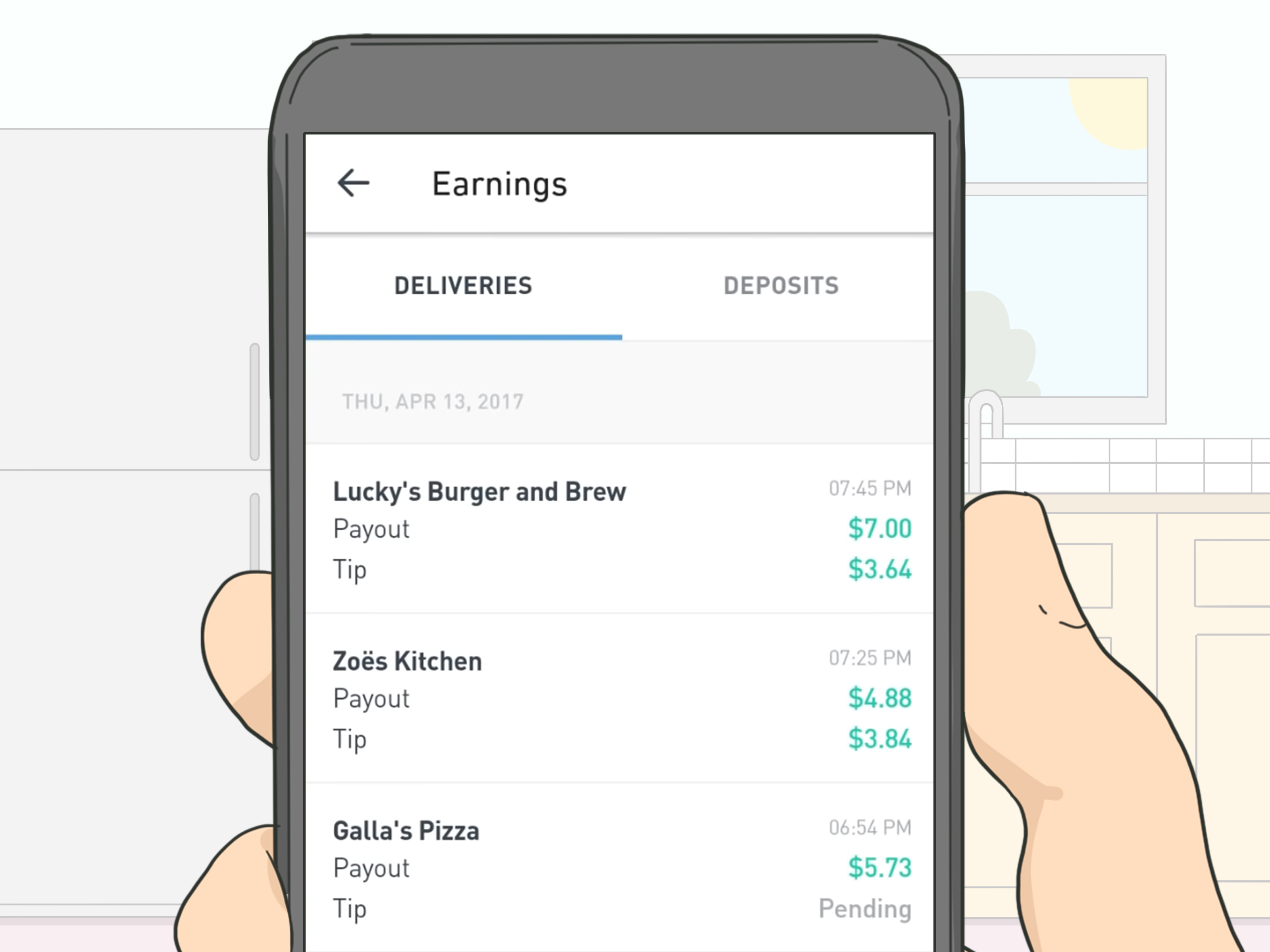
Want to know whether this gig is worth it? Track the numbers. Watch your gross earnings, tips, downtime, mileage, gas costs, maintenance, parking fees, and phone expenses. The app shows earnings, but your real profit lives in the difference between what you make and what the job costs you.
Also keep an eye on your satisfaction metrics. Delivery platforms use ratings and service quality as part of the overall driver experience. If your ratings dip, look for patterns. Are restaurant waits hurting your timing? Are apartment deliveries causing communication issues? Are you taking too many low-quality orders that create messy routes? The data usually tells a story if you stop and read it.
Step 14: Treat It Like a Business, Not a Random App Game
This is the step that separates casual dabblers from drivers who actually make the gig work. Build routines. Set income goals. Decide your ideal hours. Learn your best zones. Keep your car clean. Save for maintenance. Budget for taxes. Know when to log off instead of chasing bad orders out of stubbornness.
The most successful drivers usually are not the ones racing around with movie-montage energy. They are the calm, selective, organized ones who understand that delivery driving is part logistics, part customer service, part time management, and part emotional resilience. In other words, it is a job. A flexible one, yes. But still a job.
Common Mistakes New Postmates Drivers Make
Taking every order
Acceptance without strategy can sink your hourly earnings fast. Be thoughtful.
Ignoring expenses
Gross pay can look nice until gas, oil changes, tires, and taxes walk in and introduce themselves.
Starting in a bad zone
Location matters. A weak starting area can make the whole shift feel broken.
Skipping communication
A short update to the customer can prevent frustration and protect your rating.
Treating the app like magic
The app helps, but your results improve most when you learn the patterns behind the pings.
Is Driving for Postmates Worth It?
It can be, especially if you want flexible work and know how to manage your time. This kind of gig is often best for people who value schedule control, want side income, or prefer short bursts of work over fixed shifts. It may be less ideal if you hate traffic, dislike variable earnings, or expect every hour to pay the same.
The real answer depends on your market, your costs, and your strategy. For one driver, this is a clean weekend side hustle. For another, it is an expensive lesson in why accepting a 14-mile taco run at rush hour is a character-building exercise nobody asked for.
Conclusion
If you want to learn how to drive for Postmates, the modern version is simple: sign up through the current Uber delivery system, complete the screening process, learn the app, and work the gig strategically. The basics are not difficult, but the difference between “I made decent money” and “why did I do this to my car?” usually comes down to your habits.
Start with the right expectations. Use the right tools. Take smart orders. Communicate clearly. Track your real profit. Do those things consistently, and you won’t just become a driver who completes deliveries. You’ll become the kind of driver who knows how to make the platform work for you.
Driver Experience: What It Really Feels Like in the First Few Weeks
Your first week driving for Postmates usually feels like a weird mix of freedom, confusion, and “wow, I really do know the location of every burrito place in a five-mile radius now.” On day one, everything seems slightly dramatic. Every ping sounds urgent. Every apartment building looks like it was designed by a puzzle master. Every customer note somehow raises more questions than it answers. “Use side entrance” sounds helpful until the building has four sides, three locked gates, and one suspicious staircase that feels like the start of a detective show.
Then something clicks. You start spotting patterns. You notice which restaurants are fast, which ones always run late, and which ones act shocked every single time a delivery driver arrives, as if this “food delivery” thing is a brand-new societal experiment. You learn that some pickups are easy money and some are the logistical equivalent of juggling soup. You figure out where parking is quick, where drop-offs are painless, and where you should only go if the payout is good enough to justify the stress.
The biggest surprise for many new drivers is that the job is less about driving and more about decision-making. Sure, you need to get from point A to point B, but the real skill is choosing which requests deserve your time. Experienced drivers do not just move faster. They filter better. They know when to accept, when to decline, and when to say, “Absolutely not, I am not taking a tiny order on a giant trip into downtown traffic at 6:12 p.m.” That is not laziness. That is wisdom wearing comfortable shoes.
You also learn that customer service matters in tiny, boring ways that add up. A quick message when the restaurant is delayed. A careful drop-off photo. A drink placed upright instead of rolling around like it lost a bet. These small habits protect your ratings and reduce problems. Nobody throws a parade because you followed instructions correctly, but the app definitely notices when people are unhappy.
By weeks two and three, most drivers start building a rhythm. Maybe lunch works best near office clusters. Maybe dinner is stronger in the suburbs. Maybe weekend mornings are sleepy, but Sunday evenings quietly deliver the goods. This is where the gig becomes less random and more strategic. You stop feeling like you are reacting to the app and start feeling like you are using it on purpose.
The emotional side matters too. Some days are smooth and profitable. Other days make you question your relationship with traffic lights, elevators, and fountain drinks with flimsy lids. That is normal. Delivery driving has good shifts, weird shifts, and the occasional shift that deserves its own podcast episode. The trick is not expecting perfection. The trick is staying organized enough that one bad hour does not ruin the whole week.
Over time, the best part of the job is usually the flexibility. You can work a lunch rush, log off, and go do something else. You can grab a few evening hours for extra cash without begging a manager for a schedule change. For people who want a side hustle with room to breathe, that freedom is the real appeal. Just remember: flexibility works best when you pair it with discipline. Otherwise, “I’ll drive later” turns into “I watched videos and earned zero dollars.” A classic tragedy.