Every guitar has a story. Some tell it loudly with battle scars, worn frets, faded finishes, and a case that smells like old wood, club stages, and questionable life choices. Others are more mysterious: no paperwork, no obvious model name, and a serial number hiding like it owes someone money. Whether you found a guitar in the attic, inherited one from a relative, bought one at a yard sale, or simply want to know whether your beloved six-string is a sleeper treasure, learning how to find out the age and value of a guitar is part detective work, part market research, and part common sense.
The good news is that you do not need to be a vintage dealer to make a strong first estimate. You need the right clues: serial number, brand, model, construction details, condition, originality, comparable sales, and documentation. The better news? Even if the guitar is not worth a fortune, the process can still reveal where it was made, when it was built, what parts may have been changed, and how it compares to similar instruments on today’s market.
This guide walks you through the practical steps used by collectors, players, sellers, and appraisers to identify a guitar’s age and estimate its value. Grab a flashlight, a soft cloth, a notebook, and possibly a cup of coffee. We are about to interrogate a guitar politely.
Start With the Basics: Brand, Model, and Serial Number
The first step in guitar identification is simple: find the brand, model, and serial number. These three details form the foundation of nearly every guitar valuation. The brand tells you who made it, the model tells you what it is, and the serial number may help reveal when and where it was built.
Where to Find the Serial Number
Serial numbers can appear in different places depending on the guitar type and manufacturer. On many electric guitars, check the back of the headstock, the neck plate, the front of the headstock, or the inside of the body cavity. On acoustic guitars, look through the soundhole toward the neck block or on the interior paper label. Some hollow-body and semi-hollow guitars display serial numbers through an f-hole.
For example, many modern Fender instruments can be checked through Fender’s official serial number lookup. Gibson provides serial number dating formats for different eras, including the well-known post-1977 pattern that can identify the year and production day. Martin maintains a serial number reference that helps match a guitar to a production year, while Taylor explains how its serial numbers can reveal the date work began on an instrument.
However, serial numbers are not magic spells. They can be missing, duplicated, inconsistent, or confusing, especially on vintage instruments, imported models, repaired guitars, and guitars from eras when factories were less standardized. A serial number should be treated as a strong clue, not the whole case.
Decode the Serial Number Carefully
Once you find the serial number, compare it with official manufacturer resources whenever possible. Start with the brand’s own website before using third-party lookup tools. Official support pages are usually the safest place to begin because they are less likely to repeat old internet myths.
For Fender guitars, serial number placement and dating systems vary across U.S., Mexican, Japanese, Korean, Chinese, Indonesian, and Squier instruments. A serial prefix can sometimes indicate a decade or factory, but exceptions exist. A guitar that says “Made in Mexico” with a serial number beginning with “MN” or “MZ,” for example, points to a different dating system than a U.S.-made instrument.
Gibson dating can also require patience. Some Gibson serial formats identify the year and day of production, while older instruments may require additional clues such as logo style, headstock shape, factory order numbers, label style, and hardware. Martin guitars are often easier to date because their serial number records are comparatively consistent, especially when the serial is stamped on the neck block. Taylor guitars are also known for serial systems that often reveal useful production information, particularly on modern instruments.
If the serial number does not match any known format, do not panic. It may be a budget import, a partscaster, a refinished guitar, a repaired neck, a replacement label, or simply an instrument from a confusing production period. That is when the next clues become important.
Identify the Model and Exact Version
Two guitars can look similar and have very different values. A Fender Stratocaster could be a U.S. Custom Shop model, a Mexican Standard, a Japanese reissue, a Squier Classic Vibe, or a partscaster assembled from several sources. A Gibson Les Paul could be a Standard, Studio, Classic, Traditional, Custom, reissue, or copy. The model matters because buyers do not pay for “a guitar-shaped object.” They pay for a specific guitar.
Look for model names on the headstock, truss rod cover, interior label, back label, pickguard, case paperwork, hang tags, receipts, and warranty cards. On acoustic guitars, the model may be printed or stamped inside the body. On Martin guitars, the model and serial number are commonly found near the neck block. On Taylor acoustics, the label inside the soundhole often provides key information.
If the model name is missing, compare features: body shape, pickup layout, bridge type, neck joint, scale length, fretboard wood, binding, inlays, tuners, logo style, and finish. These details can narrow the identity quickly. A guitar with two humbuckers, a carved maple top, set neck, and single-cut body may resemble a Les Paul, but the headstock shape, control layout, and construction quality can help separate a Gibson from an Epiphone, Tokai, Greco, Burny, or modern copy.
Check Construction Details and Hardware
After the serial number and model, examine the physical features. This is where your guitar starts talking. Vintage and collectible guitars are judged heavily on originality, and original parts often matter as much as age.
Important Details to Inspect
- Pickups: Original pickups can significantly affect value, especially on vintage Fender, Gibson, Gretsch, and Martin-related electric models.
- Pots and electronics: Potentiometer codes can help date electric guitars because many pots include manufacturer and date codes.
- Bridge and saddles: Replaced bridges, shaved acoustic bridges, or non-original saddles can affect playability and value.
- Tuners: Changed tuners may leave extra screw holes, which collectors notice immediately.
- Finish: Original finish is usually more valuable than a refinished body, even when the refinish looks beautiful.
- Neck and frets: Refrets are common on older instruments, but poor fretwork or neck issues can reduce value.
- Case: An original case can add value, especially for collectible guitars.
Pot codes are especially useful on vintage electric guitars. Many American pots use a source-date code. A code such as “1377432” may indicate CTS as the manufacturer, 1974 as the year, and the 32nd week as the production week. This does not prove the guitar was built that exact week, but it suggests the guitar cannot be older than the newest original component. In plain English: if the pots are original and dated late 1965, the guitar was probably assembled in late 1965 or later.
Evaluate the Guitar’s Condition Honestly
Condition can make or break value. A rare guitar in poor condition may be worth less than a more common guitar in excellent condition. Buyers look at both cosmetic condition and functional condition. A scratch is one thing. A cracked neck heel, twisted neck, loose bridge, broken truss rod, or major top damage is another. One says “character.” The other says “repair bill wearing a hat.”
Common Condition Categories
Marketplaces often use condition terms such as mint, excellent, very good, good, fair, and poor. These terms are helpful, but they are not universal. One seller’s “excellent” may be another buyer’s “did this guitar survive a bar fight?” Be specific when evaluating condition.
- Mint: Nearly untouched, with no meaningful wear.
- Excellent: Very clean with only minor signs of careful use.
- Very good: Normal wear, light scratches, small dings, but fully functional.
- Good: Noticeable wear but playable and structurally sound.
- Fair: Cosmetic or functional issues that affect use or require attention.
- Poor: Significant problems, repair needs, or incomplete functionality.
Be honest. Overgrading a guitar wastes everyone’s time and can damage trust. If you are selling, clear photos and accurate descriptions help you get serious buyers. If you are buying, assume that vague phrases like “easy fix” and “probably just needs a setup” may translate to “welcome to the repair dungeon.”
Understand Originality: The Collector’s Favorite Word
Originality is one of the biggest factors in vintage guitar value. A 1960s guitar with its original finish, pickups, pots, tuners, bridge, case, and paperwork can be much more valuable than the same model with replaced parts. This is especially true for high-demand vintage instruments from Fender, Gibson, Martin, Gretsch, Rickenbacker, and other collectible brands.
That does not mean replaced parts are always bad. Players may prefer upgraded pickups, modern tuners, or a professional refret. A guitar can be a fantastic instrument even if collectors are not chasing it. But for valuation, changed parts must be considered. A refinished 1960s Fender can still be valuable, but usually less valuable than an all-original example. A vintage Gibson with changed pickups may lose collector appeal, even if it sounds amazing.
Documentation helps. Receipts, appraisals, repair records, original hang tags, case candy, certificates of authenticity, and photos of the guitar over time can support its story. Provenance matters even more when the guitar belonged to a known artist, was used on a recording, or has a documented history. At the highest end of the market, a famous-player connection can push a guitar far beyond normal model value.
Research Real Market Value, Not Wishful Thinking
Once you know the brand, model, year, condition, and originality, it is time to research value. The most important rule is simple: sold prices matter more than asking prices. Asking prices show what sellers hope to get. Sold prices show what buyers actually paid. Hope is not a pricing strategy, although it does appear frequently in online listings.
Best Places to Check Guitar Value
- Reverb Price Guide: Useful for seeing recent sold-price ranges for many guitars and pieces of music gear.
- eBay sold listings: Helpful for checking completed sales, especially for common models and unusual instruments.
- Vintage Guitar Price Guide: A respected annual reference for collectible instruments, amps, effects, and related gear.
- Blue Book of Guitar Values: A long-running guitar value database and reference source.
- Dealer listings: Useful for high-end vintage instruments, though asking prices may be above final sale prices.
- Auction results: Important for rare, celebrity-owned, historically significant, or museum-grade instruments.
- Professional appraisals: Best for insurance, estate planning, high-value sales, or uncertain vintage pieces.
When comparing prices, compare apples to apples. A 2008 American Standard Stratocaster is not the same as a 1963 Stratocaster. A Martin D-28 from the 1970s is not the same as a pre-war Martin D-28. A Taylor 314ce with upgraded electronics may not match a stock example from another year. Year, model, condition, finish, originality, country of manufacture, and included case all affect value.
Use a Simple Guitar Valuation Formula
A practical guitar valuation starts with comparable sales and then adjusts for condition and originality. Here is a simple process:
- Identify the exact model and approximate year.
- Find at least five recent sold listings for the same or very similar model.
- Remove extreme outliers, such as damaged examples or unusually high celebrity-related sales.
- Calculate a realistic price range from the remaining sold listings.
- Adjust downward for repairs, replaced parts, refinishing, missing case, or poor condition.
- Adjust upward for rare finishes, original case, documentation, exceptional condition, or strong demand.
For example, imagine you identify a 2012 American-made Telecaster in very good condition. Recent sold listings show similar guitars selling between $950 and $1,250. Yours has a few dings, original pickups, a hard case, and no major repairs. A fair private-sale estimate might land around the middle of that range. A retail shop may offer less because it needs room for resale profit. An insurance appraisal may be higher because replacement value is not always the same as quick-sale value.
Know the Difference Between Retail, Private Sale, Trade-In, and Insurance Value
One guitar can have several values depending on the situation. This confuses many owners, but it is normal.
- Private sale value: What you might get selling directly to another player.
- Retail value: What a store might list it for after inspection, setup, warranty support, and overhead.
- Trade-in value: Usually lower than private sale because the shop must resell it.
- Insurance value: Often based on replacement cost, sometimes higher than a fast resale number.
- Auction value: Can be unpredictable, especially for rare or famous instruments.
If your guitar is common, online sold listings may be enough for a realistic estimate. If it is vintage, rare, modified, damaged, or potentially valuable, a professional appraisal is worth considering. Gruhn Guitars, for example, is known for written instrument appraisals, and many established vintage dealers offer similar services. For insurance or estate purposes, a written appraisal is far better than “some guy on a forum said it was worth a lot.”
Watch Out for Copies, Partscasters, and Counterfeits
Not every guitar is what the headstock says it is. Some are innocent partscasters assembled from legitimate parts. Some are tribute builds. Some are modified beyond easy identification. Others are counterfeit instruments intended to fool buyers.
Warning signs include mismatched serial numbers, suspicious logos, incorrect fonts, wrong truss rod covers, unusual headstock shapes, poor fretwork, cheap hardware on a supposedly premium model, incorrect pickup routes, and hardware that does not match the claimed year. On vintage instruments, be cautious of guitars that look too clean, have inconsistent aging, or include a story that sounds like it was written by a pirate with a marketing degree.
If you suspect a guitar is valuable, do not disassemble it aggressively. Removing necks, pickups, or hardware without experience can cause damage. Take detailed photos and consult a qualified repair tech, luthier, dealer, or appraiser.
Take the Right Photos for Identification and Appraisal
Good photos make identification much easier. Whether you are asking a dealer, posting in a guitar forum, or requesting an appraisal, provide clear, well-lit images. Avoid blurry “taken during an earthquake” photos. Natural light is your friend.
Photo Checklist
- Full front of the guitar
- Full back of the guitar
- Front and back of the headstock
- Serial number close-up
- Bridge and saddles
- Pickups and controls
- Neck joint or heel
- Interior label or neck block for acoustics
- Any cracks, repairs, dings, finish checking, or modifications
- Case, paperwork, receipts, and accessories
The more complete your photos, the less guessing is required. For valuable instruments, photos of internal components may help, but only if they can be taken safely.
When to Get a Professional Guitar Appraisal
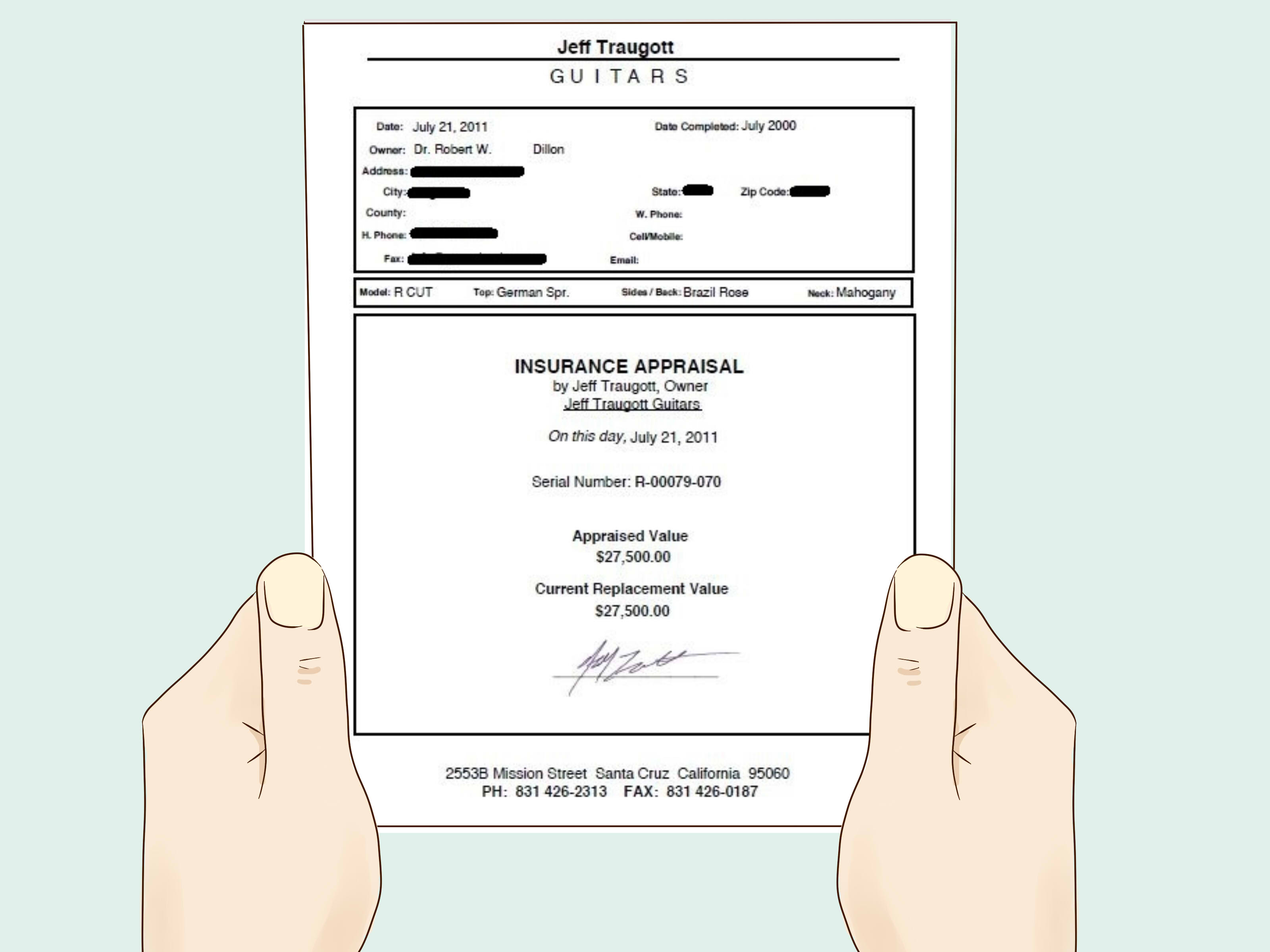
A professional appraisal is recommended when the guitar may be worth a significant amount, when you need insurance documentation, when an estate is involved, when originality is uncertain, or when the guitar has possible historical importance. Appraisers look at details most casual owners miss: construction methods, finish type, replaced parts, repairs, provenance, market demand, and comparable sales.
You should also get expert help before selling a potentially valuable vintage guitar. A quick local sale may be convenient, but it can cost you thousands if the instrument turns out to be rare. On the other hand, an appraisal may also save you from unrealistic expectations. Not every old guitar is valuable. Some are simply old, and that is okay. Not every couch in an antique store is royal furniture either.
Realistic Examples of Guitar Age and Value Research
Example 1: The Mystery Acoustic in the Closet
You find an acoustic guitar with “Martin” on the headstock. Inside the soundhole, the neck block shows a model number and serial number. You compare the serial number with Martin’s dating chart and discover the production year. Next, you search recent sold listings for the same model and decade. You inspect the bridge, neck angle, cracks, and finish. If it is a common modern model in good condition, the value may be straightforward. If it is a vintage D-series guitar with original parts, it may deserve an expert appraisal.
Example 2: The Electric Guitar With Changed Pickups
You own a 1970s Gibson SG. The serial number suggests the production year, but the pickups look newer. Pot codes help confirm whether the electronics are original. Comparable sales show all-original examples selling higher than modified ones. Your guitar still has strong player value, but collector value may be lower because the pickups were replaced.
Example 3: The “Too Good to Be True” Online Deal
A seller offers a supposedly vintage Fender for a suspiciously low price. The serial number looks odd, the decal seems wrong, and the hardware does not match the claimed year. You compare it with official dating references and known examples. Instead of sending money immediately, you ask for detailed photos and consult an expert. Congratulations: you may have just avoided buying a very expensive wall decoration.
Common Mistakes When Estimating Guitar Value
- Using only active listings: Asking prices are not the same as sold prices.
- Ignoring condition: A cracked or heavily modified guitar should not be priced like a clean one.
- Assuming age equals value: Old does not automatically mean rare, desirable, or expensive.
- Misreading serial numbers: Many brands used multiple numbering systems across different eras.
- Forgetting originality: Replaced parts can reduce collector value.
- Skipping professional help: High-value guitars deserve expert review.
- Believing every family story: “My uncle said it was played by a famous guitarist” needs documentation.
Experience-Based Tips: What You Learn After Handling a Lot of Guitars
After looking at enough guitars, you begin to notice that value is rarely hidden in one single clue. It is usually a pattern. A serial number points to a year. The hardware supports that year. The finish looks right for that era. The wear appears natural. The case matches. The paperwork lines up. When all the clues agree, confidence goes up. When every clue starts arguing like a family at Thanksgiving, slow down.
One of the most useful habits is to photograph everything before making conclusions. Many owners look at the headstock and stop there, but the real story may be in the neck pocket, under the pickguard, inside the control cavity, or on the acoustic neck block. A guitar’s age is often a chorus of details, not a solo performance.
Another lesson: do not clean, polish, repair, or modify a potentially valuable vintage guitar before getting advice. This surprises people. They think, “I’ll make it shiny and increase the value.” Sometimes that works for a modern player-grade guitar. But on vintage instruments, aggressive cleaning, changed parts, overspray, refinishing, or replaced hardware can reduce collector interest. Dust is not always the enemy. Sometimes the enemy is a screwdriver combined with confidence.
It also helps to separate emotional value from market value. A guitar may be priceless to you because it belonged to your grandfather, helped you write your first song, or survived your first band’s heroic attempt at “Smoke on the Water.” That emotional value is real. But buyers evaluate brand, model, year, condition, originality, and demand. The market does not always pay extra for memories, unless those memories are documented and connected to someone famous.
When estimating value, I like to create three numbers: the optimistic price, the realistic price, and the fast-sale price. The optimistic price is what you might ask if the guitar is clean, demand is strong, and you can wait. The realistic price is where similar guitars have actually sold. The fast-sale price is what might move the guitar quickly without endless messages from people asking, “Is this still available?” even though the listing clearly says yes.
For common used guitars, the difference between those numbers may be small. For vintage instruments, the spread can be huge. A clean, original, documented guitar may attract collectors. A repaired, modified, refinished version of the same model may appeal mostly to players. Neither is “bad,” but they live in different markets.
The best experience-based advice is this: be curious, but be skeptical. Look up official serial number information. Compare multiple sold listings. Read dealer descriptions carefully. Notice how condition is described. Save screenshots of comparable sales. Ask experts when the stakes are high. And above all, do not let excitement outrun evidence. A guitar can be old, cool, loud, beautiful, and still not be worth a fortune. It can also look ordinary and turn out to be special. That is what makes the hunt fun.
Conclusion: Your Guitar’s Story Is in the Details
Finding out the age and value of a guitar is a process of gathering evidence. Start with the serial number, but do not stop there. Identify the exact model, inspect construction details, evaluate condition, verify originality, and compare real sold prices. For high-value or confusing instruments, seek a professional appraisal. The goal is not just to answer “What is this guitar worth?” but to understand what it is, where it came from, and why buyers might care.
Some guitars are valuable because they are rare. Some because they are clean and original. Some because they were made by legendary builders. Some because a famous artist played them. And some are valuable because they make you want to pick them up every day. The market can price the first four. Only you can price the last one.
SEO Tags
Note: This article is written for web publication and is based on real manufacturer dating practices, marketplace valuation methods, and professional appraisal principles.