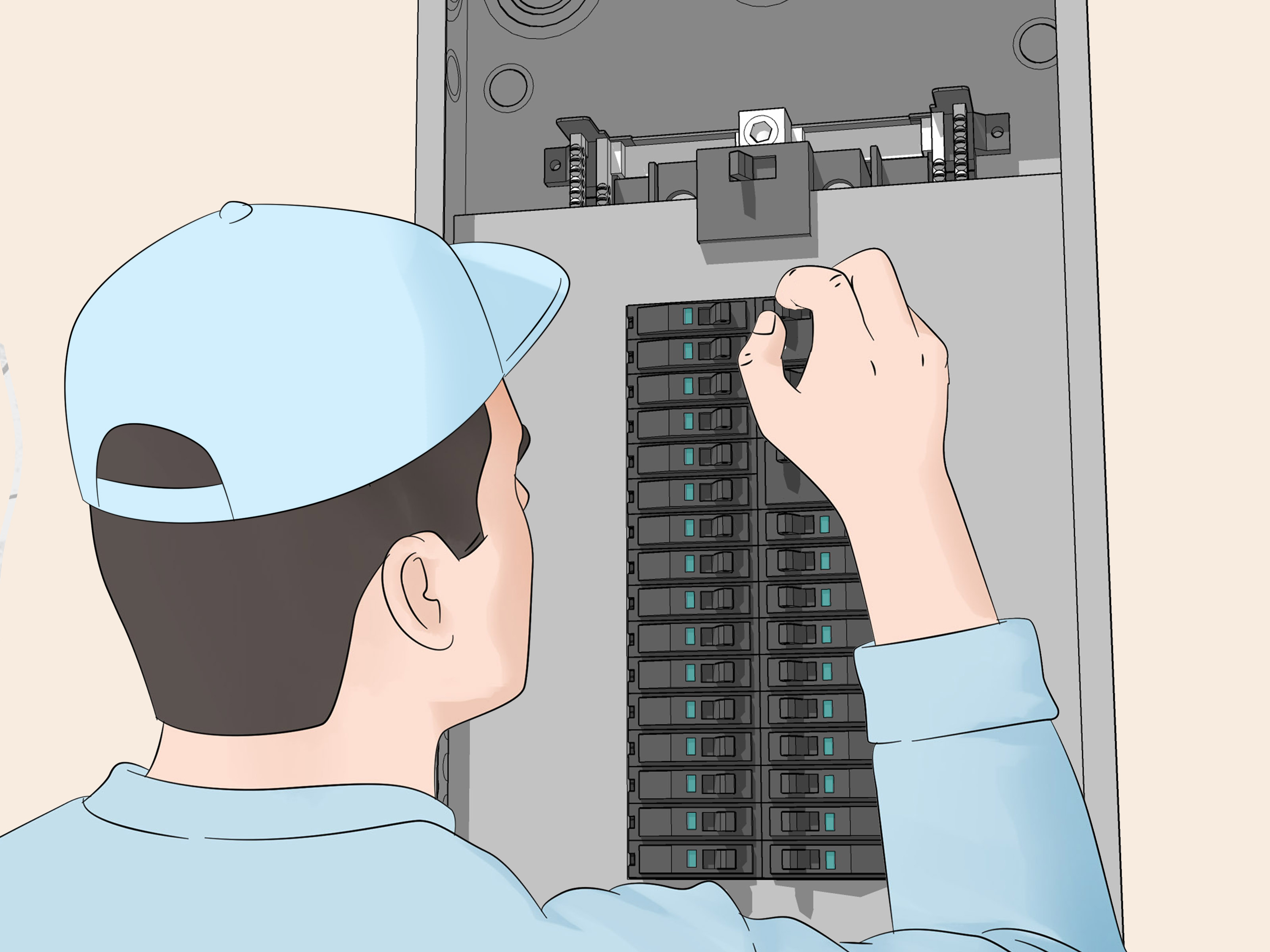
If your circuit breaker keeps tripping, your house is not being dramatic for attention. It is doing its job. A breaker trips when it detects a problem that could overheat wires, damage equipment, or create a fire risk. In other words, the breaker is the responsible adult in the room, even if it is ruining movie night.
The tricky part is figuring out what is causing the trip. Is it one greedy appliance hogging power? A wet outlet? A worn-out breaker? A hidden wiring problem? The good news is that you can often narrow down the cause with a few safe, easy tests that do not require opening the electrical panel or touching wires.
In this guide, you will learn how to find what is tripping your circuit breaker, how to tell the difference between an overload and a more serious fault, and when to stop troubleshooting and call a licensed electrician. The goal is simple: solve the mystery without becoming the plot twist.
What a Tripping Circuit Breaker Usually Means
Most breaker trips fall into a few common categories. Knowing them helps you troubleshoot faster.
1. Circuit overload
This is the most common cause. A circuit overload happens when too many devices or one heavy-demand appliance pulls more current than the circuit can safely handle. Think space heater plus microwave plus coffee maker plus your toaster’s dream of greatness. The breaker trips to prevent the wiring from overheating.
2. Short circuit
A short circuit happens when electricity takes an unintended path, often because a hot wire touches a neutral wire somewhere in a device, cord, outlet, or wiring system. This usually causes a fast trip. If the breaker snaps off immediately, a short circuit moves high on the suspect list.
3. Ground fault
A ground fault is similar to a short, but instead of the current going where it should, it leaks to ground. Moisture, damaged insulation, wet outdoor equipment, bathroom outlets, kitchen appliances, and basement conditions can all play a role.
4. Arc fault or damaged wiring
Some circuits have AFCI protection that detects dangerous arcing. A damaged cord, loose connection, or deteriorated wire can cause nuisance-looking trips that are actually warnings you should take seriously.
5. Failing breaker or aging electrical components
Sometimes the breaker itself is old, weak, or damaged from years of service. That is not the first thing to assume, but it does happen, especially if the same breaker trips often even after the load has been reduced.
Start With Safety Before You Test Anything
Before you begin, keep your troubleshooting simple and safe.
- Do not remove the breaker panel cover.
- Do not touch exposed wiring.
- Do not reset a breaker repeatedly like it owes you money.
- Do not use extension cords as a long-term fix for overloaded rooms.
- Stop immediately if you smell burning, see scorch marks, hear buzzing, or notice melted plugs or warm outlets.
If the breaker trips instantly and will not stay on with everything unplugged, or if you see signs of heat or damage, skip the DIY detective work and call an electrician.
Easy Test #1: Identify What the Breaker Controls
Your first job is to figure out everything on the affected circuit. Many homeowners know the breaker trips, but not what the breaker actually feeds. That makes troubleshooting feel like chasing a ghost in a bathrobe.
Turn off the tripped breaker and walk through the house. Check which outlets, lights, switches, and appliances have lost power. Write them down. You are building a suspect list.
This step matters because the problem may not be where you first noticed it. For example, the breaker may trip when you use a vacuum in the bedroom, but the real issue could be a bathroom GFCI outlet on the same circuit or a garage receptacle with moisture exposure.
Easy Test #2: Unplug Everything on That Circuit
Once you know what is on the circuit, unplug every portable device and turn off anything connected to those outlets or switches. That includes lamps, chargers, TVs, fans, gaming consoles, air fryers, and that one mystery device that has been blinking since 2019.
Then reset the breaker properly:
- Push the breaker firmly to the full OFF position.
- Then flip it back to ON.
If it stays on with everything unplugged, the issue is likely one of these:
- Too many devices were running at once
- One plugged-in appliance is faulty
- A specific outlet, cord, or plug connected to the circuit is causing the trip
If it trips again immediately with nothing plugged in, that points more toward wiring trouble, a switch/light fixture issue, a moisture-related fault, or a bad breaker.
Easy Test #3: Add Devices Back One at a Time
If the breaker stayed on with everything unplugged, plug items back in one at a time. Give each device a few moments before moving to the next.
This is one of the best easy tests because it helps you isolate a bad appliance or overloaded setup. If the breaker trips as soon as you reconnect one item, congratulations, you found your prime suspect.
Examples:
- The breaker trips when the toaster oven starts heating
- The breaker trips when the treadmill powers up
- The breaker trips when the window AC kicks into cooling mode
- The breaker trips when a power strip full of electronics is used
If one appliance repeatedly causes the trip, stop using it until it is repaired or replaced. Faulty appliances can create shorts, ground faults, or overloads.
Easy Test #4: Look for the “Too Much at Once” Pattern
Sometimes no single appliance is bad. The problem is teamwork. Bad teamwork.
Ask yourself these questions:
- Does the breaker trip only when two or three big appliances run at the same time?
- Does it happen more often in winter with space heaters or in summer with portable AC units?
- Does it trip during cooking, hair drying, vacuuming, or laundry time?
If yes, you may simply be overloading the circuit. Common power-hungry items include:
- Space heaters
- Microwaves
- Hair dryers
- Air fryers
- Toaster ovens
- Vacuums
- Portable air conditioners
- Irons
Try moving one high-wattage appliance to a different circuit. If the trips stop, you likely found the answer. This does not necessarily mean anything is broken. It means the circuit is doing its job and asking for fewer roommates.
Easy Test #5: Check Nearby GFCI Outlets
If the affected breaker serves bathrooms, kitchens, garages, laundry areas, unfinished basements, or outdoor outlets, check for tripped GFCI outlets. Press RESET on any GFCI receptacles that are on the same circuit.
A wet location, a faulty appliance, or even one nuisance fault can cause repeated interruptions. Also look for signs of moisture around outdoor plugs, bathroom receptacles, sump equipment, refrigerators in garages, and countertop appliances used near sinks.
If the breaker trips during rain, after cleaning, or when using outdoor equipment, moisture becomes a likely clue.
Easy Test #6: Inspect Cords, Plugs, and Outlets Without Opening Anything
You do not need to take devices apart to find warning signs. Give all visible cords and plugs on that circuit a careful look.
What to look for
- Frayed insulation
- Crushed or pinched cords
- Loose plugs
- Burn marks or discoloration
- A hot smell
- Outlets that feel warm
- Sparking when plugging in a device
If you find any of those signs, stop using that outlet or appliance. A damaged cord or worn receptacle can create a short or arc fault that trips the breaker. This is especially common with older lamps, cheap power strips, portable heaters, and garage tools that have lived a hard life.
Easy Test #7: Notice When the Breaker Trips
The timing of the trip tells a story.
Trips immediately after reset
That often suggests a short circuit, ground fault, or internal breaker problem.
Trips after a few minutes
That often points to an overload or an appliance that draws more current as it heats up or starts cycling.
Trips only when a switch is turned on
The issue may be in a light fixture, ceiling fan, bathroom exhaust fan, or switch loop on that circuit.
Trips only during weather changes or damp conditions
Look for moisture exposure in outdoor outlets, exterior lights, garage wiring, or basement areas.
Patterns turn random frustration into useful evidence.
How to Tell Overload vs. Fault
Here is a practical way to separate the usual suspects:
It is probably an overload if:
- The breaker stays on when everything is unplugged
- It trips only when several devices run together
- It trips after a while, not instantly
- Moving one appliance to another circuit solves the problem
It is probably a fault if:
- The breaker trips immediately after reset
- It trips with nothing plugged in
- It trips when one specific appliance is used every time
- You see scorch marks, smell burning, or hear buzzing
- The issue shows up with moisture or damaged cords
When the Breaker Itself Might Be the Problem
A bad breaker is possible, but it is usually not the first explanation. Still, consider it if:
- The breaker feels loose or will not reset normally
- The same breaker trips under loads that seem modest
- You have already ruled out appliances and obvious overloads
- Your panel is older and has a history of issues
Breaker replacement is not a casual Saturday hobby. It involves working inside the panel, so that is a licensed-electrician job.
When to Call an Electrician Right Away
Some situations are not “watch and see” situations.
- The breaker will not stay on with everything unplugged
- You notice melted plugs, scorch marks, or a burning odor
- An outlet, switch, or panel feels hot
- You hear buzzing or crackling
- There are signs of water intrusion near outlets or the panel
- The circuit serves critical appliances and trips repeatedly
- You suspect damaged wiring in walls, attic, crawl space, or outdoors
Repeated tripping is not just annoying. It is a warning sign. The breaker is preventing a worse outcome.
How to Prevent Future Breaker Trips
Once you solve the immediate problem, make life easier on your electrical system.
- Spread high-wattage appliances across different circuits
- Avoid running space heaters on crowded general-use circuits
- Replace damaged cords and worn power strips
- Keep outdoor and garage outlets dry and protected
- Label your panel clearly
- Have older wiring inspected if trips are frequent
- Upgrade circuits or add dedicated lines for heavy appliances if needed
Final Thoughts
If you have been asking, “How do I find what is tripping my circuit breaker?” the answer is usually a process of elimination. Start by identifying everything on the circuit, unplugging all connected devices, resetting once, and adding items back one at a time. Watch for overload patterns, moisture issues, damaged cords, and trips tied to one specific appliance or switch.
In many homes, the cause turns out to be pretty ordinary: too many appliances on one line, one faulty device, or a wet GFCI-protected area. In other cases, the culprit is more serious, such as a short circuit, ground fault, arc fault, or failing breaker. The key is knowing the difference between a safe homeowner test and a problem that belongs to a pro.
Your circuit breaker is not out to ruin your day. It is out to keep your home from turning into an expensive lesson in electrical safety. That is a pretty decent roommate, all things considered.
Real-Life Experiences and Practical Scenarios
Homeowners usually discover breaker problems in the least convenient ways possible. Rarely does anyone wake up on a peaceful Saturday morning and think, “Today feels like a great day for electrical troubleshooting.” More often, it starts with a microwave shutting off mid-popcorn, a hair dryer going silent on an important morning, or a space heater abruptly ending a very serious relationship with winter.
One common experience happens in older bedrooms or living rooms where people gradually add more electronics over time. First it is a TV. Then a gaming console. Then a mini fridge. Then a phone charger, laptop charger, lamp, speaker, and maybe a space heater because the room is always cold. Individually, none of these seems outrageous. Together, they can absolutely overwhelm a standard circuit. In those cases, the homeowner often thinks the breaker is “random,” but once the devices are unplugged and added back one by one, the pattern becomes obvious.
Kitchens are another classic trouble zone. A circuit may behave all day, then trip the second someone runs the toaster oven while the coffee maker is brewing and the microwave is heating leftovers. That is not bad luck. That is the electrical version of trying to fit three SUVs into one parking spot.
Bathrooms and garages create a different kind of story. In those spaces, moisture is often part of the mystery. People notice the breaker trips after using a hair tool near the sink, plugging in a freezer in a damp garage, or using outdoor lights after a rainy day. The solution is not always dramatic. Sometimes resetting a tripped GFCI and replacing one weather-damaged extension cord solves it. Sometimes that repeated trip is the early warning that saves someone from a much more dangerous fault later.
Another very real experience involves one “suspicious” appliance that only misbehaves under load. A vacuum cleaner may seem fine until the motor really spins up. A window AC may run fan-only mode without trouble, then trip the breaker when the compressor kicks in. A treadmill may power on normally, then trip as soon as someone starts jogging. Those cases are frustrating because the device looks normal at first glance. That is why the one-at-a-time test is so useful. It lets you catch the exact moment the problem appears.
Then there is the homeowner who resets the breaker five or six times, hoping confidence will become a repair strategy. It will not. If the breaker keeps tripping immediately, it is waving a giant red flag. That is the point where the smartest move is to stop, leave the breaker off, and call an electrician. Experience teaches that electrical problems reward patience and punish guesswork.
The biggest lesson from real-world breaker issues is that the answer is often hidden in the pattern. When it trips, what was running, whether moisture was present, and whether it happens instantly or after a delay can tell you far more than frustration ever will.