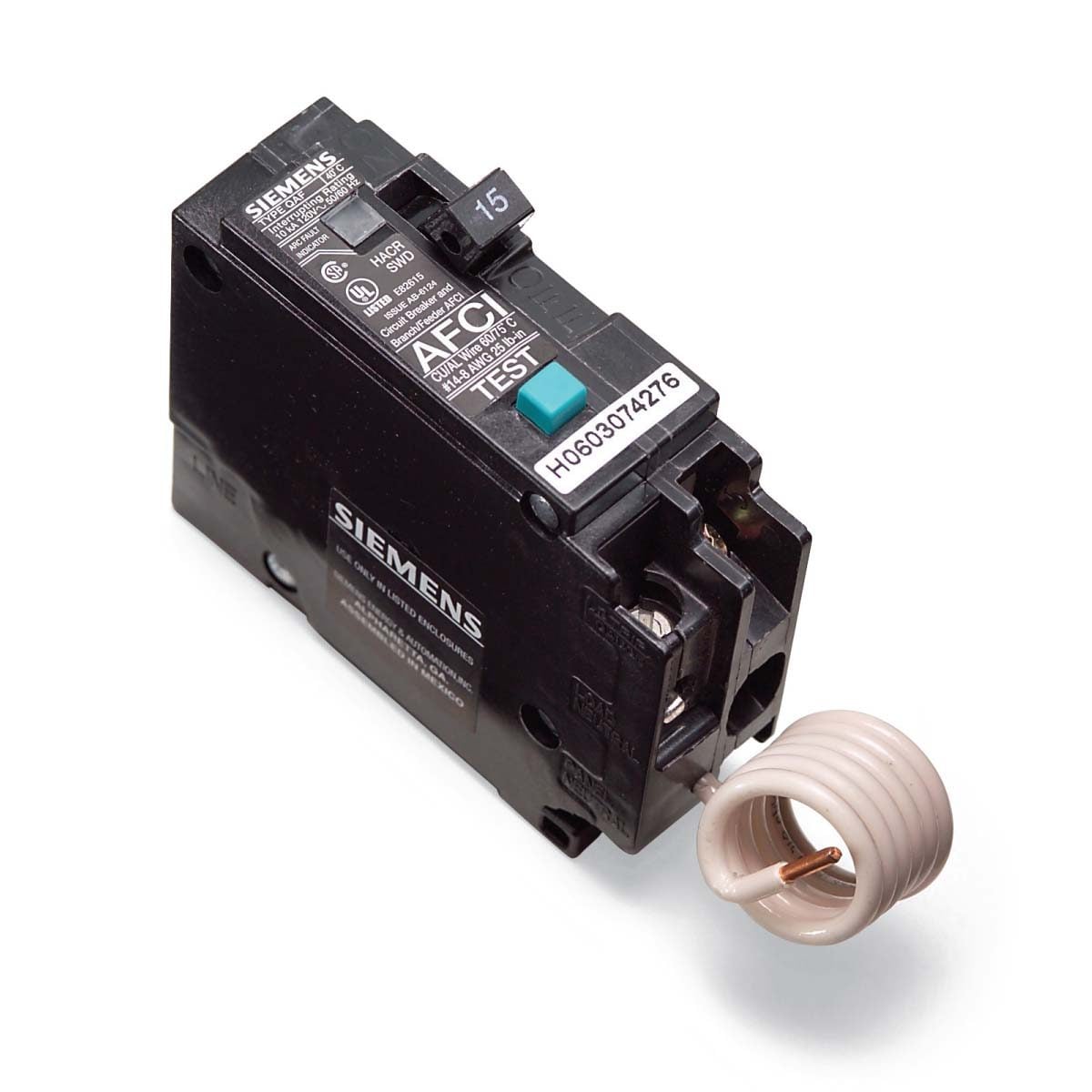
A sensitive arc fault circuit breaker can make a normal Tuesday feel like your house has developed a dramatic personality. You plug in a vacuum, the lights blink off. You start a treadmill, the breaker trips. You make coffee, and suddenly the kitchen circuit acts like it has joined a silent protest. Annoying? Absolutely. Random? Not always.
An arc fault circuit interrupter, usually called an AFCI breaker, is designed to detect dangerous electrical arcing before it can become a fire hazard. That means it is supposed to be sensitive. The trick is figuring out whether your breaker is reacting to a real danger, an incompatible appliance, a wiring issue, or a tired breaker that has earned retirement and a tiny gold watch.
This guide explains how to fix a sensitive arc fault circuit breaker safely, what homeowners can check without opening electrical equipment, and when the smartest repair is calling a licensed electrician. The goal is not to “defeat” the AFCI. The goal is to find the reason it keeps tripping and correct the problem without turning your home’s safety system into decorative wall art.
Safety note: Do not remove the electrical panel cover, touch breaker terminals, modify wiring, or replace an AFCI breaker unless you are a qualified adult electrician following local code. This article is for web-publishing education and safe homeowner-level troubleshooting only.
What Is an Arc Fault Circuit Breaker?
An arc fault circuit breaker is a protective device that monitors a circuit for electrical patterns associated with arcing. An arc occurs when electricity jumps through air or across a damaged connection instead of flowing cleanly through a conductor. That arc can create intense heat, especially when it happens inside a wall, behind furniture, inside a damaged cord, or at a loose connection.
Traditional circuit breakers respond mainly to overloads and short circuits. AFCI breakers add another layer of protection by watching for dangerous electrical “signatures.” Think of a standard breaker as a bouncer checking the crowd size. An AFCI breaker is the bouncer, the security camera, and the suspicious aunt at Thanksgiving who notices everything.
AFCI vs. GFCI: Do Not Mix Them Up
AFCI protection is mainly about reducing fire risk from arcing. GFCI protection is mainly about reducing shock risk from ground faults, especially near water. Some modern devices are dual-function AFCI/GFCI breakers, which means a trip may be caused by an arc fault, a ground fault, an overload, a short circuit, or a connected device. That is why diagnosis matters.
Why a Sensitive AFCI Breaker Keeps Tripping
When people say an AFCI breaker is “too sensitive,” they usually mean one of three things: it trips frequently, it trips with a specific appliance, or it trips even when nothing obvious is happening. Each pattern points to a different kind of problem.
1. A Real Arc Fault
The most serious possibility is a genuine arc fault. This can happen because of damaged insulation, a loose receptacle, a pinched cord, an old extension cord, a nail or screw through wiring, rodent damage, moisture intrusion, or a failing device. If you smell burning, see discoloration around outlets, hear buzzing or crackling, or notice warm switch plates, stop using that circuit and contact an electrician.
2. A Faulty or Noisy Appliance
Some appliances create electrical noise that can look suspicious to an AFCI. Common suspects include vacuum cleaners, treadmills, older power tools, laser printers, fluorescent lighting ballasts, dimmers, chargers, cheap power strips, and devices with motors or switching power supplies. The appliance may still “work,” but that does not mean it is electrically healthy.
3. Shared Neutral or Wiring Errors
AFCI and dual-function breakers can trip when neutral conductors are shared or connected incorrectly. This is especially common after renovations, panel upgrades, or attempts to add AFCI protection to older wiring. A shared neutral is not something to solve by guesswork. It needs proper testing by a licensed electrician.
4. Loose Connections
A loose connection at a receptacle, switch, light fixture, junction box, or panel can create intermittent arcing. The circuit may behave normally for days and then trip when a load starts, when the room warms up, or when someone plugs in a device. Loose connections are one of the reasons “it only happens sometimes” should still be taken seriously.
5. Damaged Cords and Extension Cords
Extension cords get pinched under furniture, stretched behind desks, chewed by pets, crushed by doors, and generally treated like electrical spaghetti. A damaged cord can trigger an AFCI because the breaker is doing exactly what it was designed to do: noticing trouble before smoke gets invited to the party.
6. Breaker Compatibility or Age
AFCI breakers must be compatible with the electrical panel. A breaker from the wrong manufacturer or product line can create safety and performance problems. Older AFCI models may also be more prone to unwanted tripping with newer electronics. In some cases, a properly selected newer breaker or a manufacturer-approved update is the fix.
Safe Homeowner Checks Before Calling an Electrician
You can do several safe checks without opening the panel or touching wiring. These steps help narrow the cause and give an electrician better information if professional repair is needed.
Step 1: Identify the Pattern
Write down when the breaker trips. Does it happen when you use a vacuum? When the treadmill starts? When rain is heavy? When lights are dimmed? When a printer warms up? Patterns matter. An AFCI trip that happens only with one appliance points in a different direction than a trip that occurs with nothing plugged in.
Step 2: Unplug Devices on the Circuit
Unplug everything connected to the affected circuit, including power strips and chargers. Then reset the breaker from the normal breaker handle only. If the breaker stays on with everything unplugged, one of the connected devices may be the trigger. If it trips again with nothing plugged in, the problem may be wiring, a connected fixture, or the breaker itself.
Step 3: Add Devices Back One at a Time
Plug devices back in one at a time and use them normally. If the breaker trips immediately after one device is connected or turned on, that device deserves attention. Try the same device on a different AFCI-protected circuit only if it can be done safely and without overloading that circuit. If it trips another AFCI too, the device may be faulty or incompatible.
Step 4: Inspect Cords and Plugs Visually
Look for cracked insulation, scorch marks, bent plug blades, loose plugs, buzzing adapters, overloaded power strips, and cords running under rugs. Do not use any cord or device that looks damaged. Replace it with a properly rated product rather than trying to tape it into obedience. Electrical tape is not a magic wand.
Step 5: Reduce Overloaded Power Strips
AFCI breakers do not replace basic load management. If a bedroom circuit is feeding a gaming PC, heater, monitor, mini fridge, chargers, lights, and a printer, the circuit may be overloaded or full of electronic noise. Move nonessential loads to other properly rated circuits and avoid daisy-chaining power strips.
Step 6: Check the Breaker’s Label and Indicator
Some AFCI and dual-function breakers include diagnostic lights or trip codes. Homeowners can read the label or manufacturer instructions, but should not remove covers or probe inside the panel. If the breaker indicates arc fault, ground fault, or overload, share that information with a licensed electrician.
What Not to Do When an AFCI Breaker Seems Too Sensitive
The worst “fix” for a sensitive AFCI breaker is replacing it with a standard breaker just to stop the tripping. That may remove required protection and leave a hidden hazard in place. It is like taking the batteries out of a smoke alarm because it keeps warning you that toast has become charcoal. Quieter? Yes. Smarter? No.
Do not tape the breaker handle in the on position. Do not keep resetting a breaker that trips repeatedly. Do not ignore burning smells, warm outlets, flickering lights, or buzzing sounds. Do not assume a new house cannot have wiring issues. New wiring can still have installation mistakes, damaged cable, shared-neutral problems, or incompatible devices.
When to Call a Licensed Electrician
Call an electrician if the AFCI trips with everything unplugged, trips immediately after reset, trips randomly with no clear device pattern, trips during rain or damp weather, or trips along with burning smells, heat, discoloration, buzzing, or flickering. Also call a professional after renovations, panel work, outlet replacement, lighting changes, or smart-switch installation if tripping begins afterward.
A licensed electrician can test the circuit, inspect accessible wiring, verify neutral and grounding arrangements, check torque on connections, confirm breaker compatibility, evaluate connected fixtures, and use manufacturer diagnostics. The repair might be as simple as replacing a failing receptacle or as involved as correcting a shared neutral or damaged cable.
Professional Fixes May Include:
- Repairing loose or damaged connections
- Replacing a faulty receptacle, switch, fixture, or appliance cord
- Correcting shared-neutral or grounded-neutral problems
- Separating circuits that were incorrectly tied together
- Installing the correct AFCI or dual-function breaker for the panel
- Updating older AFCI technology where manufacturer-approved
- Adding AFCI receptacle protection where allowed by code and design
How to Tell If the Appliance Is the Problem
One of the easiest clues is repeatability. If the breaker trips every time a specific vacuum cleaner runs, but not when lamps, chargers, and small electronics are used, the vacuum may be creating a waveform the AFCI interprets as unsafe. Older motor-driven tools, worn brushes, damaged cords, or cheap electronics can be especially suspicious.
That does not always mean the appliance is dangerous, but it does mean you should not ignore the pattern. Try replacing a damaged cord, discontinuing use of a worn appliance, or using a newer device from a reputable brand. If the problem disappears, congratulations: the breaker was not being dramatic; it was auditioning for detective work.
How to Prevent Future AFCI Nuisance Tripping
Preventing nuisance trips is mostly about cleaner circuits, better devices, and correct installation. Use quality power strips with proper ratings. Replace worn cords. Avoid running cords under rugs or furniture. Do not overload circuits with space heaters or high-draw equipment. Keep moisture away from outlets and extension cords. Label circuits clearly so future troubleshooting is less like solving a murder mystery with a flashlight.
For remodels and upgrades, hire electricians who understand AFCI requirements and manufacturer-specific diagnostics. AFCI installation is not just a matter of snapping in a breaker and hoping the house applauds. Neutral routing, panel compatibility, device wiring, and local code requirements all matter.
Real-World Example: The Vacuum Cleaner Mystery
Imagine a homeowner whose living room breaker trips every Saturday morning. At first, it seems random. The TV works. Lamps work. Phone chargers work. But every time the vacuum crosses the rug, the AFCI trips. After unplugging everything and adding devices back one at a time, the vacuum becomes the obvious suspect.
The homeowner checks the vacuum cord and finds a flattened section near the plug. The vacuum is replaced, and the circuit stops tripping. In that case, the AFCI was not “too sensitive.” It was reacting to a device that had become electrically questionable. The fix was not breaker replacement; it was removing the bad load.
Real-World Example: The Renovation Surprise
Now picture a bedroom circuit that starts tripping after new recessed lights and smart switches are installed. No single plugged-in appliance causes it. The breaker trips even when outlets are empty. That points away from a simple device problem and toward wiring, fixture, neutral, or compatibility issues.
In this case, a licensed electrician may find a shared neutral, a miswired switch box, or a connection that is loose inside a junction box. The homeowner could not safely diagnose that from the outside, but careful note-taking helped the electrician narrow the search quickly.
Extra Field Experience: What People Learn After Living With AFCI Breakers
Many homeowners first meet AFCI breakers after a remodel, a new-home inspection, or a panel upgrade. The first reaction is often frustration because old breakers seemed simple: either they were on, off, or obviously overloaded. AFCIs are different. They pay attention to details older breakers ignored. That can feel inconvenient, but the inconvenience is usually trying to tell a story.
One practical experience is that the “last thing plugged in” is not always the guilty party. A breaker may trip when a lamp turns on because the lamp adds just enough load to reveal a weak connection somewhere else. A printer may trip a circuit not because the printer is defective, but because the circuit is already crowded with electronics and marginal wiring. Diagnosis works best when you step back and look at the whole circuit, not just the device you touched last.
Another lesson is that cheap power strips create more trouble than people expect. A low-quality strip behind a desk may feed a computer, speakers, chargers, LED lights, and a monitor. Add dust, loose plugs, and a crushed cord, and the AFCI may begin complaining. Replacing the strip with a properly rated surge protector and removing unnecessary adapters can make the circuit behave again. It is not glamorous, but neither is crawling under a desk muttering at cables like they owe you money.
Homeowners also discover that moisture can be sneaky. A porch light, exterior receptacle, garage outlet, or cable entering a damp box can trigger trips during storms or humid weather. If tripping follows rain, do not keep resetting the breaker and hoping sunshine fixes everything. Water and electricity are not a buddy comedy. That pattern deserves professional inspection.
In newer homes, sensitive AFCI breakers often reveal installation details that passed unnoticed at first. A neutral wire landed in the wrong place, a staple pressed too tightly on cable, or a receptacle connection loosened after move-in can all produce intermittent trouble. The breaker is not trying to ruin your evening. It is pointing toward a condition that should be checked while it is still only an annoyance.
In older homes, AFCI upgrades can expose aging wiring, brittle insulation, old backstabbed receptacles, or circuits that have been modified over decades. A house may have had five owners, three DIY heroes, one mysterious basement junction box, and zero accurate labels. When AFCI protection is added, hidden problems can finally show themselves. That is frustrating, but it is also useful. Better a tripping breaker today than a hidden hot spot behind a wall tomorrow.
The best habit is documentation. Keep a simple note on your phone: date, time, weather, room, devices running, and whether the breaker reset after unplugging loads. That information can save an electrician time and save you money. “It trips sometimes” is vague. “It trips when the treadmill starts, but only on incline mode, and only on the bedroom circuit” is a clue with shoes on.
The final experience-based takeaway is simple: never treat an AFCI as the enemy. Treat it as an early warning system. Sometimes it is reacting to harmless electrical noise. Sometimes it is reacting to a real hazard. The only safe way to know is to isolate loads carefully, inspect visible cords, stop using suspicious devices, and bring in a licensed professional when the cause is not obvious.
Conclusion
Fixing a sensitive arc fault circuit breaker starts with understanding what it is trying to do. AFCI breakers are designed to reduce fire risk by detecting dangerous arcing conditions that older breakers may miss. When one keeps tripping, the cause may be a faulty appliance, damaged cord, overloaded power strip, wiring error, loose connection, shared neutral, moisture issue, incompatible device, or aging breaker.
The safe homeowner approach is simple: observe the pattern, unplug devices, add them back one at a time, inspect visible cords, reduce overloaded power strips, and stop using anything that looks damaged. If the breaker trips with nothing plugged in, trips repeatedly, shows signs of heat or burning, or begins after electrical work, call a licensed electrician. The right fix protects both convenience and safety.
AFCI breakers may be sensitive, but that sensitivity exists for a reason. Your job is not to silence the warning. Your job is to understand it, respect it, and solve the real cause before a small electrical problem becomes a very large headline.