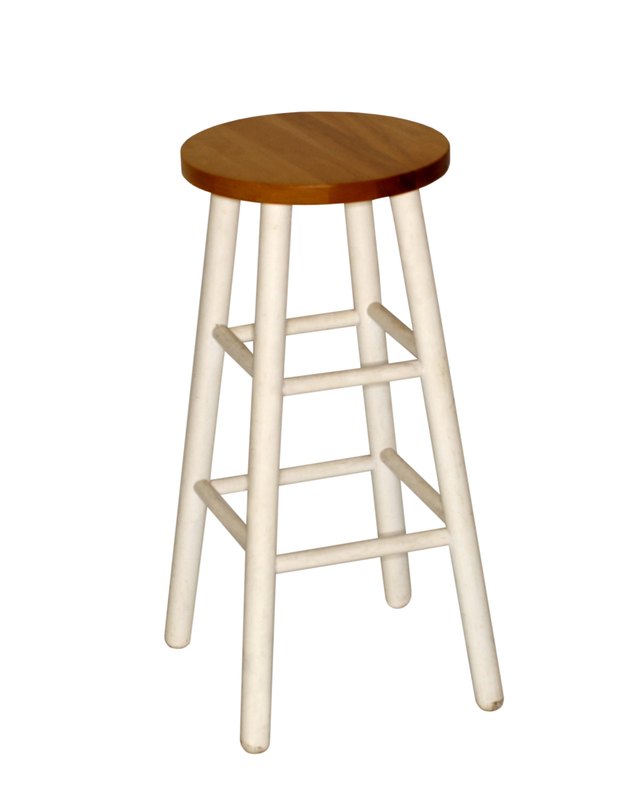
A squeaky bar stool can turn one quiet cup of coffee into a soundtrack called Breakfast at the Haunted Diner. Every swivel produces a chirp, every shift creates a groan, and eventually everyone at the counter starts sitting unusually still.
Fortunately, most noisy bar stools do not need to be replaced. The squeak usually comes from one of four places: loose hardware, a failing wooden joint, dry metal components, or friction between the stool and the floor. Once you identify the source, the repair is often straightforward and inexpensive.
This guide explains how to fix squeaky bar stools made from wood, metal, plastic, or a combination of materials. It also covers swivel stools, adjustable pedestal stools, stripped screw holes, loose stretchers, worn floor glides, and those mysterious noises that seem to disappear the moment you pick up a wrench.
Why Do Bar Stools Squeak?
A squeak is created when two surfaces rub, flex, or shift against each other. The sound may be tiny, but it indicates movement somewhere in the stool. That movement may be harmless friction in a swivel plate, or it may be an early warning that a load-bearing joint is working loose.
Common causes include:
- Loose nuts, bolts, washers, or screws
- Dry swivel bearings or metal pivot points
- Loose wooden legs, rungs, dowels, or stretchers
- Old adhesive that has separated from the wood
- Stripped screw holes in wood or particleboard
- Missing, worn, or uneven floor glides
- Metal parts rubbing against plastic trim
- Dirt, rust, crumbs, or dried spills inside moving hardware
- A cracked weld, bent bracket, or damaged frame
Do not assume every squeak needs lubricant. Spraying oil into a loose wooden joint may temporarily change the noise, but it can contaminate the wood and make a proper glue repair more difficult. The correct fix depends on what is moving.
Tools and Materials You May Need
You probably will not need every item on this list. Inspect the stool first, then gather the supplies appropriate for its construction.
- Phillips and flat-head screwdrivers
- Hex keys or Allen wrenches
- Adjustable wrench or socket set
- Needle-nose pliers
- Clean rags and cotton swabs
- Mild dish soap and water
- Isopropyl alcohol for cleaning bare metal
- Wood glue for tight-fitting wood joints
- Two-part epoxy for appropriate gap-filling repairs
- Clamps or a ratchet strap
- Removable blue threadlocker
- Light machine oil, silicone lubricant, or white lithium grease
- Wooden toothpicks, matchsticks, or a small hardwood dowel
- Replacement screws, bolts, washers, or lock nuts
- Felt, rubber, or nylon furniture glides
- Painter’s tape for marking noisy locations
How to Locate the Squeak
1. Test the Stool on a Level Surface
Move the stool to a hard, level floor. A soft rug can hide a wobble, while uneven tile can make a perfectly good stool seem defective. Press down on the seat without sitting on it and gently rock it from side to side.
Listen for the sound while watching the legs, footrest, seat brackets, and swivel mechanism. If possible, ask another person to move the stool while you observe it. Keep your hands away from pinch points.
2. Test One Type of Movement at a Time
Rotate the seat without rocking it. Then rock the frame without rotating the seat. Next, press on each corner of the seat separately. This method helps distinguish a swivel squeak from a loose leg or mounting bracket.
If the noise occurs only while rotating, inspect the swivel plate or bearing. If it appears when weight shifts from one side to the other, inspect the frame joints and fasteners. If the stool squeaks only when dragged, examine the floor glides.
3. Mark the Suspected Area
Place a small piece of painter’s tape beside each suspected joint. Bar stools contain more connections than they appear to, and it is surprisingly easy to forget which bolt made the sound after turning the stool upside down.
How to Fix Loose Screws, Bolts, and Brackets
Loose hardware is the most common and easiest bar stool repair. Repeated sitting, swiveling, and foot pressure create vibration that gradually backs fasteners out.
- Turn the stool upside down on a folded blanket or towel.
- Inspect every visible screw, nut, bolt, washer, and mounting plate.
- Hold the nut with a wrench while tightening the bolt from the opposite side.
- Tighten hardware gradually, moving around the stool rather than fully tightening one side first.
- Return the stool upright and test it before making additional adjustments.
A fastener should be snug, not tightened with the force of someone securing a submarine hatch. Excessive torque can strip wood, crush plastic spacers, distort a swivel plate, or damage particleboard.
Use Threadlocker on Repeatedly Loose Metal Fasteners
If a metal nut or bolt repeatedly loosens, remove it and clean the threads. Once the metal is dry, apply a small amount of removable blue threadlocker and reinstall the fastener according to the product directions.
Use removable threadlocker rather than permanent red threadlocker. The blue type helps resist vibration but can usually be removed later with ordinary hand tools. Keep threadlocker away from plastic unless its label specifically confirms compatibility.
Replace Missing or Damaged Washers
A missing washer may allow a bolt head to dig into the mounting plate or seat base. Replace bent, cracked, or missing washers with matching hardware. A lock washer or lock nut may help on metal assemblies designed to accept one.
How to Repair Stripped Screw Holes in Wood
If a screw turns endlessly without becoming snug, its hole is probably stripped. Installing a larger screw may work in some cases, but it can split a narrow stool rail or protrude through the seat.
For a basic repair:
- Remove the screw.
- Dip two or three wooden toothpicks or matchstick-sized wood pieces in wood glue.
- Push them firmly into the damaged hole.
- Trim the excess material flush with the surface.
- Allow the glue to cure fully.
- Drill a small pilot hole if necessary, then reinstall the original screw.
For a severely enlarged hole, drill it to a clean, consistent diameter and glue in a hardwood dowel. After the adhesive cures, trim the dowel, drill a new pilot hole, and reinstall the fastener.
Do not use this method when the surrounding wood is cracked or crumbling. The structural damage must be repaired before the screw can hold safely.
How to Fix Squeaky Wooden Bar Stools
Wooden stools commonly squeak where legs meet the seat, where stretchers enter the legs, or where the footrest joins the frame. These connections are often made with dowels or mortise-and-tenon joints.
Tighten Mechanical Fasteners First
Some wooden bar stools look traditionally joined but also contain hidden screws or bolts beneath the seat. Tighten those fasteners before assuming the glued joints have failed.
Do not drive random screws through the outside of the legs as a quick fix. Besides looking like the stool lost a disagreement with a hardware aisle, poorly positioned screws can split the wood and weaken the joint.
Reglue a Loose Wooden Joint Properly
A durable repair generally requires exposing the mating surfaces. Smearing glue around the outside of a closed joint rarely reaches enough clean wood to create a dependable bond.
- Photograph the stool before disassembly so you can reproduce the original alignment.
- Label the legs and stretchers with painter’s tape.
- Carefully separate only the loose joints using gentle pressure and a non-marring mallet if necessary.
- Remove dried, loose adhesive from both mating surfaces.
- Vacuum or brush away sanding dust.
- Test-fit the parts before applying new adhesive.
- Spread wood glue over the actual contacting surfaces.
- Reassemble the stool and clamp the joint squarely.
- Wipe away squeeze-out with a damp cloth before it hardens.
- Leave the stool unused for the full curing period stated on the adhesive label.
Many household wood glues require only a short initial clamping period but need about 24 hours before the joint should carry meaningful stress. Follow the instructions for the specific adhesive rather than testing the stool early because it “looks dry.” Glue is not impressed by optimism.
Choose the Right Adhesive
Ordinary PVA wood glue is appropriate when clean wooden parts fit tightly together. It is not a reliable gap filler. If wear has left a meaningful gap around a tenon or dowel, the joint may need a new dowel, a carefully fitted wood shim, or a suitable two-part epoxy repair.
Antique stools may have been assembled with hide glue. Because antique furniture can lose value after an inappropriate repair, consider consulting a furniture conservator before introducing modern adhesives or screws.
Repair Cracks Before Regluing the Joint
A cracked leg, seat, or stretcher should not simply be pulled together by tightening the nearest bolt. Open the crack slightly, work the appropriate adhesive into it, and clamp it in its original position. Replace the component if the crack runs through a highly stressed section or leaves the part visibly distorted.
How to Fix Squeaky Metal Bar Stools
Metal stools usually squeak because of loose fasteners, dry pivots, surface rust, or contact between two frame components.
Clean Before Lubricating
Wipe away dust, crumbs, grease, and sticky residue. Old spills can create surprisingly loud friction where brackets overlap. Clean bare metal contact points with a cloth and a small amount of isopropyl alcohol, then let them dry completely.
Apply Lubricant Precisely
Use a narrow applicator or place lubricant on a cotton swab instead of fogging the entire underside of the stool. Apply one or two drops to the metal-on-metal pivot, rotate or move the mechanism several times, and wipe away the excess.
Suitable options may include light machine oil, silicone lubricant, or white lithium grease, depending on the mechanism and manufacturer instructions. Silicone can be useful where metal contacts certain plastic or rubber components. White lithium grease is often better for heavily loaded metal pivots because it remains in place longer.
A general water-displacing spray may provide temporary relief and help loosen rusty hardware, but a dedicated long-lasting lubricant is usually a better choice for a bearing or heavily used pivot.
Inspect Welds and Tubing
Examine every weld with bright light. Look for hairline cracks, rust lines, separation, or movement where the footrest joins the legs. A cracked weld is a structural defect, not a lubrication problem. Stop using the stool and have the frame professionally welded or replace it.
How to Fix a Squeaky Swivel Bar Stool
A typical swivel stool uses two metal plates connected by a bearing or rotating race. The upper plate attaches to the seat, and the lower plate attaches to the frame.
Tighten the Swivel Plate
- Turn the stool upside down.
- Check the screws or bolts securing both plates.
- Tighten them evenly in a diagonal pattern.
- Replace missing washers or damaged fasteners.
- Rotate the plate by hand and listen for scraping or clicking.
If the plate is bent, heavily rusted, or loose inside its sealed bearing, replacement is usually more practical than attempting to rebuild it. Measure the mounting-hole pattern, plate dimensions, rotation style, and weight rating before ordering a replacement.
Lubricate the Bearing Sparingly
If the bearing is accessible, place a small amount of suitable lubricant at the edge of the race while slowly rotating the seat. Do not soak the mechanism. Excess lubricant attracts dust and may drip onto the floor, upholstery, or a freshly laundered pair of pants that did not volunteer for the project.
Adjustable and Pedestal Bar Stools
Hydraulic-style and gas-lift stools have additional components, including a pedestal column, footrest bracket, rotating collar, and lift mechanism.
First tighten the seat-mounting bolts and inspect the joint between the column and base. Clean and lubricate only exposed pivots or rotation points approved by the manufacturer.
Do not drill, heat, puncture, open, or attempt to refill a sealed gas cylinder. Replace a lift mechanism that sinks, leans, leaks, or moves unpredictably. A stool that tilts because the pedestal or base is bent should also be removed from service.
Check the Floor Glides
Sometimes the stool is innocent and the feet are the noisy troublemakers. Worn glides may expose metal or rough wood, producing a squeak whenever the stool shifts.
- Inspect every foot for missing, flattened, or cracked glides.
- Remove trapped grit from the bottom of each leg.
- Replace all glides as a matching set when possible.
- Choose felt for smooth indoor flooring and rubber or nylon where additional grip is needed.
- Confirm that every replacement has the same thickness.
Unequal glides can introduce a wobble even when the frame is square. On adjustable feet, turn each leveler until all feet contact the floor firmly.
Common Repair Mistakes to Avoid
- Spraying every joint: Lubricant can stain upholstery, damage certain finishes, collect dirt, and interfere with wood glue.
- Over-tightening hardware: More force is not always more secure. It can strip threads, crush wood, or deform brackets.
- Gluing over old residue: New wood glue needs clean, properly fitting surfaces.
- Using glue without clamps: A moving joint may cure out of alignment or form a weak bond.
- Using the stool too soon: Initial set time is not the same as full cure time.
- Ignoring a wobble: A wobble increases movement, and movement accelerates wear.
- Repairing cracked welds with adhesive: Structural metal damage requires welding, component replacement, or stool replacement.
When Should You Replace the Bar Stool?
Replacement is the safer decision when the stool has widespread rust, multiple failed joints, severely cracked wood, a bent pedestal, a loose sealed bearing, or a frame that remains unstable after correct repairs.
Also consider replacement when the cost of a swivel plate, gas lift, hardware, glides, and upholstery work approaches the price of a sound new stool. Sentimental or antique pieces may justify professional restoration, while a low-cost stool with structural damage may not.
Frequently Asked Questions
Can I use cooking oil on a squeaky bar stool?
Cooking oil may quiet a metal pivot temporarily, but it can become sticky, collect dust, develop an odor, and stain nearby materials. A lubricant formulated for mechanical components is a better long-term option.
Will WD-40 stop a stool from squeaking?
A water-displacing multipurpose product may loosen rusty hardware and temporarily quiet some moving metal parts. For a frequently used swivel bearing or pivot, a dedicated silicone, machine-oil, or white-lithium lubricant may last longer. Keep all sprays away from upholstery and finished wood.
How do I stop bolts from loosening again?
Clean the threads, replace damaged hardware, tighten the assembly evenly, and use a small amount of removable blue threadlocker when appropriate. A lock nut may also help if the assembly has room for one.
Why does my wooden stool squeak after I tightened everything?
The sound may come from a glued joint rather than a screw. Watch the legs and stretchers while gently rocking the stool. Visible movement at a dowel or mortise-and-tenon joint usually means the connection should be disassembled, cleaned, and reglued.
How often should swivel stools be lubricated?
There is no universal interval. Inspect the mechanism when noise, stiffness, visible dryness, or corrosion appears. Frequently used restaurant-style stools may require attention sooner than stools in a lightly used home bar.
Experience Notes: What Fixing Squeaky Bar Stools Teaches You
The most useful lesson from repairing squeaky stools is that the loudest sound does not always come from the most obvious location. On one wooden stool, the noise seemed to come from beneath the seat. Tightening the seat screws changed nothing. The actual problem was a loose side stretcher transmitting vibration up the leg, turning the seat into a wooden speaker.
The successful approach was to stop chasing the sound and start watching for movement. With the stool on a level floor, gentle side pressure revealed a barely visible gap opening at one end of the stretcher. Once that joint was separated, cleaned, reglued, and clamped, both the squeak and the wobble disappeared.
A different metal swivel stool taught the opposite lesson. Its frame was solid, but the seat squealed during rotation. The first temptation was to spray the entire swivel assembly. Instead, cleaning the plate exposed one slightly loose mounting bolt and a narrow dry section at the bearing edge. Tightening the hardware removed most of the noise. A tiny, targeted application of lubricant handled the remainder without leaving an oily halo beneath the seat.
Another common experience involves repairs that work for three days and then fail. This usually happens when the symptom is treated rather than the movement. Tightening a bolt without cleaning its threads may provide temporary silence. Adding glue to the outside of a closed wooden joint may create an impressive-looking bead without bonding the surfaces that matter. Spraying lubricant onto a loose bracket may quiet the rubbing while allowing the bracket to keep shifting.
Careful preparation consistently matters more than the amount of product used. A few drops of lubricant placed exactly at a pivot outperform half a can sprayed nearby. A thin, complete layer of wood glue on clean mating surfaces is stronger than a large puddle trapped at the end of a joint. One properly sized replacement washer can accomplish more than tightening a damaged fastener until your knuckles file a formal complaint.
It is also worth checking every stool in a matching set after repairing one. Furniture from the same set was assembled with the same materials and has usually experienced similar use. If one stool has loose swivel bolts or flattened glides, the others may be approaching the same condition. A ten-minute inspection can prevent the next squeak and may reveal a safety issue before someone sits down.
Finally, the best repair experience includes knowing when to stop. A cracked weld, badly split leg, or unstable gas cylinder is not a challenge to conquer with extra adhesive. It is a reason to replace a part, call a qualified professional, or retire the stool. Silence is satisfying, but stability is the real goal.
Conclusion
To fix a squeaky bar stool, begin by locating the exact source of movement. Tighten loose hardware, repair stripped holes, reglue failed wooden joints, lubricate true metal pivots sparingly, and replace worn floor glides. Test the stool on a level surface after each repair so you know which action solved the problem.
A methodical repair is usually faster than randomly tightening and spraying everything within reach. Better yet, it produces a stool that is not only quieter but also safer, sturdier, and far less likely to interrupt breakfast with its dramatic interpretation of a rusty screen door.