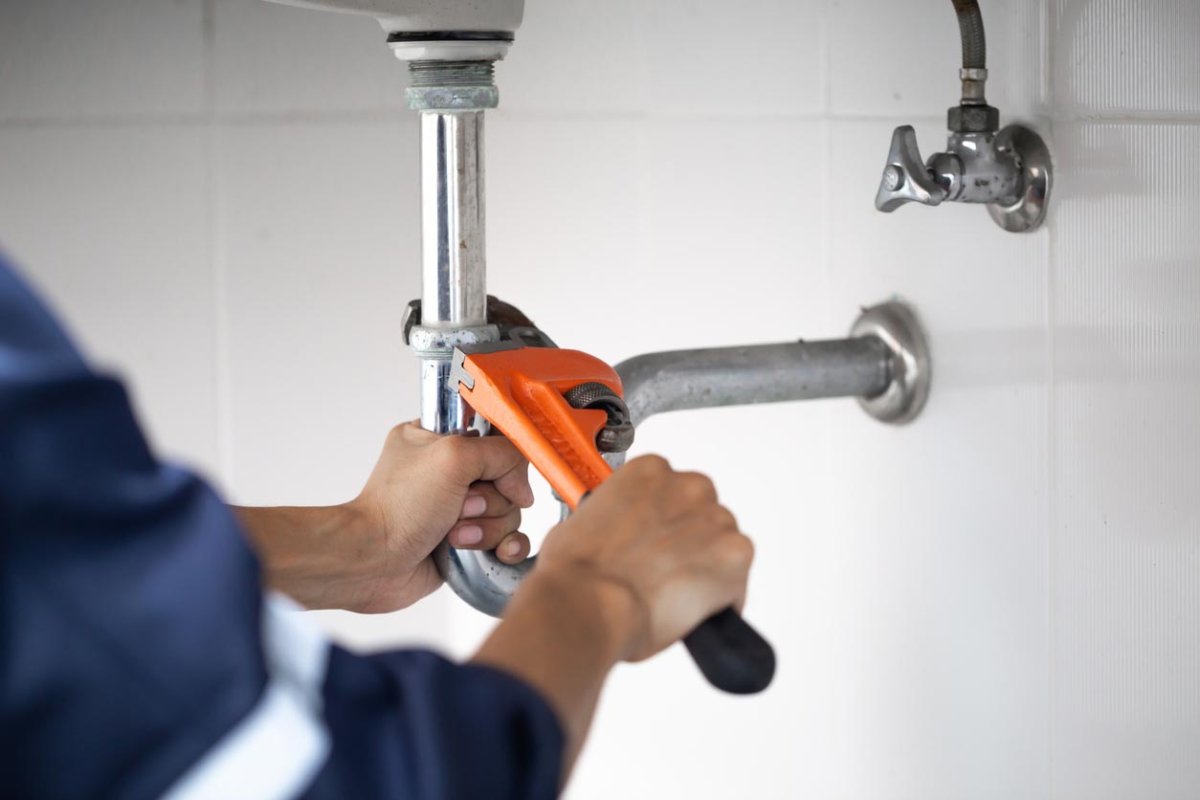
Becoming a licensed plumber is not quite as simple as buying a wrench, growing suspiciously strong forearms, and declaring yourself ruler of the water heater. Plumbing protects drinking water, sanitation systems, gas connections, and entire buildings from expensive disasters. That is why states and municipalities regulate who may perform plumbing work independently.
The challenge is that the United States does not have one national plumbing license. Some states license apprentices, journeymen, master plumbers, and contractors. Others regulate only plumbing businesses or large projects. A smaller group leaves most licensing decisions to cities and counties. Most licensing jurisdictions require approximately two to five years of experience and a passing examination before a plumber may work independently.
This guide explains the standard licensing process, provides a practical overview for all 50 states, and shares field-tested lessons that can make the journey less confusing.
What Is a Plumbing License?
A plumbing license is a government-issued credential authorizing an individual or business to perform specified plumbing work. The exact scope depends on the credential. An apprentice usually works under direct supervision. A journeyman can perform broader work but may not be permitted to operate a business or pull permits independently. A master plumber generally has greater supervisory and contracting authority.
Do not confuse an occupational license with a business license. A plumber opening a company may need both, along with contractor registration, liability insurance, workers’ compensation coverage, a surety bond, tax registration, and local permits.
How to Get a Plumbing License in Seven Steps
1. Identify the Correct Licensing Authority
Start with the state licensing board, department of labor, department of professional regulation, or contractor licensing agency. Then contact the building department in every city or county where you intend to work.
This local check matters even when a state license exists. Municipalities may impose additional registrations, insurance requirements, code examinations, permit rules, or restrictions on who may act as a plumbing contractor.
2. Register as an Apprentice or Trainee
Many states require plumbers to register before their work hours begin counting toward a license. Do this before starting the job, not after accumulating three years of experience and discovering that the licensing board views your paperwork with the warmth of a frozen pipe.
A registered apprenticeship combines paid employment, supervised experience, classroom instruction, progressive wage increases, and a recognized credential. The federal Apprenticeship.gov system can help applicants locate approved programs and sponsors.
3. Complete Supervised Work Experience
Most licensing paths require several thousand hours under a licensed plumber. Common requirements fall between 4,000 and 8,000 hours, although some specialty and master-level credentials require more.
Keep copies of pay stubs, tax records, apprentice cards, employer affidavits, training certificates, and detailed employment dates. California, for example, requires qualifying journey-level experience for its C-36 Plumbing Contractor license, while Washington requires documented trainee hours for journey-level certification.
4. Complete Classroom Education
Required instruction may cover plumbing codes, mathematics, blueprint reading, water distribution, drainage, venting, safety, fuel gas systems, backflow prevention, and business law. Some states prescribe a specific number of classroom hours, while others accept an approved apprenticeship certificate or equivalent experience.
Study the code edition listed in the examination bulletin. Knowing a 2018 code book brilliantly will not save you when the exam is based on a newer edition with state amendments.
5. Apply for Examination Approval
Many boards review eligibility before allowing candidates to schedule an exam. A typical application may require:
- Government-issued identification
- Experience verification forms
- Apprenticeship or education records
- Application and examination fees
- Background disclosures or fingerprints
- License verification from other states
Read every form carefully. Missing employer signatures, incomplete dates, and inconsistent job titles are common reasons applications are delayed.
6. Pass the Required Exams
A journeyman or master plumbing exam normally tests practical trade knowledge and code compliance. Contractor applicants may also face business, finance, or law examinations.
Prepare with the official candidate bulletin, the correct code books, approved reference materials, timed practice questions, and code-navigation drills. Open-book does not mean easy. It means you may bring a large book into the room and discover that it has developed a personal grudge against you.
7. Obtain Insurance, Bonding, and Business Credentials
Passing the exam may qualify you as a plumber, but operating a plumbing company often requires additional steps. Depending on the jurisdiction, these may include forming a legal business entity, registering a trade name, purchasing liability insurance, securing workers’ compensation coverage, filing a surety bond, appointing a responsible master plumber, and obtaining local contractor registrations.
Licenses must also be renewed. Continuing education, updated insurance certificates, renewal fees, and timely applications may be required to keep a credential active.
Plumbing License Requirements for Every State
The following state-by-state plumbing license guide is a starting map rather than a substitute for an official application bulletin. Requirements, project thresholds, fees, code editions, and reciprocity agreements can change. The summaries reflect current federal resources, state agencies, and nationwide licensing references available in 2026.
| State | Basic Licensing Path | Where to Start |
|---|---|---|
| Alabama | Register as an apprentice, qualify as a journeyman, and advance to master plumber before independently contracting. | Alabama Plumbers and Gas Fitters Examining Board |
| Alaska | Obtain journey plumber certification; businesses generally need a plumbing mechanical administrator and contractor registration. | Department of Labor and Workforce Development |
| Arizona | Contracting businesses need the appropriate residential, commercial, or dual plumbing contractor classification, examinations, experience, and bonding. | Arizona Registrar of Contractors |
| Arkansas | Follow the apprentice-to-journeyman-to-master pathway; larger projects may also require a state contractor license. | Arkansas Department of Health |
| California | The state licenses plumbing contractors through the C-36 classification rather than issuing a statewide journeyman plumber license. | Contractors State License Board |
| Colorado | Register as an apprentice, document experience, and test for residential, journeyman, or master plumber licensure. | Colorado State Plumbing Board |
| Connecticut | Complete an approved apprenticeship, obtain a P-2 journeyperson license, and progress to a P-1 contractor license. | Department of Consumer Protection |
| Delaware | Complete qualifying training and experience, pass the relevant examination, and obtain journeyperson or master licensure. | Division of Professional Regulation |
| Florida | Choose a certified statewide plumbing contractor license or an applicable registered license tied to a jurisdiction. | Department of Business and Professional Regulation |
| Georgia | Gain documented experience and test for journeyman, restricted Class I master, or unrestricted Class II master licensure. | Secretary of State Licensing Division |
| Hawaii | Qualify as a journey worker and master plumber; contracting businesses need the appropriate C-37 contractor credential. | Board of Electricians and Plumbers |
| Idaho | Register as an apprentice, complete approved training, pass the journeyman exam, and later qualify as a contractor. | Division of Occupational and Professional Licenses |
| Illinois | Register as an apprentice, qualify for the licensed plumber examination, and register a plumbing contracting business separately. | Illinois Department of Public Health |
| Indiana | Complete an approved apprenticeship or document equivalent experience before testing as a journeyman or plumbing contractor. | Indiana Plumbing Commission |
| Iowa | Progress from apprentice to journeyperson and master plumber; businesses also need contractor registration and insurance. | Plumbing and Mechanical Systems Board |
| Kansas | No uniform statewide plumber license exists; obtain the required master, journeyman, or contractor credential locally. | City or county building department |
| Kentucky | Complete supervised experience, pass the journeyman exam, and gain additional experience before testing for master plumber. | Department of Housing, Buildings and Construction |
| Louisiana | Register and qualify through tradesman, journeyman, and master levels; larger contracts require separate contractor licensing. | State Plumbing Board of Louisiana |
| Maine | Register as a trainee, document supervised hours, and test for journeyman, journeyman-in-training, or master licensure. | Plumbers’ Examining Board |
| Maryland | Maintain apprentice registration, complete required supervised hours, and pass examinations for journey or master plumber. | Maryland State Board of Plumbing |
| Massachusetts | Register as an apprentice, complete prescribed work and education, and progress through journeyman and master licenses. | Board of State Examiners of Plumbers and Gas Fitters |
| Michigan | Register as an apprentice, qualify as a journey plumber, and later test for master plumber and contractor credentials. | Department of Licensing and Regulatory Affairs |
| Minnesota | Register unlicensed workers, document hours, pass journeyworker or master exams, and license the plumbing contracting business. | Department of Labor and Industry |
| Mississippi | State contractor licensing applies above statutory project thresholds; smaller work remains subject to local licensing rules. | Mississippi State Board of Contractors |
| Missouri | No statewide plumbing license exists; requirements for apprentices, journeymen, masters, and contractors are established locally. | Municipal or county licensing office |
| Montana | Register apprentices, test for journeyman and master plumber licenses, and complete applicable contractor registration. | Montana Board of Plumbers |
| Nebraska | Plumber licenses are generally issued locally, while many contractors must also complete state contractor registration. | Local plumbing board and Department of Labor |
| Nevada | Plumbing businesses need the applicable C-1 contractor classification, qualifying experience, examinations, bonding, and financial review. | Nevada State Contractors Board |
| New Hampshire | Register as an apprentice, complete training and experience, and test for journeyman and master plumber licensure. | Office of Professional Licensure and Certification |
| New Jersey | Complete an approved apprenticeship and journeyman period before applying for the state master plumber examination. | State Board of Examiners of Master Plumbers |
| New Mexico | Obtain journeyman certification for fieldwork; businesses require the appropriate MM plumbing or mechanical contractor classification. | Construction Industries Division |
| New York | No statewide plumbing license exists; each city or county establishes its own master plumber and contractor requirements. | Local building or licensing department |
| North Carolina | Qualify and test for the plumbing contractor classification matching the buildings, systems, and project scope you serve. | State Board of Examiners of Plumbing, Heating and Fire Sprinkler Contractors |
| North Dakota | Register apprentices and progress through journeyman and master licensing, with continuing education required for renewal. | North Dakota State Plumbing Board |
| Ohio | The state licenses commercial plumbing contractors; individual journey-level and residential requirements may be imposed locally. | Ohio Construction Industry Licensing Board |
| Oklahoma | Register as an apprentice, qualify as a journeyman, and meet additional experience and examination requirements for contractor status. | Oklahoma Construction Industries Board |
| Oregon | Obtain the appropriate individual plumbing license through BCD and contractor credentials through the Construction Contractors Board. | Building Codes Division and Construction Contractors Board |
| Pennsylvania | No statewide plumbing license exists; master plumber, contractor, insurance, and permitting requirements are established locally. | City or municipal licensing department |
| Rhode Island | Register as an apprentice, complete the journey requirements, and gain further experience before testing for master plumber. | Department of Labor and Training |
| South Carolina | Residential or commercial work may require a specialty or mechanical contractor license with a plumbing classification. | Department of Labor, Licensing and Regulation |
| South Dakota | Register apprentices, qualify as a journeyman, and obtain plumbing contractor licensure before operating independently. | South Dakota Plumbing Commission |
| Tennessee | State contractor licensing applies to qualifying projects, while smaller plumbing work may require local licensing and permits. | Board for Licensing Contractors |
| Texas | Progress through apprentice, tradesman, journeyman, and master credentials; businesses need a Responsible Master Plumber. | Texas State Board of Plumbing Examiners |
| Utah | Register as an apprentice, complete experience and education, advance through journeyman and master levels, and license the business. | Division of Professional Licensing |
| Vermont | Complete apprentice training, pass the journeyman exam, and gain qualifying experience before applying for master plumber. | Division of Fire Safety |
| Virginia | Obtain the appropriate tradesman credential and a contractor license with the PLB classification when operating a business. | Department of Professional and Occupational Regulation |
| Washington | Begin as a certified trainee, document supervised hours, pass the plumber exam, and separately license the contracting business. | Department of Labor and Industries |
| West Virginia | Obtain the applicable journeyman or master plumber license and contractor licensing when project values trigger the requirement. | West Virginia Division of Labor |
| Wisconsin | Complete apprenticeship, advance through journeyman and master plumber licensing, and obtain applicable business credentials. | Department of Safety and Professional Services |
| Wyoming | No statewide plumber license exists; municipalities establish local examination, master plumber, contractor, bond, and insurance rules. | City or county building department |
Can a Plumbing License Transfer to Another State?
Usually, a plumbing license does not automatically transfer. Reciprocity may waive an examination or simplify experience verification, but applicants generally must still submit an application, pay fees, and satisfy the receiving state’s rules.
Reciprocity can also be narrowly limited. Oregon, for example, lists reciprocal journeyman plumbing arrangements with Idaho and Montana, while Washington offers journey-level reciprocity with Idaho and evaluates other out-of-state credentials separately.
Before relocating, request an official license verification, examination score report, and detailed work-history record. Do this while former supervisors are still reachable and remember who you are.
Common Experiences During the Plumbing Licensing Journey
Your First Job Matters More Than Your First Toolbox
New apprentices sometimes focus on buying premium tools before confirming that their employer is properly licensed and authorized to supervise them. A shiny tool bag is useful, but a qualified supervisor is what turns working hours into licensing credit.
Ask the employer who will sign your experience forms, whether the business participates in a registered apprenticeship, and how work hours are recorded. Clarifying this on the first day is much easier than reconstructing four years of employment from old text messages and faded pay stubs.
Documentation Becomes a Second Trade
Experienced applicants frequently learn that plumbing skill and licensing paperwork are separate challenges. A board may reject hours because the employer omitted a license number, used the wrong job title, failed to notarize a form, or described work too vaguely.
Maintain a licensing folder from the beginning. Save apprentice registrations, classroom transcripts, continuing education certificates, tax documents, examination results, and copies of every application. Record the type of plumbing work performed, the project location, the supervising plumber, and the approximate hours. Think of paperwork as preventive maintenance for your career.
Code Navigation Beats Memorizing Everything
Plumbing examinations often allow specified reference books, but candidates have limited time. Successful preparation therefore involves learning where information lives. Practice locating fixture-unit tables, venting rules, cleanout requirements, pipe-sizing provisions, and administrative sections quickly.
Use only permitted tabs and highlighting. Become familiar with the index, chapter structure, definitions, exceptions, and state amendments. The goal is not to memorize every paragraph. The goal is to avoid spending ten minutes searching for a rule while the examination clock quietly drains away.
Field Experience and Exam Experience Are Different
A skilled service plumber may still struggle with questions about commercial drainage, medical gas systems, plan reading, or code calculations. Likewise, a candidate who performs well in class may need more practice translating diagrams into real installations.
Build both forms of competence. Ask supervisors to explain why systems are designed a certain way, not merely how to assemble them. Review plans, inspect permitted projects, and study unfamiliar sections of the code. Licensing exams reward broad knowledge, even when your daily job has focused on a narrower specialty.
The Master License Introduces Business Responsibilities
Moving from journeyman to master plumber or contractor is not just a technical promotion. It may make you responsible for apprentices, permits, code compliance, advertising, insurance, contracts, customer complaints, and the work performed under your license.
Before opening a company, learn estimating, cash-flow management, payroll, recordkeeping, lien rules, warranty obligations, and workplace safety. A plumber can install a flawless drainage system and still lose money by underpricing the project. Water flows downhill, but profit does not appear automatically at the bottom.
Local Rules Can Surprise Experienced Plumbers
A state license may allow you to perform plumbing work, yet a city can still require contractor registration, local insurance certificates, a bond, permit access, or an additional examination. Plumbers who cross municipal boundaries often discover that neighboring jurisdictions use different procedures.
Create a compliance checklist for each service area. Confirm the adopted code, inspection process, permit system, license display rules, and renewal date. This habit is especially important in Kansas, Missouri, Nebraska, New York, Pennsylvania, and Wyoming, where licensing is largely local.
Final Advice for Future Licensed Plumbers
The fastest reliable path is to identify the correct licensing authority before beginning work, register at the proper apprentice level, document every hour, complete approved education, and study the exact code edition named by the examination provider.
Do not build your plan around a random fee, experience requirement, or reciprocity claim found in an old discussion. Licensing regulations change, and contractor requirements may differ from individual plumber requirements. Verify the current rules with both the state agency and the local building department where the work will occur.
A plumbing license takes patience, but it creates a portable record of professional competence and may open the door to higher-level work, supervision, permit authority, and business ownership. The process contains plenty of forms, exams, and government portals, but at least none of them should leak under the sink.
Note: This article provides general educational information, not legal advice. Confirm current fees, experience requirements, examination rules, reciprocity agreements, and insurance obligations with the official state board and applicable local authority before applying.