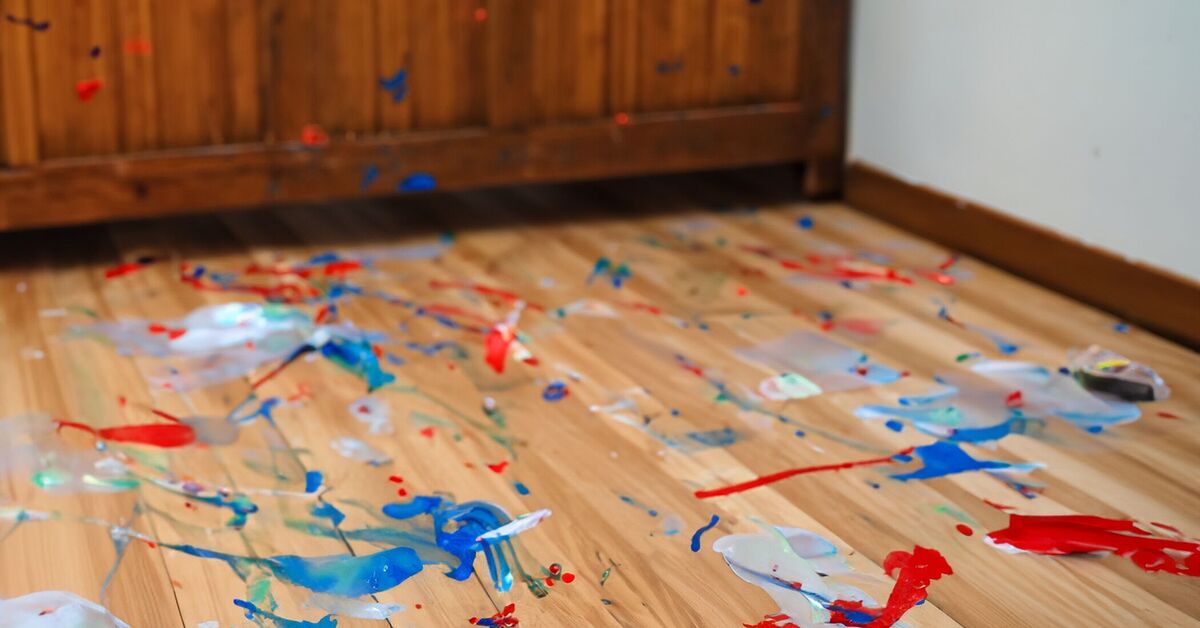
Paint on hardwood floors is one of those little home disasters that feels dramatic enough to deserve background music. One minute you are touching up a wall like a responsible adult; the next, your beautiful oak, maple, or engineered hardwood is wearing a polka-dot outfit it never asked for. The good news? Whether the paint is still wet or has already dried into a stubborn little pancake, you usually have options.
The trick is to work gently, identify the type of paint, protect the floor finish, and resist the urge to attack the spot like you are scraping barnacles off a ship. Hardwood floors are durable, but the finish can scratch, cloud, peel, or dull if you use harsh tools or aggressive chemicals. This guide explains how to get paint off hardwood floors safely, including fresh spills, dried latex paint, oil-based paint, spray paint specks, and mystery splatters left behind by a previous homeowner with “creative energy.”
First, Know What You Are Dealing With
Before grabbing a scraper, figure out three things: whether the paint is wet or dry, whether it is water-based or oil-based, and whether your floor has a strong protective finish. Most modern wall paints are latex or acrylic water-based paints, which are usually easier to remove from sealed hardwood. Oil-based paint, enamel, epoxy, and shellac-style coatings are tougher and may require professional help if they have cured fully.
Also consider the age of your home. If your house was built before 1978, old paint may contain lead. Do not sand, scrape aggressively, or heat unknown old paint in older homes without proper testing. Lead dust is not a “DIY adventure badge.” It is a real health hazard, especially around children and pets. When in doubt, stop and call a certified professional.
Tools and Supplies You May Need
For most small paint spills on hardwood floors, start with the least aggressive tools first. You may need soft microfiber cloths, warm water, mild dish soap, cotton swabs, a plastic putty knife, an old credit card, a soft-bristle brush, painter’s tape, a hardwood floor cleaner, and clean towels. For dried latex paint, some homeowners use rubbing alcohol carefully after testing it in a hidden area. For stubborn or oil-based paint, a floor-safe paint remover may be necessary, but chemical products should be handled cautiously and only according to the product label.
Avoid metal scrapers, steel wool, abrasive pads, steam cleaners, acetone-based nail polish remover, and random “miracle hacks” from the internet. Hardwood floors do not enjoy science experiments. If the product is strong enough to melt paint instantly, it may also be strong enough to damage the finish that makes your floor shiny and protected.
How to Get Wet Paint Off Hardwood Floors
Wet paint is the easiest to remove, so move quickly. Fresh paint has not bonded fully to the finish, which means you can often clean it without drama.
Step 1: Blot, Don’t Smear
Use a dry microfiber cloth or paper towel to blot the spill. Work from the outside edge toward the center so the paint does not spread into a larger, more impressive disaster. Do not rub hard. Rubbing can push paint into seams, grain lines, or tiny scratches in the finish.
Step 2: Use Warm Water and Mild Soap
Mix a few drops of mild dish soap into warm water. Dip a clean cloth into the solution, wring it out well, and wipe the spot gently. The cloth should be damp, not dripping. Hardwood and puddles are not friends; they are barely polite neighbors.
Step 3: Rinse and Dry Immediately
After the paint lifts, wipe the area with a second cloth dampened with plain water. Then dry the floor completely with a clean towel. Leaving moisture on hardwood can lead to dullness, swelling, or water marks, especially near seams.
Step 4: Clean the Finish
Once the paint is gone, use a hardwood floor cleaner appropriate for your finish. This removes leftover soap film and helps the cleaned area blend with the surrounding floor.
How to Remove Dried Latex Paint from Hardwood Floors
Dried latex paint is annoying, but it is usually not a lost cause. Because latex paint is water-based, it may soften with gentle moisture and careful scraping.
Step 1: Test a Hidden Area
Before using any cleaner or alcohol-based solution, test it under a cabinet toe-kick, behind a door, or in another low-visibility area. Wait a few minutes and check for dulling, discoloration, or sticky finish. If the finish changes, stop.
Step 2: Soften the Paint
Place a warm, damp cloth over the dried paint for several minutes. The goal is to soften the paint, not soak the floor. Keep water controlled and dry the area afterward.
Step 3: Scrape Gently with Plastic
Use a plastic putty knife, old credit card, or plastic scraper. Hold it at a low angle and gently nudge the paint from the edge. If it does not move, soften it again. Do not dig downward into the wood. Hardwood floor finishes can scratch faster than your patience can recover.
Step 4: Try a Mild Alcohol Mix for Stubborn Latex Spots
If warm water is not enough, apply a small amount of rubbing alcohol to a cloth and dab the paint. Do not pour liquid directly onto the floor. Let it sit briefly, then scrape gently with plastic and wipe clean. Because alcohol can dull some finishes, testing first is essential.
How to Remove Oil-Based Paint from Hardwood Floors
Oil-based paint is tougher because it does not soften with water the way latex paint does. If the stain is small and sitting on top of a sealed finish, you may be able to lift it carefully with a plastic scraper. If it has bonded deeply, the safest answer may be a hardwood flooring professional.
For homeowners, the safest approach is to start with mechanical removal using a plastic scraper and gentle pressure. If that fails, choose only a product clearly labeled safe for finished hardwood floors and follow the manufacturer’s directions exactly. Avoid strong solvents unless you fully understand the risks to your floor finish, indoor air quality, and personal safety.
Never use paint removers containing methylene chloride for consumer paint removal. Also avoid using heat guns on old paint or near unknown finishes, especially in older homes. Heat can release fumes, damage the finish, scorch wood, or create a lead-paint hazard if lead is present.
How to Remove Spray Paint Specks from Hardwood Floors
Spray paint creates fine dots that dry quickly and cling like tiny colorful freckles. If the specks are fresh, blot them with a damp cloth and mild soap. If they are dry, soften them with a warm damp cloth and gently lift them with a plastic scraper.
For many tiny specks, work in small sections. Do not flood the floor or scrub in circles with an abrasive pad. A soft cloth wrapped around a plastic scraper can give you more control while protecting the finish. Patience wins here. Your floor does not need one heroic scrub; it needs several gentle passes.
What Not to Use on Hardwood Floors
Some paint-removal ideas sound clever until the floor starts looking cloudy, scratched, or oddly sticky. Avoid acetone nail polish remover unless the flooring manufacturer specifically allows it. Avoid steel wool, metal blades, sandpaper on finished areas, steam mops, bleach, oven cleaner, and all-purpose solvents not designed for hardwood floors.
Vinegar is often recommended online, but it can dull some hardwood finishes with repeated or concentrated use. A tiny test may be fine for some sealed floors, but it is not a universal magic potion. Hardwood floors are expensive; vinegar is cheap. Guess which one should make the rules?
When Sanding Makes Sense
Sanding should be a last resort for paint on finished hardwood. Light sanding may remove paint, but it also removes or damages the surrounding finish. If the paint has soaked into bare wood or the floor already needs refinishing, sanding may be part of a larger repair plan. For a few isolated spots, however, sanding can create a patch that looks more obvious than the original paint.
If you do sand a small area, use fine-grit sandpaper with extreme care, feather the edges, clean the dust thoroughly, and be prepared to touch up the finish. For large spills, old paint layers, or historic floors, call a professional refinisher. It is cheaper to ask for help than to accidentally create a “rustic distressed” floor you did not order.
How to Protect the Floor After Paint Removal
After removing paint, inspect the area in natural light. If the finish looks dull, cloudy, or scratched, clean it with a hardwood-safe cleaner and a microfiber cloth. Minor dullness may improve after cleaning. Deeper scratches or finish damage may require a touch-up marker, blending finish, recoating, or professional buffing.
To prevent future paint accidents, cover floors with canvas drop cloths or rosin paper before painting. Plastic sheets can slide around and trap spills, while thin newspaper can tear and let paint through. Tape edges carefully, especially near baseboards. The five minutes you spend protecting the floor can save five hours of crouching, scraping, and questioning your life choices.
Quick Guide: Wet vs. Dry Paint Removal
For Wet Paint
Blot immediately, use mild soap and warm water, wipe with a barely damp cloth, and dry the floor completely. Do not smear the spill or leave water sitting on the wood.
For Dry Latex Paint
Soften with a warm damp cloth, scrape gently with plastic, and use a small amount of rubbing alcohol only after testing. Clean and dry the area afterward.
For Dry Oil-Based Paint
Try gentle plastic scraping first. If the paint will not lift, use only a hardwood-safe product according to the label or contact a professional.
For Unknown Old Paint
If the home was built before 1978 or the paint source is unknown, avoid sanding, heating, or aggressive scraping. Test for lead or hire a certified professional.
Common Mistakes That Make Paint Removal Worse
The first mistake is waiting too long. Fresh paint is much easier to clean than dried paint, so act quickly when possible. The second mistake is using too much water. Moisture can seep into seams and cause swelling or discoloration. The third mistake is grabbing a metal blade. It may remove the paint, but it can also carve a tiny souvenir into your floor.
Another mistake is skipping the test spot. Every floor finish reacts differently. A cleaner that works beautifully on one floor may dull another. Finally, do not assume “natural” means safe. Lemon juice, vinegar, baking soda paste, and other homemade cleaners can still affect finishes, especially if used too strongly or too often.
Real-Life Experience: What Actually Works Best
In real home projects, the best paint-removal method is usually the boring one: quick blotting, mild soap, controlled moisture, and slow plastic scraping. It is not glamorous, but neither is explaining to everyone why one area of your floor now looks like a raccoon polished it.
One common situation happens during wall painting. A roller flicks tiny latex dots onto the floor, but nobody notices until cleanup time. If the paint is still soft, a damp microfiber cloth usually handles it. If the dots have dried, a warm cloth placed over the spots for a few minutes can make a surprising difference. After that, a plastic card often pops the specks loose without damaging the finish.
Another common experience is finding old paint near baseboards after removing carpet or trim. These spots are often thicker, older, and more stubborn. The temptation is to scrape hard. Do not. Instead, work from the paint edge and lift slowly. If the paint comes up like a chip, great. If it smears, softens strangely, or reveals bare wood underneath, stop and reassess. You may be dealing with old finish damage, not just paint.
For engineered hardwood, be even more careful. The top wood layer can be thin, and aggressive sanding may permanently damage it. Use cleaning and scraping methods first. If the paint has bonded strongly, ask the flooring manufacturer or a refinishing professional before trying stronger methods.
Pet owners and parents should be extra cautious with paint removal products. Keep kids and pets out of the area, ventilate the room, and do not leave damp cloths, flakes, or product residue on the floor. Even mild cleaners can be irritating if touched, licked, or tracked through the house. Clean the area completely before letting the normal household parade resume.
The biggest lesson from real-world paint cleanup is simple: floors reward patience. The gentler method may take several passes, but it protects the finish. A harsh method may work in seconds and leave damage that lasts for years. Start mild, test first, and escalate only when necessary. Your hardwood floor has survived shoes, furniture, pets, holiday guests, and probably at least one dropped coffee mug. Give it the respectful paint cleanup it deserves.
Conclusion
Getting paint off hardwood floors is mostly about timing, restraint, and choosing the right method for the paint type. Wet paint should be blotted and cleaned immediately with mild soap and controlled moisture. Dried latex paint can often be softened and lifted with a plastic scraper. Oil-based or mystery paint requires more caution, especially on older floors or in homes built before 1978.
When in doubt, choose the least aggressive method first. Test in a hidden area, avoid harsh solvents, skip metal scrapers, and call a professional when the paint is old, widespread, or possibly lead-based. Hardwood floors are beautiful because they age with characterbut paint splatters do not need to become part of their personality.