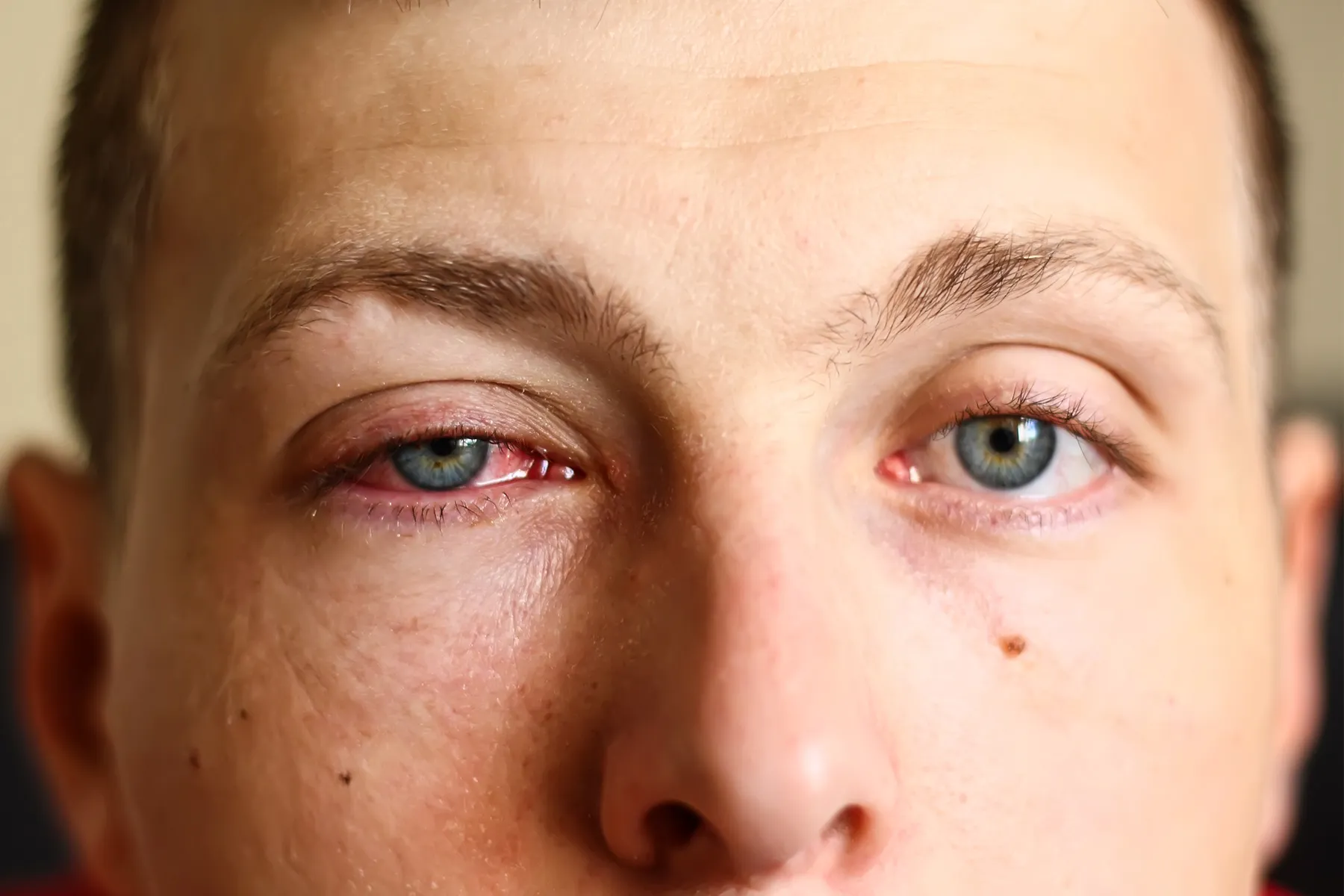
Waking up with one eye looking like it spent the night arguing with a bottle of red food coloring is not exactly a cheerful start to the day. Add crusty eyelashes, tearing, itching, or a gritty sensation, and pink eye quickly becomes impossible to ignore.
Pink eye, medically known as conjunctivitis, happens when the conjunctivathe thin tissue covering the white part of the eye and lining the inside of the eyelidbecomes inflamed. Viruses, bacteria, allergies, chemicals, contact lenses, and other irritants can all trigger it. The tricky part is that different types of conjunctivitis can look surprisingly similar, yet they may require very different treatment.
If you’re wondering how to get rid of pink eye quickly, the most important step is not reaching for the strongest-looking bottle in the medicine cabinet. It is figuring out what is likely causing the inflammation, relieving symptoms safely, preventing contagious forms from spreading, and knowing when a red eye deserves professional medical attention.
Note: This guide is intended for general educational purposes. Significant eye pain, vision changes, severe light sensitivity, intense redness, chemical exposure, or pink eye in a newborn should be evaluated promptly by a healthcare professional.
What Causes Pink Eye?
Pink eye is not one single disease. Think of it as a symptom category with several possible culprits. Viral, bacterial, and allergic conjunctivitis are among the most common forms.
Viral conjunctivitis
Viral pink eye is especially common and is frequently associated with adenoviruses, the same family of viruses responsible for many cold-like illnesses. It may appear along with a runny nose, sore throat, cough, or other respiratory symptoms.
Viral conjunctivitis often begins in one eye and may spread to the other. The discharge tends to be watery rather than thick and pus-like. Most uncomplicated cases improve without prescription medication, although recovery may take one to three weeks.
Antibiotic eye drops do not kill viruses, so using antibiotics for uncomplicated viral pink eye will not make the virus disappear faster.
Bacterial conjunctivitis
Bacterial pink eye can cause redness accompanied by thicker white, yellow, or green discharge. The eyelids may become stuck together after sleeping.
However, discharge alone cannot perfectly identify bacterial conjunctivitis. Medical organizations emphasize that no single symptom reliably distinguishes every viral infection from every bacterial one.
Some mild bacterial infections resolve on their own. In other cases, a healthcare professional may prescribe antibiotic eye drops or ointment to shorten the infection, reduce transmission, or lower the risk of complications.
Allergic conjunctivitis
If both eyes suddenly become intensely itchy and watery during pollen season, allergies are a strong possibility. Allergic conjunctivitis is commonly associated with pollen, dust mites, pet dander, mold, cosmetics, and similar allergens.
Unlike viral and bacterial conjunctivitis, allergic pink eye is not contagious.
Itching is often particularly noticeable with allergies, and symptoms may appear together with sneezing, nasal congestion, or an itchy nose.
Irritant or chemical conjunctivitis
Smoke, fumes, chlorine, dust, cosmetics, poorly maintained contact lenses, and foreign material can also irritate the conjunctiva.
If a potentially dangerous chemical gets into the eye, do not treat the situation like ordinary pink eye. Begin rinsing the eye immediately with clean water and obtain urgent medical advice. Strong acids and alkaline chemicals can cause serious eye injuries.
How to Get Rid of Pink Eye at Home
Home remedies for pink eye are primarily intended to reduce discomfort while the underlying problem improves. They are not magical infection erasers. Unfortunately, your eye does not care that you have an important meeting tomorrow morning.
For mild, uncomplicated conjunctivitis, several evidence-based home-care measures can make recovery much more comfortable.
1. Use a cool compress
A cool, clean compress is one of the simplest pink eye remedies. It can reduce swelling, irritation, itching, and general discomfort.
Wet a clean washcloth with cool water, wring it out, and gently place it over the closed eye for several minutes. If only one eye is affected, avoid using the same cloth on the healthy eye.
Wash reusable cloths after each use, or use a fresh disposable material when appropriate. Sharing your pink-eye washcloth with another family member is an extremely efficient way to make everyone equally unhappy.
2. Try preservative-free artificial tears
Over-the-counter artificial tears can help reduce dryness, burning, and the gritty feeling associated with conjunctivitis.
They do not cure viral or bacterial infections, but lubricating drops can make symptoms easier to tolerate while the eye heals.
If you are using drops frequently, preservative-free products may be more comfortable for sensitive eyes. Avoid allowing the bottle tip to touch your eyelashes, eyelid, or eye because contamination can spread germs.
3. Gently clean away discharge
Crusted discharge around the eyelashes can be uncomfortable, particularly in the morning.
Wash your hands first. Then gently clean the eyelid using a fresh cotton pad or clean damp cloth. Wipe away from the eye rather than aggressively scrubbing the eyelid.
Wash your hands again when finished.
If both eyes are affected, use separate cleaning materials for each eye to reduce cross-contamination.
4. Stop wearing contact lenses
If you develop symptoms of pink eye, switch to glasses and stop wearing contact lenses until your symptoms have resolved and an eye-care professional says it is safe to resume them.
Soft disposable lenses worn around the time the infection developed may need to be discarded. Cases, solutions, and other accessories may also require replacement or appropriate disinfection.
This step is particularly important because contact lens wearers with bacterial conjunctivitis have an increased risk of potentially serious corneal infections such as bacterial keratitis.
5. Keep your hands away from your eyes
Pink eye creates an almost supernatural desire to rub your eyes. Resist it.
Rubbing can worsen irritation and help infectious material travel from one eye to anotheror from your hands to doorknobs, phones, keyboards, towels, and eventually somebody else’s eyes.
Wash your hands frequently with soap and water, especially before and after applying eye drops or cleaning discharge.
Pink Eye Treatments by Cause
The best treatment for conjunctivitis depends on what is causing it. This is why blindly borrowing someone else’s prescription eye drops is a poor strategy.
Treatment for viral pink eye
Most uncomplicated viral conjunctivitis is treated with supportive care rather than antibiotics.
Helpful measures include:
- Cool compresses
- Artificial tears
- Gentle eyelid cleaning
- Frequent handwashing
- Avoiding contact lenses
- Avoiding sharing personal items
Many cases improve within about one to two weeks, although symptoms can occasionally continue for two to three weeks or longer.
Certain viruses are different. Conjunctivitis associated with herpes simplex virus or varicella-zoster virus may require antiviral medicine and professional eye care because these infections can threaten the cornea.
Treatment for bacterial pink eye
Mild bacterial conjunctivitis sometimes clears without antibiotics. When medication is appropriate, doctors commonly prescribe topical antibiotic drops or ointment.
Antibiotic treatment may be particularly important when there is substantial pus-like discharge, certain suspected bacteria, immune-system problems, or increased risk of complications.
Do not use leftover antibiotic eye drops from a previous infection. The medication may be inappropriate, expired, contaminated, or designed for an entirely different condition.
Treatment for allergic pink eye
The first strategy for allergic conjunctivitis is reducing exposure to the allergen whenever practical.
Cool compresses and artificial tears may provide immediate relief. Over-the-counter or prescription antihistamine and mast-cell-stabilizing eye drops can also help control allergy symptoms.
Someone who repeatedly develops seasonal itchy eyes may benefit from discussing a longer-term allergy management plan with a healthcare professional.
Prescription steroid eye drops are sometimes used for severe inflammatory eye conditions, but they should be used only under professional supervision. Steroid drops can worsen certain infections and cause significant eye complications when used incorrectly.
Pink Eye Remedies You Should Skip
The internet has never met a medical condition it couldn’t attempt to cure with something from the kitchen cupboard. Eyes, however, are not an ideal place for experiments.
Do not put homemade mixtures into your eyes
Avoid placing honey, lemon juice, vinegar, herbal extracts, essential oils, homemade saline, breast milk, or other nonsterile preparations directly into an irritated eye.
Even ingredients marketed as “natural” can irritate the eye or introduce microorganisms. Sterile products specifically manufactured for ophthalmic use are safer.
Do not share eye drops
An eye-drop bottle can become contaminated if its tip touches the eye or surrounding skin. Sharing one bottle between infected and uninfected people can spread germs.
Do not wear eye makeup during an infection
Mascara, eyeliner, brushes, and similar cosmetics that contacted the eye around the time symptoms started may harbor infectious organisms.
Consider replacing contaminated products after the infection clears rather than inviting the same microorganisms back for an encore performance.
Do not assume every red eye is pink eye
Conditions such as corneal ulcers, keratitis, uveitis, glaucoma, injuries, and herpes infections can cause redness that resembles conjunctivitis.
Some of these conditions can threaten vision and need urgent treatment.
How to Prevent Pink Eye From Spreading
Viral and bacterial conjunctivitis can spread easily through contaminated hands, respiratory droplets, surfaces, towels, cosmetics, and other objects.
If infectious pink eye is suspected, use these precautions:
- Wash your hands with soap and water for at least 20 seconds.
- Avoid rubbing or touching your eyes.
- Wash your hands before and after cleaning your eyes.
- Use separate towels and washcloths.
- Do not share pillows or pillowcases when possible.
- Do not share cosmetics, eye drops, contact lenses, or contact-lens equipment.
- Wash pillowcases, towels, and frequently used linens regularly.
- Clean frequently touched surfaces.
- Avoid swimming while you have infectious conjunctivitis.
There is no universal rule that everyone with pink eye must stay home for a fixed number of days. Return-to-school and return-to-work decisions can depend on symptoms, the suspected cause, local policies, the ability to avoid close contact, and recommendations from a healthcare professional.
How Long Does Pink Eye Last?
The recovery timeline varies considerably.
Viral pink eye: Many cases improve within 7 to 14 days, although symptoms may continue for two to three weeks or more.
Bacterial pink eye: Mild cases may begin improving within several days even without antibiotics, although complete resolution can take longer.
Allergic conjunctivitis: Symptoms may continue as long as exposure to the triggering allergen continues.
If symptoms are worsening instead of gradually improving, reconsider the diagnosis rather than simply waiting indefinitely.
When Should You See a Doctor for Pink Eye?
Most mild conjunctivitis is manageable, but certain symptoms should not be handled with a “let’s see what happens next week” approach.
Seek prompt medical care if pink eye is accompanied by:
- Moderate or severe eye pain
- Strong sensitivity to light
- Blurred or decreased vision that remains after discharge is cleaned away
- Intense redness
- Significant swelling
- Large amounts of discharge
- Symptoms that continue to worsen
- Symptoms that fail to improve as expected
- A weakened immune system
- Suspected herpes infection
- Eye trauma or chemical exposure
Contact lens wearers should be especially cautious about a painful red eye because corneal infections can progress rapidly.
Pink eye in newborns
A newborn with redness, swelling, or eye discharge should be evaluated promptly by a healthcare professional. Neonatal conjunctivitis can occasionally be caused by serious infections requiring immediate treatment.
Can You Get Rid of Pink Eye Overnight?
Usually not.
A cold compress may make an eye look and feel noticeably better within minutes, and cleaning away dried discharge can improve its appearance. But those improvements do not mean the underlying infection has disappeared.
Viral infections still need time to run their course. Bacterial infections may require several days to improve, even with treatment. Allergy symptoms can return quickly when the offending allergen is still present.
Be suspicious of any remedy promising to permanently eliminate pink eye in a few hours. Eyes are biological organs, not laptop browsers. There is no “clear infection cache” button.
Practical Experiences: What Makes Pink Eye Recovery Easier
Although every case is different, several practical lessons repeatedly emerge when people manage uncomplicated conjunctivitis at home. These are not secret treatments; they are small habits that make recovery more comfortable and reduce the chances of turning one irritated eye into a household event.
Create a simple eye-care station
One useful approach is keeping clean tissues, disposable cotton pads, artificial tears, and a dedicated clean towel together in one location. This avoids wandering around the house touching drawers, faucets, phones, and cabinets immediately after cleaning an infected eye.
A person waking with heavily crusted eyelashes, for example, can wash their hands, soften the discharge using a clean damp compress, wipe it away gently, discard disposable materials, and immediately wash their hands again. It is simple, but consistency matters more than complicated remedies.
Use separate supplies for each eye
When pink eye starts on one side, treating both eyes as though they share the same cleaning equipment can help the infection spread.
A practical routine is to use one fresh cotton pad or compress for the affected eye and another for the other eye. Never wipe the infected eye and then sweep the same cloth across the healthy one.
The same logic applies to eye-drop bottles: keep the dropper tip away from eyelashes and skin.
Expect mornings to look worse
People with infectious conjunctivitis often become alarmed because their eyelids appear dramatically crustier after sleeping. During the day, blinking naturally clears tears and secretions. At night, several hours without blinking can allow discharge to collect and dry along the lashes.
Gently cleaning the eyelids after waking can therefore make the eye look much better without necessarily indicating that the infection suddenly worsened overnight.
Do not restart contact lenses too early
One recurring mistake is returning to contact lenses as soon as redness improves slightly. The eye may still be inflamed, and lenses can trap microorganisms or further irritate the ocular surface.
Glasses may be less fashionable for a few days, depending on your opinion of your glasses, but they are usually the better temporary option. Ask an eye-care professional when you can safely restart contacts and whether lenses, cases, or accessories should be replaced.
Pay attention to the direction symptoms are moving
A useful way to evaluate recovery is not simply asking, “Is my eye still red?” Instead, consider whether symptoms are trending better or worse.
Is there less discharge than yesterday? Is swelling decreasing? Does the eye feel more comfortable? Is vision normal once tears and discharge are cleared away?
Gradual improvement is reassuring. Increasing pain, worsening light sensitivity, decreasing vision, or rapidly increasing redness is not.
Hygiene beats obsessive disinfecting
Families sometimes respond to contagious pink eye as though a hazardous-materials team needs to quarantine the living room. Usually, sensible hygiene is more valuable than panic.
Focus on frequent handwashing, avoiding eye rubbing, not sharing towels and cosmetics, laundering contaminated linens, and cleaning commonly touched surfaces. You do not need to spend the afternoon disinfecting every object the affected person has glanced at.
Give your eyes time
Perhaps the most important practical lesson is patience. Many people expect prescription medicationor a clever home remedyto make redness disappear immediately. Conjunctivitis rarely follows that schedule.
For uncomplicated viral pink eye, supportive care may be all that is required while the immune system clears the infection. Comfort often improves before every visible sign disappears.
The goal is therefore not to attack the eye with increasingly aggressive treatments. Keep it comfortable, keep it clean, prevent transmission, and watch carefully for warning signs.
Conclusion: The Safest Way to Get Rid of Pink Eye
Learning how to get rid of pink eye begins with recognizing that conjunctivitis has multiple causes. Viral pink eye generally improves with time and supportive care. Bacterial conjunctivitis sometimes requires prescription antibiotic drops or ointment. Allergic conjunctivitis improves by controlling allergens and using appropriate allergy treatments.
For uncomplicated cases, some of the best pink eye home remedies are refreshingly boring: cool compresses, artificial tears, gentle cleaning, clean hands, and a temporary break from contact lenses. Boring is good when your alternative is putting lemon juice in your eye because somebody on social media swore by it.
Most importantly, do not ignore significant pain, persistent changes in vision, intense light sensitivity, severe redness, worsening symptoms, chemical exposure, or symptoms in a newborn. A red eye is often minor, but when it is not, getting the correct diagnosis quickly matters far more than finding another home remedy.