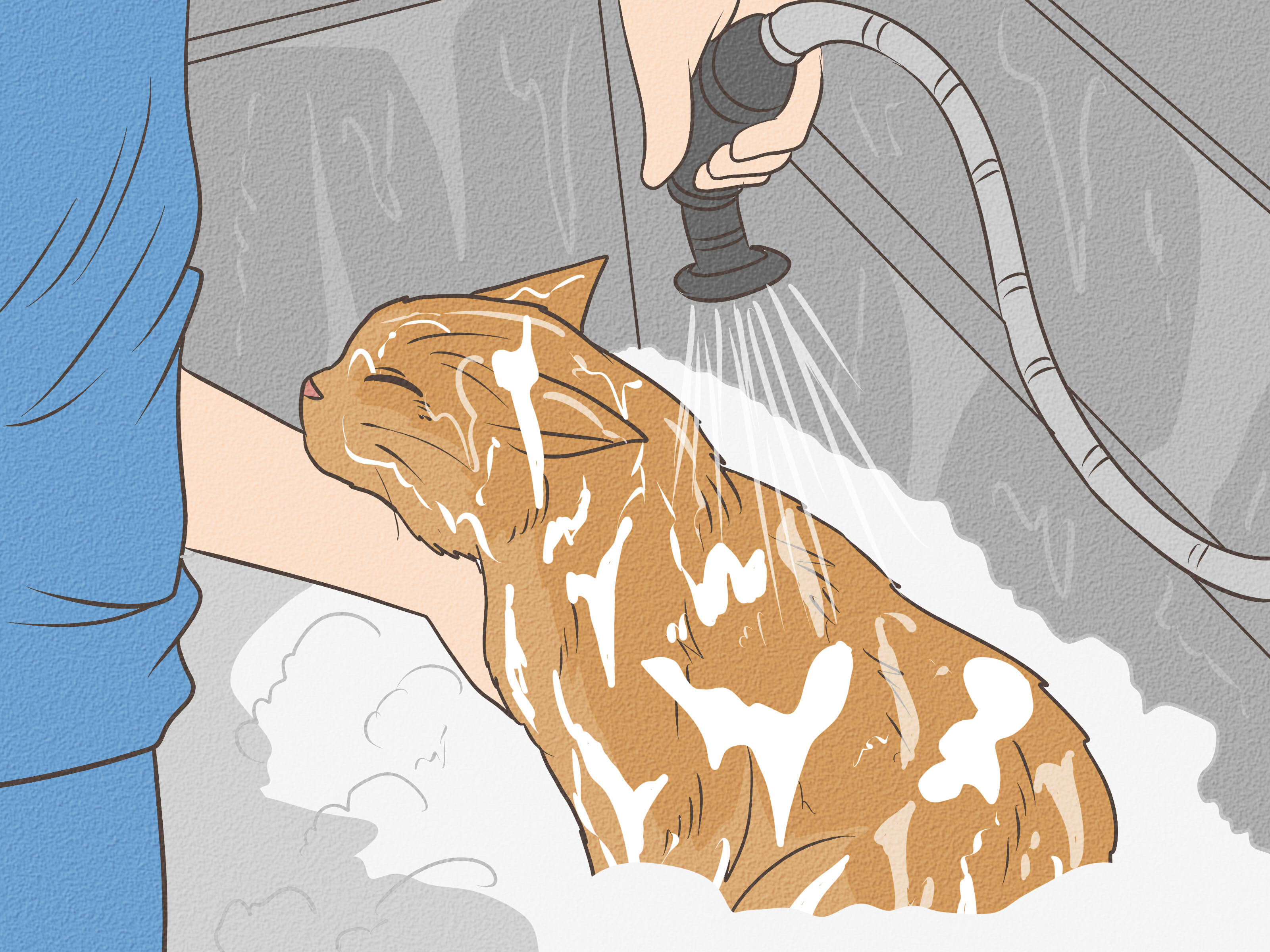
Cats and baths have a complicated relationship. By “complicated,” we mean your cat may look at a bathtub the way a medieval villager looked at a dragon. Still, there are times when bathing a cat is necessary: maybe your furry roommate stepped in something sticky, has a medical shampoo prescribed by the vet, struggles to groom because of age or weight, or belongs to a breed that needs extra skin care.
The goal is not to turn your cat into a spa influencer. The real goal is simpler: help your cat tolerate a bath without panic, claws, dramatic opera-level yowling, or you needing a full emotional recovery period afterward. With patience, preparation, gentle handling, and plenty of rewards, many cats can learn that bath time is not the end of civilization.
This guide explains how to get your cat to tolerate a bath in 11 practical steps, using safe grooming methods, low-stress handling, cat-friendly supplies, and realistic expectations. Because let’s be honest: “tolerate” is the correct word. “Enjoy” is possible for a few rare unicorn cats, but for most, calm acceptance is a victory worth celebrating.
Do Cats Really Need Baths?
Most healthy adult cats are excellent self-groomers and do not need regular baths the way dogs often do. Their tongues are built-in combs, their standards are high, and their dedication to looking mildly judgmental is unmatched. However, some cats need human help with grooming from time to time.
A bath may be useful if your cat has gotten into grease, mud, household mess, urine, feces, or something unsafe to lick. Senior cats, overweight cats, long-haired cats, hairless cats, and cats with certain skin conditions may also need bathing or spot cleaning. If your cat has dandruff, odor, mats, oily skin, fleas, allergies, or sudden grooming changes, speak with your veterinarian before starting a bath routine.
The safest approach is to bathe only when needed, use products made for cats, and keep the experience as calm and predictable as possible.
How to Get Your Cat to Tolerate a Bath: 11 Steps
1. Start With a Calm MindsetYours First
Your cat is a tiny emotional radar dish. If you march toward the bathroom with tense shoulders, nervous laughter, and a towel clutched like battle armor, your cat will know something suspicious is happening. Before you even touch the shampoo, take a breath and slow down.
Choose a time when your cat is naturally relaxed, such as after a play session or meal. Avoid bath time when your cat is already overstimulated, hungry, frightened, or zooming through the house like a caffeinated squirrel. A calm cat is easier to guide, and a calm human is less likely to make sudden movements that trigger panic.
Use a soft voice, move slowly, and keep the session short. Your goal is not perfection. Your goal is progress. If your cat tolerates standing near the tub today, that may be a win. Cats are not small dogs with better eyeliner; they need their own timeline.
2. Get Your Cat Used to the Bathroom Before Bath Day
If the only time your cat enters the bathroom is for a bath, the room itself becomes suspicious. Instead, let your cat explore the bathroom on non-bath days. Place treats near the doorway, then near the tub, then on a towel beside the sink or bathtub. Keep the water off at first.
This process is called desensitization. It means introducing your cat to bath-related sights, sounds, and surfaces slowly enough that they do not feel threatened. You can also run the faucet briefly while your cat eats treats nearby, then turn it off. Over time, the sound of water becomes less shocking.
Think of it as giving your cat a tour before asking them to sign up for the full package. The bathroom should feel familiar, not like a mysterious wet dungeon.
3. Gather Everything Before You Bring in the Cat
Never start a cat bath and then realize the towel is across the house. That is how legends begin: “And that was the day Mr. Pickles escaped, fully soapy, and ran across the clean laundry.”
Before bath time, gather a cat-safe shampoo, several towels, a non-slip mat, a cup or gentle handheld sprayer, a damp washcloth, treats, and a brush or comb. If your veterinarian prescribed a medicated shampoo, follow the directions exactly. Do not use human shampoo, dish soap, essential oils, or strong fragrances unless your veterinarian specifically approves them.
Put everything within arm’s reach. Open bottles ahead of time. Lay towels on the floor. Close the bathroom door. The less you scramble, the calmer your cat will feel.
4. Brush Your Cat First
Brushing before a bath removes loose hair, dirt, and small tangles. This matters because wet mats tighten and become harder to remove. If your cat has serious mats, do not try to soak and scrub them out. Mats can pull painfully on the skin, and cutting them with scissors can easily injure your cat. A professional groomer or veterinarian can help remove difficult mats safely.
For short-haired cats, a quick brushing may be enough. Long-haired cats may need more careful combing, especially around the belly, armpits, chest, and rear end. Keep the session gentle and reward your cat often. If brushing alone stresses your cat, split grooming and bathing into separate days.
Remember: the bath should not begin with betrayal. If your cat already feels annoyed before the water appears, you are starting on hard mode.
5. Trim Nails a Day or Two Before the Bath
Trimming your cat’s nails before a bath can protect both of you. However, avoid trimming nails immediately before bath time if nail trims upset your cat. Doing two stressful things back-to-back is not a spa day; it is a feline complaint department waiting to open.
Trim only the sharp tips and avoid the quick, the sensitive pink area inside the nail. If your cat dislikes nail trims, clip one or two nails at a time over several days. Reward with treats. If nail trimming is a wrestling match, ask a vet clinic or groomer for help.
This step is not about “winning” against your cat. It is about reducing accidental scratches if your cat startles. Even a sweet cat can panic when wet, slippery, and deeply offended.
6. Use a Non-Slip Surface
One reason cats hate baths is the feeling of sliding. A slippery sink or bathtub makes them feel unsafe, which can trigger struggling, clawing, and escape attempts. Place a rubber mat, folded towel, or textured bath mat in the sink or tub before adding your cat.
Non-slip footing gives your cat traction and helps them feel more in control. You can use a sink for small cats if it is secure and comfortable, or a bathtub for larger cats. Some people use a plastic basin inside the tub so the bathing area feels smaller and less overwhelming.
Water depth should be shallow. You do not need to float your cat like a furry teabag. A few inches of lukewarm water is enough for most baths.
7. Keep the Water Lukewarm and Gentle
Water temperature matters. Too cold is shocking; too hot can burn or distress your cat. Aim for lukewarm water that feels comfortable on the inside of your wrist. Fill the basin before bringing your cat in, because the loud rush of water can be frightening.
Wet your cat slowly from the neck down. Avoid spraying water directly at the face, ears, eyes, or nose. Many cats tolerate a cup better than a noisy sprayer. If you use a sprayer, keep the pressure low and hold it close to the coat to reduce splashing.
Talk softly while you work. Use one hand to support your cat’s body and the other to wet the fur. Do not pin your cat down aggressively. Firm, gentle support is safer than force.
8. Use Cat-Safe Shampoo Only
Cats have sensitive skin and unique grooming habits, which means anything left on their fur may later be licked. Always choose shampoo labeled for cats, or use the product your veterinarian recommends. Dog shampoo is not automatically safe for cats, and human shampoo can dry or irritate feline skin.
Use a small amount of shampoo and dilute it if the label suggests doing so. Massage gently in the direction of hair growth, starting behind the neck and moving toward the tail. Pay attention to dirty areas, but avoid scrubbing like you are cleaning a grill grate. Your cat is not cookware.
Keep shampoo away from the eyes, ears, mouth, and nose. For the face, use a damp washcloth instead of pouring water over the head. This simple choice can prevent a lot of drama.
9. Rinse ThoroughlyThen Rinse Again
Shampoo residue can irritate your cat’s skin and attract more dirt. Rinse slowly and carefully until the water runs clear and the coat no longer feels slippery. Check hidden areas such as the chest, belly, legs, armpits, and tail base.
Long-haired cats require extra rinsing because shampoo can hide deep in the coat. If your cat is becoming impatient, stay calm and keep your movements efficient. This is the part where preparation pays off.
A good rule: when you think you are done rinsing, rinse a little more. Your cat may not appreciate your dedication in the moment, but their skin will.
10. Dry Your Cat Warmly and Quietly
After the rinse, wrap your cat in a towel and gently blot the fur. Do not rub harshly, especially on long coats, because that can create tangles. Use multiple towels if needed. Keep your cat in a warm, draft-free room until mostly dry.
Most cats dislike blow dryers because of the noise and air pressure. If your cat already tolerates a dryer, use only a low or cool setting and keep it moving. Never use high heat. For many cats, towel drying is the better option.
Do not let a wet cat go outside or sit in a cold room. Wet fur can make cats uncomfortable and chilly. Create a cozy recovery zone with a warm towel, soft bed, and a peace offering in treat form.
11. Reward, Release, and End on a Good Note
Once the bath is done, reward your cat with something they love: treats, a favorite meal, gentle petting, playtime, or simply being left alone with dignity. Some cats want comfort. Others want to sit under the bed and write a strongly worded review of your services. Respect their style.
Do not chase your cat for extra cuddles after the bath. Let them decompress. The next time you bathe them, they will remember not only the water but also what happened afterward. If bath time always ends with warmth, treats, and freedom, tolerance can improve over time.
For cats with extreme fear, aggression, breathing issues, medical conditions, or severe matting, skip the home bath and call your veterinarian or a professional cat groomer. Safety always beats stubbornness.
Common Mistakes That Make Cats Hate Baths More
Even loving cat owners can accidentally make bath time harder. One common mistake is waiting until the cat is already filthy and then rushing the process. Another is using loud water, slippery surfaces, strong scents, or too much restraint. Cats do not respond well to surprise spa attacks.
Avoid dunking your cat into deep water, spraying the face, using human shampoo, bathing too often, or forcing a terrified cat to “get used to it” in one session. Flooding a cat with fear usually teaches the opposite lesson: baths are dangerous, and humans cannot be trusted near plumbing.
Instead, use short sessions, positive reinforcement, and gradual exposure. The best bath is calm, quick, and boring. Boring is beautiful. Boring means nobody is bleeding.
What If Your Cat Still Hates Baths?
Some cats may never calmly accept a full bath, and that is okay. You still have options. Try spot cleaning with a damp cloth, using pet-safe grooming wipes, brushing more often, scheduling professional grooming, or asking your veterinarian about waterless products. For medical baths, your vet may suggest strategies or medication to reduce stress when appropriate.
If your cat suddenly smells bad, stops grooming, overgrooms, develops dandruff, has greasy fur, or gets mats, do not assume a bath is the whole solution. Grooming changes can point to pain, dental disease, arthritis, obesity, parasites, allergies, skin infection, or stress. A vet visit can help identify the real cause.
Extra Experience-Based Tips for Helping a Cat Tolerate Bath Time
In real life, bathing a cat is less like following a perfect checklist and more like negotiating with a tiny, wet philosopher who has strong opinions about personal liberty. The biggest lesson from experienced cat owners is this: do not make the bath the first step. Make trust the first step.
Many cats do better when the “bath routine” is broken into tiny practice sessions. On Monday, you might place treats near the bathroom. On Tuesday, your cat gets treats inside the dry tub. On Wednesday, you briefly turn on the faucet while your cat eats a snack on the bathroom floor. On Thursday, you place your cat on a towel in the dry sink for five seconds, reward, and release. This slow build may feel silly, but cats learn through repeated safe experiences. You are teaching, “Nothing terrible happens here.”
Another helpful experience is creating a predictable order. Cats like routine more than surprise. Use the same room, same towel, same gentle voice, same treat, and same order every time. For example: brush, bathroom, towel in tub, lukewarm water, quick wash, rinse, towel wrap, treat. When your cat can predict what comes next, fear often decreases.
Food rewards can work wonders, but choose the right reward. Ordinary dry kibble may not be exciting enough for a bath-level challenge. Try a high-value treat your cat rarely gets, such as lickable cat treats, small pieces of cooked plain chicken, or a favorite canned food. Some cats will lick a treat from a spoon while you gently wet their back. Others are too nervous to eat during the bath but will accept treats immediately afterward. Both responses are useful information.
It also helps to know your cat’s body language. Watch for flattened ears, wide pupils, tail whipping, growling, freezing, panting, or frantic escape attempts. These are signs your cat is overwhelmed. If you notice early stress signals, pause and reduce the intensity. Maybe you stop after wetting only the paws. Maybe you skip the full bath and spot clean instead. Ending before panic is better than pushing until the cat explodes like a shampoo-covered firework.
For long-haired cats, prevention is easier than rescue. Regular brushing can reduce the need for baths by removing loose fur, preventing mats, and keeping the coat cleaner. If your cat gets litter stuck to the rear end, trim or professional sanitary grooming may help. If your cat has recurring messes, look for the cause: stool consistency, litter box setup, arthritis, obesity, or coat length may be part of the problem.
For senior cats, comfort matters even more. Older cats may have stiff joints, sensitive skin, or less patience for handling. Use warm towels, keep sessions shorter, and support the body carefully. A senior cat who once tolerated baths may suddenly object because standing in the tub hurts. In that case, the answer is not more discipline; it is a veterinary check and a gentler grooming plan.
Finally, accept your cat’s personality. Some cats become calm with practice. Some only tolerate spot cleaning. Some require a professional groomer. Success does not mean your cat purrs in a bubble bath wearing a cucumber eye mask. Success means the necessary cleaning happens safely, with less fear, fewer scratches, and a relationship that survives the rinse cycle.
Conclusion
Getting your cat to tolerate a bath is possible when you focus on preparation, patience, safety, and positive associations. Most cats do not need frequent baths, but when bathing is necessary, the right approach can make the difference between a manageable grooming session and a bathroom crime scene.
Start slowly, use cat-safe products, keep water lukewarm, protect your cat’s footing, avoid the face, rinse thoroughly, and reward generously. Above all, listen to your cat. A calm, respectful bath routine builds trust over timeand trust is the secret ingredient that no shampoo bottle can provide.
Note: This article is for general educational purposes. If your cat has skin disease, severe matting, fleas, unusual odor, sudden grooming changes, extreme fear, or medical needs, consult a licensed veterinarian or professional cat groomer before bathing at home.