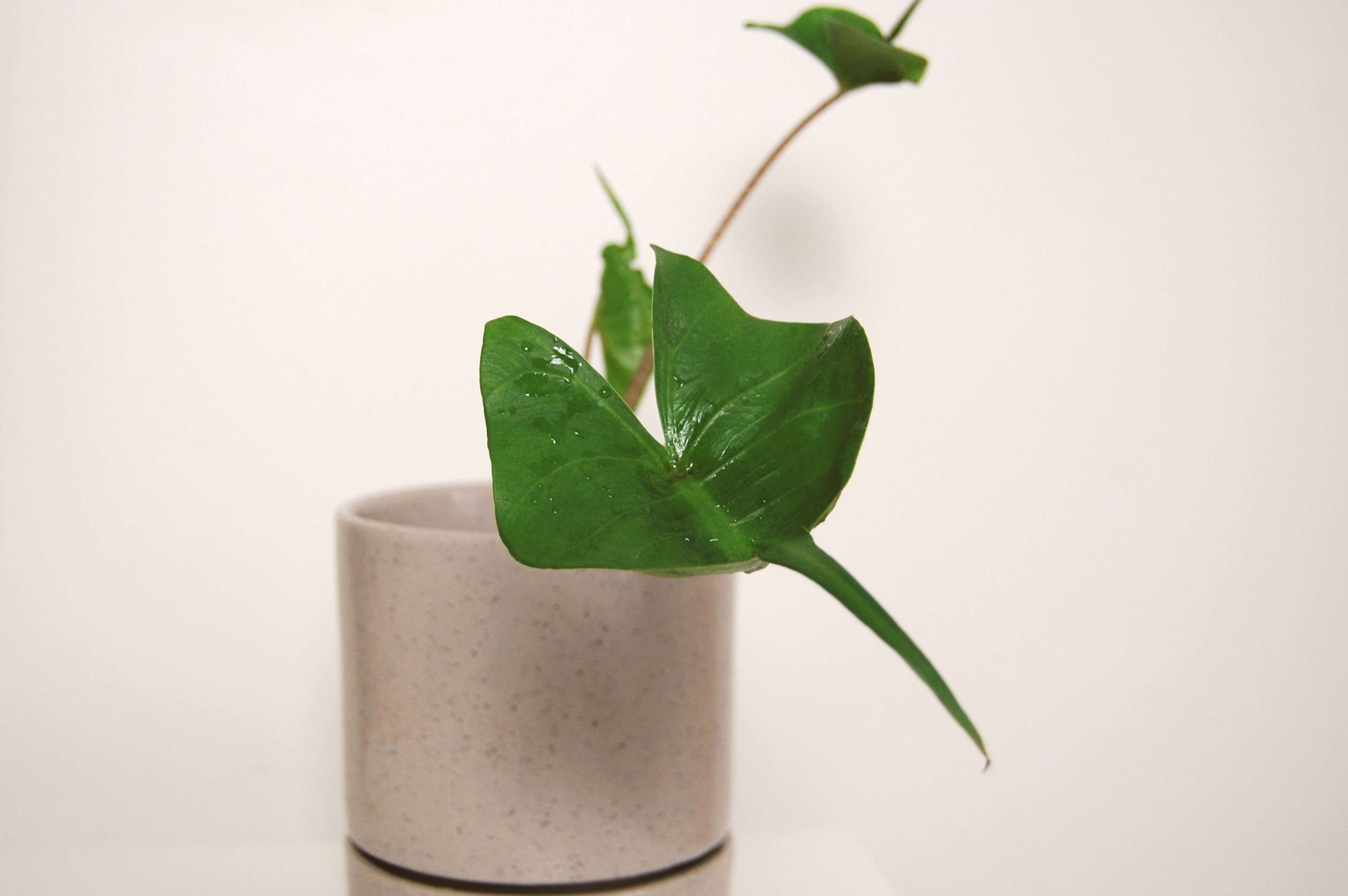
Some houseplants quietly sit in a corner and behave. Alocasia Stingray is not one of them. This plant shows up like it owns the room, throwing out dramatic leaves that look a little like stingrays in mid-flight. It is tropical, bold, slightly theatrical, and just fussy enough to keep you humble. In other words, it has a lot of personality.
If you want a plant that blends into the wallpaper, keep scrolling. But if you want a conversation starter with sculptural leaves, striped stems, and serious jungle energy, Alocasia Stingray is worth the effort. The trick is understanding what it wants: warmth, humidity, bright indirect light, and soil that stays lightly moist without turning into a swamp. Give it those basics, and this plant can reward you with fast, striking growth.
This guide breaks down everything you need to know about Alocasia Stingray care, from light and watering to repotting, propagation, and troubleshooting. Whether you just brought one home or you are trying to stop yours from throwing a leafy tantrum, you are in the right place.
What Is Alocasia Stingray?
Alocasia Stingray is a tropical elephant ear plant prized for its unusual leaf shape. Each leaf has a pointed “tail” and wing-like sides, which is exactly why people compare it to a stingray gliding through water. It belongs to the aroid family, which includes many popular houseplants with chunky roots and a love of warm, humid air.
Like many alocasias, this variety is native by lineage to tropical regions of Asia and nearby areas where filtered light, warmth, and moisture are part of daily life. Indoors, it brings that rainforest look without requiring you to install an actual waterfall in your living room. That said, it does appreciate conditions that feel at least a little spa-like.
Why Plant Lovers Like It So Much
The appeal is not subtle. Alocasia Stingray has upright growth, glossy green foliage, and stems with a slightly zebra-striped look. It feels architectural but still playful. It looks fantastic in a minimalist room, a cozy reading corner, or a full-blown indoor jungle. Basically, it can dress up a shelf the way a leather jacket upgrades a plain white T-shirt.
The Best Growing Conditions for Alocasia Stingray
Light: Bright but Indirect Wins Every Time
Alocasia Stingray grows best in bright indirect light. A spot near an east-facing window is often ideal, while south- or west-facing windows may need a sheer curtain to soften harsh afternoon sun. Direct sun can scorch the leaves, especially in hot rooms, while low light can slow growth and make the plant look tired, stretched, or moody.
If your home is dim, a grow light can help. The goal is to mimic bright, filtered forest light, not blast the plant like it is auditioning for a desert survival show.
Temperature: Keep It Warm and Steady
This is a tropical houseplant, which means it likes warmth and hates cold drafts. Aim for temperatures between 65 and 80 degrees Fahrenheit. It may tolerate slightly cooler conditions for short periods, but once temperatures dip too low, growth often slows, leaves may yellow, and dormancy becomes more likely.
Keep it away from drafty windows, air-conditioning vents, radiators, and doors that open to chilly air. Alocasia Stingray likes stability. Sudden temperature swings are not its favorite plot twist.
Humidity: The Secret Sauce
Humidity is one of the biggest differences between a merely surviving Alocasia Stingray and a really happy one. This plant prefers moderate to high humidity, ideally around 50 percent or more. If your air is dry, the leaf edges may crisp, curl, or brown.
Helpful ways to raise humidity include using a humidifier, grouping it with other tropical plants, or placing it in naturally more humid rooms. Pebble trays can help a little, but a humidifier usually makes the biggest difference. Misting may feel productive, but it is not a magic fix.
How to Water Alocasia Stingray Without Causing Drama
If there is one skill that separates confident Alocasia owners from confused ones, it is watering correctly. This plant likes soil that stays lightly and evenly moist, but never soggy. That means you should not let the pot dry bone-dry, and you definitely should not leave it standing in water.
A good rule is to water when the top 1 to 2 inches of soil feel dry, or when roughly the top quarter to half of the potting mix has dried. Then water thoroughly until excess drains out the bottom. Dump any standing water from the saucer so the roots do not sit in it.
How Water Needs Change by Season
During spring and summer, when the plant is actively growing, it usually drinks more often. In fall and winter, growth slows and watering needs drop. This is where many plant owners get into trouble: they keep watering on the same schedule even though the plant is using less moisture. That is an express train to root rot.
Always check the soil before watering. Calendars are helpful for meetings, birthdays, and dentist appointments. They are not reliable plant roots.
The Right Soil and Pot for Healthy Roots
Use a Chunky, Fast-Draining Mix
Alocasia Stingray does best in a loose, airy potting mix that drains well but still holds some moisture. A heavy, compact soil can suffocate roots and stay too wet for too long. A chunky aroid mix is usually the best choice.
You can make one by combining regular potting mix with orchid bark, perlite, pumice, or coco coir. The result should feel light and breathable, not dense like wet cake batter. Slightly acidic soil works well for alocasias, but the bigger priority is drainage.
Pick a Pot With Drainage Holes
This is not negotiable. Drainage holes help prevent soggy roots, which are one of the fastest ways to turn a gorgeous plant into a cautionary tale. A nursery pot placed inside a decorative cachepot works well because you can remove it easily for watering and let it drain fully.
Feeding and Fertilizing
Alocasia Stingray is not the hungriest houseplant on Earth, but it appreciates regular feeding during the growing season. Use a balanced liquid fertilizer diluted to half strength every two to four weeks in spring and summer. Some growers feed more lightly but more consistently. Either approach can work if you do not overdo it.
Hold off in fall and winter when the plant is resting or growing slowly. Fertilizing during dormancy is like serving a five-course dinner to someone who already fell asleep on the couch.
Pruning, Cleaning, and General Maintenance
Alocasia Stingray does not need much pruning, but you should remove yellow, dead, or badly damaged leaves with clean scissors. This keeps the plant tidy and helps it direct energy toward healthy growth. It is also normal for older outer leaves to fade as new ones appear, so do not panic every time one leaf bows out.
Dust the leaves gently with a soft cloth now and then. Clean leaves photosynthesize better, and the plant looks more polished. Plus, it gives you a chance to inspect for pests before they throw a house party on the undersides.
Repotting Alocasia Stingray
Most alocasias prefer to be slightly snug in their pots, so there is no need to repot constantly. Move up one pot size when roots are circling heavily, poking from drainage holes, or the soil dries out unusually fast. Spring or early summer is the best time because the plant is actively growing and can recover more quickly.
After repotting, expect a short adjustment period. The plant may sulk for a bit. That is standard Alocasia behavior, not necessarily a sign that you committed gardening crimes.
How to Propagate Alocasia Stingray
The most common way to propagate Alocasia Stingray is by division or by separating offsets and corms during repotting. If you notice baby plants or corm-like structures near the roots, those may be used to grow new plants.
Basic Propagation Steps
- Take the plant out of its pot during repotting.
- Gently loosen the root ball and identify offsets or corms.
- Separate them carefully with clean hands or sterile tools.
- Plant them in a moist, airy mix.
- Keep them warm, humid, and in bright indirect light while they establish.
Propagation is rewarding, but patience helps. New growth may not appear overnight. Alocasia babies tend to move at the speed of suspense.
Common Problems and How to Fix Them
Yellow Leaves
Yellow leaves usually point to watering problems, though natural aging is also possible. If many leaves yellow at once, check the roots and soil. Constantly wet mix can cause root rot, while very dry soil can also stress the plant.
Brown Edges or Crispy Tips
This often means dry air, inconsistent watering, or mineral-heavy water. Boost humidity, water more evenly, and consider filtered water if your tap water is very hard.
Drooping Leaves
Drooping can happen from thirst, soggy roots, cold temperatures, or transplant shock. Look at the full picture before reacting. A droopy plant is a symptom, not a diagnosis.
Pests
Spider mites, mealybugs, aphids, and fungus gnats can all appear, especially when humidity is low or the soil stays too wet. Check leaf undersides regularly. If needed, rinse the plant, isolate it, and treat with insecticidal soap or neem-based products as directed.
Dormancy
Alocasia Stingray may slow down or even lose leaves in cooler months. That can be normal dormancy, especially if temperatures, light, and humidity drop. Reduce watering, stop fertilizing, and wait for spring growth to return. It may look dramatic, but sometimes the plant is just sleeping, not quitting.
Is Alocasia Stingray Safe Around Pets?
No. Like other alocasias, Alocasia Stingray is considered toxic if chewed or swallowed. Keep it away from cats, dogs, and curious toddlers who think every leaf is a snack review waiting to happen. If you need a pet-safe plant, this is not the one to test your luck with.
Simple Care Routine for Busy Plant Owners
If you want the short version, here it is: place your Alocasia Stingray in bright indirect light, use chunky well-draining soil, keep it warm, water when the top layer starts to dry, and increase humidity if the air is dry. Feed it during spring and summer, watch for pests, and do not overreact to every yellow leaf.
That routine covers most of what this tropical houseplant needs. It is not exactly low-maintenance, but it is manageable once you learn its rhythm.
Real-World Experiences With Alocasia Stingray
One of the most common experiences people have with Alocasia Stingray is assuming it needs the same care as an easy pothos. Then the plant responds with a crisp brown edge, a droopy stem, or a surprise yellow leaf that says, “That was adorable. Try again.” This is a plant that teaches you to pay attention. Not obsess, but definitely pay attention.
Many growers say the first big win comes when they stop watering on a fixed schedule and start checking the soil instead. That shift changes everything. In a bright summer room, the plant may dry more quickly and push out new leaves with impressive speed. In winter, the exact same plant can sit there like a green statue, barely sipping water, while you wonder whether it is plotting something. Usually, it is simply resting.
Humidity is another lesson people learn fast. In dry homes, especially during heating season, Alocasia Stingray often develops crispy tips or stalled growth. Move it near a humidifier, group it with other tropicals, or place it in a bright bathroom, and suddenly it starts acting like a plant with goals again. A lot of owners describe this moment as the point when the plant “finally took off.” In reality, it was probably just waiting for the air to stop feeling like toast.
Another frequent experience is the panic that comes with leaf loss. A leaf yellows, collapses, and everyone assumes disaster. But with Alocasia Stingray, losing an old leaf is not always bad news. Sometimes the plant is simply reallocating energy to push out a bigger, better leaf. It is not uncommon for one leaf to fade just as a fresh spear starts rising from the center. It is a little rude, yes, but also pretty normal.
Repotting brings its own stories. People often say their plant sulked for a week or two after moving into a new pot, especially if the mix changed a lot or the roots were disturbed. Then, once it adjusted, growth resumed. That pattern is worth remembering because it can keep you from “fixing” the plant to death after a routine repot. Sometimes the best care move is patience.
Propagation is another milestone growers love to talk about. Finding corms or tiny offsets in the pot feels a bit like discovering bonus content. Not every one will grow quickly, but when a baby Alocasia Stingray finally produces its first little stingray-shaped leaf, the satisfaction is ridiculous in the best way.
Perhaps the most consistent experience of all is this: once people figure out the balance of light, moisture, and humidity, Alocasia Stingray becomes much less intimidating. It still has opinions. It still sulks now and then. But it starts to feel less like a diva and more like a plant with standards. And honestly, fair enough. With leaves that dramatic, it has earned the right to be a little particular.
Conclusion
Alocasia Stingray is one of those rare houseplants that feels both elegant and a little wild. It rewards thoughtful care with sculptural leaves, bold tropical character, and major shelf presence. The biggest keys are simple: bright indirect light, warm temperatures, higher humidity, airy soil, and careful watering. Get those right, and this plant becomes far less mysterious.
If your Alocasia Stingray throws a small fit now and then, welcome to the club. Learn its signals, adjust as needed, and do not confuse a temporary sulk with total failure. With a little practice, you can grow a healthy, eye-catching plant that looks like it swam straight out of a rainforest fantasy and into your living room.