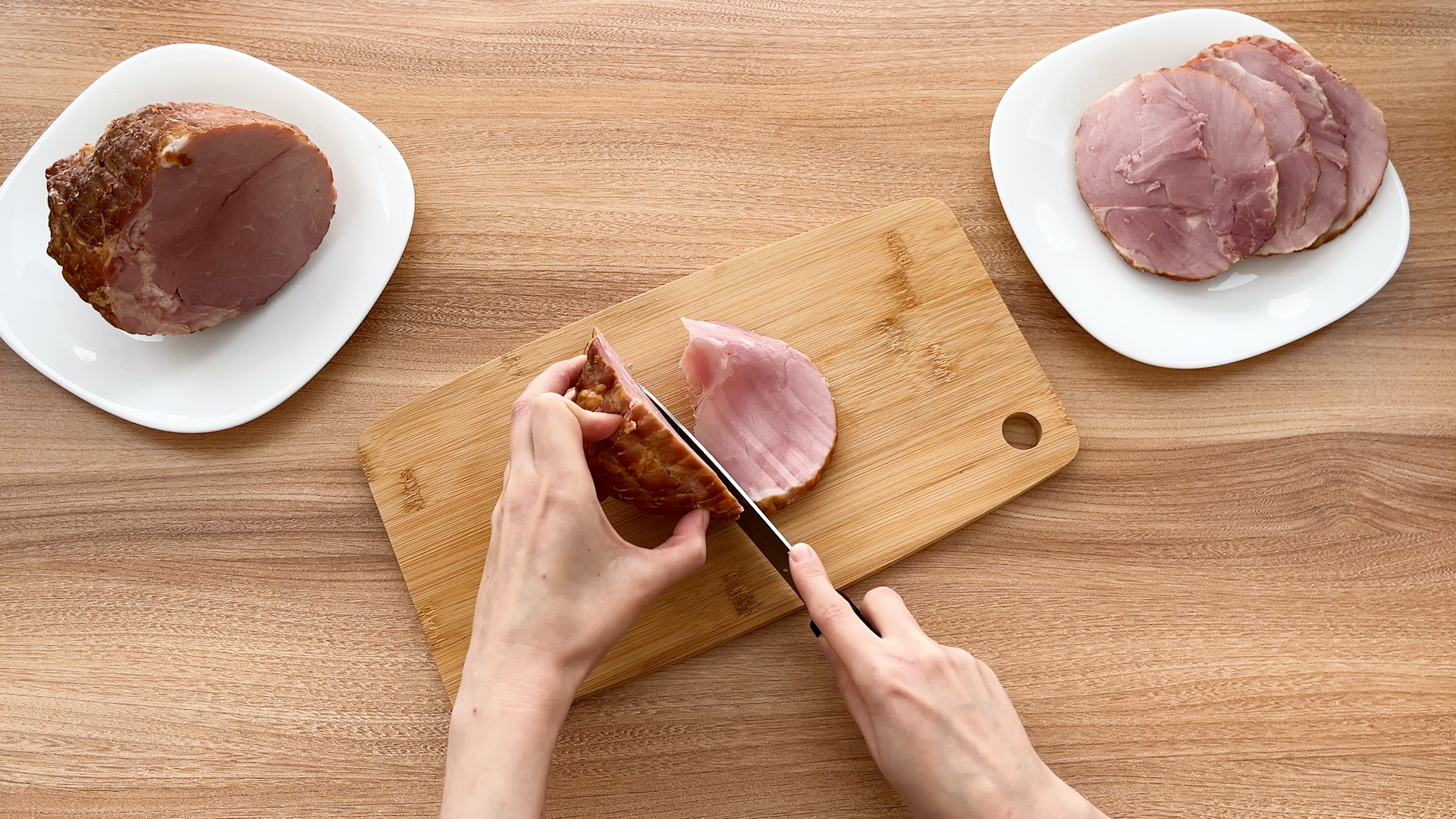
A fully cooked ham is one of the friendliest main dishes you can bring to the table. It has already done the hard work. It has been cured, smoked, baked, or otherwise cooked before it ever meets your kitchen counter. Your job is not to “cook” it into submission. Your job is to warm it gently, keep it juicy, and avoid turning a beautiful holiday centerpiece into a salty pork doorstop.
The good news? Heating a fully cooked ham is simple once you understand three things: temperature, moisture, and timing. The oven is best for warming a whole ham, half ham, or large spiral-sliced ham. The microwave is best for slices, small portions, and last-minute plates when someone asks, “Is there any ham left?” approximately six minutes after dinner is over.
Important note: Always check the package label first. If the ham says “fully cooked” or “ready to eat,” it can usually be served cold, but many people prefer it warm. For safety, USDA-inspected fully cooked hams should generally be reheated to 140°F. If the ham is from a non-USDA-inspected source, homemade, repackaged, or you are reheating leftovers and want the safest target, heat it to 165°F. A food thermometer is not fancy kitchen jewelry; it is the tiny truth-teller that keeps dinner safe.
What Is a Fully Cooked Ham?
A fully cooked ham is a ham that has already been processed and cooked before sale. Most grocery-store “city hams,” spiral-sliced hams, smoked hams, and many boneless holiday hams fall into this category. They are often labeled as “fully cooked,” “ready to eat,” or “heat and serve.”
This is different from a fresh ham, which is raw pork and must be cooked to a safe internal temperature before eating. It is also different from some country hams, which may require soaking, simmering, baking, or special preparation depending on the product. In other words, read the label like it is sending you secret ham instructionsbecause it is.
Quick Answer: Best Way to Heat a Fully Cooked Ham
The best way to heat a fully cooked ham is to warm it slowly in a covered roasting pan at 325°F until the thickest part reaches 140°F. Add a small amount of water, broth, apple juice, or pineapple juice to the pan, cover tightly with foil, and glaze near the end so the sugars do not burn.
For microwave reheating, slice the ham first. Place slices in a single layer on a microwave-safe plate, cover with a damp paper towel or microwave-safe cover, and heat at medium power in short intervals until warm. Rotate or rearrange the slices as needed because microwaves love hot spots almost as much as toddlers love ketchup.
How to Heat a Fully Cooked Ham in the Oven
The oven is the most reliable method for heating a whole fully cooked ham because it warms the meat evenly and gives you control over moisture. This method works for bone-in ham, boneless ham, half ham, and spiral-sliced ham.
Oven Method: Step-by-Step
- Preheat the oven to 325°F. This is the standard safe oven temperature for reheating cooked ham without leaving it too long in the temperature danger zone.
- Place the ham cut-side down. Set it in a roasting pan or baking dish. Cut-side down helps protect the exposed meat from drying out.
- Add moisture. Pour about 1/2 cup to 1 cup of water, stock, apple juice, or pineapple juice into the bottom of the pan. Do not pour it directly over a crunchy glaze unless you want to watch your glaze disappear like a magic trick gone wrong.
- Cover tightly with foil. Foil traps steam and keeps the outer edges from drying before the center is warm.
- Heat for about 10 to 15 minutes per pound. A smaller ham may warm faster, while a large bone-in ham may need more time.
- Check the internal temperature. Insert a food thermometer into the thickest part of the ham without touching bone. Aim for 140°F for USDA-inspected fully cooked ham.
- Glaze during the final 15 to 30 minutes. Remove the foil, brush on glaze, and return the ham to the oven just long enough for the glaze to become glossy and lightly caramelized.
- Rest before slicing. Let the ham rest for about 10 to 15 minutes. This helps the juices settle and makes carving easier.
Oven Heating Time Chart for Fully Cooked Ham
Heating time depends on the shape, size, starting temperature, and whether the ham is bone-in or boneless. The thermometer matters more than the clock, but this chart gives you a useful starting point.
| Ham Type | Oven Temperature | Estimated Time | Target Internal Temperature |
|---|---|---|---|
| Boneless fully cooked ham | 325°F | 10–15 minutes per pound | 140°F |
| Bone-in fully cooked ham | 325°F | 12–15 minutes per pound | 140°F |
| Spiral-sliced ham | 325°F | 10–12 minutes per pound | 140°F |
| Ham leftovers or unclear source | 325°F | Until thoroughly hot | 165°F |
How to Keep Fully Cooked Ham Moist in the Oven
Ham dries out when it is overheated, uncovered, or blasted with too much heat for too long. Spiral-sliced ham is especially delicate because all those pretty slices create more exposed edges. They look elegant, but they also lose moisture faster.
Use Liquid, But Do Not Drown the Ham
A little liquid in the pan creates steam. Water is fine, but broth, apple juice, orange juice, or pineapple juice adds mild flavor. You only need enough to cover the bottom of the pan. The goal is gentle steam, not a ham swimming lesson.
Cover the Ham Tightly
Foil is your best friend when reheating ham. Cover the pan tightly so steam stays trapped. If the ham came with oven-safe packaging or a cooking bag, follow the label instructions. For most home cooks, heavy-duty foil is enough.
Glaze Late, Not Early
Glazes usually contain sugar, honey, maple syrup, brown sugar, fruit preserves, or juice. These ingredients are delicious, but they can burn if they spend too long in the oven. Heat the ham covered first, then glaze near the end. This gives you a shiny, flavorful finish without a scorched sugar helmet.
Easy Ham Glaze Ideas
A fully cooked ham does not need glaze, but glaze adds flavor, shine, and that “I planned this meal like a responsible adult” look. Try one of these simple combinations:
- Classic brown sugar glaze: Brown sugar, Dijon mustard, honey, and a splash of apple cider vinegar.
- Pineapple glaze: Pineapple juice, brown sugar, cloves, and a little mustard.
- Maple mustard glaze: Maple syrup, Dijon mustard, black pepper, and a touch of butter.
- Orange spice glaze: Orange marmalade, cinnamon, ginger, and a small squeeze of lemon juice.
Brush the glaze over the ham during the last 15 to 30 minutes of heating. If you want a thicker finish, brush on a second light layer after 10 minutes. Keep an eye on it. Sugar goes from “beautifully caramelized” to “campfire souvenir” faster than you think.
How to Heat a Fully Cooked Ham in the Microwave
The microwave is not ideal for a whole ham, unless your microwave is the size of a compact car. However, it is excellent for slices, diced ham, breakfast portions, sandwiches, and leftovers. The secret is lower power, short intervals, and moisture.
Microwave Method for Ham Slices
- Slice the ham evenly. Thin or medium slices heat more evenly than thick chunks.
- Place slices in a single layer. Use a microwave-safe plate or shallow dish. Avoid stacking slices into a meat tower.
- Add moisture. Sprinkle with a teaspoon or two of water, broth, or apple juice. You can also cover the slices with a damp paper towel.
- Cover the plate. Use a microwave-safe cover or vented lid to trap steam while letting excess pressure escape.
- Heat at 50% to 70% power. Start with 30 to 45 seconds for a few slices, then check.
- Rotate and rearrange. Move cooler slices toward the outside and hotter slices toward the center.
- Continue in short bursts. Heat until the ham is warm throughout. For leftovers or uncertain ham, heat to 165°F.
Microwave Heating Time Chart
| Amount of Ham | Power Level | Starting Time | Tip |
|---|---|---|---|
| 1–2 thin slices | 50%–70% | 30–45 seconds | Cover with a damp paper towel |
| 3–5 slices | 50%–70% | 45–90 seconds | Rearrange halfway through |
| Diced ham, 1 cup | 70% | 45–60 seconds | Stir before serving |
| Leftover ham portion | 70% | Heat in short intervals | Check for 165°F if needed |
Oven vs. Microwave: Which Method Is Better?
Use the oven when presentation matters. If you are serving Easter dinner, Christmas lunch, Thanksgiving leftovers, or a big family meal, the oven gives you the best texture and moisture control. It also allows you to glaze the ham beautifully.
Use the microwave when speed matters. If you are heating ham for sandwiches, breakfast plates, omelets, rice bowls, or one-person leftovers, the microwave is fast and practical. Just do not overheat it. Ham is already salty and lean in places, so too much microwave power can make it tough.
Common Mistakes When Heating Fully Cooked Ham
Mistake 1: Treating Fully Cooked Ham Like Raw Meat
Fully cooked ham does not need hours and hours of baking. Long cooking dries it out. You are reheating, not auditioning for a barbecue endurance contest.
Mistake 2: Skipping the Thermometer
Guessing by time alone can lead to cold centers or overcooked edges. A thermometer gives you the real answer. Insert it into the thickest part of the ham and avoid touching the bone, which can give a misleading reading.
Mistake 3: Heating Spiral Ham Uncovered
Spiral ham looks convenient because it is already sliced, but that also means it can dry out quickly. Cover it tightly, add liquid to the pan, and warm it gently.
Mistake 4: Adding Glaze Too Soon
A glaze applied too early may burn before the ham is hot. Add glaze toward the end, then let it set into a glossy finish.
Mistake 5: Microwaving on Full Power Too Long
Full power can create rubbery edges and cold centers. Medium power gives the heat more time to move through the slices evenly.
How to Store and Reheat Leftover Ham
After serving, refrigerate leftover ham in shallow airtight containers. Do not leave it sitting out for hours while everyone debates pie. For best quality, use refrigerated leftovers within a few days. Freeze extra ham if you will not use it soon.
To reheat leftovers, use the oven, microwave, skillet, or add diced ham directly to soups, casseroles, fried rice, scrambled eggs, or pasta. If reheating a larger leftover portion, cover it and warm it gently. For the safest approach, especially with leftovers, heat until the internal temperature reaches 165°F.
Best Ways to Use Warmed Ham
Once your ham is warm and juicy, you have options. Serve it with mashed potatoes, roasted vegetables, dinner rolls, macaroni and cheese, green beans, or a bright salad. For breakfast, pair slices with eggs, biscuits, or hash browns. For lunch, tuck it into grilled cheese, sliders, wraps, or split pea soup.
Warm ham also works beautifully in casseroles because it adds smoky, savory flavor without requiring much prep. Dice it into scalloped potatoes, fold it into quiche, stir it into creamy pasta, or toss it into a skillet with cabbage and potatoes. Fully cooked ham is basically the meal-prep friend who shows up early and brings snacks.
Experience-Based Tips for Heating a Fully Cooked Ham
After heating more holiday hams than most people would admit in polite conversation, one lesson stands above the rest: the package instructions matter, but the ham’s shape matters almost as much. A compact boneless ham behaves differently from a large bone-in shank portion. A spiral-sliced ham behaves differently from an unsliced half ham. The more exposed surface area the ham has, the more carefully you need to protect it from dry heat.
For a spiral-sliced ham, the best practical trick is to place it cut-side down and keep it covered almost the entire time. The slices are convenient at serving time, but they can separate in the oven and lose moisture. I like adding apple juice or low-sodium broth to the pan because both create steam without making the ham taste watery. If the ham already has a sweet glaze packet, apple juice usually fits the flavor. If the glaze is mustardy or savory, broth works better.
Another useful experience: do not chase a dramatic crust too early. Many home cooks want the ham to look glossy right away, so they glaze it at the beginning. That often leads to dark sticky spots before the center is warm. A better approach is to heat the ham covered first, then glaze at the end. If you want extra shine, brush on a thin layer, bake uncovered for about 10 minutes, then brush on one more thin layer. Thin layers behave better than one heavy sugary coat.
When using the microwave, the biggest mistake is impatience. A thick slice heated on high for two minutes may come out steaming on the edges and cool in the center. Instead, use medium power and short bursts. Covering the ham with a damp paper towel makes a noticeable difference. It keeps the surface from turning leathery and helps the heat distribute more gently. For sandwiches, I often warm the ham separately before adding it to bread. That prevents soggy bread and gives better texture.
If you are serving ham for guests, plan backward from mealtime. A large ham needs resting time, carving time, and platter time. If dinner is at 6:00, the ham should not be entering the oven at 5:52 while everyone stares at the rolls. Start early enough to heat it slowly. If it finishes a little ahead, keep it covered in a warm spot for a short period. It is much easier to hold a warm, juicy ham than to rescue a dry one.
For leftovers, I prefer reheating only what I need. Reheating the whole remaining ham again and again dries it out. Slice or dice portions, refrigerate them in airtight containers, and warm small amounts as needed. Diced ham reheats beautifully in scrambled eggs, fried rice, beans, and soups because the surrounding ingredients provide moisture. Slices are best warmed gently with a little liquid or tucked into a covered skillet for a quick steam.
Finally, remember that fully cooked ham is already seasoned. Be careful with salty liquids, salty glazes, and salty side dishes. If your ham is strongly cured or smoked, pair it with something bright or mild: roasted carrots, pineapple salsa, mustard sauce, apples, cabbage, potatoes, or a crisp green salad. A good ham dinner is about balance. The ham brings the big savory personality; the sides keep it from becoming a salt parade with napkins.
Final Thoughts
Learning how to heat a fully cooked ham is mostly about restraint. Use moderate heat, keep the ham covered, add a little moisture, and let a thermometer guide you. The oven is best for whole and half hams, especially when you want a glazed centerpiece. The microwave is best for slices and quick leftovers. Either way, the goal is the same: warm, juicy ham that tastes like you knew exactly what you were doing.
Heat gently, glaze late, slice smart, and do not let the microwave bully your dinner. Your ham has already been cooked. Now it just needs a comfortable warm-up and a grand entrance.