Note: This is a safety-first homeowner guide written for planning and publishing purposes. Because electric baseboard heating is a hard-wired, line-voltage system, the article explains what goes into a proper installation, what decisions matter most, and what a licensed electrician typically handles rather than giving hazardous wiring instructions.
Electric baseboard heat has a very specific personality. It is quiet, simple, room-by-room, and about as subtle as a cat sitting directly on your keyboard when you are trying to work. When it is sized and placed correctly, it can make a chilly bedroom, basement office, or guest room feel comfortable fast. When it is chosen poorly, crammed behind furniture, or treated like a random plug-in gadget, it can become expensive, inefficient, and deeply annoying.
So if you are researching how to install baseboard heating (electric), the smartest place to begin is not with a screwdriver. It is with planning. The real success of an electric baseboard heater depends on room size, heater wattage, thermostat strategy, wall placement, circuit capacity, and safety clearances. In other words, the glamorous stuff nobody brags about at dinner parties.
This guide walks through the process the right way: what electric baseboard heaters do, where they work best, how professionals typically approach installation, what homeowners should check before buying, and which mistakes can turn “cozy winter upgrade” into “why is the back of my sofa hot?” Let’s keep the room warm and the drama low.
What Electric Baseboard Heating Actually Does
Electric baseboard heaters are a form of zonal heating. That means they heat one room or one area at a time instead of relying on a whole-house duct system. Inside the metal housing, electric resistance elements warm up, air enters near the bottom, rises as it heats, and circulates through the room. That is why these heaters are often placed along exterior walls or under windows, where they can help offset cold air moving down from the glass.
This style of heating is popular in bedrooms, additions, basements, offices, and older homes where adding ductwork would be expensive or impractical. It is also common as supplemental heat. A family might keep the central system modest overnight and let one electric baseboard heater warm a bedroom more directly. Convenient? Yes. Cheap to run everywhere, all the time? Not usually.
That is one reason electric baseboard heat works best when homeowners use it strategically. It shines in targeted spaces. It is less charming when asked to heat a drafty house that still thinks insulation is optional.
Why “Installation” Starts with Sizing, Not Tools
If there is one thing that ruins comfort faster than anything else, it is a heater that is the wrong size. Undersized units run too long, struggle to keep up, and make the room feel like it is apologizing for winter instead of defeating it. Oversized units cost more upfront and may not be the smartest match for the circuit or layout.
A common rule of thumb for electric baseboard heater sizing is about 10 watts per square foot for a room with standard 8-foot ceilings and average insulation. So a 10-by-12-foot room, or 120 square feet, may need roughly 1,200 watts of electric baseboard heating. That number can shift higher if the room has poor insulation, lots of window area, or sits above an unheated garage. It can shift lower if the heater is only supplementing another heat source.
Heater length matters too. Many shoppers notice wattage first, but the physical size of the unit affects where it can go and how evenly the warmth is delivered. A room with one perfect wall section may handle one longer unit beautifully. Another room may work better with more than one heater placed thoughtfully instead of forcing a single long unit into an awkward location.
A Quick Example
Imagine a 120-square-foot guest room with decent insulation. A homeowner might start the search around 1,200 watts. But if that room has two exterior walls, older windows, and gets chilly enough to make your coffee jealous, the practical choice may be a bit more capacity or a better placement strategy discussed with an electrician or HVAC professional.
Where Electric Baseboard Heaters Work Best
Placement is not just a design issue. It affects performance, safety, and comfort. Electric baseboard heaters are commonly installed on perimeter walls and often under windows because that helps counter drafts and cold air. That location is not mandatory in every room, but it is a long-standing best practice for a reason.
Good placement also means respecting clearances. Curtains, bedding, paper, and furniture should not crowd the heater. Air needs room to move. Heat needs room to escape. Your beanbag chair does not need a tan.
As a general homeowner guideline, product literature often calls for generous space in front of and above the heater, with additional side clearance as specified by the manufacturer. The exact numbers can vary by model, which is why the product manual matters so much. A heater installed in the wrong spot may still turn on, but that does not make it a good installation. It just means the problem has not introduced itself yet.
What a Professional Electric Baseboard Heater Installation Usually Involves
Because this is a hard-wired, line-voltage appliance, a proper electric baseboard heater installation is usually a licensed-electrician job. The safe, code-compliant process typically includes evaluating the room’s heating load, confirming the heater voltage, checking panel capacity, verifying that the circuit is correctly sized, choosing the thermostat type, confirming clearances, mounting the unit securely, and testing operation after the work is complete.
In many homes, the conversation begins at the electrical panel, not the wall. The installer needs to know whether the panel has enough capacity for the new heater and whether a dedicated circuit is required for that load. This is one of the least glamorous parts of the project and also one of the most important. Nobody wants a beautiful new heater whose secret talent is tripping breakers.
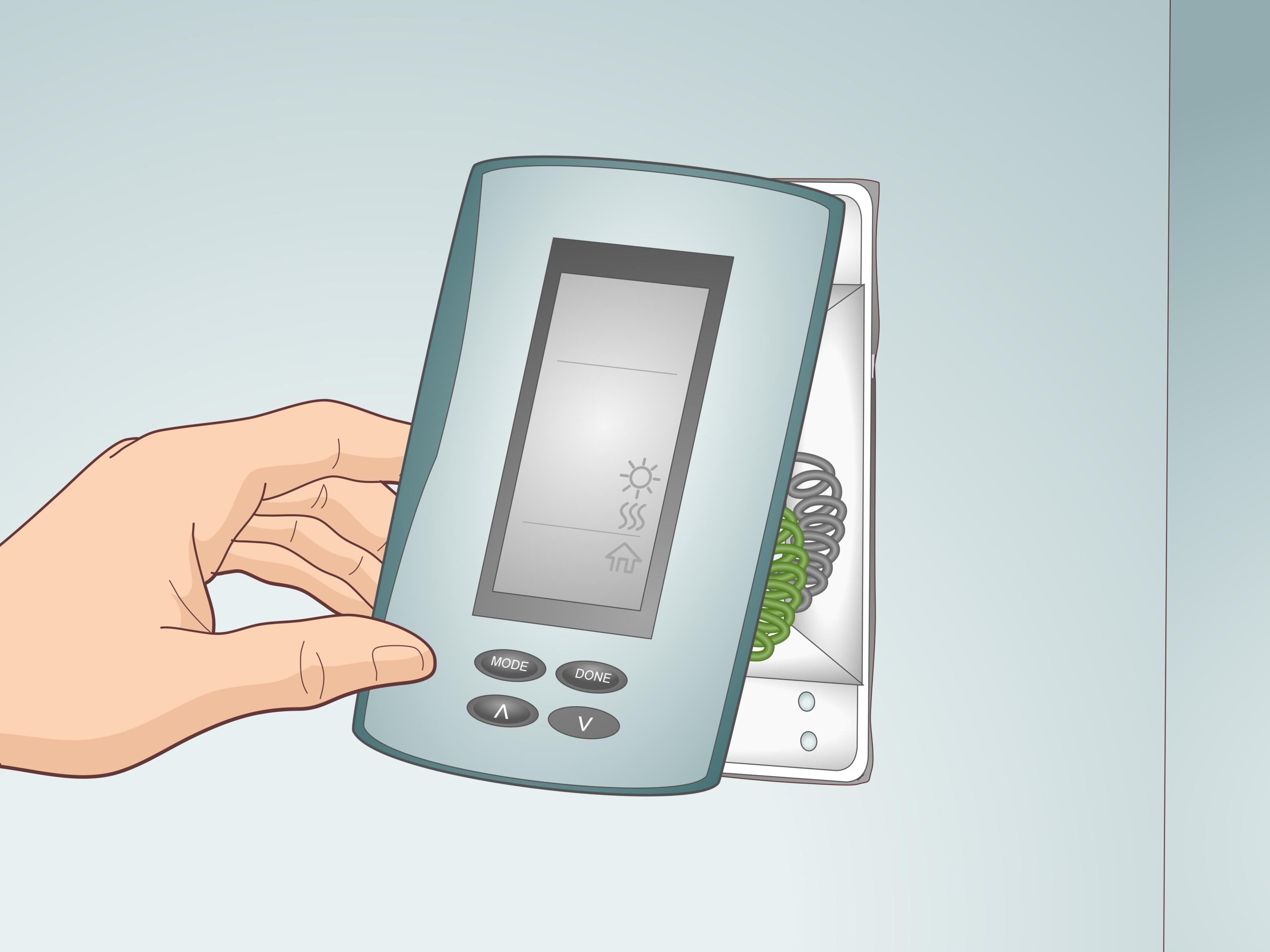
Thermostat selection is another major decision. Some units work with built-in controls, while others pair with a wall thermostat. Many homeowners prefer a wall-mounted control because it can offer more consistent comfort and better usability. Digital or programmable options may also help with energy savings when used intelligently.
Then comes the practical part: placing the unit level, securing it properly, keeping the airflow path clear, and making sure the finished setup matches both manufacturer instructions and local electrical code. That final phrase matters. Local code is not decorative. It is the rulebook.
Thermostat Choices: Small Device, Big Attitude
The thermostat often gets treated like a side character, but it has a starring role in comfort and operating cost. A cheap or poorly placed thermostat can make a good heater feel mediocre. A better control strategy can make the same room feel more stable and less wasteful.
Homeowners generally consider three broad categories: built-in thermostats, wall thermostats, and programmable or smart-compatible line-voltage controls. Built-in controls can be simple and convenient for small spaces. Wall thermostats are often easier to access and may sense room conditions more consistently. Programmable models can reduce unnecessary heating during work hours, school hours, or overnight setbacks.
If the room is used predictably, such as a home office or guest room, a programmable setup can be especially useful. You are not paying to keep a room toasty around the clock when the room is mostly occupied by a chair and your abandoned laundry basket.
Efficiency, Operating Cost, and the Truth Nobody Loves
Electric baseboard heaters are simple and reliable, but they are not famous for being the cheapest whole-house heating option. That does not make them bad. It makes them specific. They work best when the homeowner understands the trade-off: low installation complexity compared with ductwork, but potentially higher operating cost depending on electricity prices, insulation, thermostat habits, and how much area is being heated.
The best way to improve efficiency is not magical. It is practical. Use the right size heater. Install it in the right place. Pair it with a good thermostat. Weather-strip drafty windows and doors. Improve insulation where possible. Keep furniture and curtains clear. Clean dust from the unit regularly after the power is off and the heater is cool. In other words, give the heater a fair chance to succeed.
For homeowners trying to cut bills, thermostat setbacks may help when used appropriately. That is particularly relevant in rooms that are not occupied all day. A heater should not have to work overtime because the house is leaking warm air like a gossip leaks secrets.
Common Mistakes Homeowners Make Before Installation
Buying by price instead of room needs
The cheapest heater is not the bargain it appears to be if it cannot keep the room comfortable. Sizing first, price second, is the better order.
Ignoring circuit and panel realities
Many people shop the heater first and think about the electrical panel later. That is backwards. The panel and circuit capacity decide what is actually feasible.
Forgetting furniture layout
A heater hidden behind a couch is not a clever space-saving trick. It is a performance and safety problem wearing a decorator hat.
Choosing the wrong thermostat strategy
If you want room-by-room comfort and lower waste, control matters. A poor thermostat choice can make the system feel less responsive and more expensive.
Treating manufacturer instructions like optional reading
The owner’s manual is not filler. Clearances, mounting details, control compatibility, and safety warnings are model-specific for a reason.
When Replacement Makes More Sense Than New Installation
Sometimes the better question is not “How do I install electric baseboard heating?” but “Should I replace what I already have?” Older heaters may still run, but age can bring dust buildup, tired components, inconsistent temperature control, cosmetic damage, and in some cases safety concerns. A newer model with a better thermostat may improve comfort and look cleaner without changing the entire heating strategy.
Replacement can also make sense when homeowners are renovating a room anyway. If walls are open, circuits are being updated, and trim work is already in motion, that is often the ideal moment to rethink heater placement, size, and controls. Renovation is messy, yes, but it is also opportunity wearing work boots.
What to Ask Before Hiring an Electrician
If you are moving forward with the project, ask practical questions. Is the proposed heater correctly sized for the room? Will it be 120-volt or 240-volt? Does the panel support the load? Is a dedicated circuit needed? Which thermostat type is the best fit? What clearances will apply to this model? Will a permit be required? Is the installation based on the manufacturer’s instructions and local code?
Those questions do two useful things. First, they help you understand what you are paying for. Second, they separate thoughtful planning from “we’ll figure it out on site,” which is not the sentence you want attached to household electrical work.
The Homeowner Experience: of Real-World Lessons, Comfort Wins, and Mistakes People Remember
Living with electric baseboard heat teaches people a few lessons almost immediately. The first is that these heaters are not central HVAC in disguise. They do not behave like a ducted system, and they are not trying to. They are local, direct, and stubbornly room-specific. That can be wonderful once you understand it. A chilly bedroom can become the warmest room in the house without overheating the rest of the home. A basement office can go from “mildly medieval” to comfortable in a way that feels surprisingly civilized.
Many homeowners who like electric baseboard heating mention the quiet. No roaring blower. No dramatic duct noises. No soundtrack that makes the house sound like it is preparing for takeoff. There is a simple comfort in steady radiant-convective warmth, especially in smaller rooms where the heater is properly sized. People also appreciate the zone control. If one person likes a cooler bedroom and another wants the room to feel like a bakery at sunrise, baseboard heat can reduce thermostat negotiations that belong in international diplomacy.
But the learning curve is real. One common experience is discovering that furniture placement matters more than expected. A homeowner rearranges a room, slides a dresser in front of the heater, and then wonders why that corner feels cold while the heater seems personally offended. Curtains are another repeat offender. Long drapes may look elegant right up until they start interfering with airflow. Electric baseboard heaters are not difficult, but they are opinionated about personal space.
Another real-world lesson is that insulation changes everything. People sometimes blame the heater when the room still feels cold, but the real culprit is often a drafty window, poor weather-stripping, or an exterior wall that leaks heat like it is being paid to do so. Once those issues are improved, the exact same heater can suddenly seem smarter, stronger, and much more efficient. In reality, it was just fighting a losing battle before.
Homeowners also talk about the value of a better thermostat. Rooms with old manual controls can feel swingy: too warm, then too cool, then weirdly warm again. Upgrading the control strategy often improves comfort more than people expect. It is not flashy, but neither is sleeping well through a cold night, and that still feels like luxury.
The most positive stories usually have the same pattern. The heater was sized correctly. The placement made sense. The room was sealed up reasonably well. The thermostat was chosen with actual lifestyle habits in mind. The installation was done properly. When those pieces line up, electric baseboard heating feels reliable, simple, and effective. When they do not, the system gets blamed for problems it did not create alone.
The best homeowner mindset is not “How do I make this the cheapest heater ever?” It is “How do I make this room comfortable, safe, and logical?” That question leads to better results almost every time. Comfort is not just about wattage. It is about the whole setup: room envelope, layout, controls, and realistic expectations. Get those right, and electric baseboard heating can be a genuinely solid solution instead of an annual winter argument.
Final Thoughts
If you are researching how to install baseboard heating (electric), the smartest takeaway is this: successful installation is mostly about good decisions made before the heater ever goes on the wall. Size the unit correctly. Respect the room layout. Plan around safe clearances. Choose the right thermostat. Confirm circuit and panel capacity. Follow the manufacturer’s requirements. Use a licensed electrician for the hard-wired work. That is how you turn a simple heater into a room that actually feels comfortable, safe, and worth the investment.
Electric baseboard heat is not the answer for every house, but in the right room and with the right setup, it can be quiet, effective, and wonderfully direct. It is not glamorous. It is not trendy. But on a freezing morning, a warm room rarely cares about trends.