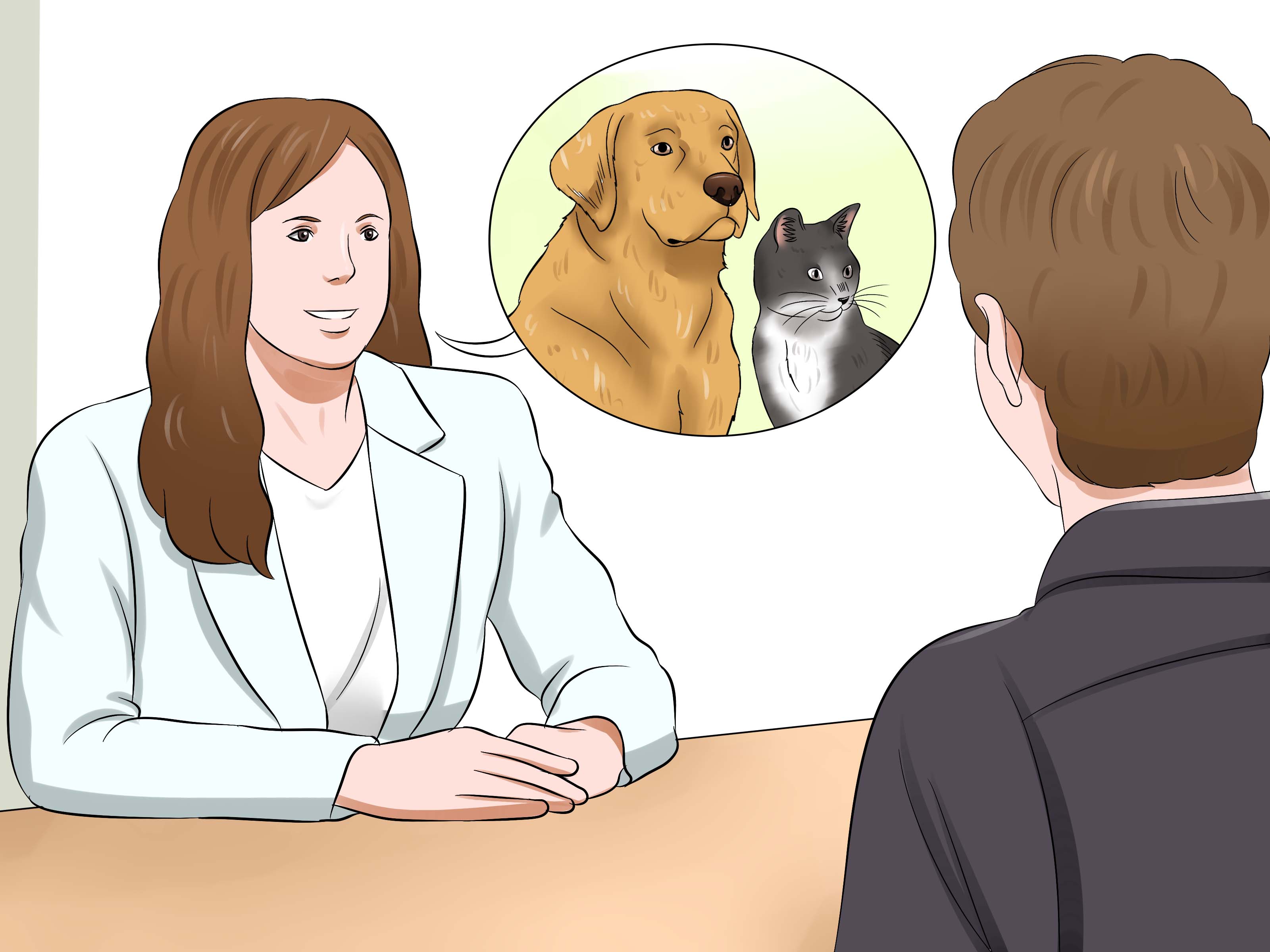
Note: This publish-ready article synthesizes current guidance from reputable U.S. animal-welfare, veterinary, and pet-care sources, including recommendations to separate pets at first, use scent exchange, supervise visual meetings with barriers or leashes, protect cat-only spaces, avoid chasing, and progress at the animals’ pace.
Bringing home a new dog when your older cat already owns the couch, the windowsill, and possibly your soul can feel like hosting a diplomatic summit between two very different nations. One speaks fluent tail wag. The other communicates through slow blinks, side-eye, and mysteriously appearing hair on your black clothes.
The good news? An older cat and a new dog can learn to live peacefully together. Some even become friends. The less-good-but-still-manageable news? You cannot rush the process. A senior or mature cat often values routine, territory, quiet, and personal space. A new dog may arrive with curiosity, energy, and the emotional volume of a marching band. Your job is to become the calm, patient referee who prevents chaos before it gets a chance to wear tap shoes.
This guide explains how to introduce an older cat to a new dog in 13 practical steps, with safety, comfort, and long-term harmony as the main goals. Whether your dog is a bouncy puppy, an adult rescue, or a gentle giant with no idea how giant he is, the process works best when introductions are slow, structured, and full of positive associations.
Why Older Cats Need a Special Introduction Plan
Older cats are not “difficult” just because they dislike sudden change. They are being cats. Many cats are territorial, routine-loving animals, and mature cats may be especially sensitive to disruptions in their environment. A new dog brings unfamiliar smells, sounds, movement patterns, and energy into the home. To your cat, this may feel less like “new family member” and more like “large snorting roommate with suspiciously loud feet.”
Age can also affect mobility, hearing, vision, confidence, and tolerance for stress. A younger cat might leap onto the refrigerator and observe the dog like a furry security camera. An older cat may need ramps, lower perches, easier escape routes, and extra time to feel safe. That is why the best dog-cat introduction is not about forcing friendship. It is about building trust one tiny, boring, successful moment at a time.
How Long Does It Take to Introduce an Older Cat to a New Dog?
Some cats and dogs adjust in a week or two. Others need several weeks or even months. The timeline depends on your cat’s temperament, the dog’s prey drive and training, previous experiences, the layout of your home, and how carefully you manage early meetings.
A useful rule: move forward only when both animals are calm at the current step. If the dog lunges, barks, freezes, stalks, or becomes intensely fixated, slow down. If the cat hides constantly, stops eating, growls, swats, urinates outside the litter box, or refuses to enter normal living areas, slow down. Progress is not measured by how close they can stand. Progress is measured by how relaxed they can be.
How to Introduce an Older Cat to a New Dog: 13 Steps
1. Choose the Right Dog for a Cat Household
Before the new dog comes home, consider compatibility. A dog with a strong history of chasing, grabbing, or injuring small animals may not be safe with a cat. Breed alone does not determine behavior, but prey drive, impulse control, social history, and training matter a lot.
If adopting from a shelter or rescue, ask whether the dog has been tested around cats or has lived with cats before. A dog who calmly notices a cat and disengages is very different from a dog who locks eyes, stiffens, whines, lunges, or cannot be redirected. Your older cat should not become the final exam in a dog’s “Can I Resist Chasing?” course.
2. Prepare a Cat-Only Sanctuary Before the Dog Arrives
Your older cat needs a secure room where the dog is never allowed. This should be set up before the dog enters the home. Include food, water, litter box, bedding, scratching surfaces, toys, and favorite familiar items. Add hiding spots and soft resting areas. If your cat has arthritis or reduced mobility, choose low-entry litter boxes, padded beds, and easy access to essentials.
This room is not a punishment. It is your cat’s private studio apartment. The goal is to give your cat control. When cats can retreat, observe, and choose when to engage, they usually feel safer.
3. Give the Dog a Separate Landing Zone
Your new dog also needs a controlled area. Use a crate, exercise pen, gated room, or quiet space where the dog can decompress. Moving into a new home is exciting and stressful for dogs too. Do not bring the dog inside and immediately parade him past the cat like a surprise halftime show.
Let the dog settle, sniff, eat, rest, and learn the basic rhythm of the home. A tired, calmer dog is much easier to introduce than one who has just discovered stairs, squeaky toys, and the thrilling existence of cat food.
4. Keep Them Completely Separate at First
For the first few days, prevent direct contact. Solid doors are your friend. Your older cat should be able to hear and smell the dog without being forced to see or meet him. This stage helps both animals gather information safely.
During this period, keep routines as normal as possible for your cat. Feed at the usual times. Offer affection in the usual places. Keep litter boxes clean and accessible. The message to your older cat should be: “Yes, something changed, but your life is still safe, predictable, and full of snacks.”
5. Start Scent Swapping
Scent is a huge part of animal communication. Before face-to-face meetings, exchange bedding, blankets, or soft cloths between the cat and dog areas. Let each pet investigate the other’s scent without pressure.
You can also gently rub a cloth along the dog’s shoulders and place it near the cat’s room, then do the same with the cat’s scent for the dog. Pair this with treats, meals, or praise so the smell of the other animal predicts good things. Think of it as sending a polite introductory email before scheduling the meeting.
6. Rotate Spaces Without Direct Contact
Once both pets seem calm with scent swapping, allow each to explore the other’s area while the other pet is safely confined elsewhere. Let the cat investigate the dog’s scent in the living room while the dog is outside or behind a closed door. Let the dog sniff near the cat’s room when the cat is secure in another space.
This helps both animals learn about each other without the emotional intensity of direct eye contact. Keep sessions short and calm. If either pet seems overwhelmed, return to separation and try again later.
7. Train the Dog Before Visual Introductions
Basic dog training is not optional here. Your dog should begin learning cues such as “sit,” “stay,” “leave it,” “watch me,” “come,” and “settle.” These cues give you tools to redirect attention and prevent chasing.
Practice away from the cat first. Reward the dog for calm behavior, looking at you, relaxing on a mat, and disengaging from exciting distractions. If the dog cannot respond to cues in a quiet hallway, he is not ready to practice next to your senior cat, who is basically a moving squeaky toy with legal representation.
8. Create Vertical Escape Routes for the Cat
Cats feel safer when they can go up. Provide cat trees, shelves, window perches, furniture pathways, or gated areas with cat-sized openings. For older cats, make these escape routes realistic. A 14-year-old cat with stiff hips may not want to launch onto a six-foot tower like a furry Olympic pole vaulter.
Use ramps, lower platforms, sturdy steps, or furniture arrangements that allow easy climbing. The dog should not be able to corner the cat. Every shared room should have at least one clear cat escape route.
9. Begin Visual Contact Through a Barrier
When both pets are calm with smells and sounds, allow them to see each other through a baby gate, screen door, exercise pen, or cracked doorway. Keep the dog leashed if needed. The cat should be free to move away.
Keep sessions short, especially at first. Two calm minutes are better than twenty dramatic ones. Reward the dog for looking at the cat and then looking away. Reward the cat for staying relaxed, eating treats, or simply choosing to remain in the area. If the dog barks, lunges, whines intensely, or fixates, increase distance or block the view. If the cat hisses once and retreats, that is information, not failure.
10. Use Food Carefully to Build Positive Associations
Feeding near opposite sides of a closed door or barrier can help create positive associations. Start far enough away that both pets will eat comfortably. Over time, move bowls slightly closer, but only if both animals remain relaxed.
Do not place food so close that either pet feels trapped or defensive. Also, keep the dog away from the cat’s food and litter box. Dogs often view cat food as gourmet treasure and litter boxes as unspeakable snack stations. Your cat will not appreciate either review.
11. Try Short Leashed Meetings in the Same Room
Once barrier sessions are boring in the best possible way, try controlled same-room introductions. The dog should be on leash and under control. The cat should never be held in your arms. Holding a frightened cat can lead to scratches, panic, and a memory your forearms will not treasure.
Let the cat choose where to be. The dog can sit, lie down, or focus on you for treats. Keep the first sessions brief. End while things are going well. A calm three-minute meeting is a win. Do not wait for someone to “make it interesting.” Interesting is often where the trouble starts.
12. Prevent Chasing Every Single Time
Chasing is one of the biggest mistakes in dog-cat introductions. Even if the dog seems playful, the cat may experience it as threatening. Once chasing becomes fun for the dog, it can become harder to stop.
Use leashes, gates, closed doors, crates, and supervision to prevent rehearsal of chasing behavior. If the dog begins to stalk, crouch, stare, tremble, whine, or prepare to spring, redirect immediately. Ask for a trained cue, increase distance, or end the session. Your goal is to teach the dog that calm behavior around the cat pays well, while chasing never gets a chance to become a hobby.
13. Increase Freedom Slowly and Keep Supervising
As both animals relax, gradually increase the length and normality of shared time. The dog may drag a leash indoors at first so you can interrupt quickly. Continue rewarding calm behavior. Keep cat-only zones permanent, not temporary.
Do not leave the dog and older cat alone together until you have seen weeks of consistently safe behavior. Even then, many households continue using gates, closed doors, or separate spaces when no one is home. Management is not failure. It is smart pet parenting.
Signs the Introduction Is Going Well
A successful introduction usually looks calm, not cinematic. Your cat may watch from a perch, blink slowly, groom, eat, or walk away without panic. Your dog may notice the cat, then respond to your voice, sniff the floor, lie down, or focus on a toy. The pets do not need to cuddle. Peaceful coexistence is a wonderful goal.
Other good signs include relaxed body posture, normal appetite, normal litter box habits, and the ability to disengage. If your cat returns to regular routines and your dog can be calm in the cat’s presence, you are moving in the right direction.
Warning Signs to Slow Down
Slow the process if your cat hides constantly, refuses food, growls, swats repeatedly, has litter box accidents, overgrooms, or seems afraid to move through the home. Also slow down if your dog barks intensely, lunges, snaps, chases, blocks exits, ignores cues, or stares at the cat with a stiff body.
If the dog has injured the cat, attempted to grab the cat, or cannot be redirected from fixation, consult a certified professional dog trainer, veterinary behaviorist, or veterinarian. Safety matters more than optimism.
Common Mistakes When Introducing an Older Cat to a New Dog
Forcing Them to “Work It Out”
Cats and dogs should not be expected to solve introductions through conflict. Forced meetings can create fear, aggression, and long-term distrust.
Moving Too Fast
Many problems happen because humans get impatient. If you think, “They were fine for five minutes, let’s try an hour,” take a deep breath and make tea instead.
Ignoring the Cat’s Routine
Older cats rely on predictable patterns. Keep feeding, playtime, litter box placement, and affection as consistent as possible.
Letting the Dog Access Cat Resources
The cat’s food, water, bed, scratching post, and litter box should be protected. Resource invasion can make an older cat feel unsafe in his own home.
Punishing Fear
Do not punish hissing, growling, barking, or nervous behavior. Interrupt calmly, create distance, and adjust the plan. Punishment can increase anxiety and make the other pet seem even more threatening.
Helpful Setup Checklist
Before you begin introductions, gather the right tools. You may need baby gates, a leash, treats for both pets, a dog crate or exercise pen, cat trees or ramps, a separate litter box area, calming enrichment toys, food puzzles, and comfortable bedding. For older cats, consider orthopedic beds, low-sided litter boxes, and easy steps to favorite perches.
Also prepare the humans. Everyone in the household should follow the same rules. If one person carefully manages introductions while another says, “Let’s just see what happens,” the pets may get confused and the cat may file a formal complaint by hiding under the bed for three business days.
Special Tips for Senior Cats
Senior cats may need a slower pace and more environmental support. Watch for subtle stress signs: decreased appetite, less grooming, irritability, sleeping in unusual places, or avoiding rooms they used to enjoy. Pain can also affect tolerance. If your older cat suddenly becomes aggressive, withdrawn, or unusually fearful, schedule a veterinary checkup.
Make sure your cat can reach food, water, litter, and resting areas without crossing the dog’s path. If the dog is active in the kitchen, feed the cat in a quiet room or elevated area. If the hallway feels like a dog parade route, add another litter box in the cat’s sanctuary.
What If the Dog Is a Puppy?
Puppies can learn to live beautifully with cats, but they require close supervision. Their playful behavior may be too much for an older cat. Puppies chase because movement is exciting, not because they are villains. Still, your cat should not become the puppy’s cardio routine.
Reward calm behavior around the cat from the beginning. Teach the puppy to settle on a mat, respond to his name, and disengage from movement. Use naps, crates, pens, and leashes generously. A well-rested puppy is easier to manage than an overtired land shark with paws.
What If the Dog Is an Adult Rescue?
An adult rescue dog may come with unknown history. Go slowly, even if the dog seems sweet. Sweet dogs can still chase cats. Begin with separation, scent work, and controlled visual sessions. Pay attention to body language, not wishful thinking.
If the dog has lived peacefully with cats before, that is helpful but not a guarantee. Every cat is different. Your older cat’s confidence, movement, and boundaries may trigger a different response than a previous cat did.
Experience-Based Notes: What This Process Looks Like in Real Life
In real homes, introducing an older cat to a new dog rarely looks like a perfect training video. It is usually a collection of small decisions made while someone is holding a leash, someone else is holding treats, and the cat is judging everyone from behind a chair.
One common experience is the “invisible roommate” stage. For several days, the cat and dog may not see each other at all, but they know the other exists. The dog sniffs under the door. The cat sniffs back, then walks away with the expression of a retired professor who has seen enough. This stage can feel boring to humans, but it is valuable. Boring means nobody is rehearsing panic.
Another real-life moment is the first barrier meeting. The dog may be excited for three seconds, then accept treats and sit. The cat may hiss once, not because the introduction has failed, but because the cat is setting a boundary. A hiss often means, “I require more distance, please inform the intern.” Respect that. Increase space, lower the intensity, and end on a calm note.
Many owners also discover that the older cat becomes braver when the dog is predictable. For example, if the dog lies on a mat every evening while the family watches TV, the cat may begin appearing at the edge of the room. A few days later, the cat may walk across the room using a route that includes the coffee table, the back of the couch, and one dramatic pause. That is progress. Do not ruin it by cheering like your team won the Super Bowl.
The dog’s learning curve can be funny too. Some dogs need to learn that cats are not dogs with better climbing skills. A dog may offer a play bow, wag wildly, and seem confused when the cat declines the invitation with one icy stare. This is where training helps. Redirect the dog to you, reward calmness, and teach that ignoring the cat is a highly profitable career path.
In many successful households, the final relationship is not a movie-style friendship. The cat may never sleep curled against the dog. Instead, success may look like the cat eating comfortably while the dog rests nearby, the dog walking past without staring, or both animals sharing the same sunny room without drama. That is a beautiful outcome.
Some cats surprise everyone. After weeks of pretending the dog is an unfortunate furniture choice, the cat may start following him, stealing his bed, or tapping him gently on the tail as if conducting quality control. Other cats prefer polite distance forever. Both results are acceptable. The goal is safety, confidence, and a home where neither pet feels hunted, trapped, or replaced.
The biggest lesson from real experience is this: slow is smooth, and smooth is fast. When people rush, they often spend weeks repairing fear. When they go slowly, they may feel impatient at first, but they build a stronger foundation. Your older cat has spent years believing the home belongs to him. Your new dog is trying to learn the house rules. With patience, structure, humor, and a pocket full of treats, both can learn that there is room for everyone.
Conclusion
Introducing an older cat to a new dog is not about luck. It is about preparation, patience, and controlled exposure. Start with separate spaces, build comfort through scent, use barriers and leashes, protect your cat’s escape routes, and reward your dog for calm behavior. Move at the pace of the more cautious animal, which is often the cat, because cats have never once voted in favor of unnecessary meetings.
Remember that peaceful coexistence is a success. Your pets do not need to become best friends to live a happy life together. If your older cat feels safe and your new dog learns respectful behavior, you have created something wonderful: a shared home where whiskers and wagging tails can exist without daily drama.