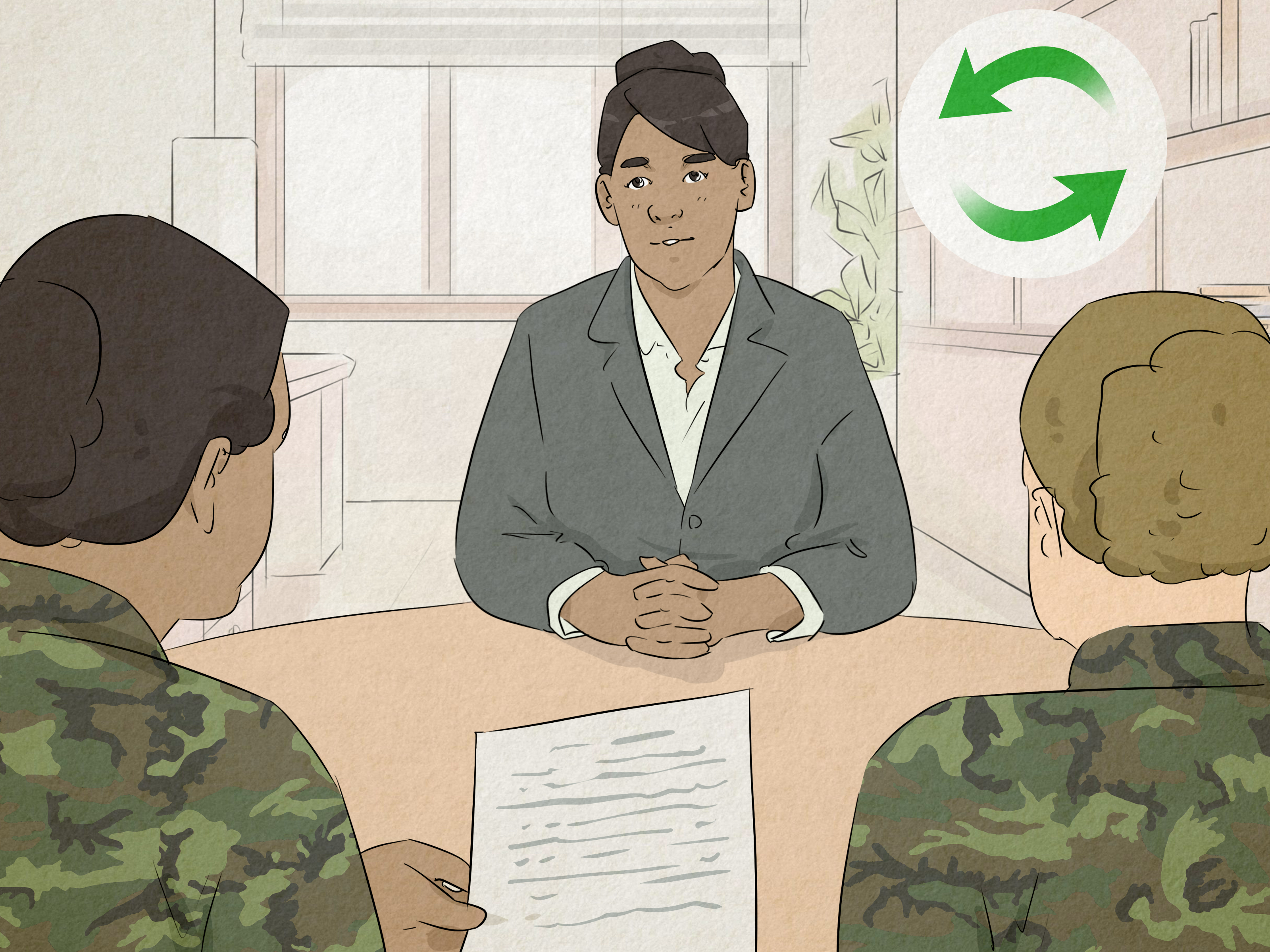
Introduction: So, You Want to Join Delta Force?
“How do I join Delta Force?” is one of those questions that sounds simple until you realize the answer is not exactly printed on a glossy brochure next to a smiling recruiter holding a clipboard. Delta Force, officially associated in public reporting with the 1st Special Forces Operational Detachment-Delta, is one of the most selective and secretive units in the U.S. military. It is not a regular Army job you select at the recruiting office like choosing extra fries with lunch.
The realistic path to Delta Force starts much earlier: becoming an excellent Soldier, building a strong service record, qualifying for demanding Army opportunities, developing uncommon maturity, and proving yourself repeatedly in environments where excuses evaporate faster than coffee in a platoon office.
This guide breaks the journey into 13 practical steps. It is written for readers who want a serious, public-information-based understanding of how to prepare for a future in elite Army special operations. There is no guaranteed path, no shortcut, and no “secret trick” involving sunglasses and push-ups in the rain. But there are smart ways to build the kind of foundation that makes a candidate competitive for high-level special operations opportunities.
How to Join Delta Force: 13 Steps
Step 1: Understand What Delta Force Really Is
Before you chase the dream, understand the target. Delta Force is widely described in public military sources as an elite U.S. Army special operations unit focused on complex, high-risk missions such as counterterrorism and hostage rescue. Its exact structure, selection details, and operational activities are not publicly disclosed in full, and for good reason.
That secrecy means the first lesson is humility. If someone online claims to have the complete Delta Force selection checklist, including every event and every answer, treat it like a gas station sushi coupon: interesting, but risky. Publicly available information can help you prepare generally, but the official process is controlled by the military and changes according to need.
The best mindset is this: do not train only to “join Delta.” Train to become an outstanding service member first. Elite units do not look for fans. They look for professionals.
Step 2: Make Sure You Actually Want Army Life
Many people are attracted to the idea of Delta Force because of movies, books, video games, and the mysterious aura around special operations. That is understandable. Hollywood has never met a slow-motion helicopter shot it did not love.
But joining the Army is not joining a movie. It means discipline, hierarchy, physical hardship, long hours, time away from family, strict standards, and a willingness to serve wherever assigned. Before thinking about elite selection, ask whether you want the daily life that comes before it: training schedules, inspections, field exercises, deployments, administrative tasks, and the fine art of waiting in lines while holding paperwork.
If the answer is still yes, you are starting from a more realistic place. Motivation built on service lasts longer than motivation built on action scenes.
Step 3: Meet Basic Army Eligibility Requirements
The first official gate is simple: you must be eligible to join the U.S. Army. Basic enlisted requirements generally include meeting age limits, being medically and physically qualified, having a high school diploma or equivalent, earning a qualifying score on the ASVAB entrance test, and being a U.S. citizen or lawful permanent resident. Some specialized jobs and programs require U.S. citizenship because of security clearance requirements.
Do not treat these basics lightly. Elite military careers are built on boring paperwork being correct. Medical history, legal history, education records, citizenship status, test scores, and fitness standards all matter. A person who cannot manage the small gates will not be trusted with the large ones.
If you are still in school, focus on graduating, staying out of legal trouble, building fitness, and developing study habits. If you are already an adult, speak with an Army recruiter to understand your exact eligibility based on your age, education, medical background, and goals.
Step 4: Choose a Strong Army Entry Route
There is no public “Delta Force enlistment contract.” Instead, candidates typically come from within the military, often after building experience in demanding units. That means your first route into the Army matters.
For some people, an infantry or combat arms path may make sense. For others, a route through Army Rangers, Special Forces, or another special operations-supporting specialty may be more realistic later. Some candidates may begin in other military branches and later pursue inter-service opportunities, but that path involves additional administrative hurdles and is not something to treat casually.
The key is to choose a path that helps you become highly competent, disciplined, fit, and trusted. Do not choose a job only because it sounds cool at a barbecue. Choose one where you can perform, grow, and build a record that says, “This person can be counted on when conditions are unpleasant.”
Step 5: Build a Record of Excellence, Not Just Ambition
Ambition is common. Excellence is rarer. Every unit has people who talk about elite goals. Fewer people consistently show up early, pass standards easily, study their craft, help teammates, and keep their professional reputation clean.
To become competitive for any elite military opportunity, focus on performance in your current role. Be the Soldier leaders trust with hard tasks. Learn your job deeply. Volunteer wisely, not recklessly. Take feedback without turning into a wounded raccoon. Show that you can follow before you expect to lead.
Selection processes look for more than physical ability. They assess judgment, maturity, emotional control, problem-solving, teamwork, and reliability. A strong service record does not guarantee anything, but a weak one can close doors quickly.
Step 6: Become Extremely Fit the Smart Way
Physical fitness is non-negotiable. The Army uses formal fitness standards, and as of 2025 the Army Fitness Test became the official test of record. But if your goal is elite special operations, simply passing the minimum standard is like showing up to a marathon bragging that you own shoes.
Train for strength, endurance, durability, mobility, and recovery. Running matters. Loaded movement matters. Upper-body strength matters. Core strength matters. So does staying injury-free, which is less glamorous than crushing a workout but far more useful than limping heroically to the couch.
A smart training plan includes progressive mileage, strength training, mobility work, sleep, nutrition, and rest days. Many candidates fail themselves by training like maniacs for six weeks, getting injured, and then calling it “bad luck.” It was not bad luck. It was poor planning wearing a camouflage hat.
Step 7: Learn About Special Operations Pathways
Public Army sources describe several special operations pathways, including Army Special Forces, the 75th Ranger Regiment, Psychological Operations, Civil Affairs, Explosive Ordnance Disposal, and the 160th Special Operations Aviation Regiment. These are not “practice squads” for Delta Force. They are serious communities with their own missions, standards, and identities.
Still, they can develop skills and experience relevant to high-level special operations careers. For example, Special Forces candidates attend Special Forces Assessment and Selection, followed by the Special Forces Qualification Course if selected. Public Army recruiting information describes SFAS as a 24-day test of physical and mental stamina and the SFQC as a long pipeline involving language, specialized training, and field exercises.
Army Rangers also have a demanding selection pathway. Public Army information describes RASP as the assessment and selection process for joining the 75th Ranger Regiment. These routes are difficult on their own. Pursue them because you respect their mission, not because you view them as stepping stones to something shinier.
Step 8: Develop Mental Toughness Without Becoming a Robot
Mental toughness is often misunderstood. It does not mean pretending pain does not exist, never asking questions, or speaking only in movie-trailer sentences. Real mental toughness is the ability to think clearly under stress, manage fear, keep moving when uncomfortable, and make good decisions when your body votes to quit.
Build this gradually. Do hard workouts. Study under pressure. Practice time management. Take on responsibility. Learn to stay calm when plans change. Spend time outdoors in challenging conditions safely and legally. Compete in sports or endurance events. Do things that teach you how your mind behaves when tired.
The goal is not to become emotionless. The goal is to become dependable. Elite teams do not need drama volcanoes. They need people who can be tired, cold, hungry, confused, and still useful.
Step 9: Stay Eligible for a Security Clearance
Special operations careers often require security clearances. That means your background matters. Financial irresponsibility, criminal behavior, drug misuse, dishonesty, and poor judgment can create serious problems. The government is not looking for perfect people, but it is looking for trustworthy ones.
Start living like your future matters now. Pay debts responsibly. Avoid illegal drugs. Be honest on official documents. Keep your online behavior professional. Choose friends and environments wisely. The clearance process is not the time to discover that your “funny little mistake” from three years ago has grown fangs.
Trust is currency in the military. Spend it carefully.
Step 10: Build Useful Skills Beyond Fitness
Fitness opens doors, but skills keep you valuable. Communication, land navigation, foreign language ability, medical training, mechanical aptitude, radio procedures, leadership, problem-solving, and cultural awareness can all matter in different military roles.
If you are a civilian preparing for Army service, start with basics: reading comprehension, math, map familiarity, swimming, first aid, and disciplined physical training. If you are already serving, master your MOS first. Then seek schools, certifications, and opportunities that make you more capable.
Do not become the person who can run fast but cannot follow instructions, write clearly, or maintain equipment. That person is not “high speed.” That person is a fast administrative headache.
Step 11: Seek Airborne, Ranger, or Special Forces Opportunities When Ready
Many elite Army careers value airborne qualification, field competence, and experience in demanding units. Public Army information notes that Special Forces candidates must qualify for Airborne School, and Ranger pathways also involve specific fitness, training, and MOS requirements.
When you are eligible, speak with your chain of command and qualified recruiters about realistic next steps. The Army Special Operations Recruiting Battalion is the official channel for learning about many ARSOF opportunities. Use official sources, not random forum legends from a guy named “TacticalWaffle77.”
Timing matters. Apply too early and you may lack maturity or preparation. Wait forever and the opportunity may pass. The sweet spot is when your record, fitness, motivation, and professional reputation all support the move.
Step 12: Prepare for Assessment by Training the Whole Person
Selection environments are designed to evaluate more than muscles. They test consistency, adaptability, judgment, teamwork, and the ability to perform without constant praise. Your preparation should reflect that.
Train physically, but also prepare mentally and professionally. Learn to pack carefully. Practice being on time. Get comfortable with discomfort. Improve your ability to listen, remember instructions, and execute without whining. Build habits that survive stress.
One useful rule: do not train only when conditions are perfect. Life will not give you a motivational playlist, dry socks, and ideal weather every time. Train safely in varied conditions so your confidence comes from experience, not imagination.
Step 13: Accept That Selection Is Not Owed to Anyone
The final step is the hardest: understand that no one is owed a spot. You can do everything right and still not be selected. Elite units choose based on their needs, standards, and assessments. Your job is to become the best candidate you can become, not to demand a particular outcome.
If you are not selected for a specific opportunity, your military career is not over. Many outstanding Soldiers serve in the Rangers, Special Forces, aviation, intelligence, conventional units, and other critical roles. The Army needs excellence in many places, not just behind mysterious doors.
The healthiest approach is to pursue the highest standard while remaining committed to serving well wherever you are assigned. Ironically, that attitude is exactly what makes a person more competitive.
Common Myths About Joining Delta Force
Myth 1: You Can Enlist Directly Into Delta Force
No public recruiting path allows a civilian to sign a contract directly into Delta Force. You must first serve, qualify, build experience, and become eligible for advanced opportunities.
Myth 2: Only the Biggest and Loudest Soldiers Make It
Elite selection is not a bodybuilding contest with camouflage pants. Fitness matters, but so do maturity, intelligence, emotional control, teamwork, and judgment.
Myth 3: Secret Workouts Are the Key
There is no magical workout hidden in a bunker. The fundamentals matter: running, strength, loaded movement, recovery, nutrition, consistency, and injury prevention.
Myth 4: Being a Lone Wolf Helps
Special operations teams are still teams. A person who cannot work with others is not mysterious; he is a liability with boots.
Practical Preparation Checklist
- Meet basic Army eligibility requirements.
- Speak with an official Army recruiter about your options.
- Build a strong ASVAB score, especially in technical areas.
- Develop excellent physical fitness, not minimum-level fitness.
- Keep your legal, financial, and personal record clean.
- Choose an Army job that allows you to grow and perform.
- Study official special operations pathways through Army sources.
- Seek mentorship from credible military professionals.
- Build emotional maturity and stress tolerance.
- Serve well in your current role before chasing the next one.
Experience-Based Advice: What the Journey Feels Like
The experience of preparing for a goal like Delta Force is less like sprinting toward a finish line and more like building a house brick by brick while someone occasionally moves the blueprint. At first, most people focus on the obvious things: push-ups, running, rucking, and looking serious in the mirror. Those things have their place, although the mirror part is optional and slightly suspicious. But over time, serious candidates discover that the real challenge is becoming consistent.
Imagine a young Soldier who arrives at his first unit talking about special operations. At the beginning, everyone smiles politely. They have heard it before. Big dreams are common in the barracks. What changes opinions is not the speech; it is the pattern. Does he show up early? Does he maintain his equipment? Does he learn from senior Soldiers? Does he stay calm when corrected? Does he help the team, or does he act like every task is beneath him because he is “training for something bigger”?
The candidates who grow the most usually learn to respect the ordinary days. They understand that elite performance is not built only during dramatic events. It is built when no one is watching: choosing sleep instead of another pointless late night, stretching instead of ignoring pain, studying instead of scrolling, and doing the unglamorous work correctly. The boring choices become the foundation for extraordinary opportunities.
Another major experience is learning how to fail productively. A hard workout exposes weak pacing. A land navigation exercise exposes poor attention to detail. A leadership task exposes impatience. A bad evaluation exposes a gap between self-image and reality. Immature people make excuses. Strong candidates make adjustments. They do not treat feedback like an insult; they treat it like intelligence.
There is also a social side to preparation. The military is full of personalities: quiet professionals, loud comedians, strict leaders, tired specialists, brilliant mentors, and at least one person who somehow loses a pen every morning. Learning to work with all of them matters. Elite units need people who can cooperate under pressure, not people who collapse emotionally because someone used the wrong tone at 5:30 a.m.
The best advice from this experience-based perspective is simple: become the kind of person people trust before you become the kind of person people admire. Trust is earned through reliability. Reliability is earned through repeated behavior. Repeated behavior is built through habits. Habits are built today, not someday after you receive a special invitation wrapped in mystery.
Preparing for Delta Force, or any elite military path, should make you better even if you never reach that specific unit. It should make you fitter, calmer, more disciplined, more useful, and more honest with yourself. That is the real win. The destination matters, but the transformation matters too.
Conclusion: The Real Path Is Built One Standard at a Time
Learning how to join Delta Force begins with accepting a truth that is not flashy but is extremely important: there is no simple public checklist that guarantees entry. Delta Force is selective, secretive, and designed for experienced professionals. The best way to prepare is to become an outstanding Soldier first, pursue demanding Army opportunities, build physical and mental durability, maintain clearance eligibility, and seek guidance through official channels.
The 13 steps in this guide give you a realistic framework: understand the unit, join the Army for the right reasons, meet eligibility standards, choose a strong career path, build excellence, train intelligently, explore special operations routes, develop maturity, protect your record, gain useful skills, pursue advanced opportunities, prepare the whole person, and accept that selection is earnednot promised.
If that sounds difficult, good. It is supposed to be. Elite military service is not designed around convenience. But for the right person, the pursuit itself can forge discipline, resilience, and purpose. And unlike a movie montage, real growth does not need dramatic music. It just needs you to show up tomorrow and do the work again.