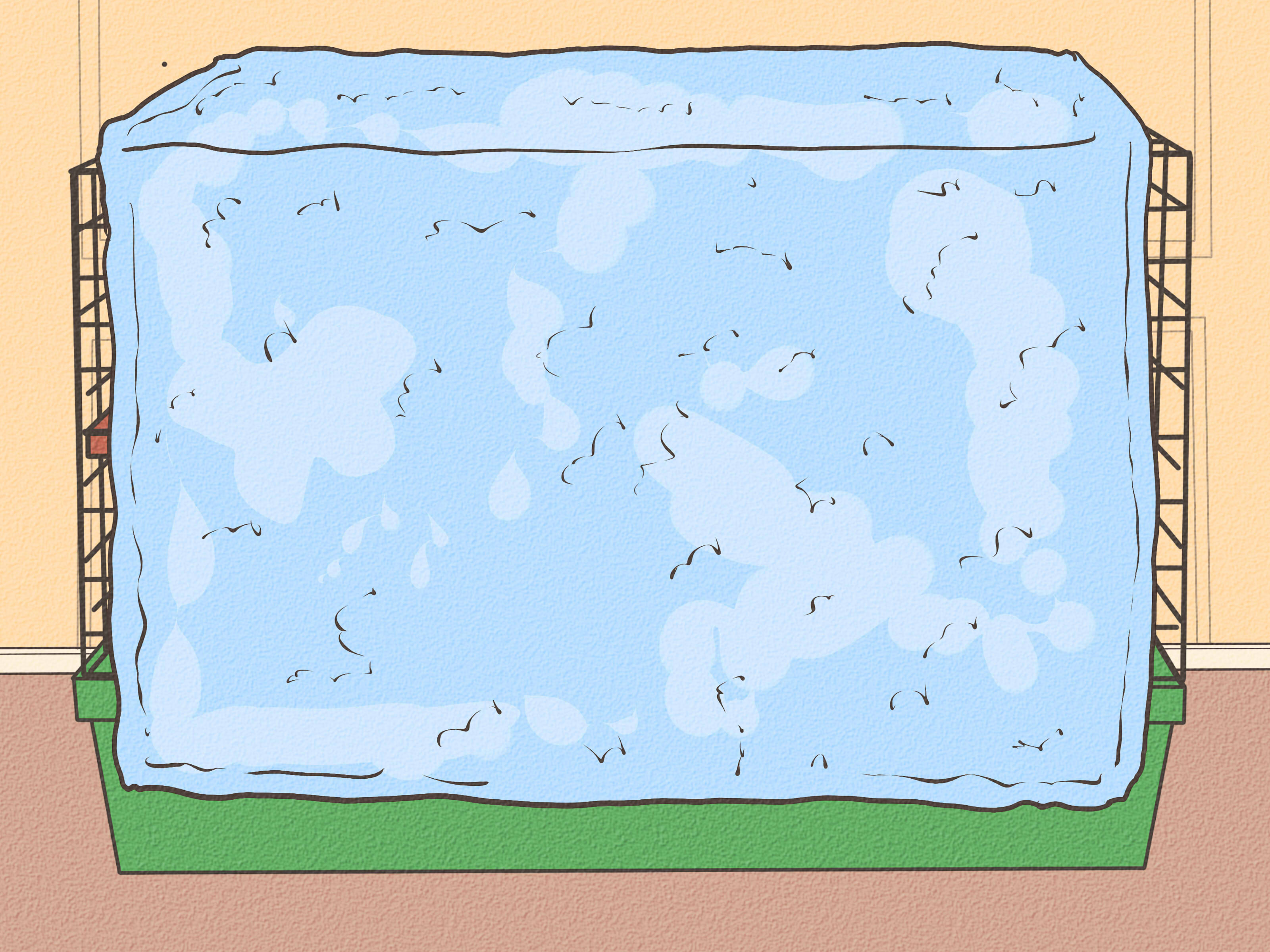
Hamsters may look like tiny, fluffy couch potatoes with whiskers, but they are surprisingly sensitive to heat. In hot weather, a hamster cannot simply take off its fur coat, pour itself iced tea, and complain dramatically in front of a fan like the rest of us. Instead, your little pet depends on you to keep the room safe, the cage comfortable, and the water bottle working like a miniature hydration station.
Learning how to keep a hamster cool in hot weather is not just about comfort. It is a real health issue. Hamsters are small animals with fast metabolisms, and warm, stuffy rooms can quickly become dangerous. Heat stress can lead to dehydration, weakness, confusion, and in severe cases, heatstroke. The good news is that most overheating problems are preventable with smart cage placement, fresh water, cool hiding spots, and a little daily observation.
This guide explains 13 practical steps to keep your hamster cool during summer, heat waves, humid days, and those mysterious afternoons when your apartment suddenly feels like a toaster oven. You will also learn the warning signs of overheating, what not to do, and when to call a veterinarian.
Why Hamsters Overheat So Easily
Hamsters are desert-adapted animals, but that does not mean pet hamsters enjoy extreme heat. In the wild, they often avoid the hottest part of the day by staying underground in cooler burrows. In a home cage, they cannot dig several feet below the earth and wait for the weather to calm down. Their safety depends on the environment you create.
Most hamsters do best in a stable, moderate room temperature. A comfortable range is often around 65°F to 75°F, with some care references allowing up to about 79°F. Once the room climbs toward 80°F or higher, especially with poor airflow or humidity, your hamster may struggle to regulate body temperature. Young, elderly, overweight, sick, pregnant, or long-haired hamsters may be even more vulnerable.
Heat stress can happen faster than many owners expect. A cage near a sunny window, a closed bedroom during a heat wave, or an unventilated plastic enclosure can trap warmth. Even a few hours of high heat can turn a normal cage into a tiny sauna, and your hamster did not sign up for a spa membership.
Signs Your Hamster Is Too Hot
Before the 13 cooling steps, know the symptoms. A hot hamster may lie flat against the cage floor, sleep in the open instead of inside a nest, breathe faster than usual, seem weak, refuse food, drink more, look confused, or have a damp-looking coat. More serious warning signs include drooling, panting, wobbling, collapse, seizures, unresponsiveness, or a floppy body.
If you suspect heatstroke, move your hamster to a cooler area right away and contact an exotic-pet veterinarian or emergency vet. Do not shock the hamster with ice-cold water. Sudden chilling can cause more stress. The goal is gentle cooling and urgent professional advice.
How to Keep a Hamster Cool in Hot Weather: 13 Steps
1. Move the Cage Away From Direct Sunlight
The first rule of hamster summer care is simple: sunlight and hamster cages are not best friends. A cage that looks shaded in the morning may be roasting by afternoon as the sun shifts. Glass tanks and plastic cages can trap heat especially quickly.
Place the enclosure in a cool interior room away from windows, sliding doors, heaters, ovens, laundry machines, and electronics that release heat. A shaded corner of a living room, bedroom, or hallway is often better than a bright window area. Check the cage at different times of day to make sure it never gets direct sun.
2. Keep the Room Temperature Stable
Use a room thermometer near the enclosure, not across the room where the temperature may be different. Your goal is a stable, comfortable range, ideally around 65°F to 75°F. If your home regularly reaches 80°F or higher, create a cooling plan before the next heat wave arrives.
Air conditioning is the safest and most reliable option during extreme heat. If you do not have central air, consider using a portable air conditioner in the hamster’s room. Keep the temperature comfortable, not freezing. Hamsters dislike sudden temperature swings, so avoid turning the room into a refrigerator with bedding.
3. Improve Airflow Without Blasting the Cage
A fan can help circulate air in the room, but it should not blow directly into the cage. Direct drafts can stress your hamster, dry out the environment, and make sleeping uncomfortable. Think “gentle room airflow,” not “tiny wind tunnel.”
Point the fan toward a wall, across the room, or above the enclosure so air moves without hitting your hamster directly. If the cage has poor ventilation, such as a mostly enclosed plastic habitat, consider upgrading to a well-ventilated cage with safe bar spacing and a solid floor.
4. Provide Fresh, Cool Water at All Times
Hydration is one of the most important ways to keep a hamster safe in hot weather. Check the water bottle at least twice daily during summer. Make sure the nozzle is not blocked, the bottle is not leaking empty, and your hamster can reach it easily.
Refill with fresh, cool water. Do not use ice-cold water as the only option, and do not add sugary drinks, sports drinks, or flavored liquids. A hamster does not need a beach mocktail; plain clean water is best. If your hamster is old or unwell, you may also provide a shallow, stable water dish as a backup, but keep it clean and avoid deep bowls that could cause accidents.
5. Add a Ceramic Tile or Cooling Surface
A ceramic tile, smooth stone slab, or hamster-safe ceramic hide can create a naturally cool resting area. Place it in the cage where your hamster can choose to use it. Many hamsters will stretch out on the cool surface when they feel warm, looking like a tiny melted pancake with ears.
Choose materials that are smooth, clean, heavy enough not to tip, and free of sharp edges. You can chill a ceramic tile briefly in the refrigerator, but do not freeze it solid. The surface should feel cool, not painfully cold.
6. Use Frozen Water Bottles Outside the Cage
A frozen water bottle can help cool the air around part of the enclosure, but it should be used safely. Fill a bottle with water, freeze it, wrap it in a towel, and place it outside the cage against one side. This creates a cooler zone without putting chewable plastic inside the enclosure.
Never place a frozen plastic bottle directly inside the cage where your hamster can chew it. Also avoid cooling the entire cage at once. Your hamster needs a choice: one cooler area and one normal area. That way, your pet can move away if it feels too cold.
7. Offer a Cool, Dark Hideout
Hamsters feel safer when they have hideouts, and in hot weather a good hide can also help them rest comfortably. Ceramic hides are useful because they stay cooler than many plastic houses. Wooden hides can be cozy, but they may hold warmth depending on the room conditions.
Make sure the hideout has enough ventilation and does not become a stuffy little oven. Avoid small enclosed plastic houses during heat waves if they trap warm air. A hide should feel like a peaceful burrow, not a microwave with a door.
8. Reduce Excess Bedding Without Removing Burrowing Comfort
Deep bedding is important for hamster enrichment because it allows natural burrowing. However, in very hot weather, an overly packed nest can become too warm, especially if the cage is already in a hot room. You do not need to remove all bedding, but you can help by offering lighter nesting options and checking that the enclosure has cooler open areas.
Use safe paper-based bedding or other hamster-safe materials. Avoid fluffy cotton nesting products, which can cause tangling, choking, or digestive blockage if swallowed. Give your hamster enough bedding to burrow, but make sure it can also rest on a cooler surface.
9. Keep the Cage Clean and Dry
Heat and humidity can make odors, bacteria, and damp bedding worse. A clean cage supports respiratory health and comfort. Spot-clean wet areas daily, remove spoiled fresh food, and keep the water area dry.
Do not do a full deep clean too often unless necessary, because removing all familiar scents can stress your hamster. Instead, clean strategically. During hot weather, focus on damp bedding, old food, dirty sand baths, and water leaks. A dry cage is a cooler, healthier cage.
10. Give Small Amounts of Safe Watery Foods
Fresh vegetables with high water content can support hydration, but moderation is key. Tiny portions of cucumber, zucchini, romaine lettuce, or a small piece of seedless bell pepper may be enjoyed by many hamsters. Introduce any fresh food slowly to avoid digestive upset.
Do not overload your hamster with watery foods. Too much fresh produce can cause diarrhea, which increases dehydration risk. Remove leftovers quickly, especially in warm weather. Your hamster’s main diet should still be a balanced hamster food, with fresh treats offered carefully.
11. Avoid Handling During the Hottest Hours
Handling can raise stress and body temperature, especially if your hands are warm or the room is hot. During heat waves, keep playtime short and avoid waking your hamster in the middle of the day. Hamsters are usually most active in the evening or at night, when the room may be cooler.
If you need to check your hamster, do it gently and briefly. Watch behavior rather than forcing interaction. A hamster that is already warm may not appreciate being scooped up for a “quick cuddle,” even if your intentions are adorable.
12. Never Leave a Hamster in a Hot Car or Outdoor Area
Cars heat up dangerously fast, even with windows cracked. A hamster in a travel carrier has very little protection against rising temperatures. If you must transport your hamster to the vet during hot weather, cool the car before bringing the hamster inside, keep the carrier shaded, and go directly to your destination.
Outdoor playpens, porches, sheds, garages, and balconies can also become unsafe quickly. Hamsters should live indoors in a temperature-controlled space. “Just for a few minutes” can become risky when the weather is hot.
13. Prepare an Emergency Heat Plan
Do not wait until the room is already hot to figure out what to do. Create a simple plan: know the coolest room in your home, keep extra water bottles ready to freeze, have a thermometer near the cage, and save the phone number of an exotic-pet veterinarian.
If the power goes out during a heat wave, move the cage to the coolest safe room, close curtains, use wrapped frozen bottles outside the cage, and avoid unnecessary handling. If your hamster shows serious symptoms such as collapse, drooling, seizures, or unresponsiveness, seek veterinary help immediately.
What Not to Do When Cooling a Hamster
Some cooling tricks can be dangerous. Do not put your hamster in cold water or give it a bath to cool down. Hamsters are not swimming-pool pets, and wet fur can cause stress, chilling, and skin problems. Do not place ice directly inside the cage where it can create wet bedding or sudden cold spots.
Do not point a strong fan directly at the cage. Do not use essential oils, cooling sprays, menthol products, or human cooling gels around your hamster. Many scented products can irritate small animals. Do not change the cage temperature dramatically in a short time. Gentle, steady cooling is safer.
Best Cage Setup for Summer Comfort
A summer-friendly hamster cage has good ventilation, safe bedding, clean water, shaded placement, and multiple microclimates. Microclimates simply means your hamster has choices. One area can be slightly cooler with a ceramic tile, another can have bedding for burrowing, and another can hold food and water.
Avoid overcrowding the cage with plastic tunnels that trap warm air. Make sure hides and accessories do not block airflow. If you use a glass tank, a secure mesh lid is important for ventilation. If you use a barred cage, ensure the bar spacing is safe for your hamster species. Dwarf hamsters can squeeze through surprisingly small gaps, because apparently their bones are part magic.
When to Call a Veterinarian
Call a veterinarian if your hamster seems weak, disoriented, limp, unusually still, drooling, breathing with difficulty, refusing to move, or having seizures. Also call if your hamster stops eating or drinking, develops diarrhea after watery foods, or does not return to normal after being moved to a cooler area.
Because hamsters are prey animals, they often hide illness until it becomes serious. A “wait and see” approach can be risky. If your gut says something is wrong, treat it as important. A quick call to an exotic-pet vet can make the difference between a scary afternoon and an emergency.
Extra Experience-Based Tips for Keeping a Hamster Cool
One of the most useful habits during summer is checking the cage with your own body senses, not just the weather app. Stand near the enclosure in the afternoon. Does the room feel stuffy? Is the air still? Does the cage wall feel warm? Is light hitting one side of the habitat? Many overheating problems start quietly, and the earlier you notice them, the easier they are to fix.
A practical summer routine might look like this: in the morning, refill the water bottle and check the thermometer. Around midday, close curtains or blinds before the sun hits the room. In the afternoon, check whether the cage area is still shaded. In the evening, remove leftover vegetables and confirm that the water bottle is still working. This takes only a few minutes, but it gives your hamster a much safer day.
Many owners find that ceramic accessories are the unsung heroes of hot-weather hamster care. A ceramic mug laid safely on its side, a ceramic hide, or a smooth tile can become your hamster’s favorite cooling lounge. The key is to make sure the item cannot roll, trap the hamster, or create sharp edges. Your hamster should be able to enter, leave, and ignore it completely. Choice matters.
Another helpful experience is learning your hamster’s normal behavior. Some hamsters naturally sleep in odd places. Some love burrowing so much they seem to vanish into another dimension. Others sprawl out dramatically for no obvious reason. When you know your hamster’s usual habits, you can spot real changes faster. A hamster that suddenly sleeps in the open, moves slowly, ignores favorite treats, or breathes rapidly may be telling you the room is too warm.
During a heat wave, it is also wise to think beyond the cage. Appliances, sun exposure, and room layout all matter. A cage beside a computer desk may absorb heat from electronics. A cage near a kitchen may warm up when the oven runs. A cage close to a window may get hot even if the curtain is partly closed. Moving the cage just a few feet can sometimes make a major difference.
If your home gets humid, cooling can be trickier. Humidity makes warm air feel heavier and can slow evaporation. In that case, air conditioning or a dehumidifier may help the room feel safer and more comfortable. Keep humidity moderate, avoid damp bedding, and clean wet spots quickly. A humid cage with old food is basically a five-star resort for bacteria, and bacteria do not pay rent.
Power outages are another real-world challenge. Keep a few water bottles frozen during summer so you can place wrapped bottles outside the cage if the air conditioning stops. Have a travel carrier ready in case you need to move your hamster to a cooler location, such as a trusted friend’s home. Planning ahead is much easier than panicking while holding a flashlight and apologizing to a confused rodent.
Finally, remember that cooling is about balance. Your goal is not to make your hamster cold. It is to prevent dangerous heat while allowing natural behavior. Keep the room stable, provide options, watch for warning signs, and avoid extreme fixes. A comfortable hamster will eat, drink, groom, explore, burrow, and use its wheel during normal active hours. That is your reward: a tiny pet living its best life, one sunflower seed and one cool ceramic tile at a time.
Conclusion
Keeping a hamster cool in hot weather is a mix of prevention, observation, and common sense. Place the cage away from sunlight, keep the room within a safe temperature range, provide fresh water, improve airflow, and create cool resting zones with ceramic tiles or wrapped frozen bottles outside the cage. Most importantly, learn the signs of overheating and act quickly if your hamster seems weak, confused, limp, or distressed.
Your hamster may be small, but its comfort deserves big attention. With a thoughtful summer setup, you can help your furry friend stay safe, healthy, and pleasantly cool even when the weather outside is doing its best impression of a pizza oven.