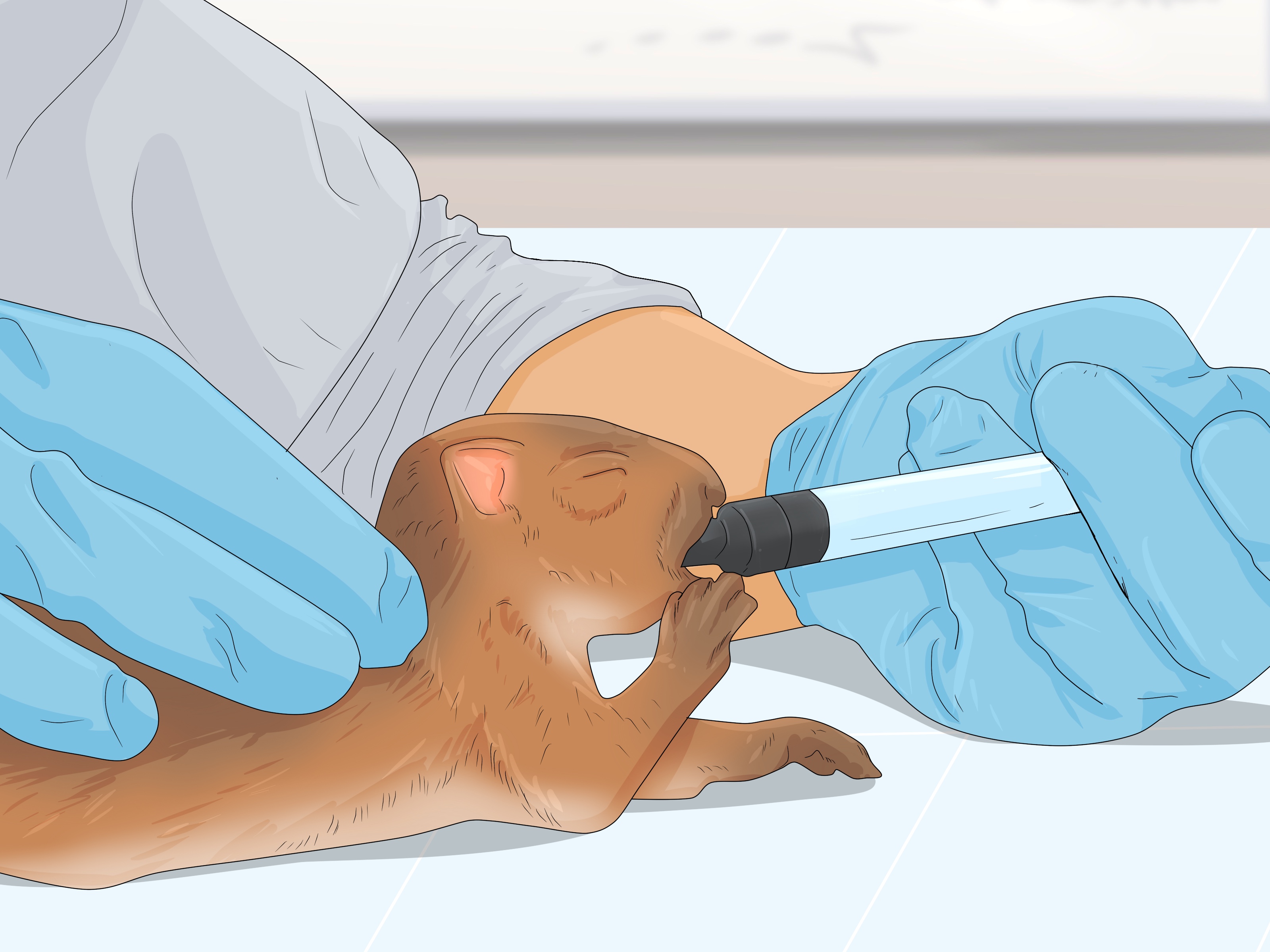
Let’s start with the truth no cartoon sidekick ever tells you: squirrels are adorable, clever, acrobatic, and about as naturally suited to life in a living room as a skateboard is to a bathtub. So if you came here hoping for a cute-and-cuddly fantasy about a tiny nut-loving roommate who sits on your shoulder and politely nibbles almonds, I owe you a reality check with a smile. In most cases, the best answer to how to keep a pet squirrel is this: you usually shouldn’t keep a wild squirrel as a pet at all.
That does not make squirrels bad animals. It makes them wild animals. And wild animals come with wild-animal needs: legal issues, specialized care, unpredictable behavior, strong teeth, fast reflexes, and a deep desire to do squirrel things on squirrel terms. The goal of this guide is to give you the honest, useful, SEO-friendly version: what the law often looks like, why wild-caught squirrels are a terrible idea, what responsible care would involve in the rare legal situation, and what to do instead if you simply love squirrels and want them in your life.
First Things First: Is It Legal to Keep a Pet Squirrel?
This is the first hurdle, and it is a big one. In the United States, squirrel ownership laws are a patchwork. Some states prohibit or tightly restrict keeping native wildlife. Some require permits. Some make distinctions between native squirrels, captive-bred squirrels, and injured or orphaned wildlife. In other words, “my cousin’s friend had one” is not legal advice. It is just a sentence that often ends with a fine, a confiscated animal, or both.
If you are serious about the topic, your first stop should be your state wildlife agency, then your local municipality, and then your landlord or HOA if relevant. Yes, this is less exciting than buying a tiny hammock. But it is also much more useful. A squirrel that is legal in one place may be illegal in another. A captive-bred squirrel from a lawful source may be treated very differently from a squirrel taken from the wild. And if the animal is injured, orphaned, or rescued from your yard, that usually triggers a completely different legal category.
Here is the plain-English version: never assume that finding a baby squirrel gives you permission to keep it. It does not. “Found in my backyard” is not the same thing as “legally mine.” Wildlife laws are not sentimental, and squirrels do not come with adoption paperwork hidden under their tails.
Why Wild Squirrels Usually Make Terrible Pets
They Are Not Domesticated
Dogs have been shaped over generations to live with people. Cats have, at minimum, agreed to a strategic alliance involving couches and snacks. Squirrels have done no such thing. Even a squirrel raised around humans is still operating on wild instincts. That means startling easily, chewing aggressively, climbing everything, guarding food, reacting quickly, and often resisting the kind of predictable, cuddly interaction people expect from traditional pets.
They Need More Than a Cage and Good Intentions
A squirrel does not thrive because someone bought premium snacks and a cute enclosure. Proper squirrel care, where legal, requires species-specific housing, climbing opportunities, chewing materials, environmental enrichment, safe handling practices, and veterinary support from an exotic animal professional. That is already a lot, and we have not even gotten to the daily mess, property damage, and emotional labor of caring for an animal that would generally rather be free than politely posing for family photos.
They Can Bite, Scratch, and Create Safety Problems
Squirrels are fast and powerful for their size. They can injure people when frightened, cornered, or overstimulated. Their bites and scratches are not little cartoon boops. Even a small squirrel can do real damage, especially to hands, fingers, ears, and curious faces that get a little too close. That means households with young children, elderly adults, or people with weakened immune systems should be especially cautious around any nontraditional animal.
They Are Tiny Interior Designers With No Respect for Your Deposit
If you somehow picture a squirrel as a low-maintenance pet, please imagine the opposite. Chewed trim. Shredded curtains. Hidden food caches. Sudden launches from shelves. A mysterious stash of walnuts behind the couch. Squirrels are energetic, investigative, and gloriously unbothered by the idea that your electronics are expensive. A bored squirrel can turn a peaceful room into a DIY demolition reel before your coffee cools down.
The One Rule You Should Never Break: Do Not Take a Squirrel From the Wild
If a squirrel is healthy and living outdoors, leave it there. A wild squirrel belongs outside, where it can climb, forage, build nests, avoid predators using its own instincts, and live the life it was built to live. Taking a squirrel from the wild is not kind. It is disruptive, often illegal, and usually harmful to the animal.
This point matters even more with baby squirrels. People often assume a baby alone on the ground has been abandoned and needs a human savior. Sometimes that is true. Very often, it is not. The mother may be nearby, the baby may have fallen from the nest, or the situation may be temporary. If the animal is injured, weak, cold, bleeding, or clearly orphaned, contact a licensed wildlife rehabilitator. That is the right move. Not “I watched two videos, so now I’m a squirrel parent.” Rehab is skilled work, not a weekend personality trait.
If Keeping a Squirrel Is Legal Where You Live, What Would Responsible Ownership Require?
Let’s say you have done the homework, checked the law, and learned that a legally sourced, captive-bred squirrel may be allowed in your area. That still does not mean it is a good idea. But it does mean you should think like a responsible caretaker instead of a social media collector.
1. Confirm the Animal’s Legal Source
Only consider a squirrel that comes from a lawful, documented source if your state allows ownership at all. A “rescued” squirrel offered in a parking lot is not a responsible source. Neither is “my neighbor found it.” Ask for documentation, ask about origin, and ask whether the breeder or facility complies with your state’s rules. If those questions annoy the seller, congratulations, you just learned something important.
2. Find an Exotic Veterinarian Before the Animal Comes Home
This is not optional. One of the biggest mistakes people make with unusual pets is buying first and Googling second. A squirrel may require veterinary care that many general small-animal clinics do not provide. If you cannot identify an exotic vet willing and able to see the animal, you are not ready. That sounds harsh, but not as harsh as an emergency happening at 9:40 p.m. while you are frantically calling every clinic within 40 miles.
3. Plan for Space, Enrichment, and Constant Activity
Squirrels are climbers, gnawers, explorers, and foragers. A cramped setup is a recipe for stress and destructive behavior. Any legal captive squirrel would need a secure environment designed for movement, not just containment. Think vertical space, climbing branches, safe chew items, mental stimulation, hiding places, and rotation of enrichment so the animal does not spend its time plotting your downfall out of boredom.
4. Understand That Diet Is Not “A Bowl of Mixed Nuts”
This is where many well-meaning people go wrong. Squirrels may enjoy nuts, but a squirrel diet cannot be reduced to “tiny woodland charcuterie.” Nutritional balance matters. Improvised feeding can cause major health problems. Anyone keeping a legal squirrel should get species-specific diet guidance from an exotic veterinarian or qualified, lawful source and follow it carefully. Internet guesses are not nutrition plans.
5. Expect Daily Cleaning and Daily Interaction
A squirrel is not décor. It is not a novelty. It is not something you interact with when you feel cute and ignore when you feel busy. Proper care means daily attention, sanitation, observation, and structured routine. Changes in appetite, energy, droppings, chewing behavior, or movement can signal trouble. If your lifestyle is chaotic, your pet squirrel will likely become chaotic too. And trust me, squirrels already come with enough natural enthusiasm.
What About Health Risks?
Any animal can carry germs, and wild rodents deserve extra caution. Bites and scratches can become infected. Contact with saliva, urine, bedding, or waste can create health concerns. That does not mean squirrels are automatic disease machines, but it does mean you should take hygiene seriously and never treat a wild animal like a plush toy with opinions.
Rabies is often the first fear people mention. In the United States, squirrels are rarely associated with rabies transmission to humans, but “rare” is not the same thing as “ignore the bite and move on with your day.” If a squirrel bites or scratches someone, wash the area thoroughly and seek medical guidance. A professional can assess the actual risk and tell you what to do next. The smart move is boring, prompt, and very uncinematic.
What to Do If You Find an Injured or Orphaned Squirrel
This is where good intentions matter most. If the squirrel appears injured, cold, lethargic, bleeding, or in immediate danger, contact a licensed wildlife rehabilitator as soon as possible. Keep the animal warm, dark, quiet, and away from children and pets while waiting for guidance. Do not force-feed it. Do not give it random milk. Do not improvise a nursery because you once kept a hamster alive for nine months in middle school.
If you are not sure whom to call, contact a local wildlife agency, animal control office, humane organization, veterinarian, or a wildlife help resource such as Animal Help Now. The goal is to get the squirrel to someone trained, permitted, and equipped for wildlife care. Your role is temporary support, not permanent possession.
The Better Alternative: Love Squirrels Without Owning One
If what you really love is watching squirrels, feeding your curiosity, and having more wildlife around your home, there is a far better option than trying to keep one as a pet: make your yard or outdoor space squirrel-friendly in responsible ways.
Create a Safe Wildlife-Friendly Space
Plant native trees and shrubs. Provide fresh water. Keep trash secured. Keep pets from harassing wildlife. Skip hand-feeding. Avoid turning your porch into an all-you-can-eat buffet that teaches animals to rely on people. The goal is to support natural behavior, not replace it with a backyard dependency program.
Become the Cool Person Who Knows a Rehabber
Want a meaningful squirrel connection? Support wildlife rehab organizations. Donate supplies. Volunteer if allowed. Learn what healthy squirrel behavior looks like. Help neighbors understand when an animal truly needs help and when it simply needs space. That kind of involvement is less glamorous than saying “I own a squirrel,” but it is far more useful to actual squirrels.
So, Should You Keep a Pet Squirrel?
For most people, no. And not a soft no, either. A clear, practical, slightly exasperated no. Squirrels are fascinating animals, but fascination is not the same thing as suitability. Between legal restrictions, wildlife welfare, specialized care, veterinary challenges, household risks, and the animal’s own natural instincts, a squirrel is usually a poor fit for private pet life.
If your state allows a legally sourced, captive-bred squirrel and you are determined to explore the possibility, treat the decision like a serious long-term commitment. Talk to your wildlife agency. Talk to an exotic vet. Research enclosure standards, nutrition, and behavior. Prepare your budget, your schedule, and your home. And then ask yourself one more question: do I want this because it is best for the animal, or because it sounds unusual and cute? That question does a lot of heavy lifting.
In the end, the most squirrel-loving thing you can do is respect what a squirrel is. Not a quirky pocket pet. Not a fuzzy conversation starter. Not a social media prop. A wild, brilliant, busy little animal that deserves a life built for squirrel business, not human convenience.
Real-World Experiences: What People Learn About Squirrels the Hard Way
Here is the part people rarely admit at the beginning: the experience of trying to keep a squirrel is usually much more intense, messy, and emotionally complicated than expected. The fantasy starts with a baby face, tiny paws, and the idea that you are about to star in a heartwarming woodland friendship story. The reality often begins around sunrise, when the squirrel is already awake, already moving, and already making it very clear that your schedule is not its concern.
People who have cared for squirrels legally, temporarily, or under professional direction often describe the same pattern. The animal is brilliant. Curious. Funny. Shockingly athletic. It learns routines quickly, recognizes voices, and can seem almost magically expressive. That is the hook. It makes people think, “See? We’ve bonded. This is basically a tiny dog with a better tail.” Then the harder truth arrives: intelligence without domestication does not automatically become easy companionship. It often becomes chaos with eye contact.
A squirrel may dart across furniture, launch onto curtains, inspect every shelf, and chew things you did not even realize were chewable. It may stash food in shoes, in blankets, behind books, or under cushions like a furry little emergency planner preparing for the collapse of civilization. It may act affectionate one moment and wildly offended the next. This does not make the squirrel “mean.” It makes the squirrel a squirrel.
Another common experience is how emotionally demanding the care can feel. People worry about appetite, hydration, droppings, environmental safety, and whether the animal is bored, stressed, under-stimulated, overstimulated, or plotting a jailbreak. They discover that finding veterinary help is harder than expected. They realize that visitors do not understand boundaries. They learn that “Please do not grab the squirrel” is a sentence that should not need to be said as often as it does.
Then there is the guilt factor. This is the quiet part many people do not talk about. Once the novelty wears off, caretakers often notice how much of the squirrel’s natural life is missing indoors. No broad canopy. No true foraging range. No nest high in a tree. No easy way to express every instinct that a wild animal is wired to express. Even with good care, that awareness can sit heavily on a person who genuinely loves the animal.
The most honest experience-based lesson is this: people fall in love with squirrels because squirrels are amazing. But the same qualities that make them amazing to watch outdoors often make them difficult to keep indoors. If you admire their speed, independence, cleverness, and stubborn little confidence, the kindest conclusion may be to enjoy those traits from a respectful distance. Sometimes love looks less like ownership and more like leaving wild things wild.
Conclusion
If you have been wondering how to keep a pet squirrel, the responsible answer is not a trendy shortcut or a viral hack. It is a careful decision shaped by law, ethics, animal welfare, veterinary reality, and your willingness to put the squirrel’s needs above the novelty factor. For most people, that means not keeping one at all. Admire squirrels, protect squirrels, help injured squirrels get to licensed professionals, and let healthy squirrels stay exactly where nature intended: outside, busy, fast, dramatic, and completely convinced they own the place.