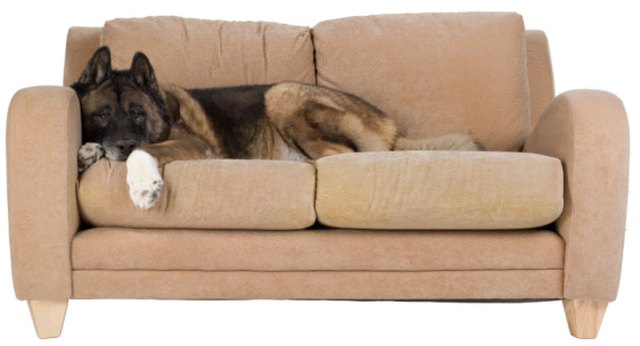
If your pet cover slides off your couch every time your dog blinks, your cat stretches, or one human dares to sit down with a bowl of popcorn, welcome to the club. A couch cover is supposed to protect your sofa from fur, claws, drool, muddy paws, snack crumbs, and the mysterious glitter-like substance known as “pet life.” But when it keeps bunching, sagging, and drifting toward the floor like a lazy blanket on vacation, it becomes less of a protector and more of a daily wrestling opponent.
The good news? You do not need to replace your couch, banish your pet, or develop Olympic-level tucking skills. The real trick is combining the right pet cover, the right grip system, and a few habits that keep everything neat without turning your living room into a furniture science lab. This guide explains how to keep a pet cover on your couch using simple, practical methods that work for sofas, loveseats, sectionals, recliners, leather couches, fabric couches, and homes where the dog believes the couch is legally theirs.
Why Your Pet Cover Keeps Sliding Off the Couch
Before fixing the problem, it helps to understand why the cover is moving in the first place. Most pet couch covers slip because they are fighting three powerful forces: smooth upholstery, restless pets, and gravity. Gravity is rude, but reliable.
Loose quilted protectors, thin throws, and one-size-fits-most slipcovers often shift because they do not have enough friction against the sofa fabric. Leather and faux leather make the problem worse because they are naturally slick. If your pet jumps onto the couch at full speed, digs before lying down, circles three times like a tiny furry weather system, or launches off the cushions after spotting a squirrel, the cover has no chance unless it is anchored.
Another common reason is poor fit. A cover that is too small will pop out of the seams. A cover that is too large will create extra fabric that bunches and slides. The sweet spot is a cover that reaches the couch edges, tucks into the creases, and has enough structure to stay flat under movement.
Start With the Right Pet Couch Cover
The easiest way to keep a pet cover on your couch is to choose one designed to stay in place. Not every blanket deserves the title “sofa protector.” Some are just decorative throws with big dreams.
Look for Non-Slip Backing
A non-slip sofa cover usually has a grippy backing, rubber dots, silicone texture, or a suede-like underside that helps it hold onto the couch. This matters especially if your couch is leather, smooth microfiber, or tightly woven performance fabric. A plain cotton throw may look cozy, but it can slide like a sled on a snowy hill.
Choose Machine-Washable Fabric
Pet covers should be easy to wash. Dogs track in dirt. Cats shed enough hair to knit a backup cat. Pets nap, drool, snack, lick, and occasionally act like the couch is a private spa. A machine-washable couch cover saves time and keeps odors from settling into the actual sofa.
Polyester, microfiber, quilted blends, cotton canvas, and stretch polyester-spandex blends are popular choices because they balance durability, comfort, and cleaning convenience. If your pet sheds heavily, avoid fabrics that trap hair like velvet or fuzzy fleece unless you enjoy lint rolling as a lifestyle.
Measure Before Buying
Measure the seat width, back height, arm width, cushion depth, and total sofa length. For sectionals, measure each section separately. Many slipping problems begin when people buy a “standard sofa cover” for a couch that is absolutely not standard. Sofas are like jeans: the label may say medium, but reality has opinions.
Use Furniture Tuckers or Foam Anchors
Foam anchors, sometimes called tuck grips or sofa tuckers, are one of the simplest tools for keeping a pet cover in place. These are long foam tubes or strips that you push into the gaps between the seat cushions, arms, and backrest. They wedge the cover into the couch creases so the fabric cannot easily pull out.
To use them, spread the pet cover evenly over the couch. Smooth the fabric from the center outward. Then push the foam anchors deep into the cushion gaps. Focus on the back crease first, then the side creases near the arms. If your dog likes to leap onto the same cushion every day, add extra anchoring in that high-traffic zone.
If your cover did not come with foam anchors, you can buy replacement foam rods or use rolled towels in a pinch. Towels are not as sleek, but they work well for testing whether anchoring solves the problem before you buy anything.
Add a Non-Slip Pad Under the Cover
A non-slip pad is one of the best fixes for a couch cover that keeps slipping. You can use a rug gripper pad, shelf liner, yoga mat material, or a furniture-specific anti-slip mat. Cut it slightly smaller than the seat area so it stays hidden under the pet cover.
This method works by adding friction. Instead of fabric sliding directly over upholstery, the cover grips against the pad. For leather couches, this step can make a dramatic difference. Just make sure the pad is safe for your sofa material. Some rubber products may leave marks on certain leather or faux leather finishes, so test a small hidden area first.
For best results, place one non-slip pad on the seat cushions and another along the backrest if the cover climbs up the back of the couch. Smooth the cover over the pads and tuck the edges firmly into the seams.
Try Adjustable Straps
Many pet couch covers come with elastic straps that wrap around the back of the sofa or loop around the front corners. If yours has straps, use them. If it does not, you can buy adjustable furniture straps separately.
Straps are especially helpful for recliners, loveseats, and couches with rounded arms. They pull the fabric snugly across the furniture and reduce loose areas that pets can kick, scratch, or drag out of place. The key is to tighten the straps enough to hold the cover but not so much that the fabric strains or pops up when someone sits down.
If your sofa floats in the middle of the room, visible straps may bother you. In that case, choose straps in a color close to your couch, or use a fitted slipcover style instead of a loose protector.
Use Hook-and-Loop Strips for Serious Grip
Hook-and-loop fasteners, commonly known as Velcro-style strips, can keep a stubborn couch cover from shifting. This method is best for people who are comfortable making a semi-permanent adjustment.
Attach one side of the strip to the underside of the pet cover and the matching side to a hidden part of the sofa, such as under the cushion edge or along the back frame. When aligned properly, the strips hold the cover in place even when pets climb, turn, and settle down.
Use fabric-safe adhesive strips when possible, and test before committing. Some adhesives may not bond well to textured fabric or may leave residue. For washable covers, sew-on strips are more durable than adhesive strips because repeated laundering can weaken glue.
Secure the Cover With Upholstery Pins or Twist Pins
Upholstery twist pins look like tiny corkscrews with clear heads. They can secure slipcovers and furniture covers without being obvious. You twist them through the cover and into the couch fabric, usually along the arms, back, or lower edges.
This is a useful method for fabric couches, but avoid using pins on leather, faux leather, delicate upholstery, or any sofa material that punctures easily. Also skip pins if your pet chews, paws aggressively, or might pull them loose. Safety comes first; a perfect-looking couch is not worth creating a tiny shiny snack hazard.
Fix the Fit With a Better Tucking Method
Sometimes the cover itself is fine; the problem is the way it is installed. A quick toss-over rarely works for active pet homes. Use this method instead:
- Remove pillows, blankets, toys, and loose pet hair from the couch.
- Center the pet cover over the sofa before tucking anything.
- Smooth the cover from the middle of the seat toward the arms.
- Tuck the back edge deeply into the crease behind the cushions.
- Tuck the side edges near the arms.
- Add foam anchors or rolled towels into the creases.
- Sit on each cushion once to settle the fabric.
- Retuck any loose sections after the first use.
That final retuck matters. Covers often loosen after the first sit because the fabric relaxes. Think of it as breaking in new shoes, except the shoes are a couch and the athlete is a Labrador.
Choose the Best Cover Style for Your Couch Type
For Leather Couches
Leather is beautiful, durable, and wonderfully easy to wipe clean. It is also slippery. For leather sofas, use a pet cover with a non-slip backing plus a separate gripper pad underneath. Avoid rough rubber pads unless the manufacturer says they are safe for leather. A fitted stretch slipcover may stay better than a flat quilted throw.
For Fabric Sofas
Fabric couches usually provide more grip than leather, but loose covers can still bunch. Foam anchors and hook-and-loop strips work well here. If your sofa has removable cushions, individual cushion covers may stay neater than one large cover.
For Sectionals
Sectionals need sectional-specific covers. A single large blanket usually shifts because each seat moves differently. Look for separate pieces for the chaise, corner, and regular seats. Multi-piece covers take longer to install, but they stay in place better and look less like your living room lost a fabric fight.
For Recliners
Recliners are tricky because the furniture moves. Choose a recliner pet cover with elastic straps and separate arm, back, and footrest sections. Avoid thick tucks near moving parts, and check that the cover does not interfere with the reclining mechanism.
Train Your Pet to Use the Covered Area
Even the best pet cover will struggle if your pet treats it like a chew toy, tunnel, or blanket fort. A little positive training helps keep the cover where it belongs.
Reward your pet for lying calmly on the covered part of the couch. Use a favorite blanket, mat, or small pet bed on top of the cover to create an obvious “this is your spot” zone. For dogs, commands like “place,” “off,” or “down” can help reduce frantic jumping and digging. For cats, provide a scratching post or pad near the couch so the sofa cover does not become the main entertainment center.
The goal is not to make your pet feel unwelcome. The goal is to help them understand where to relax so your couch cover does not become a moving target.
Reduce Pet Hair Before It Reaches the Couch
Keeping the cover in place is easier when it is not overloaded with fur. Heavy pet hair can make fabrics slick, clumpy, and harder to tuck. Groom your pet regularly, especially during shedding season. Brush dogs outdoors when weather allows. Brush cats gently and consistently, unless your cat believes grooming is a personal insult.
Vacuum the couch and cover weekly with an upholstery attachment. Use a lint roller, reusable pet hair brush, damp rubber glove, or fabric squeegee for quick touch-ups. Before washing the pet cover, remove as much hair as possible so your washing machine does not become a fur aquarium.
Wash and Dry the Cover Correctly
A clean cover stays in place better than a stiff, dirty, hair-packed one. Always check the care label first. Wash machine-washable covers in cool or warm water, depending on the instructions. Avoid too much detergent because residue can make fabric feel slick or attract more dirt.
Air drying is often safer for covers with waterproof layers, backing, elastic, or grip dots. High heat can damage rubberized backing, shrink fabric, or weaken straps. If the cover allows tumble drying, use low heat. Reinstall the cover only when fully dry, because damp fabric can stretch and sag.
When to Replace Your Pet Cover
Even a good pet cover has a lifespan. Replace it when the backing loses grip, elastic straps stretch out, waterproof layers crack, seams tear, or the fabric no longer lies flat after washing. If you constantly retuck the same old cover, it may not be your technique. It may simply be retirement time. Let the old cover become a car blanket, crate liner, or emergency muddy-paw towel. Every hero deserves a second act.
Quick Troubleshooting Guide
The cover slides forward every time someone sits down.
Add a non-slip pad under the seat area and tuck the back edge deeper into the cushion crease. Foam anchors will help hold the tension.
The cover pops out of the arms.
Use twist pins on fabric sofas or adjustable straps around the sides. For leather, use a fitted cover instead of pins.
The dog keeps digging the cover loose.
Add a small washable pet blanket or mat on top of the cover where your dog prefers to lie. Reward calm settling and redirect digging to a dog bed.
The cat keeps scratching the cover.
Place a scratching post near the couch and reward your cat for using it. Choose a tightly woven cover that resists snags better than loose knits.
The cover looks messy even when it stays on.
Try a fitted stretch slipcover or individual cushion covers. Loose protectors are practical, but fitted options usually look cleaner.
Best Practical Combination for Most Homes
For most pet owners, the winning setup is simple: a machine-washable pet cover with non-slip backing, a gripper pad underneath, foam anchors in the creases, and regular weekly cleaning. If your pet is extra energetic, add adjustable straps. If your couch is fabric and you want a stronger hold, use hook-and-loop strips in hidden areas.
This layered approach works because it solves the problem from multiple angles. The cover protects the couch. The pad adds friction. The anchors prevent pulling. The straps keep the cover snug. The cleaning routine removes the fur and grit that make everything harder. It is not fancy, but it worksand unlike yelling “stay!” at a blanket, it does not make you question your life choices.
Real-Life Experience: What Actually Works Day After Day
In real homes, the best solution is rarely one magic product. It is usually a small system. For example, imagine a family with a golden retriever who considers the sofa his evening throne. At first, they use a quilted pet cover with no backing. It looks nice for about four minutes. Then the dog hops up, turns in circles, flops down, and the whole thing slides into a sad fabric wave. The humans retuck it every night. The dog remains emotionally unavailable for comment.
The first improvement is adding a non-slip rug pad under the cover. Suddenly, the cover stays flatter. It still shifts a little, but not every time someone sits down. Next, they push foam anchors into the back and side creases. Now the cover holds through normal lounging. The dog can nap, stretch, and sigh dramatically without destroying the setup.
Then comes the final lesson: washing matters. After two weeks, the cover starts sliding again. Not because the system failed, but because pet hair has collected underneath. Once the cover is washed, the couch is vacuumed, and the gripper pad is shaken clean, everything works again. The “slipping problem” was partly a cleaning problem wearing a disguise.
Cat owners often learn a different lesson. A loose cover can tempt cats because it creates folds, tunnels, and scratchable edges. A fitted stretch cover or individual cushion covers usually work better. Adding a scratching post near the couch also helps because it gives the cat a better option. Cats do not always obey, of course. They negotiate. But if the scratching post is sturdy, tall enough, and placed where the cat already likes to stretch, the couch cover has a much better chance.
For leather couch owners, the experience is all about grip. A beautiful leather sofa can make a pet cover slide like it is on roller skates. The best fix is a soft, leather-safe gripper layer underneath the cover. Straps help too, but the underlayer is the real hero. Without it, even a premium cover can migrate forward. With it, the cover stays put and the leather stays protected from claws, moisture, and everyday pet chaos.
Another practical lesson: keep a small “pet couch kit” nearby. This can include a lint roller, reusable hair remover, extra foam anchor, small towel, and upholstery-safe spray. When the cover starts looking messy, a two-minute reset keeps it from becoming a weekend project. Smooth, tuck, roll off the hair, and move on with your life. The couch does not need a full makeover every day; it just needs tiny maintenance before the mess starts building an empire.
The most realistic expectation is not perfection. A pet cover will still need occasional adjusting. Pets are living creatures, not decorative pillows with legs. But with the right setup, you should not have to rebuild the couch every time your dog naps or your cat performs a sunrise gymnastics routine. A good cover system turns constant frustration into quick maintenance, and that is the real victory.
Conclusion
Learning how to keep your pet cover on your couch comes down to fit, friction, anchoring, and routine. Start with a machine-washable cover that fits your sofa properly. Add a non-slip pad if the couch is slick. Use foam anchors or tuck grips to hold the fabric in the creases. Add straps, hook-and-loop strips, or upholstery pins when extra security is needed. Then support the whole setup with regular grooming, vacuuming, and washing.
Your couch can be comfortable, clean, and pet-friendly without looking like it is losing a battle against a blanket. With the right system, your pet gets a cozy place to lounge, your sofa gets protection, and you get fewer moments of standing in the living room muttering, “How is this cover on the floor again?” That is what experts call domestic peaceor at least the closest version available when fur is involved.