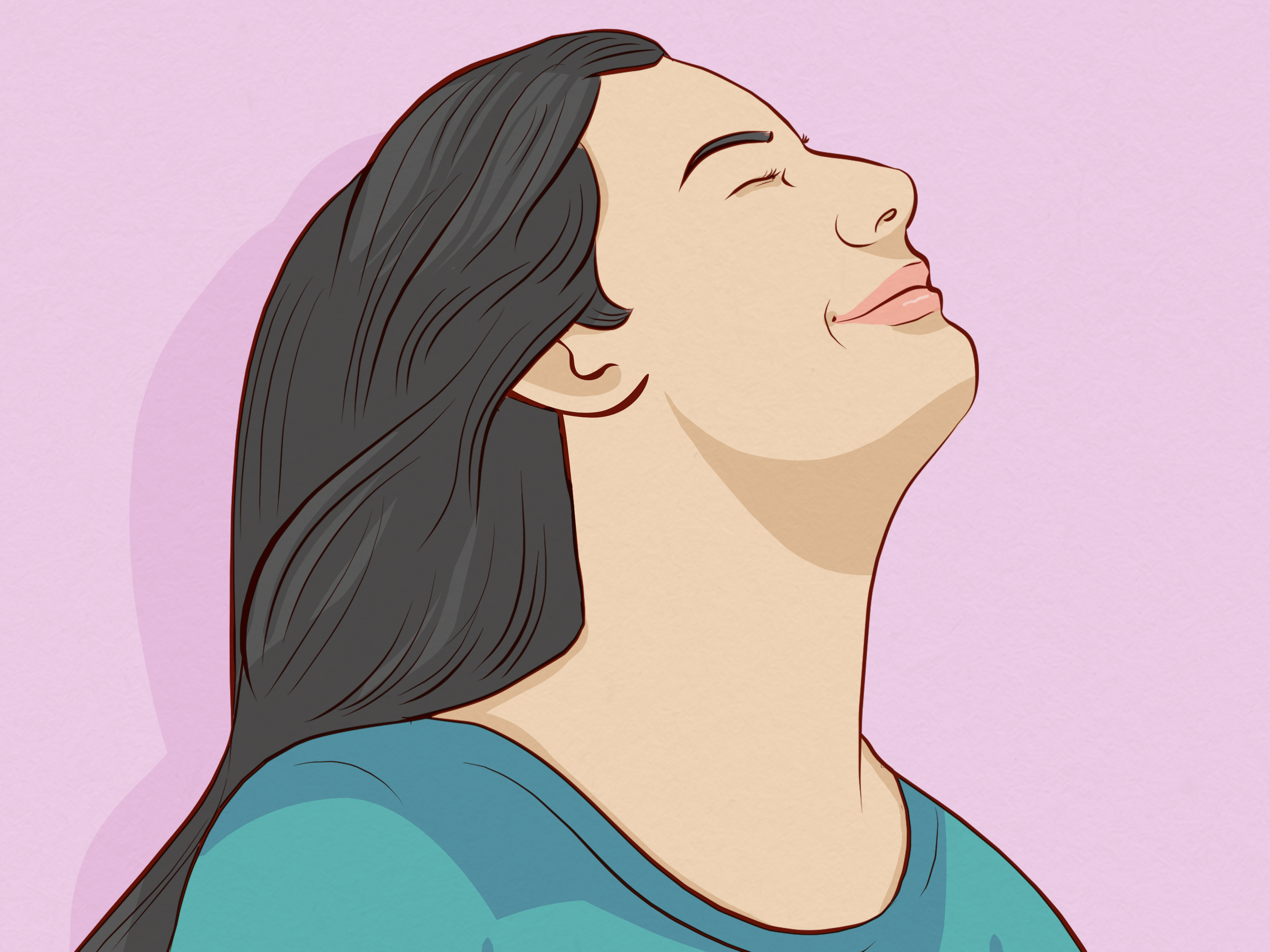
Beauty is not a secret password whispered by people with perfect lighting and suspiciously cooperative hair. It is a mix of healthy habits, personal style, kindness, confidence, grooming, and the magical ability to stop comparing yourself to someone who has a ring light, a filter, and possibly three professional assistants. If you want to know how to look beautiful, the smartest place to begin is not with a drawer full of expensive products. It is with a routine that helps you look fresh, feel comfortable, and show up as yourself.
The truth is simple: people often look their best when they look cared for, rested, clean, expressive, and confident. A beautiful appearance is usually built from small daily choices: washing your face gently, wearing sunscreen, caring for your hair, choosing clothes that fit, standing tall, smiling naturally, and treating your body like it is on your team. This guide gives practical, healthy, and realistic beauty tips that work for many lifestyles, budgets, skin types, and personalities.
What Does It Really Mean to Look Beautiful?
Looking beautiful does not mean looking like one specific person, one trend, or one edited image on social media. Beauty changes across cultures, decades, and personal preferences. What remains timeless is health, self-respect, good grooming, and confidence. A person who looks comfortable in their own skin usually appears more attractive than someone chasing every trend like a squirrel chasing a shiny object.
Think of beauty as a complete impression. Your skin, hair, smile, posture, clothes, scent, voice, and attitude all work together. You do not need perfection. In fact, perfection can look stiff. Real beauty has life in it: a laugh line, a favorite jacket, a hairstyle that moves, a smile that reaches the eyes, and a presence that says, “I know who I am, and yes, I did remember deodorant.”
Start With Healthy, Glowing Skin
Build a simple skin-care routine
Healthy skin is one of the fastest ways to look fresh and polished. The best routine is not always the longest one. For most people, a basic skin-care routine includes a gentle cleanser, moisturizer, and sunscreen in the morning. At night, cleansing and moisturizing again can help remove sweat, oil, sunscreen, makeup, and the mysterious dust of daily life.
Choose products based on your skin type. If your skin feels tight or flaky, look for moisturizing ingredients and avoid harsh scrubs. If your skin is oily, use lightweight, non-comedogenic products that do not clog pores. If your skin is sensitive, fragrance-free formulas are often a safer choice. The goal is not to attack your face like it owes you money. The goal is to support your skin barrier so your face can do its job.
Use sunscreen like your future self is watching
Sunscreen is one of the most important beauty products because it protects against sunburn, uneven tone, dark spots, and early visible aging. Look for broad-spectrum sunscreen and apply it to exposed skin every day, even when the sky looks moody. Reapply when you sweat, swim, or spend long periods outdoors. A hat and sunglasses also help, and they make you look like someone who owns a vacation home, even if you are just walking to the grocery store.
Do not over-exfoliate
Exfoliation can help skin look smoother, but too much can cause redness, stinging, dryness, or breakouts. If you use exfoliating acids, retinoids, or scrubs, introduce them slowly. More is not always better. Your skin is not a kitchen floor; it does not need to be polished aggressively every Tuesday.
Make Hair Care Work for Your Real Life
Wash based on your scalp, not someone else’s schedule
Beautiful hair begins at the scalp. Some people need to wash daily because their scalp gets oily quickly. Others can wash less often, especially if their hair is dry, curly, textured, color-treated, or chemically processed. The best schedule is the one that keeps your scalp comfortable and your hair manageable.
When shampooing, focus on the scalp rather than rubbing shampoo through the entire length of your hair. The ends are older and more fragile, so they usually need gentler treatment. Conditioner helps reduce tangles, dryness, and frizz. If your hair is fine, apply conditioner mostly to the ends. If your hair is curly, dry, or textured, it may benefit from conditioner through more of the length.
Choose a hairstyle that supports your features and lifestyle
A flattering hairstyle does not need to be complicated. The best cut is one that works with your face shape, hair texture, morning schedule, and patience level. If your hair needs forty-seven steps before school, work, or errands, it may be a hobby, not a hairstyle.
Small changes can make a big difference: trimming split ends, shaping layers, defining curls, smoothing flyaways, or choosing a part that balances your face. Hair color can also brighten your look, but maintenance matters. A beautiful style should make you feel like yourself, not like you have accepted a second job as your own unpaid hair assistant.
Care for Your Smile
A clean, healthy smile can instantly make you look brighter and more approachable. Brush twice daily with fluoride toothpaste, use a soft-bristled toothbrush, and replace it every three to four months or sooner if the bristles look tired. Flossing helps clean the areas a toothbrush cannot reach. It may not be glamorous, but neither is having spinach introduce itself during a conversation.
Whitening products can help some people, but they are not required for beauty. Natural tooth color varies, and ultra-white teeth can look unrealistic. Focus first on fresh breath, clean teeth, healthy gums, and regular dental checkups. A genuine smile is more attractive than a forced one, especially if it appears at the right moment and not while someone is explaining tax forms.
Dress in a Way That Makes You Look Put Together
Fit matters more than price
You do not need designer clothes to look beautiful. Fit, cleanliness, and coordination matter much more than the label. A simple outfit that fits well usually looks better than an expensive outfit that pulls, gaps, drags, or makes you walk like you are negotiating with fabric.
Start with basics: clean shoes, neat clothing, good proportions, and colors that make you feel alive. If you are unsure where to begin, choose one polished element: a structured jacket, a clean white shirt, well-fitting jeans, a simple dress, or tidy sneakers. Then build around it.
Use color strategically
Color can change your whole appearance. Some people glow in warm colors like coral, olive, cream, or camel. Others look great in cool tones like navy, lavender, gray, or emerald. You do not need a full color analysis to experiment. Hold different colors near your face in natural light. If your skin looks brighter and your eyes look clearer, that color is probably working for you.
Keep your clothes fresh
Wrinkles, lint, loose threads, and stains can distract from an otherwise great look. A lint roller, steamer, and basic sewing kit can save more outfits than you might expect. Looking beautiful often comes down to looking intentional. Nobody needs to know you made the decision five minutes before leaving.
Use Makeup as a Tool, Not a Mask
Makeup can be fun, creative, and confidence-boosting, but it should not feel like a requirement for being seen. If you enjoy makeup, focus on enhancing what you like. A tinted moisturizer, curled lashes, groomed brows, cream blush, lip balm, or soft lipstick can create a fresh look without feeling heavy.
For everyday beauty, the “less but better” approach often works well. Blend foundation carefully, choose a shade that matches your skin, and avoid piling powder on dry areas. If your eyes are the focus, keep lips softer. If lips are bold, keep the rest simple. Balance makes makeup look modern and effortless, even if you definitely spent eleven minutes trying to make both eyeliner wings related.
Eat, Drink, and Move for Energy
Beauty is connected to how you feel. A balanced eating pattern with fruits, vegetables, whole grains, protein foods, healthy fats, and enough water supports your body from the inside. This is not about restrictive dieting or chasing a certain body size. It is about giving your body the materials it needs to repair, grow, think, move, and not dramatically crash at 3 p.m.
Protein supports hair, skin, nails, and muscles. Fruits and vegetables provide vitamins, minerals, fiber, and antioxidants. Healthy fats from foods like nuts, seeds, avocado, olive oil, and fish can help support overall health. Water matters too, especially if you are active, live in a hot climate, or spend time outdoors.
Movement also improves how you carry yourself. Walking, dancing, stretching, swimming, cycling, sports, or strength training can help you feel more energetic and confident. Choose movement you actually like. If you hate running, you do not need to become a tragic movie character sprinting through emotional fog. Try something else.
Sleep: The Underrated Beauty Filter
Sleep is not just “rest.” It is maintenance mode for your brain and body. When you sleep well, you often look more alert, think more clearly, manage stress better, and feel more emotionally balanced. Poor sleep can make anyone look dull, puffy, irritated, or like they have been arguing with a raccoon.
Improve your sleep by keeping a consistent bedtime and wake time when possible. Dim bright screens before bed, keep your room cool and comfortable, and build a calming routine. That could mean reading, stretching, journaling, listening to quiet music, or doing breathing exercises. If sleep problems continue, it is worth speaking with a healthcare professional.
Confidence Changes Everything
Confidence is not arrogance. It is quiet self-trust. It shows in your posture, eye contact, voice, and the way you move through a room. You can look more beautiful instantly by standing tall, relaxing your shoulders, lifting your chin slightly, and walking like you are not apologizing for taking up space.
One powerful habit is to stop insulting yourself casually. Many people say things about themselves that they would never say to a friend. Replace “I look terrible” with “I am tired today, but I can still take care of myself.” Replace “I hate my face” with “I am learning what helps me feel good.” The words you repeat become the atmosphere you live in.
Limit Comparison, Especially Online
Social media can be inspiring, but it can also distort your idea of normal. Photos are posed, filtered, edited, and selected from dozens of attempts. Even “no-makeup” selfies may involve perfect lighting, professional treatments, and a phone camera that has chosen diplomacy over truth.
If certain accounts make you feel worse about yourself, mute or unfollow them. Fill your feed with people who show style, creativity, humor, skill, and real life. Beauty should inspire you, not make you feel like a failed science project.
Practice Good Hygiene and Personal Scent
Good hygiene is basic, but it is powerful. Shower regularly, wear clean clothes, use deodorant if you need it, and keep nails trimmed and clean. A light fragrance can be lovely, but do not apply so much that people can sense your arrival before your text message sends. Fresh, subtle, and clean usually wins.
Hand care matters too. Moisturize your hands, care for your cuticles gently, and keep nails neat. You do not need elaborate manicures. Clean, healthy nails look elegant at any length.
Develop Your Signature Beauty Style
A signature style makes beauty feel personal. Maybe your thing is glossy hair, red lipstick, soft sweaters, gold earrings, clean sneakers, bold glasses, fresh skin, or a favorite scent. When you repeat a few details that feel like you, people remember them.
Do not copy trends blindly. Try them, edit them, and keep what fits. The most beautiful style is not the loudest one. It is the one that makes you feel natural, comfortable, and a little more excited to leave the house.
Common Beauty Mistakes to Avoid
Trying to change everything at once
Big beauty overhauls often fail because they are exhausting. Start with one or two habits: sunscreen every morning, better sleep, a haircut, cleaner shoes, or a simple skin-care routine. Consistency beats chaos.
Buying products instead of building habits
Products can help, but they cannot replace sleep, hygiene, balanced meals, movement, and confidence. A fancy serum will not fix a lifestyle that runs entirely on stress and iced coffee.
Ignoring comfort
If shoes hurt, clothes pinch, makeup irritates, or hair products make your scalp itch, your discomfort will show. Beauty should not feel like punishment. Choose comfort whenever possible.
Real-Life Experiences: What Actually Helps You Look Beautiful
One of the biggest lessons about beauty is that small improvements often create the biggest results. Imagine someone who feels invisible and decides to change everything in one weekend. They buy ten skin-care products, cut their hair dramatically, order clothes in a totally new style, and attempt a complicated makeup routine from a tutorial made by someone with the hand stability of a surgeon. By Monday, their face is irritated, their closet is confused, and their eyeliner has emotionally resigned.
A better experience usually starts smaller. For example, someone might begin by drinking more water during the day, washing their face gently at night, and applying sunscreen every morning. After two weeks, their skin may feel calmer. Then they clean out clothes that do not fit well and create three simple outfits that always work. Suddenly, mornings feel easier. They are not “transformed” in a movie montage, but they look more polished because they are less rushed and more intentional.
Another common experience is realizing that hair shape matters more than hair length. A person may keep long hair for years because they believe long hair equals beauty. But if the ends are dry and the style has no movement, a few inches off plus face-framing layers can make the hair look fuller and healthier. The lesson is not “short hair is better” or “long hair is better.” The lesson is that healthy, cared-for hair usually looks better than hair kept a certain way out of habit.
Clothing experiences are similar. Many people think they need more clothes, when they actually need better combinations. A plain black top, well-fitting jeans, clean shoes, and simple earrings can look more beautiful than a trendy outfit that does not feel natural. When clothing fits your real body and real life, you stop adjusting it every three seconds. That ease becomes part of your beauty.
Confidence often grows through repetition. The first time you try a new style, you may feel awkward. The second time, less awkward. By the fifth time, it becomes yours. Beauty is not only what others see; it is also how familiar and comfortable you become with caring for yourself. The person who learns to sleep better, smile more freely, walk taller, and stop insulting their reflection will usually look more beautiful because they are no longer fighting themselves.
The most useful experience is this: beauty becomes easier when it is treated as self-care, not self-criticism. You are not fixing a broken object. You are maintaining a living person. You deserve routines that support you, clothes that respect your body, products that feel good, and standards that leave room for being human.
Conclusion
Learning how to look beautiful is not about becoming someone else. It is about caring for your skin, hair, smile, clothes, body, and mind in a way that makes you feel more alive and confident. Beauty grows from consistency, not perfection. A simple skin-care routine, daily sunscreen, clean hair, fresh breath, good sleep, balanced meals, comfortable clothes, and kind self-talk can do more than a pile of random products.
The best beauty advice is also the most freeing: choose habits that help you feel healthy, comfortable, and expressive. Trends will change, but self-respect never goes out of style. Wear the color, use the lip balm, brush the teeth, drink the water, sleep like you are charging a phone, and walk into the room like you belong there. Because you do.
Note: This article is for general beauty, grooming, and wellness education. It is not medical advice. Anyone with persistent skin, hair, nail, dental, sleep, or body-image concerns should speak with a qualified professional.