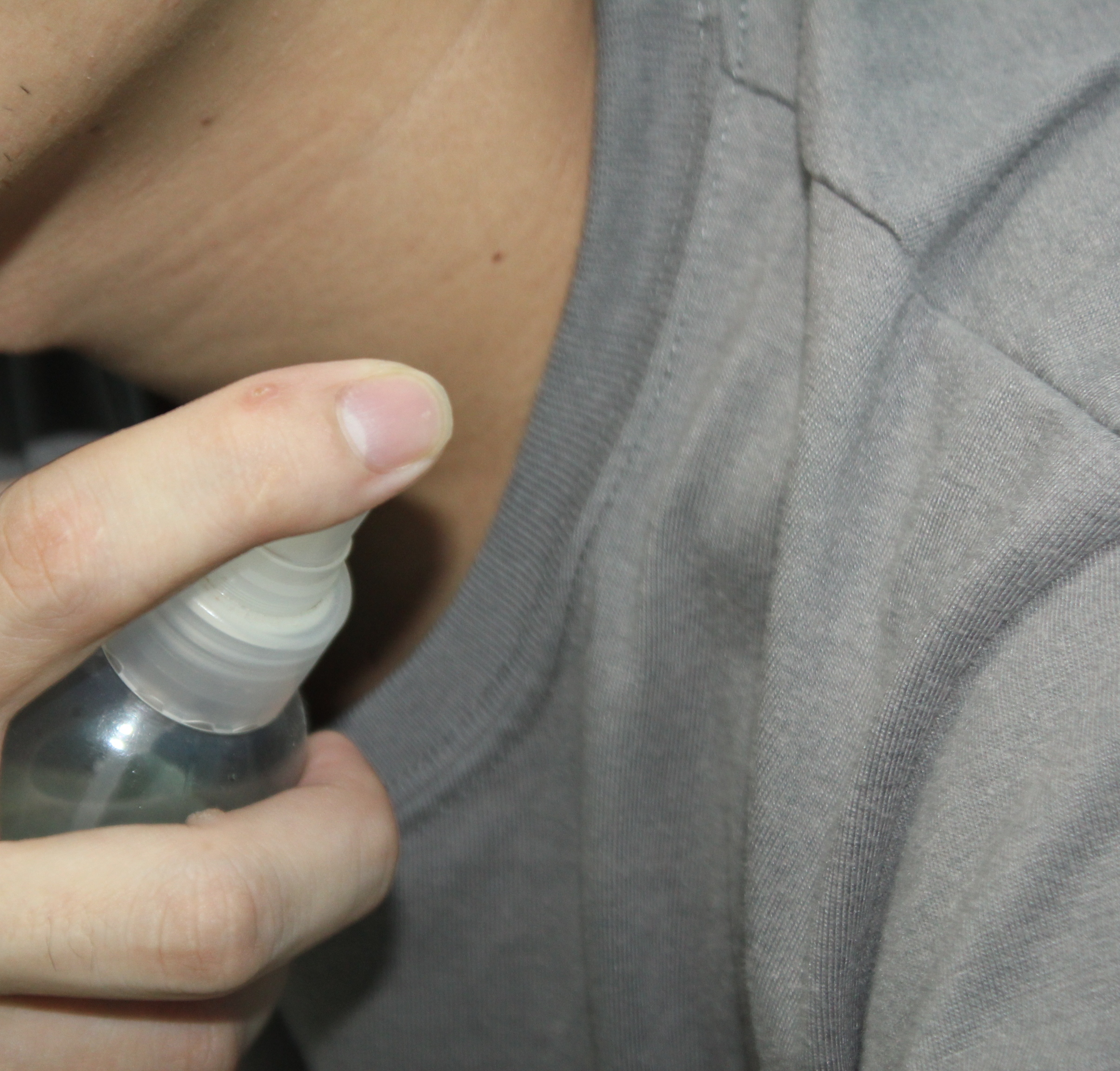
Good hygiene is not about smelling like a pine forest exploded in your bathroom. It is about looking fresh, feeling confident, protecting your skin, keeping your mouth healthy, and not accidentally becoming “that guy” in the elevator. A daily hygienic routine for men should be simple enough to follow before coffee, thorough enough to keep odor and irritation under control, and flexible enough for workdays, gym days, dates, travel, and lazy Sundays.
The best routine is not a 19-product grooming ceremony with dramatic lighting. It is a practical system: clean the areas that collect sweat, protect the parts exposed to the sun, brush and floss like you plan to keep your teeth, wear clean clothes, and pay attention when your body gives you clues. If your skin burns, your scalp flakes, your feet smell like a forgotten gym bag, or your razor leaves your neck looking like a crime scene, your routine needs a tune-up.
This guide breaks men’s hygiene into nine clear steps, using evidence-based personal care habits that are easy to repeat every day. Think of it as a maintenance plan for the human machineexcept the machine has armpits, facial hair, laundry, and a toothbrush that should not be older than some houseplants.
Why a Daily Hygiene Routine Matters for Men
Men often sweat more, shave more, use heavier styling products, and sometimes treat skincare like a suspicious foreign language. But hygiene affects more than appearance. A consistent men’s grooming routine can help reduce body odor, prevent clogged pores, support oral health, lower the risk of fungal problems in sweaty areas, and improve confidence in social and professional settings.
Body odor happens when sweat meets bacteria on the skin, especially in warm, high-sweat areas such as the underarms, feet, and groin. Good hygiene does not mean attacking your skin with the harshest soap available. It means washing strategically, drying thoroughly, wearing breathable clothing, and choosing products that match your skin and lifestyle.
Here is a simple, realistic, and effective daily hygienic routine for men in nine steps.
How to Make a Daily Hygienic Routine for Men: 9 Steps
Step 1: Start With Clean Hands
Handwashing is the foundation of personal hygiene. Your hands touch your phone, door handles, gym equipment, keyboards, money, pets, bathroom surfaces, and probably your face more often than you realize. Wash your hands with soap and water for at least 20 seconds, especially after using the bathroom, before eating, after coughing or sneezing, after touching garbage, and after handling pets or raw food.
A good handwashing routine is simple: wet, lather, scrub, rinse, and dry. Scrub the backs of your hands, between your fingers, and under your nails. The “under the nails” part is where germs like to hold small conferences. If soap and water are not available, use hand sanitizer with at least 60% alcohol, but do not treat sanitizer as a permanent replacement for real handwashing.
Make handwashing automatic. Before breakfast? Wash. After the restroom? Wash. Before touching your face, applying skincare, shaving, or handling contact lenses? Wash. Clean hands make the rest of your hygiene routine actually hygienic.
Step 2: Brush, Floss, and Freshen Your Breath
Oral hygiene is one of the biggest confidence boosters in a man’s daily routine. Brush your teeth twice a day for two minutes using fluoride toothpaste and a soft-bristled toothbrush. Replace your toothbrush every three to four months, or sooner if the bristles look like they have survived a bar fight.
Floss once a day, ideally at a time you can actually remember. Some men floss at night so food and plaque do not sit between the teeth while they sleep. Others floss after lunch. The best time is the time you will do consistently. Flossing helps clean areas your toothbrush cannot reach, especially between teeth and under the gumline.
Do not forget your tongue. Bacteria can build up there and contribute to bad breath. Use your toothbrush or a tongue scraper gently. Mouthwash can help, but it should not replace brushing and flossing. If your breath stays unpleasant despite good hygiene, consider dental issues, dry mouth, smoking, certain foods, or medical causes. In that case, a dentist is more useful than another mint.
Step 3: Shower Smart, Not Aggressively
Most men benefit from a daily shower, especially after sweating, exercising, working outdoors, or living in a hot climate. But showering is not a contest to see who can remove the most skin oils. Use warm water instead of very hot water, and choose a gentle cleanser that does not leave your skin tight, itchy, or flaky.
Focus on high-sweat and high-odor areas: underarms, groin, buttocks, feet, chest, back, and anywhere your clothing rubs. Wash thoroughly, then rinse well. Soap residue can irritate the skin, especially in folds and sensitive areas.
After showering, dry your body completely. This matters more than many men realize. Moisture trapped between toes, in the groin, under the belly, or around skin folds can encourage irritation and fungal growth. Pat dry with a clean towel instead of performing a violent towel-whipping ritual. Your skin is not a dirty windshield.
Step 4: Wash Your Face and Protect Your Skin
Men’s skincare does not have to be complicated. A basic daily skincare routine can include three steps: cleanse, moisturize, and protect. Wash your face with a gentle facial cleanser, especially in the morning, after sweating, and before bed if you have been exposed to sunscreen, pollution, or heavy products.
Moisturizer helps support the skin barrier and can reduce dryness, flaking, and irritation. Even oily skin may need moisturizer; the key is choosing a lightweight, non-comedogenic product that does not clog pores. If your skin is dry, use a richer cream. If your skin is sensitive, avoid heavy fragrance and harsh exfoliants.
Sunscreen is not optional just because your bathroom cabinet has a “rugged” personality. Use a broad-spectrum, water-resistant sunscreen with SPF 30 or higher on exposed skin when you go outside. Apply it to the face, ears, neck, and hands. If you spend time outdoors, sweat heavily, or swim, reapply as directed. Sun protection helps reduce sunburn, premature skin aging, and long-term skin damage.
Step 5: Manage Hair, Scalp, and Beard Hygiene
Hair hygiene depends on your hair type, scalp oiliness, styling products, and activity level. Some men need to shampoo daily; others do better every two or three days. If your scalp is oily, sweaty, or product-heavy, wash more often. If your hair is curly, coiled, dry, or textured, overwashing may cause dryness, so a gentler schedule may work better.
If you have dandruff, do not panic. Dandruff is common and is not automatically a sign of poor hygiene. Mild flakes may improve with regular gentle shampooing. Persistent dandruff may respond to medicated shampoos containing ingredients such as ketoconazole, selenium sulfide, zinc pyrithione, salicylic acid, or coal tar. Follow the label instructions, and give the product time to work.
Beards need care too. Wash your beard regularly, especially after eating, sweating, or using beard products. Dry it well, comb it, and use beard oil or moisturizer if the skin underneath gets dry or itchy. A beard should look intentional, not like it is storing emergency snacks.
Step 6: Shave and Groom Without Irritating Your Skin
Shaving is where many men accidentally sabotage their skin. Before shaving, wet your skin and facial hair with warm water to soften the hair. Use a moisturizing shaving cream or gel, and shave in the direction of hair growth. Rinse the blade after each swipe, and avoid stretching the skin too tightly.
If you get razor bumps, ingrown hairs, or razor burn, consider using a single-blade or double-blade razor instead of a multi-blade razor. Replace dull blades quickly. A dull razor drags, pulls, and irritates the skin, which is exactly the kind of drama your face did not request.
After shaving, rinse with cool water and apply a gentle moisturizer. Avoid alcohol-heavy aftershaves if they sting or dry your skin. That burning feeling is not “proof it is working”; sometimes it is just your skin filing a complaint.
Step 7: Control Body Odor With the Right Products
Deodorant and antiperspirant are not the same thing. Deodorant helps control odor, while antiperspirant reduces sweating. Many products do both. If you mainly deal with smell, deodorant may be enough. If you sweat heavily through shirts, an antiperspirant can be more useful.
Apply underarm products to clean, dry skin. If you use antiperspirant, many people get better results by applying it at night, when sweating is usually lower and the product has time to work. In the morning, you can reapply deodorant if needed.
If your body odor suddenly changes, becomes unusually strong, or does not improve with showering, clean clothes, and deodorant, pay attention. Diet, stress, medications, hormones, infections, and medical conditions can affect odor. Good hygiene fixes most everyday odor problems, but persistent changes may deserve a conversation with a healthcare professional.
Step 8: Keep the Groin Area Clean, Dry, and Comfortable
Groin hygiene is not glamorous, but it is extremely important. This area is warm, covered, and prone to sweat and friction. Wash the groin area daily with mild soap and water, then dry thoroughly before putting on underwear. Avoid harsh scrubbing and strongly fragranced products, which can irritate sensitive skin.
Wear clean underwear every day, and change again after workouts, heavy sweating, or swimming. Choose breathable fabrics and avoid tight clothing that traps heat and moisture. If you are prone to chafing, consider moisture-wicking underwear and an anti-chafe product designed for skin.
Jock itch is a common fungal infection that likes warm, moist environments. Keeping the area clean and dry, wearing loose-fitting underwear, and washing athletic supporters regularly can help reduce risk. If you develop itching, redness, scaling, or a rash that does not improve, use an appropriate over-the-counter antifungal or ask a healthcare professional for guidance.
Step 9: Take Care of Feet, Nails, Clothes, and Nighttime Reset
Feet are often the most neglected part of a men’s hygiene routine, which is unfair because they carry the whole operation. Wash your feet daily with soap and water, and dry carefully between the toes. Change socks every day, or more often if your feet sweat heavily. Rotate shoes so they can dry between wears, and use shower shoes in public locker rooms or communal showers.
Trim nails regularly with clean clippers. Cut fingernails straight across and slightly round the tips. Keep nails clean and dry, and do not bite them or tear at cuticles. Toenails should also be trimmed carefully to help reduce discomfort and snagging. If nails become thick, painful, discolored, or difficult to cut, consider seeing a podiatrist or dermatologist.
Clean clothes complete the routine. Wear a fresh shirt, underwear, and socks daily. Gym clothes should be washed after each sweaty workout. Towels should dry fully between uses and be washed regularly. Before bed, do a quick reset: brush, floss, wash your face if needed, apply moisturizer, set out clean clothes, and put used clothes in the hamper instead of building a laundry sculpture on the chair.
A Simple Morning and Night Hygiene Schedule
Morning Routine
Start with the basics: use the bathroom, wash your hands, brush your teeth, wash your face, shower if needed, apply deodorant or antiperspirant, moisturize, use sunscreen, style your hair, put on clean underwear, socks, and clothes, and check nails, beard edges, and breath before leaving.
After-Workout Routine
After exercise, do not sit around in sweaty clothes for hours. Shower or at least rinse off, dry thoroughly, change underwear and socks, and wash gym clothes. Your future selfand everyone within a six-foot radiuswill appreciate this act of civilization.
Night Routine
At night, brush and floss, wash your face if you used sunscreen or sweated, moisturize dry areas, apply antiperspirant if that works best for you, and prepare clean clothes for the next day. A good night routine makes the morning easier, which is helpful because mornings already have enough personality.
Common Mistakes Men Make With Hygiene
One common mistake is using too much fragrance to cover odor instead of cleaning the source. Cologne should be the final touch, not a witness protection program for body odor. Another mistake is skipping moisturizer because it seems unnecessary. Dry, irritated skin is more likely to feel uncomfortable, flake, and react badly to shaving.
Some men also ignore their feet until there is a problem. Foot odor, athlete’s foot, cracked skin, and thick toenails are easier to prevent than fix. Another classic mistake is using one towel forever. Towels collect moisture, dead skin cells, and bacteria, so let them dry fully and wash them often.
Finally, many men overcomplicate hygiene, buy too many products, and quit after a week. A daily hygienic routine works best when it is realistic. Start with the essentials, then add products only when they solve a real problem.
Experience Notes: What Actually Makes a Men’s Hygiene Routine Stick
The biggest lesson from real-life hygiene routines is that consistency beats intensity. A man may buy the best face wash, electric toothbrush, beard oil, body wash, moisturizer, sunscreen, foot powder, and a cologne that sounds like it was named after a mountain in a thunderstorm. But if he only uses them twice and then lets them gather dust, the routine has failed. The best daily routine is the one that fits into normal life without requiring a motivational speech.
One practical experience is to keep products where they are used. Put floss next to the toothbrush, not hidden in a drawer next to expired travel toothpaste. Keep deodorant near clean shirts. Place moisturizer and sunscreen by the sink. Keep nail clippers somewhere visible, not in the mysterious “miscellaneous cable drawer.” When products are easy to see and reach, habits become easier.
Another useful experience is to build hygiene around trigger moments. For example, brush after breakfast and before bed. Shower after the gym. Change socks when you get home from work if your feet sweat. Trim nails every Sunday night. Wash towels on laundry day. These small anchors remove decision-making. You are not debating hygiene; you are following a system.
Men who work physical jobs, exercise often, commute in hot weather, or wear boots all day may need a stronger routine than men who work from home in air conditioning. That does not mean one man is cleaner than another. It means routines should match sweat, environment, skin type, and schedule. A construction worker, nurse, chef, athlete, office worker, and college student may all need different shower timing, sock changes, and laundry habits.
Travel teaches another lesson: simplify. A small hygiene kit with toothbrush, toothpaste, floss, deodorant, razor, cleanser, moisturizer, sunscreen, nail clippers, and a few bandages can prevent chaos. Nobody wants to arrive at a business meeting with dragon breath, dry skin, and the realization that the hotel soap has the moisturizing power of sidewalk chalk.
The most underrated experience is learning your body’s signals. If your skin feels tight after showering, your water may be too hot or your soap too harsh. If your neck burns after shaving, your blade, technique, or shaving cream may need changing. If your feet smell even after washing, look at socks, shoes, drying time, and possible fungal issues. Hygiene is not about perfection; it is about paying attention and adjusting.
A good daily hygienic routine for men should make life smoother. You feel cleaner, clothes last longer, skin behaves better, breath improves, and confidence rises. It is not vanity. It is maintenance. And honestly, being well-maintained is a lot cheaper than trying to fix problems after ignoring them for months.
Conclusion
Creating a daily hygienic routine for men is not difficult, but it does require consistency. Start with clean hands, healthy teeth, smart showering, basic skincare, proper shaving, odor control, groin care, foot hygiene, nail care, and clean clothes. Keep the routine simple, repeatable, and realistic. The goal is not to become a bathroom influencer with twelve serums and a ring light. The goal is to feel fresh, stay healthy, and move through the day with quiet confidence.
When in doubt, remember this basic formula: wash what gets dirty, dry what gets damp, protect what sees the sun, replace what gets worn out, and do not use fragrance as a substitute for soap. Your routine does not need to be fancy. It just needs to work.