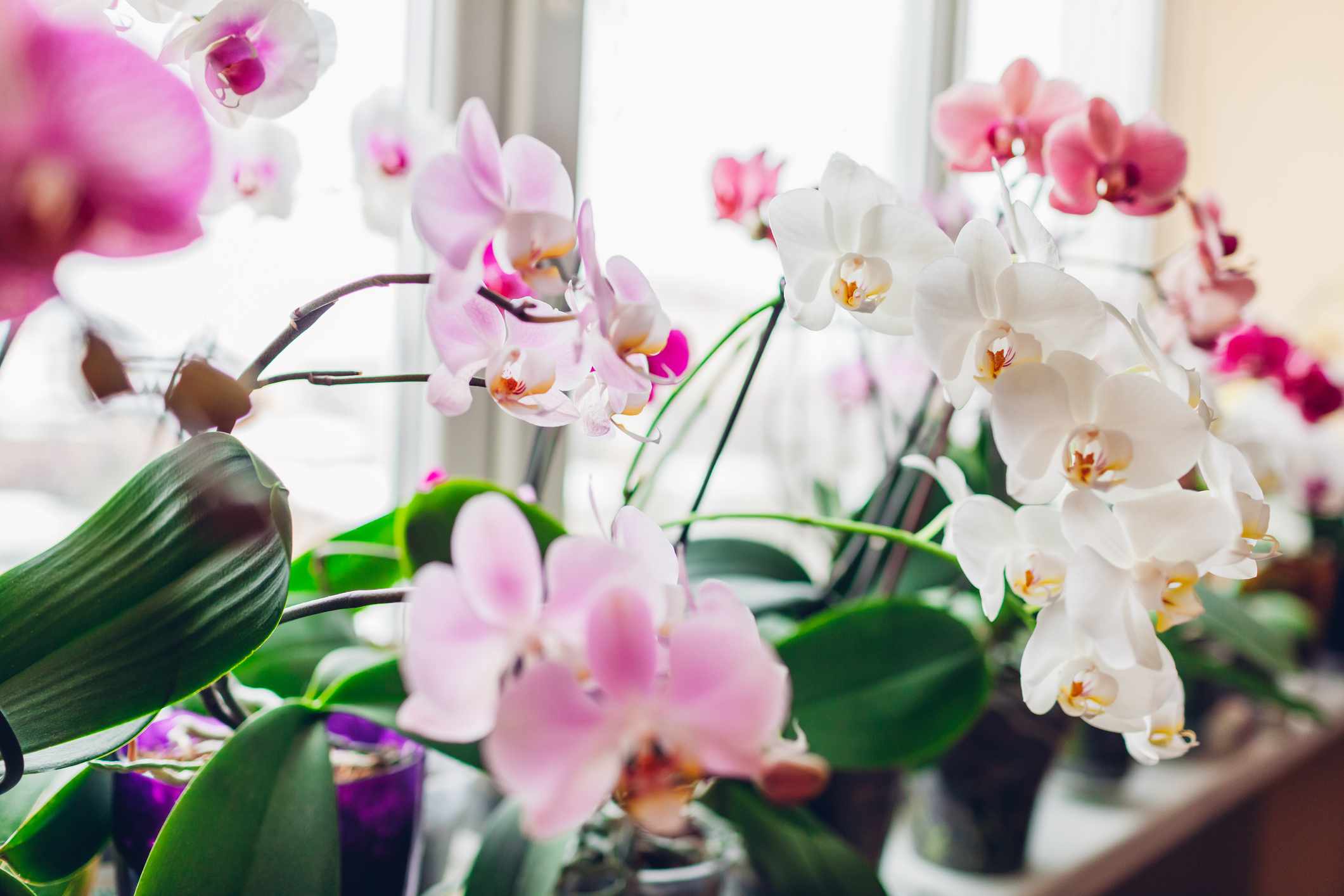
Few houseplants know how to test a gardener’s patience quite like an orchid. One month, it looks like a luxury hotel lobby centerpiece. The next, it is a pot of green leaves giving you absolutely no hints about its future plans. If you are staring at your orchid and wondering how to make it grow a new flower spike, you are in excellent company.
The good news is that orchids are not trying to be dramatic. Well, maybe a little. Most common indoor orchids, especially Phalaenopsis orchids, also called moth orchids, can rebloom when they receive the right balance of light, temperature, water, fertilizer, and rest. The trick is not to force the plant like a vending machine. Instead, your job is to create conditions that tell the orchid, “It is safe, healthy, and seasonally appropriate to bloom again.”
This guide explains how to encourage an orchid to grow a new flower spike, how to spot a spike before mistaking it for a root, and what to do when your plant is healthy but stubbornly flower-free. Think of it as orchid coaching, minus the whistle.
What Is an Orchid Flower Spike?
An orchid flower spike is the stem that produces buds and flowers. On a Phalaenopsis orchid, the spike usually grows from the side of the plant between the leaves. It starts small, often looking like a little green mitten or pointed nub. Over time, it lengthens, forms nodes, develops buds, and eventually rewards your patience with flowers.
A flower spike is different from an aerial root. This matters because many orchid owners see a new growth and immediately start planning the victory parade, only to realize it is a root doing root things. Aerial roots are usually rounder, thicker, and may have a silvery coating with a green tip. Flower spikes tend to be flatter, more pointed, and often grow upward or outward from between the leaves.
Start With the Right Orchid: Phalaenopsis Is the Usual Star
Most advice about making an orchid grow a new flower spike applies to Phalaenopsis orchids because they are the most common orchids sold as houseplants. They are popular for a reason: they tolerate indoor conditions well, bloom for weeks or months, and often rebloom with consistent care.
Other orchids, such as Cattleya, Dendrobium, Oncidium, and Cymbidium, may need slightly different light levels, temperature ranges, or seasonal cues. If you are not sure what kind you have, check the plant label, flower shape, or growth habit. A Phalaenopsis typically has broad, thick leaves growing from a central crown and arching flower spikes.
Give the Orchid Enough Bright, Indirect Light
If an orchid refuses to grow a new flower spike, poor light is one of the first suspects. Orchids need energy to bloom, and energy comes from light. Without enough light, your plant may grow leaves and roots, but it may not have the strength to produce flowers.
Place your orchid near a bright window with indirect light. An east-facing window is often ideal because it gives gentle morning sun. A south or west window can also work if the light is filtered with a sheer curtain. Direct afternoon sun may scorch the leaves, leaving pale patches that look like your orchid had a rough beach vacation without sunscreen.
How to Read Orchid Leaves for Light Clues
Healthy Phalaenopsis leaves are usually medium green. Very dark green leaves may mean the orchid is not getting enough light. Yellow-green leaves can be normal in bright conditions, but if they appear bleached, leathery, or burned, the plant may be receiving too much direct sun.
A simple test is to place your hand between the window and the plant. If the shadow is soft and fuzzy, the light is likely gentle enough. If the shadow is sharp and intense, the orchid may need protection from direct rays.
Use Cooler Nights to Trigger a New Flower Spike
For many Phalaenopsis orchids, a slight drop in nighttime temperature is the signal that encourages flower spike formation. After the plant has finished blooming and has had time to grow new leaves and roots, give it several weeks of cooler nights. A nighttime range around 55 to 65 degrees Fahrenheit often helps initiate a spike, while daytime temperatures can stay comfortably warmer.
This temperature difference mimics seasonal changes the plant would experience in nature. You do not need to freeze the poor thing. In fact, exposing a Phalaenopsis to temperatures below 55 degrees can stress or damage it. The goal is “cooler evening,” not “winter survival challenge.”
Easy Ways to Create a Nighttime Temperature Drop
Move the orchid closer to a bright window in fall, as long as the windowsill does not become icy. Another option is placing it in a cooler room at night and returning it to brighter light during the day. Keep it away from heating vents, air conditioners, drafty doors, and cold glass.
After a few weeks of cooler nights, watch the base of the leaves for a new spike. It may take time, so do not panic if nothing appears after three days. Orchids are not microwave popcorn.
Water Correctly: Moist, Not Miserable
Proper watering is essential if you want a new orchid flower spike. Orchids need moisture, but they also need air around their roots. Soggy potting mix can cause root rot, and a plant with damaged roots will struggle to bloom.
Water when the potting mix is nearly dry. For orchids grown in bark, this may be about once a week, depending on temperature, humidity, pot size, and airflow. Orchids in sphagnum moss may stay moist longer and need less frequent watering.
How to Water an Orchid the Right Way
Take the pot to the sink and water thoroughly with room-temperature water until it runs out of the drainage holes. Let the pot drain completely before placing it back in its decorative container. Never let the orchid sit in standing water. If the roots are trapped in a swamp, they will not send thank-you flowers.
Try to avoid leaving water in the crown, the center where the leaves meet. Water sitting there for long periods can contribute to rot. If water collects in the crown, blot it gently with a paper towel.
Feed Lightly but Consistently
Fertilizer does not magically create flowers overnight, but it helps the orchid build the strength needed to grow a new spike. Use an orchid fertilizer or a balanced houseplant fertilizer diluted to one-quarter to one-half strength. During active growth, many growers fertilize every two to four weeks. Some use the “weakly, weekly” method, meaning very diluted fertilizer applied more often.
Do not overdo it. Too much fertilizer can burn roots, encourage soft leafy growth, or leave mineral buildup in the potting mix. More fertilizer is not more love. Sometimes it is just salty chaos.
Should You Use Bloom Booster Fertilizer?
A bloom booster fertilizer with higher phosphorus may be used occasionally when the orchid is mature, healthy, and approaching its blooming season. However, bloom booster cannot fix poor light, rotten roots, or an exhausted plant. Think of fertilizer as a support system, not a magic spell.
Let the Orchid Rest After Blooming
After an orchid finishes blooming, it often enters a recovery and growth phase. During this time, it may produce new roots and leaves instead of flowers. This is normal and necessary. A new flower spike requires stored energy, and the plant gathers that energy during its non-blooming period.
Keep caring for the orchid after the flowers fall. Do not treat it like a finished bouquet. Continue giving it bright indirect light, proper watering, moderate humidity, and light feeding. Many orchids rebloom once a year, though some healthy Phalaenopsis orchids may bloom more often under excellent indoor conditions.
Prune the Old Flower Spike Carefully
What you do with the old flower spike can influence the next bloom cycle. If the spike is brown, dry, or yellowing, cut it near the base using clean, sterilized scissors or pruners. This allows the plant to focus on roots, leaves, and eventually a fresh spike.
If the old spike is still green and healthy, you have two choices. You can cut it just above a node, which may encourage a side branch and more flowers. Or you can cut it near the base to encourage a stronger new spike later. The best choice depends on the plant’s health.
When to Cut Above a Node
Cutting above a node works best when the orchid is vigorous, with firm leaves and healthy roots. Look for a small bump on the green spike and cut about half an inch above it. A side spike may grow from that node.
When to Cut the Spike at the Base
If the plant looks tired, has weak roots, or has bloomed heavily for months, cut the spike at the base. This may feel ruthless, but it is often kinder. The orchid can redirect energy into recovery, which increases the chance of a stronger future flower spike.
Repot When the Potting Mix Breaks Down
Orchids are often grown in bark, moss, or a chunky orchid mix. Over time, these materials break down, becoming compacted and water-retentive. When that happens, roots receive less air and are more likely to rot. A struggling root system is one of the biggest reasons an orchid will not grow a new flower spike.
Repot every one to three years, or when the mix smells sour, stays wet too long, or looks decomposed. The best time to repot is after blooming, especially when new root growth begins. Avoid repotting while the orchid is in full bloom unless there is an emergency, such as severe rot.
Choose the Right Pot and Mix
Use a pot with excellent drainage. Clear plastic pots are helpful because you can see root health and moisture levels. Choose a bark-based orchid mix for most Phalaenopsis orchids. Trim dead, mushy roots with sterilized scissors, then settle the plant into fresh mix without burying the crown.
Boost Humidity Without Drowning the Roots
Phalaenopsis orchids appreciate moderate humidity, often around 40 to 60 percent. Many homes, especially during winter, are drier than orchids prefer. Low humidity may not stop blooming completely, but it can stress the plant and dry buds before they open.
To raise humidity, group houseplants together, use a room humidifier, or place the orchid pot above a pebble tray with water. The pot should sit on the pebbles, not in the water. This gives humidity without turning the root zone into a soup bowl.
Provide Gentle Air Movement
Orchids like fresh air around their leaves and roots. Gentle air movement helps reduce fungal problems and keeps the growing environment balanced. You do not need a wind machine. A small fan running nearby on low speed, not directly blasting the plant, is enough.
Avoid placing orchids in stagnant corners where moisture lingers on leaves. Also avoid harsh drafts from doors, heaters, or air-conditioning vents. Orchids enjoy comfort, not climate whiplash.
Be Patient: A New Spike Takes Time
One of the hardest parts of orchid care is accepting that reblooming is a process. After flowers fade, a Phalaenopsis may need several months to rest and grow before it is ready to spike again. If your orchid is producing firm leaves and healthy roots, it may be doing exactly what it should.
A new spike often appears in fall or winter after cooler nights, but indoor conditions can shift the schedule. Some orchids bloom like clockwork once a year. Others seem to consult a mysterious plant calendar hidden from humans.
Common Reasons Your Orchid Will Not Grow a New Flower Spike
Not Enough Light
If your orchid sits far from a window or in a dim room, it may survive but not bloom. Move it gradually to brighter indirect light.
No Nighttime Temperature Drop
If your home stays the same temperature day and night, your orchid may not receive the seasonal cue it needs. Try several weeks of slightly cooler nights.
Poor Root Health
Roots should be firm, not mushy or hollow. If roots are rotting, fix the potting mix and watering routine before expecting flowers.
Too Much Fertilizer
Heavy feeding can damage roots or create mineral buildup. Use diluted fertilizer and flush the pot occasionally with plain water.
The Plant Is Too Young or Too Stressed
Small, immature, newly purchased, or recently repotted orchids may need time before reblooming. Give them stable care and let them settle.
Step-by-Step Plan to Make an Orchid Grow a New Flower Spike
Step 1: Check the Plant’s Health
Look for firm leaves and healthy roots. If the roots are rotten or the leaves are limp, focus on recovery first.
Step 2: Improve the Light
Move the orchid to bright, indirect light. Avoid harsh direct sun that burns leaves.
Step 3: Water Only When Nearly Dry
Water thoroughly, drain completely, and never let the pot sit in water.
Step 4: Fertilize Weakly
Feed with diluted orchid fertilizer during active growth. Reduce feeding during slower months.
Step 5: Give Cooler Nights
Provide several weeks of nighttime temperatures around 55 to 65 degrees Fahrenheit while keeping the plant protected from cold drafts.
Step 6: Watch for New Growth
Look between the leaves for a small, flattened green nub. That may be your new flower spike. Try not to hover too obviously. Orchids can sense desperation.
What to Do When the New Flower Spike Appears
Once a new spike appears, keep conditions stable. Continue bright indirect light, careful watering, and light fertilizer. When the spike grows several inches long, you can gently attach it to a stake with soft clips or twist ties. Do not force it into shape; guide it gradually.
Avoid moving the plant too much once buds form. Sudden changes in temperature, light, or humidity can cause bud blast, which means buds dry up and fall before opening. It is one of the more heartbreaking orchid events, right up there with discovering your “new spike” was a root.
Experience Notes: What Really Helps Orchids Spike Again
In everyday home growing, the orchids that rebloom best are usually not the ones receiving the fanciest treatment. They are the ones receiving the most consistent treatment. A Phalaenopsis on a bright east-facing windowsill, watered only when the roots turn silvery and the pot feels light, often performs better than an orchid moved around the house every week in search of “perfect vibes.” Orchids like change when it comes to seasonal temperature cues, but they dislike chaos.
One common experience is that the plant looks inactive for months after blooming. This quiet period can fool beginners into thinking nothing is happening. Then one day, a small green bump appears between the leaves. At first, it may look unimpressive, almost like the plant is shrugging. But that tiny bump can become a full flower spike if the orchid continues receiving steady care.
Another useful lesson is that root growth often comes before flower spikes. When an orchid grows new roots, it is investing in its future. Healthy roots absorb water and nutrients, anchor the plant, and support the energy demands of flowering. So if your orchid is making roots instead of spikes, do not take it personally. It is not ignoring you; it is building infrastructure. Even orchids apparently understand project management.
Many growers also discover that cooler nights are the missing piece. An orchid may sit in the same warm living room all year, producing handsome leaves but no flowers. Once it experiences a few weeks of cooler evenings in fall, a spike may finally appear. The temperature drop should be gentle and safe, not extreme. A plant placed near a cool window may respond beautifully, while one left in a freezing draft may sulk, drop buds, or suffer damage.
Pruning choices also teach patience. Cutting a green spike above a node can lead to a quicker side branch, but the display may be smaller. Cutting the spike to the base can feel disappointing at first, yet it often encourages the plant to rest and later produce a stronger, cleaner spike. If the orchid looks tired, the base cut is usually the wiser choice.
The biggest experience-based tip is simple: do not love the orchid to death. Most problems come from too much water, too much fertilizer, too much direct sun, or too much fussing. Orchids need attention, but not constant intervention. Give the plant bright filtered light, airy roots, proper watering, mild feeding, and a seasonal nighttime cool-down. Then let it do its orchid business. The reward is worth the wait: a new flower spike that makes you feel like a plant genius, even if the orchid did most of the work.
Conclusion
Making an orchid grow a new flower spike is not about forcing flowers on demand. It is about helping the plant become healthy enough and seasonally ready to bloom. Start with strong roots, bright indirect light, careful watering, and light fertilizer. After the orchid has rested and grown, provide several weeks of cooler nights to encourage spike formation.
If your orchid is not blooming yet, do not give up. A quiet orchid is not always a failing orchid. Sometimes it is gathering strength, growing roots, or waiting for the right environmental cue. With steady care and a little patience, that mysterious green nub may appear between the leaves and become the flower spike you have been waiting for.