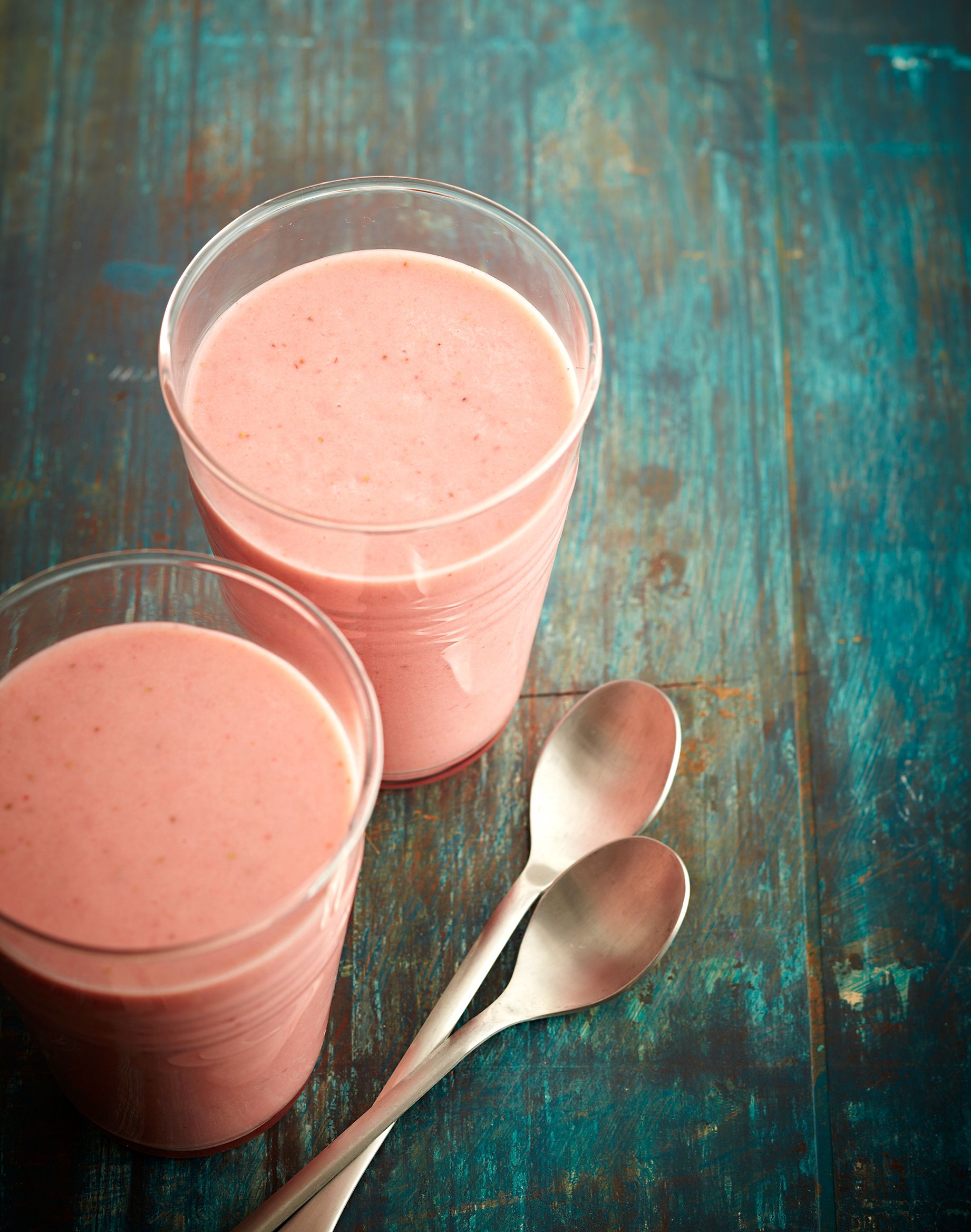
If your fridge is full of fresh fruit, leafy greens, and “I should probably use this today” energy, congratulations: you are already halfway to a great smoothie. The other half is knowing how to turn those ingredients into something silky, balanced, and actually delicious instead of a murky cup of regret. That is where a little strategy helps.
Homemade smoothies are one of the easiest ways to use fresh ingredients without making breakfast feel like a science project. They can be quick, flexible, filling, and surprisingly economical when you learn how to mix fruit, vegetables, liquid, and a few smart add-ins. Even better, they can help you use produce at peak ripeness, reduce food waste, and rescue that bunch of spinach before it enters its dramatic “I have collapsed in the crisper drawer” phase.
In this guide, you will learn how to build better smoothies from fresh ingredients you already love. We will cover the best produce to use, how to prep it, how to balance flavor and texture, common mistakes to avoid, and several easy combinations you can make on repeat without getting bored. By the end, your blender will feel less like a loud mystery machine and more like your personal breakfast sidekick.
Why Fresh-Ingredient Smoothies Are Worth Making at Home
Store-bought smoothies often sound healthy because they are wrapped in words like green, natural, and superfood. Sometimes they truly are solid choices. Sometimes they are basically dessert wearing yoga pants. Making smoothies at home gives you more control over sweetness, portion size, texture, and ingredient quality.
Fresh ingredients also give smoothies brighter flavor. A ripe peach tastes like summer. Fresh mint wakes everything up. Real pineapple brings sweetness and acidity in one shot. Fresh ginger adds a little zing that makes a basic fruit blend taste like something from a fancy juice bar where the menu board looks emotionally unavailable.
Another bonus is flexibility. You do not need a strict recipe every morning. Once you understand the basic formula, you can use what is in season, what is on sale, or what is sitting in your kitchen asking to be useful.
The Easiest Smoothie Formula to Remember
If you want a smoothie that tastes good and feels satisfying, think in layers instead of random handfuls.
Use this simple smoothie blueprint:
1 liquid + 1 to 2 cups fruit + 1 handful vegetables + 1 protein source + 1 healthy fat + optional booster
That formula gives you a drink that is creamy, flavorful, and more balanced than a smoothie built from fruit and juice alone. Here is what each part does:
1. Liquid base
This gets the blender moving and sets the thickness. Good choices include water, milk, kefir, unsweetened soy milk, unsweetened almond milk, coconut water, or plain yogurt thinned with a splash of water or milk.
2. Fruit
Fruit brings sweetness, body, and flavor. Bananas add creaminess. Berries add brightness. Mango creates a thick, silky texture. Pineapple adds tropical sweetness with a tart edge. Peaches make everything taste like vacation.
3. Vegetables
Spinach is the easiest place to start because it blends smoothly and has a mild flavor. Kale is stronger and a little bolder. Cucumber makes smoothies extra refreshing. Carrots work well with mango, orange, and ginger.
4. Protein
Protein helps a smoothie feel more like a meal and less like a quick sugar sprint. Greek yogurt, cottage cheese, tofu, soy milk, milk, kefir, or a protein powder you already like can all work well.
5. Healthy fat
A little fat improves texture and staying power. Try peanut butter, almond butter, chia seeds, flaxseed, hemp seeds, or avocado. You do not need much. One to two tablespoons usually does the trick.
6. Optional boosters
These are the fun extras: cinnamon, cocoa powder, fresh ginger, vanilla, oats, mint, basil, lemon juice, or a date for a bit more sweetness.
How to Choose the Best Fresh Ingredients
Pick ripe fruit, not heroic fruit
The best smoothie fruit is ripe, flavorful, and slightly soft. A peach that smells sweet will beat a pale, crunchy peach every time. Bananas with brown spots are smoothie gold. Strawberries should smell like strawberries, not like watery disappointment.
If your fruit is almost too ripe to eat out of hand, that is often the perfect smoothie moment. Chop it and freeze it in portions so you always have ready-to-blend ingredients without needing a last-minute grocery trip.
Use greens with a light touch at first
If you are new to green smoothies, begin with baby spinach. It blends easily and plays nicely with banana, mango, pineapple, kiwi, berries, and citrus. Kale is nutritious but more assertive. Treat it like a strong opinion: useful in small amounts, overwhelming when it takes over the whole conversation.
Think seasonally for better flavor
Fresh ingredients taste best when they are in season. Spring is great for strawberries and herbs. Summer belongs to peaches, cherries, watermelon, berries, and mango. Fall pairs well with apple, pear, pumpkin, and warming spices. Winter works beautifully with citrus, banana, frozen berries, and greens.
Prep Fresh Produce the Right Way
Before blending, prep matters. Wash your hands, rinse produce under running water, and gently rub fruits and vegetables clean. There is no need to wash produce with soap. In fact, that can leave behind unwanted residue. If you are peeling produce like bananas, mangoes, oranges, or carrots, rinse it first so dirt from the outside does not travel onto the part you are eating.
Trim bruised or damaged spots, remove stems when needed, and chop larger ingredients into chunks. Your blender is talented, but it does not need to battle a whole apple like it is auditioning for an action movie.
If you buy a lot of fresh produce, one of the best habits is freezing extras before they go bad. Slice ripe bananas, dice mango, hull strawberries, or portion pineapple into freezer bags. Frozen fruit makes smoothies thicker and colder without watering them down with too much ice.
The Best Liquid Bases for Smoothies
The liquid you choose changes both flavor and nutrition. Here is a quick guide:
Water
Clean, neutral, and underrated. Water lets fruit flavors shine and keeps the smoothie lighter.
Milk or fortified soy milk
These add creaminess and protein, making the smoothie feel more substantial.
Yogurt or kefir
These create a creamy, tangy smoothie with more body. Plain versions are usually the most versatile.
Coconut water
Best in tropical combinations such as pineapple, mango, lime, and mint. It is refreshing, though usually thinner than milk.
Juice
Use it sparingly. A little orange juice can brighten a smoothie, but too much juice can make the drink sweeter and less filling than a smoothie built mostly on whole fruit.
How to Make Your Smoothie Taste Better
A great smoothie is not just sweet. It is balanced. Here is the trick: combine sweetness, acidity, creaminess, and freshness.
For sweetness
Use ripe banana, mango, pineapple, peaches, or dates.
For tartness
Add lemon juice, lime juice, kiwi, raspberries, or yogurt.
For creaminess
Try banana, avocado, yogurt, cottage cheese, nut butter, oats, or frozen mango.
For freshness
Add mint, basil, cucumber, citrus zest, or ginger.
If your smoothie tastes flat, it usually needs acid. A squeeze of lemon or lime can wake it up instantly. If it tastes too grassy, add pineapple or banana. If it is too thick, add more liquid a little at a time. If it is too thin, blend in frozen fruit, oats, chia seeds, or a few ice cubes.
The Best Order for Blending
Yes, order matters. The easiest way to get a smoother smoothie is to load ingredients in the right sequence:
1. Add liquid first
This helps the blades move freely from the start.
2. Add soft ingredients
Yogurt, fresh banana, nut butter, protein powder, and soft fruits go in next.
3. Add greens
Leafy greens blend better when they are not trapped under a mountain of frozen fruit.
4. Add fresh fruit chunks
These help create body and flavor.
5. Add frozen fruit or ice last
This keeps the heaviest ingredients on top so the blender can pull them down gradually.
Start blending on low, then increase speed. In most cases, 30 to 60 seconds is plenty. Blend too long and your smoothie can warm up, which is not ideal unless you are inventing the world’s saddest soup.
Five Fresh Smoothie Combinations That Actually Work
1. Strawberry Banana Spinach Smoothie
Use: fresh strawberries, banana, baby spinach, plain Greek yogurt, milk, and chia seeds.
This is the beginner-friendly green smoothie. The banana smooths everything out, the strawberries keep it bright, and the spinach behaves itself.
2. Mango Ginger Smoothie
Use: fresh mango, banana, plain yogurt, fresh ginger, lime juice, and water or coconut water.
This one tastes sunny, lively, and slightly fancy. Fresh ginger gives it a gentle kick that keeps it from becoming one-note sweet.
3. Peach Oat Breakfast Smoothie
Use: fresh peaches, milk, Greek yogurt, rolled oats, almond butter, cinnamon, and vanilla.
Hearty without feeling heavy. This one works especially well when peaches are ripe and juicy.
4. Pineapple Cucumber Mint Smoothie
Use: fresh pineapple, cucumber, mint, lime juice, kefir or water, and a little avocado.
Refreshing and crisp, perfect for hot mornings when toast feels like too much commitment.
5. Berry Cocoa Smoothie
Use: fresh or frozen berries, banana, milk, plain yogurt, cocoa powder, and peanut butter.
This one feels like a treat but still has some structure. Think milkshake energy with better manners.
Common Smoothie Mistakes to Avoid
Using too much fruit juice
Juice can be useful in small amounts, but relying on it too heavily can make a smoothie overly sweet and less satisfying than one built around whole fruit.
Skipping protein and fat
A smoothie made only from fruit and liquid may taste good, but it often will not keep you full for long.
Adding too many strong flavors at once
Kale, beets, ginger, mint, cinnamon, cocoa, protein powder, and peanut butter are all great. All at once? That is a group project no one asked for.
Using unripe fruit
If your fruit is bland, your smoothie will be bland. Start with ingredients that already taste good.
Making it too large
Bigger is not always better. A giant smoothie can quietly become a very large meal. Build a portion that fits your appetite and purpose.
How to Make Smoothies More Filling Without Making Them Heavy
If you want a smoothie that can function as breakfast or a post-workout snack, think beyond fruit. Add protein from Greek yogurt, tofu, cottage cheese, milk, or soy milk. Add texture and staying power with oats, nut butter, chia seeds, or flaxseed. Use whole fruit instead of leaning on juice. These changes do not make a smoothie less fun. They just make it more useful.
A practical example: compare a smoothie made from orange juice, banana, and strawberries with one made from strawberries, banana, spinach, Greek yogurt, milk, and chia seeds. Both may taste great, but the second one brings more body, more staying power, and a steadier kind of satisfaction.
How to Use Fresh Ingredients Without Wasting Them
One of the smartest smoothie skills has nothing to do with blending. It is produce management. Buy fresh ingredients with a plan. Use the most delicate items first. Freeze what you cannot finish. Keep a “smoothie bin” in your freezer for banana slices, berries, chopped mango, pineapple, spinach, and leftover herbs.
You can also rescue odds and ends. Half an apple, a few mint leaves, a soft pear, leftover cucumber, or that small scoop of yogurt in the container can all become part of tomorrow’s smoothie. Smoothies are excellent at turning “not enough for a full recipe” into “exactly enough for breakfast.”
What You Learn from Real Smoothie-Making Experience
After making smoothies regularly, most people notice the same thing: the process gets easier fast. At first, it can feel like you need a recipe, measuring cups, and a tiny pep talk. Then, after a week or two, your eyes start doing the measuring. A handful of spinach. Half a banana. A spoonful of peanut butter. A splash of milk. Suddenly you are the kind of person who blends with confidence, which is a strangely satisfying life upgrade.
Another real-life lesson is that fresh ingredients teach you timing. Bananas have a small window between “perfect for cereal” and “absolutely destined for the freezer.” Berries need to be used quickly. Mangoes wait until the last possible minute to become delicious, then demand immediate attention. Making smoothies helps you get better at noticing ripeness, using produce on time, and wasting less food overall.
There is also a big difference between smoothies that look healthy and smoothies that feel good to drink. Experience teaches you that balance matters more than trendiness. A smoothie loaded with random powders, six fruits, and three tablespoons of sweetener is rarely as satisfying as a simple blend with ripe fruit, a protein source, and one or two thoughtful add-ins. The best smoothies are not the most complicated ones. They are the ones you actually want to make again tomorrow.
Many people also discover that texture is personal. Some love a thick smoothie they can eat with a spoon. Others want something light enough to sip through a straw while running out the door. Once you make smoothies often, you stop chasing a “perfect” texture and start making the texture that works for you. More frozen fruit for thickness. More water for a lighter blend. More yogurt for richness. More citrus for brightness. It becomes less about rules and more about rhythm.
Fresh smoothies can also change shopping habits in a surprisingly practical way. You begin buying ingredients with overlap in mind. Spinach can go in smoothies and omelets. Mint can brighten smoothies and salads. Frozen fruit becomes a freezer staple. Oats stop being just oatmeal and start moonlighting as a smoothie thickener. Peanut butter becomes breakfast backup. This kind of kitchen crossover saves money and makes healthy eating feel less rigid.
Then there is the family factor. If you make smoothies for more than one person, experience quickly teaches you that everyone has opinions. One person wants banana in every blend. Another says banana ruins everything. Someone loves berries but refuses visible seeds. Kids may reject anything green on sight unless you casually call it a “monster smoothie,” which is either genius or chaos depending on the day. Over time, you learn how to make a base smoothie and customize it with small changes instead of running a short-order blender bar every morning.
Perhaps the most useful lesson is this: smoothies are not about perfection. Some days they are gorgeous, frosty, and café-worthy. Other days they are slightly too thick, mildly too tart, or a weird shade of brown because blueberries and spinach teamed up against your aesthetic goals. That is normal. The win is that you used fresh ingredients, made something nourishing, and learned what to tweak next time. In real kitchens, that is what success looks like.
Final Thoughts
Making smoothies from your favorite fresh ingredients is less about following rigid recipes and more about learning a simple system. Start with ripe produce. Add a good liquid base. Build in protein and a little healthy fat. Use whole fruit for better flavor and texture. Balance sweetness with acidity. Freeze extras. Blend in the right order. Then repeat with whatever is fresh, seasonal, and calling your name from the kitchen counter.
Once you get the hang of it, smoothies become one of the easiest, most adaptable habits in your routine. They can be quick enough for busy mornings, flexible enough for picky eaters, and creative enough to keep breakfast from becoming boring. Most of all, they help fresh ingredients shine. And that is really the whole point.