Organizing a badminton tournament sounds simple until you realize one court is running late, two players are asking where to check in, the doubles draw has an odd number of teams, and someone has mistaken the warm-up area for a snack zone. The good news? A smooth tournament is not magic. It is planning, communication, and a little bit of calm leadership when the shuttlecocks start flying.
This guide explains how to organize a badminton tournament in 9 practical steps, whether you are hosting a school event, community club competition, charity fundraiser, corporate wellness day, or local amateur championship. You will learn how to choose the right format, manage registration, schedule matches, prepare the venue, recruit volunteers, handle safety, and create an event that players actually enjoy instead of quietly muttering about in the parking lot.
The main goal is simple: give players fair matches, keep the tournament on time, and make everyone feel like the event was organized by humans who remembered that humans need water, directions, and bathrooms.
Step 1: Define the Purpose, Level, and Size of the Tournament
Before booking courts or designing brackets, decide what kind of badminton tournament you are creating. A beginner-friendly social event needs a very different structure from a competitive open tournament. A school tournament may focus on participation and sportsmanship, while a fundraising event may care more about community energy, sponsors, and smooth check-in.
Clarify your tournament goal
Start with one clear sentence: “This tournament exists to…” Your answer might be to raise money for a club, give beginners match experience, crown the best local doubles team, promote a sports center, or build community. This decision affects almost everything else: entry fees, match format, awards, volunteer needs, and how strict you must be with rules.
For example, if the tournament is for new players, you may choose shorter games, round-robin groups, and friendly court marshals who explain scoring. If it is a serious club championship, you may need seeded draws, official rules, clear tiebreakers, and experienced referees.
Estimate your numbers early
Decide how many players or pairs you can realistically accept. Do not simply say, “The more the merrier,” unless you also enjoy rescheduling 73 matches with a half-dead laptop at 11 p.m. Your capacity depends on the number of courts, available hours, event categories, and match length.
A small one-day tournament might include 24 to 48 players. A larger weekend tournament may include multiple divisions such as men’s singles, women’s singles, men’s doubles, women’s doubles, mixed doubles, junior categories, and beginner or advanced brackets.
Step 2: Choose the Right Tournament Format
The format is the skeleton of your badminton tournament. Choose badly, and the whole event limps. Choose well, and players get fair competition, the schedule makes sense, and you avoid the dreaded phrase: “Wait, am I eliminated already?”
Common badminton tournament formats
Single elimination is simple: lose once and you are out. It works well when time is limited and you have many players. The downside is that some players may travel to the venue, lose one match, and spend the rest of the day becoming experts in folding chairs.
Double elimination gives players a second chance through a consolation or lower bracket. It is fairer than single elimination but takes more time and careful scheduling.
Round robin allows each player or pair in a group to play every other player or pair. This is excellent for smaller events, beginner tournaments, and club competitions because everyone gets more match experience. The tradeoff is that round robin can create many matches quickly, especially with large groups.
Pool play plus knockout is often the sweet spot. Players begin in small groups, and the top finishers advance to semifinals or finals. This format balances fairness with excitement and gives most players more than one match.
Pick scoring rules that fit your event
Many badminton events use rally scoring with best-of-three games, traditionally played to 21 points, with win-by-two rules and a cap at 30. However, scoring formats can vary by level, organizer, and governing body. For a casual event, you might use one game to 21, one game to 15, or timed matches to keep the day moving. The key is not which system you choose; the key is making it crystal clear before registration opens.
Post your scoring system in the tournament prospectus, registration page, confirmation email, and at the venue. Players should not discover the rules from a volunteer holding a clipboard and looking emotionally unprepared.
Step 3: Build a Realistic Budget
A badminton tournament budget does not need to be fancy, but it does need to be honest. Every event has costs, even if the venue is free and your cousin says he can “probably help with music.”
Typical tournament expenses
Budget for court rental, shuttlecocks, nets, scoreboards, medals or trophies, printing, software, payment processing fees, first aid supplies, water, volunteer meals, staff shirts, cleaning fees, photography, marketing, and insurance if required. If you are offering prize money, include it early so it does not surprise you later like a smash to the forehead.
Shuttlecocks deserve special attention. Feather shuttles feel great but cost more and break faster. Nylon shuttles are cheaper and durable, but competitive players may prefer feather. Your choice should match the level of play and your budget. Whatever you choose, buy more than you think you need. A tournament running out of shuttles is like a coffee shop running out of coffee: technically possible, spiritually unacceptable.
Set entry fees carefully
Entry fees should cover costs without scaring away players. You can charge per player, per pair, or per event. For example, you might charge $25 for one event and $10 for each additional event. If the tournament is a fundraiser, explain where the money goes. People are more willing to pay when they understand the mission.
Consider offering early-bird registration, student discounts, or team packages. Sponsors can also help cover awards, water stations, shirts, or venue costs in exchange for logo placement and announcements.
Step 4: Secure the Venue and Prepare the Courts
The venue can make or break the tournament experience. A good venue has enough courts, safe flooring, proper lighting, clear lines, working restrooms, spectator space, parking, and a check-in area. A great venue also has staff who know where the extra extension cords are hiding.
Check court dimensions and setup
A regulation badminton court is 44 feet long. The full doubles court is 20 feet wide, while singles uses the narrower sidelines. The net should be about 5 feet high at the center and slightly higher at the posts. Make sure the lines are visible, nets are tight, posts are stable, and there is enough space around the court for safe movement.
Walk through the venue before the event. Look for slippery areas, loose mats, poor lighting, low ceilings, blocked exits, or confusing entrances. If the venue has multiple gyms or floors, create signs so players do not wander around holding rackets like lost explorers.
Create functional zones
Divide the venue into zones: check-in, warm-up area, match courts, results desk, medical station, spectator seating, water area, and awards area. Keeping these zones separate reduces traffic and confusion. The results desk should be easy to find because players will visit it constantly, usually while asking the same question three different ways.
Step 5: Open Registration and Collect the Right Information
Registration is where tournament organization becomes real. A clean registration process saves hours of stress later. A messy one creates duplicate names, missing partners, wrong divisions, unpaid entries, and mystery participants named only “Mike.”
What to collect during registration
Ask for full name, email, phone number, age group if needed, skill level, events entered, doubles partner name, emergency contact, payment confirmation, and waiver acceptance. If you are running youth divisions, collect parent or guardian information where appropriate.
Make registration deadlines firm. Leave enough time after registration closes to build draws, seed players, assign courts, and publish the schedule. If you accept late entries, set a clear policy. Late registration can be useful, but too much flexibility may turn your bracket into soup.
Confirm entries before publishing draws
Send players a confirmation list before finalizing the draw. Ask them to check spelling, event category, and partner information. This simple step catches many problems early. Once draws are published, changing one player can affect several matches, court assignments, and time slots.
Step 6: Create Draws, Brackets, and Match Schedules
Scheduling is the part of tournament planning where optimism goes to be tested. The secret is to plan backward from your available courts and hours, not forward from wishful thinking.
Estimate match time realistically
A competitive best-of-three badminton match can take much longer than expected, especially in doubles. Include warm-up time, court changeover, result reporting, and delays. For casual events, you might estimate 20 to 30 minutes per match. For stronger competitive divisions, allow more time.
Build buffer time into the schedule. A tournament with no buffer is like a racket with broken strings: it may work briefly, but nobody should trust it.
Use seeding and tiebreakers fairly
If you know player levels, seed the top players or pairs to avoid having the strongest competitors meet in the first round. For round robin groups, publish tiebreakers in advance. Common tiebreakers include matches won, games won, point differential, head-to-head result, and total points won.
Use tournament software or a reliable spreadsheet to create draws and update results. Online tools can help generate round-robin schedules, knockout brackets, and court assignments. Even if you love spreadsheets, keep a printed backup. Wi-Fi has a mischievous personality at sporting events.
Step 7: Recruit Volunteers, Officials, and Court Staff
A tournament director cannot do everything alone. Technically, you can try, but by noon you may be answering three phones, holding a box of medals, and wondering why Court 4 has no scorekeeper. Recruit help early and assign specific roles.
Key tournament roles
You may need a tournament director, registration desk team, court marshals, scorekeepers, announcer, first aid contact, setup crew, cleanup crew, photographer, equipment manager, and results desk staff. For larger or more competitive events, include referees or experienced officials who understand badminton rules and can resolve disputes calmly.
Give each volunteer a written role description. Do not simply say, “Help wherever needed,” because that usually means everyone stands near the table looking helpful but slightly confused.
Train volunteers before the event
Hold a short briefing before play begins. Explain the schedule, venue map, emergency plan, match-calling process, result-reporting method, and who makes final decisions. Volunteers should know where to send questions instead of inventing rules on the spot. Creative writing is wonderful, but not when applied to tournament regulations.
Step 8: Communicate Clearly Before and During the Tournament
Communication is the difference between a tournament that feels organized and one that feels like a scavenger hunt with rackets. Your players should know where to go, when to arrive, what to bring, and how the event works.
Send a pre-event information email
At least a few days before the tournament, send a player email with the venue address, parking instructions, check-in time, event schedule, scoring format, rules, draw link, what to bring, food options, refund policy, and contact person. Include reminders about arriving early, warming up safely, and reporting scores immediately after each match.
Keep the tone friendly and direct. Players do not need a novel. They need useful details. Save the dramatic storytelling for your victory speech.
Use announcements and visible signage
At the venue, post court assignments, updated brackets, rules, and emergency information. Use a microphone or speaker if the space is large. Call matches clearly with player names, event category, court number, and reporting instructions.
If possible, create a live schedule or shared results page. Players love checking updates on their phones, and it reduces the number of people crowding around the results desk like it is giving away free rackets.
Step 9: Run the Event, Handle Problems, and Finish Strong
Tournament day is execution time. Arrive early, check the courts, test equipment, place signs, prepare the check-in table, organize shuttles, brief volunteers, and review the first round of matches. The first 30 minutes set the tone for the entire day.
Keep matches moving
Call matches before courts become available so players are ready. Set a clear warm-up limit, especially if the schedule is tight. Require players to report scores immediately. If someone is late, follow the published lateness policy rather than negotiating every case like a courtroom drama.
Track delays and adjust quickly. If one court falls behind, move matches when possible. If a division finishes early, start the next round ahead of time after confirming players are present. Good tournament directors stay flexible without becoming chaotic.
Prioritize safety and sportsmanship
Have a basic emergency action plan. Know who calls emergency services, where the first aid kit is, where the AED is located if available, and how emergency responders can access the venue. Provide water and encourage breaks, especially in warm gyms. Badminton is fast, intense, and sweatier than it looks on YouTube.
Set expectations for sportsmanship. Players should respect opponents, officials, volunteers, and the facility. Post a simple code of conduct and enforce it consistently. A tournament should be competitive, not a live-action comment section.
Practical Example: A Simple One-Day Badminton Tournament Plan
Imagine you are organizing a Saturday community badminton tournament with 32 players and 4 courts. You offer men’s doubles and mixed doubles, with 16 pairs total across both events. You choose pool play plus semifinals and finals. Each match is one game to 21 during pool play, then best-of-three games to 21 for finals.
Registration opens four weeks before the event and closes one week before. Entry costs $30 per player and includes water, snacks, and a small event towel. You recruit eight volunteers: two for check-in, two for results, two court marshals, one photographer, and one floating helper. You publish the draw two days before the event and ask players to arrive 30 minutes before their first match.
On tournament day, matches begin at 9:00 a.m. Pool play runs until noon, semifinals start after a lunch break, and finals begin at 3:00 p.m. Awards are finished by 4:30 p.m. This kind of plan is realistic because it matches the number of players to the number of courts and avoids overloading the schedule.
Extra Experience Notes: What Real Organizers Learn the Hard Way
After organizing a few badminton tournaments, you start to notice that the biggest problems are rarely dramatic. Usually, they are tiny details that multiply. One missing partner name becomes a bracket change. One unclear email becomes twenty questions. One court running late becomes a full schedule delay. The lesson is simple: tournament success lives in the boring details.
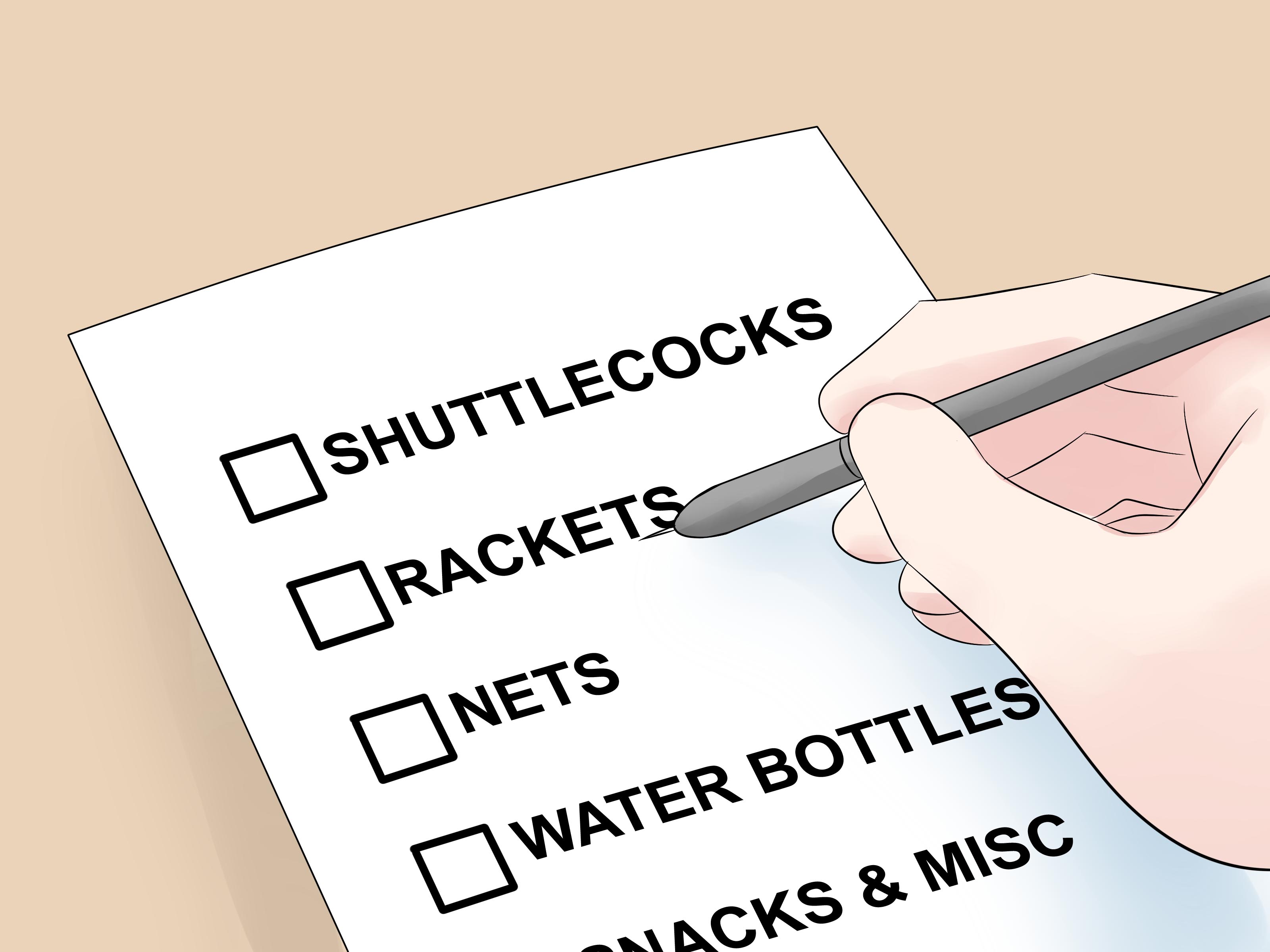
The first experience-based tip is to create a master checklist and use it shamelessly. Do not trust memory. Memory is confident, charming, and occasionally useless. Your checklist should include venue confirmation, court setup, registration status, player list, waivers, payment tracking, shuttle inventory, volunteer assignments, signage, first aid supplies, medals, printed brackets, extension cords, tape, pens, clipboards, and trash bags. Trash bags are not glamorous, but you will miss them deeply if you forget them.
The second tip is to test your schedule before publishing it. Run through the first two rounds and ask: Can players realistically move from one match to another? Are doubles partners accidentally scheduled at the same time in different events? Does any player have five matches in a row while another waits three hours? A fair schedule considers both court efficiency and player recovery. Tired players make mistakes, and exhausted players make complaints.
The third tip is to assign one person to protect the tournament director’s attention. This person can answer basic questions, point players to the schedule, and filter issues that do not need the director. Without this buffer, the tournament director becomes a human search engine: “Where is Court 3?” “When do I play?” “Can I change partners?” “Who owns this water bottle?” A calm helper at the desk can save the entire event from becoming a question avalanche.
The fourth tip is to overcommunicate before the event and simplify during the event. Before tournament day, send detailed instructions. During tournament day, use short messages: “Men’s Doubles B, Court 2, warm up now.” “All scores must be reported to the results desk.” “Finals begin at 3:15.” Clear announcements reduce confusion and keep the energy professional.
The fifth tip is to respect beginner anxiety. New players may not know where to stand, how to report scores, or what happens after losing a match. A welcoming check-in desk and simple explanation can turn nervous participants into loyal future players. Badminton communities grow when events feel competitive but not intimidating.
The sixth tip is to plan the ending. Many organizers focus on the first match and forget the final impression. Prepare medals, certificates, photos, sponsor thanks, and closing announcements before finals begin. When the last point lands, people are ready to celebrate. Do not make champions wait while someone digs through a cardboard box labeled “misc.”
Finally, always hold a short post-event review. Ask what went well, what ran late, what confused players, and what should change next time. Save your draw files, budget, supplier contacts, volunteer list, and notes. Your next tournament should not start from zero. It should start from experience, which is just a fancy word for mistakes you wrote down.
Conclusion
Learning how to organize a badminton tournament is really learning how to balance competition, logistics, safety, and hospitality. The best tournaments are not necessarily the biggest or most expensive. They are the ones where players know where to go, matches run close to schedule, rules are clear, volunteers feel useful, and the final match feels like a proper celebration.
Start with a clear purpose, choose a format that fits your time and court space, build a sensible budget, prepare the venue, collect accurate registrations, schedule carefully, train volunteers, communicate clearly, and stay calm on event day. Do those nine things well, and your badminton tournament will feel organized from the first serve to the final handshake.
And yes, someone will still ask where the bathroom is while standing directly under the bathroom sign. That is not failure. That is event planning.