Note: This article is for general driver education and web publishing. Traffic laws vary by state, so drivers should always follow posted signs, local rules, road markings, weather conditions, and the instructions of law enforcement.
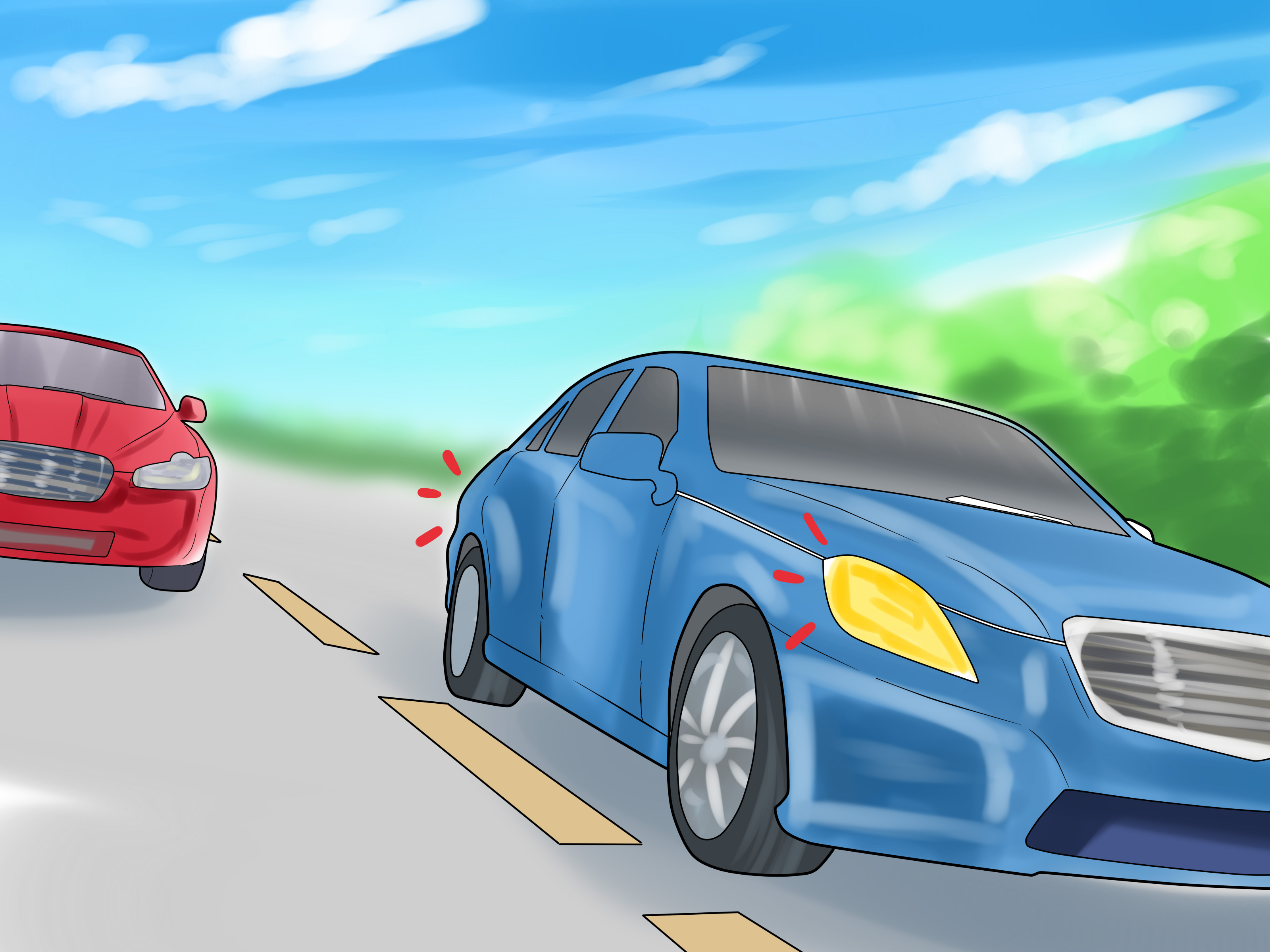
Passing on a two-lane road can feel like trying to win a very serious game of “Do I Have Enough Room?” The answer must be crystal clear before you move. On a two-lane road, one lane usually carries traffic in your direction and the other lane carries oncoming traffic. That means passing requires you to temporarily use the lane where vehicles may be coming toward you. No pressure, right?
The good news is that safe passing is not about bravery. It is about patience, judgment, visibility, timing, and knowing when to say, “Nope, I’ll stay right here.” Whether you are behind a slow tractor, a delivery truck, a cyclist, or a car traveling below the speed limit, the safest pass is the one you can complete legally, smoothly, and without forcing anyone else to react suddenly.
This guide explains how to pass safely on a two lane road in 10 practical steps. You will learn how to read pavement markings, check sight distance, signal properly, accelerate without speeding, return to your lane safely, and avoid common mistakes that turn a simple maneuver into a risky situation.
Why Passing on a Two-Lane Road Requires Extra Care
On a multi-lane road, passing usually means changing into another lane traveling the same direction. On a two-lane road, passing often means crossing the center line into a lane used by oncoming traffic. That one difference changes everything.
Two-lane roads are often rural, curved, hilly, narrow, or lined with driveways, farm entrances, mailboxes, cyclists, pedestrians, and wildlife that apparently never read the driver handbook. You may also encounter slow-moving vehicles, large trucks, school buses, emergency vehicles, or road crews. A safe passing decision must account for all of that, not just whether the car ahead is moving slowly.
The golden rule is simple: pass only when it is legal, necessary, and clearly safe. If you are not completely sure, wait. A few extra minutes behind a slow vehicle is much better than a bad decision with no undo button.
How to Pass Safely on a Two Lane Road: 10 Steps
1. Read the Road Markings Before You Even Think About Passing
Start with the pavement. Yellow center lines separate traffic moving in opposite directions. A broken yellow line on your side generally means passing may be allowed when conditions are safe. A solid yellow line on your side means you should not pass. Double solid yellow lines mean passing is prohibited for traffic in both directions.
Do not treat lane markings as friendly suggestions. They are there because road engineers considered sight distance, curves, hills, intersections, and other hazards. If the road says “do not pass,” believe it. The road has seen things.
Also watch for signs such as “No Passing Zone,” “Do Not Pass,” “Pass With Care,” railroad crossing warnings, school zones, construction zones, and hill or curve warnings. Signs and markings work together. If either one says passing is not allowed, stay in your lane.
2. Ask Whether Passing Is Actually Necessary
Before passing, ask yourself one underrated question: “Do I really need to do this?” If the vehicle ahead will turn soon, traffic is heavy, you are near town, or the speed difference is small, passing may save almost no time.
Many unsafe passes begin with impatience, not necessity. Maybe the car ahead is going 47 mph in a 55 mph zone. Annoying? Yes. A reason to gamble with oncoming traffic? Absolutely not. If you are close to your destination or entering an area with traffic lights, intersections, or driveways, staying put is often the smarter choice.
Passing makes more sense when the vehicle ahead is significantly slower, the road is open and legal for passing, visibility is excellent, and you can complete the maneuver without exceeding the speed limit or making another driver brake, swerve, or silently judge your life choices.
3. Create Space Before You Pass
Do not tailgate the vehicle you want to pass. Tailgating reduces your view of the road ahead and gives you less room to accelerate smoothly. It also makes the driver ahead nervous, which is not exactly a recipe for calm traffic.
Instead, leave a safe following distance. This gives you a better line of sight around the vehicle and more time to evaluate oncoming traffic. If you are behind a large truck, bus, RV, or farm vehicle, increase that distance even more. Large vehicles block your view, and you need a clear picture before moving into the opposite lane.
Think of space as your safety budget. The more space you have, the more options you have. The less space you have, the more you are relying on luck, and luck is a terrible driving instructor.
4. Check the Entire Passing Area, Not Just the Oncoming Lane
A safe passing zone is not just an empty lane. You need enough clear road ahead to pull out, pass, and return to your lane without crowding anyone. Look far ahead for oncoming vehicles, curves, hills, intersections, driveways, railroad crossings, bridges, narrow shoulders, pedestrians, cyclists, animals, work zones, and vehicles that may turn left.
Never begin passing near the top of a hill or on a curve where you cannot see far enough ahead. If you cannot see the full distance needed to complete the pass, you do not have a safe pass. Simple, boring, lifesaving.
Pay close attention to side roads and driveways. A driver may pull out while you are in the oncoming lane, or the vehicle you are passing may suddenly turn left. This is why scanning is more than a quick peek. It is a full road audit at highway speed.
5. Check Mirrors and Blind Spots Before Moving Left
Before you move out, check your rearview mirror, left side mirror, and left blind spot. Another driver behind you may already be trying to pass. Motorcycles can be especially easy to miss because they are smaller and may accelerate quickly.
Do not rely only on mirrors. Turn your head briefly to check the blind spot, then look forward again. Your goal is to confirm that the left side is clear behind you and ahead of you.
If another driver has started passing, let them go first. Racing them into the passing lane is not confidence; it is chaos wearing a seat belt.
6. Signal Early and Clearly
Use your left turn signal before moving into the passing lane. Signaling tells drivers behind you and the driver ahead that you intend to pass. It does not give you permission to pass, but it does communicate your plan.
Signal early enough to be useful, but not so early that your intention becomes confusing. After you complete the pass and prepare to return to your lane, use your right signal. Cancel the signal once you are back in your lane.
Good communication is one of the simplest forms of defensive driving. A turn signal is not decoration. It is your car’s polite way of saying, “Here is what I am about to do.”
7. Move Left Smoothly and Accelerate Without Speeding
When the road is clear, legal, and safe, move left smoothly. Do not jerk the wheel or drift gradually like you are unsure. Make a controlled lane change into the passing lane while keeping both hands steady and your eyes scanning far ahead.
Accelerate enough to pass efficiently, but do not exceed the posted speed limit. Some drivers mistakenly believe passing gives them a free temporary speed upgrade. It does not. Speed limits still apply while passing.
A safe pass should be decisive but not aggressive. You want to spend as little time as practical in the oncoming lane, but you also want full control. Smooth acceleration, steady steering, and calm scanning are the winning combination.
8. Give Extra Room When Passing Large Vehicles, Bicycles, and Farm Equipment
Passing a compact car is different from passing a semi-truck, tractor, horse-drawn vehicle, cyclist, or road maintenance vehicle. Large vehicles take longer to pass and may have big blind spots. Cyclists need room because they may move slightly to avoid potholes, gravel, wind, debris, or drains.
When passing a truck, avoid lingering beside it. If you cannot pass completely and safely, stay behind. Move back into your lane only after you can see enough of the vehicle in your rearview mirror to know you have cleared it safely.
When passing a bicycle, slow down and give generous space. If there is oncoming traffic or the road is too narrow, wait. A cyclist’s safety is more important than arriving at the next stop sign eight seconds sooner.
9. Return to Your Lane Only When You Can See the Vehicle Behind You
Do not cut back in too soon. After passing, check your rearview mirror. When you can see the front of the vehicle you passed, you generally have enough clearance to return to your lane, assuming conditions remain safe.
Signal right, move back smoothly, and maintain a safe speed. Do not slam on the brakes after returning to your lane. That forces the driver behind you to react and cancels out the whole “safe passing” concept.
If you realize mid-pass that conditions have changed, do not panic. If an oncoming vehicle appears and you cannot complete the pass safely, slow down and return behind the vehicle you were trying to pass if that is the safest option. The best drivers are not the ones who never change plans; they are the ones who change plans early.
10. Know When Not to Pass
The most important passing skill is knowing when to wait. Do not pass when there is a solid yellow line on your side, a no-passing sign, a curve, a hill, an intersection, a railroad crossing, a bridge, a tunnel, a school zone, a crosswalk, a construction zone, heavy rain, fog, poor visibility, or oncoming traffic close enough to create doubt.
Never pass a stopped school bus with red lights flashing and its stop arm extended. Never pass a vehicle stopped for pedestrians at a crosswalk. Avoid passing emergency vehicles, tow trucks, road crews, and maintenance vehicles unless the law and conditions clearly allow it, and even then, slow down and proceed with extreme care.
If your inner voice says, “This might be close,” listen to it. That is not fear. That is your brain doing math faster than your ego.
Common Mistakes Drivers Make When Passing
Tailgating Before the Pass
Following too closely makes it harder to see ahead and leaves less room to accelerate. Drop back, scan, and plan before moving left.
Passing Too Slowly
A hesitant pass keeps you in the oncoming lane longer. If you cannot pass efficiently without speeding, do not pass.
Ignoring Driveways and Side Roads
On two-lane roads, hazards can appear from places that do not look dramatic. A quiet farm driveway can become a serious conflict if a vehicle turns while you are passing.
Returning Too Soon
Cutting in front of the vehicle you passed can force that driver to brake. Wait until you have clear space before returning to your lane.
Passing Out of Frustration
Anger is a terrible co-pilot. If you are irritated, take a breath, increase following distance, and wait for a truly safe opportunity.
Special Situations on Two-Lane Roads
Passing Near Trucks
Trucks need more room to stop and may have large blind spots. If you cannot see the truck’s mirrors, the driver may not be able to see you. Make sure you have enough room to pass completely before you start.
Passing Farm Vehicles
Farm equipment may be wide, slow, and preparing to turn into a field entrance. Watch for hand signals, turn signals, escort vehicles, and sudden left turns. Pass only when you are certain the operator sees you and the road ahead is clear.
Passing Bicycles
Slow down, leave extra space, and wait for a clear gap in oncoming traffic. Do not squeeze between a cyclist and an oncoming vehicle. That is not passing; that is threading a needle with someone else’s safety.
Passing in Bad Weather
Rain, fog, snow, glare, and darkness reduce visibility and increase stopping distance. Even if passing is legally allowed, it may not be smart. When visibility is poor, patience becomes a safety feature.
Practical Experiences and Real-World Lessons About Passing Safely
One of the most useful lessons about passing on a two-lane road is that the safest opportunity often appears after you stop forcing it. Drivers who crowd the vehicle ahead, lean left to peek around it, and keep tapping the accelerator usually make worse decisions because they are emotionally committed to passing. A calmer approach works better: stay back, keep a steady speed, and scan far ahead. When a truly safe passing zone appears, you will see it sooner and judge it more clearly.
Imagine you are behind a slow pickup carrying landscaping equipment on a rural road. The speed limit is 55 mph, and the pickup is traveling around 40 mph. At first, passing seems tempting. But the road curves gently, there are mailboxes on both sides, and you can see a driveway ahead. Even if the center line becomes broken for a short stretch, the safer choice may be to wait. A few seconds later, the pickup signals left and turns into a property. Had you started passing, you could have ended up beside a vehicle turning across your path.
Another common experience involves large trucks. From behind a semi, the road ahead may look completely hidden. The mistake is getting too close and trying to “slingshot” around it. A better method is to stay far enough back that you can see more of the road. If there is not a long, open, legal passing zone, do not attempt it. Passing a truck takes more distance than many drivers expect, and the consequences of misjudging that distance can be serious.
Newer drivers often learn another important lesson the first time they drive on a hilly two-lane road: visibility is everything. A broken yellow line does not mean “go now no matter what.” It means passing may be allowed if conditions are safe. If the road rises, dips, bends, or disappears from view, wait until you can see far enough to complete the entire pass. A safe driver never starts a pass based on hope.
There is also a social side to safe passing. If another driver is passing you, do not speed up. Maintain your lane position, ease off the accelerator if needed, and let the pass finish safely. Turning the moment into a competition helps nobody. Likewise, if you are behind someone who chooses not to pass, do not pressure them with tailgating or flashing lights. Every driver must make their own safety judgment based on what they can see.
The best real-world habit is to treat passing as a planned maneuver, not an emotional reaction. Decide only after checking markings, signs, sight distance, traffic, road conditions, and your own speed. When the answer is no, relax and wait. When the answer is yes, signal, pass smoothly, return with plenty of room, and continue driving as if nothing dramatic happened. Because when passing is done correctly, it should feel almost boringand boring is exactly what you want at highway speed.
Conclusion
Learning how to pass safely on a two lane road is really about learning how to make smart decisions under pressure. The steps are straightforward: read the markings, confirm the pass is legal, build space, scan far ahead, check mirrors and blind spots, signal, move smoothly, pass efficiently, return with room, and know when to wait.
The safest drivers are not the ones who pass the most often. They are the ones who pass only when the situation is clearly safe. A slow vehicle ahead may test your patience, but patience is part of driving skill. When in doubt, stay in your lane, keep your distance, and wait for a better opportunity. The road will eventually open up, and your future self will appreciate the calm choice.