Living with osteoporosis can feel a little like owning fine china in a house full of enthusiastic golden retrievers. Your bones are still doing their job, but they need extra protection, smarter habits, and fewer “I can totally reach that top shelf while standing on a rolling chair” moments. The good news? Osteoporosis does not mean you have to wrap yourself in bubble wrap and retire from life. It means you need a stronger fracture-prevention plan.
Osteoporosis is a condition that weakens bones and makes them more likely to break, especially in the hip, spine, and wrist. A fracture can happen after a fall, a sudden twist, or even a minor bump if bone strength is very low. But fracture risk is not controlled by bone density alone. Balance, muscle strength, medications, vision, home safety, nutrition, and daily movement all matter. In other words, preventing fractures is a full-body projectnot just a calcium commercial with a smiling glass of milk.
This guide explains how to prevent fractures if you have osteoporosis using practical, evidence-based strategies. You will learn how to strengthen bones, reduce falls, move safely, eat for bone health, work with your doctor, and build daily routines that protect your independence.
Understanding Why Fractures Happen With Osteoporosis
Healthy bone is living tissue. It constantly breaks down old bone and builds new bone. With osteoporosis, bone loss outpaces bone rebuilding, causing bones to become thinner, weaker, and more fragile. That fragility is why a small accident can have a big result.
The most concerning osteoporosis-related fractures often occur in the hip and spine. Hip fractures can require surgery and long recovery. Spine fractures, also called vertebral compression fractures, may cause back pain, height loss, posture changes, and difficulty moving comfortably. Wrist fractures are also common because people naturally reach out their hands when they fall.
The goal is not only to “avoid falling.” The real goal is to make your body, home, and treatment plan more resilient so that one unlucky moment does not turn into months of recovery.
Start With a Bone Health Checkup
If you have osteoporosis, your first fracture-prevention step is a medical review. Your healthcare provider can check your bone mineral density, review previous fractures, assess fall risk, and estimate your chance of future fracture. Many people also benefit from a medication review because certain drugs can increase dizziness, sleepiness, or bone loss.
Ask About Bone Density Testing
A DXA scan is commonly used to measure bone mineral density. It helps your doctor understand how strong your bones are and whether your treatment plan is working. Screening is especially important for women age 65 and older and for postmenopausal women younger than 65 who have risk factors. Men may also need evaluation based on age, fracture history, medications, or medical conditions.
Review Your Personal Fracture Risk
Bone density is important, but it is not the whole story. Your doctor may consider your age, family history, past fractures, steroid use, smoking, alcohol intake, body weight, medical conditions, and fall history. Someone with moderate bone loss but frequent falls may face higher fracture risk than someone with lower bone density who is steady, strong, and well treated.
Take Osteoporosis Medication if Your Doctor Recommends It
Lifestyle changes are powerful, but for many people with osteoporosis, they are not enough by themselves. Prescription medications can reduce fracture risk, especially for people with very low bone density or a previous fragility fracture.
Osteoporosis medicines generally fall into two groups. Antiresorptive medications slow bone breakdown. These include bisphosphonates such as alendronate, risedronate, ibandronate, and zoledronic acid, as well as denosumab and other options. Anabolic medications help build new bone and may be used for people at very high fracture risk. These include teriparatide, abaloparatide, and romosozumab.
The best medication depends on your fracture risk, kidney function, other health conditions, convenience, cost, side effects, and whether you can follow dosing instructions. For example, some oral bisphosphonates must be taken first thing in the morning with water, and you usually need to remain upright before eating. That is not ideal for everyone, especially people with swallowing problems or certain digestive conditions.
If you are prescribed medication, take it consistently and ask what to do if you miss a dose. Do not stop osteoporosis treatment without medical guidance, especially with drugs such as denosumab, because stopping suddenly may increase bone loss and fracture risk. Your bones appreciate commitment. They are not fans of ghosting.
Get Enough Calcium, Preferably From Food
Calcium is a major building block of bone. If you do not get enough from food, your body may pull calcium from your bones to support other essential functions. That is a terrible internal budget plan: useful in the short term, costly in the long term.
Many adults with osteoporosis are advised to aim for about 1,000 to 1,200 milligrams of calcium per day from food and supplements combined, depending on age, sex, and medical history. Good calcium sources include milk, yogurt, cheese, fortified plant milks, calcium-set tofu, canned salmon or sardines with bones, kale, bok choy, broccoli, almonds, and fortified cereals.
Food sources are often preferred because they provide other nutrients, such as protein, magnesium, and phosphorus. If you cannot meet your needs through diet, your healthcare provider may recommend a supplement. More is not always better. Too much calcium from supplements may cause constipation or contribute to kidney stones in some people, so check your target amount instead of guessing.
Do Not Forget Vitamin D
Vitamin D helps your body absorb calcium. Without enough vitamin D, you can eat calcium-rich foods all day and still not use that calcium efficiently. Think of vitamin D as the helpful friend who actually knows how to assemble the furniture.
Vitamin D comes from sunlight, certain foods, fortified products, and supplements. Food sources include fatty fish, egg yolks, fortified milk, fortified plant milks, and fortified cereals. Many adults, especially older adults, people with limited sun exposure, and people with darker skin tones, may have low vitamin D levels.
Your doctor may order a blood test if deficiency is suspected. Avoid taking very high doses unless prescribed. Vitamin D is fat-soluble, which means excessive amounts can build up in the body and cause harm.
Eat Enough Protein and Bone-Friendly Nutrients
Bone health is not built on calcium alone. Protein supports muscle, and muscle helps protect bones by improving balance, posture, and strength. Too little protein may increase frailty, which raises fall and fracture risk.
Include protein at meals from foods such as fish, poultry, eggs, Greek yogurt, beans, lentils, tofu, nuts, and lean meats. A balanced diet rich in fruits and vegetables also provides potassium, magnesium, vitamin C, and antioxidants that support overall health.
If appetite is low, try smaller meals with nutrient-dense choices: yogurt with berries, eggs with whole-grain toast, lentil soup, salmon with vegetables, or a smoothie with fortified milk, nut butter, and fruit. Your skeleton is not picky about gourmet plating. It just wants steady nutrition.
Exercise Safely to Strengthen Bones and Prevent Falls
Exercise is one of the best tools for preventing fractures, but it must be done wisely. The right activities can strengthen muscles, improve balance, support posture, and help maintain bone density. The wrong moves, especially twisting or bending forward forcefully, may increase risk for spine fractures in people with advanced osteoporosis.
Choose Weight-Bearing Activities
Weight-bearing exercises make your body work against gravity. Examples include walking, stair climbing, low-impact aerobics, dancing, and hiking on safe terrain. Walking is simple, affordable, and underrated. It may not look dramatic on social media, but your bones are not judging your step count aesthetic.
Add Resistance Training
Resistance training uses weights, resistance bands, machines, or body weight to strengthen muscles and bones. Stronger leg, hip, back, and core muscles can help you move more confidently and recover your balance if you stumble.
Work with a physical therapist or trained exercise professional if you are new to strength training or have had fractures. Start light, focus on good form, and progress slowly. Bone-safe strength training should feel challenging, not reckless.
Train Balance Every Week
Balance exercises reduce fall risk. Tai chi, heel-to-toe walking, supported single-leg stands, and gentle balance drills can help. Always practice near a counter, wall, or sturdy chair until you know your limits. Falling while practicing not falling is, admittedly, poor branding.
Learn Bone-Safe Movement Habits
People with osteoporosis should pay attention to body mechanics. Daily movements matter because fractures can occur during routine tasks when the spine is rounded or twisted under strain.
Avoid sudden, forceful forward bending from the waist, especially while lifting. Instead, hinge at the hips, bend your knees, keep objects close to your body, and use your legs. When getting out of bed, roll to your side first, then push up with your arms. When lifting groceries, divide loads into lighter bags. Your pride will survive making two trips from the car.
Be cautious with exercises such as sit-ups, toe touches, deep spinal twists, or high-impact jumping unless your clinician says they are safe for you. Many people with osteoporosis do better with posture exercises, back extensor strengthening, supported yoga modifications, and guided physical therapy.
Prevent Falls at Home
Most hip fractures are related to falls, and many falls happen at home. That means your living space can either protect you or behave like a low-budget obstacle course.
Make Floors Safer
Remove clutter, cords, loose rugs, and slippery mats. Tape down rug edges or use nonslip backing. Keep walkways clear, especially between the bedroom and bathroom. Do not leave shoes, laundry baskets, pet toys, or “temporary” piles where you walk. Temporary piles have a suspicious habit of becoming permanent ankle traps.
Improve Lighting
Use bright lights in hallways, stairways, entrances, and bathrooms. Add nightlights so you can move safely after dark. Keep a lamp within reach of your bed. If you need glasses, wear them when walking around. The furniture has not moved; your vision may simply be negotiating.
Upgrade the Bathroom
Install grab bars near the toilet and in the shower. Use nonslip strips or a rubber mat in the tub. Consider a shower chair and handheld showerhead if balance is limited. Avoid using towel racks as grab bars; they are designed for towels, not dramatic rescue missions.
Make Stairs Less Risky
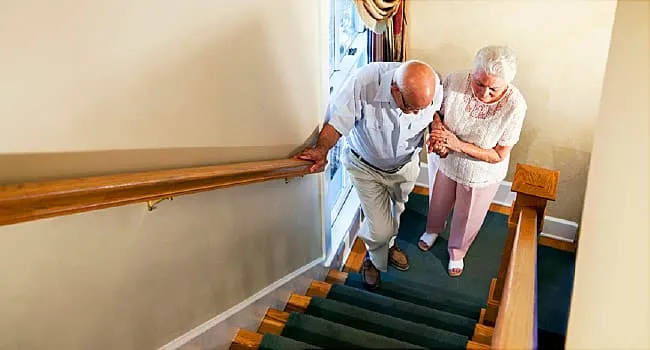
Use sturdy handrails on both sides if possible. Keep stairs well lit and free of objects. Repair loose carpeting or uneven steps. Take your time. The stairs are not a competitive sport.
Check Vision, Hearing, Feet, and Footwear
Fall prevention is not only about muscles. Vision problems, poor hearing, foot pain, and unsafe shoes can all increase fall risk. Schedule regular eye exams, update prescriptions, and ask about cataracts, glaucoma, or depth-perception issues if you feel unsteady.
Wear shoes with low heels, closed backs, and nonslip soles. Avoid floppy slippers, slick socks, and sandals that slide around. If foot pain, numbness, bunions, or neuropathy affect your walking, see a podiatrist or healthcare provider. Feet are the foundation of balance, and foundations deserve maintenance.
Review Medications That May Increase Falls
Some medications can cause dizziness, sleepiness, low blood pressure, blurred vision, or slower reaction time. These may include certain sleep aids, anxiety medications, blood pressure drugs, pain medicines, muscle relaxers, and some allergy medications.
Do not stop prescribed medication on your own. Instead, ask your doctor or pharmacist for a fall-risk medication review. Sometimes a dose adjustment, timing change, or safer alternative can reduce risk without sacrificing treatment.
Limit Alcohol and Avoid Smoking
Smoking can weaken bones and interfere with healing. Alcohol can reduce balance, increase fall risk, and harm bone health when consumed heavily. If you smoke, ask for help quitting. If you drink alcohol, discuss a safe limit with your clinician, especially if you take medications or have balance concerns.
This is not about being perfect. It is about stacking the odds in your favor. Bones prefer boring consistency over dramatic weekend decisions.
Protect Yourself After a First Fracture
A fracture after age 50 from a low-trauma event should be taken seriously. It may be a warning sign of osteoporosis or high future fracture risk. After one fragility fracture, preventing the next one becomes urgent.
Ask your doctor whether you need a bone density test, vitamin D testing, medication, physical therapy, or referral to a fracture liaison service if available. Many people receive excellent care for the broken bone itself but not enough follow-up to prevent another break. Do not let the fracture be treated like a one-time plot twist. It deserves a sequel-prevention plan.
Build a Fracture-Prevention Routine That Works in Real Life
The best plan is the one you can actually follow. Start with small, repeatable habits. Take a walk after breakfast. Keep calcium-rich foods in the refrigerator. Put resistance bands near your favorite chair. Place nightlights in the hallway. Schedule medication reminders. Keep your phone within reach but not underfoot. Little systems reduce the need for heroic willpower.
Here is a simple weekly structure: walk most days, do strength exercises two or three times per week, practice balance daily for a few minutes, eat protein at each meal, check your home for trip hazards, and take medications as directed. It sounds basic because basic works.
When to Call Your Doctor
Contact your healthcare provider if you develop sudden back pain, lose height, notice a new stooped posture, fall, fracture a bone, feel unusually dizzy, or have trouble walking safely. Also call if you have side effects from osteoporosis medication or are unsure how to take it correctly.
Osteoporosis care should be personalized. Your fracture-prevention plan may change over time based on age, bone density results, medical conditions, kidney function, dental procedures, falls, or new medications.
Personal Experiences and Practical Lessons for Preventing Fractures With Osteoporosis
One of the most useful lessons from people living with osteoporosis is that fracture prevention becomes easier when it feels normal, not scary. Many people begin with fear: fear of falling, fear of exercise, fear of lifting groceries, fear of doing something “wrong.” That fear is understandable, especially after a fracture. But the goal is not to become fragile in your mind just because your bones need care. The goal is to become informed, prepared, and confident.
A common experience is the “home safety wake-up call.” Someone may live in the same house for twenty years without noticing that the hallway rug curls at one corner, the bathroom light is too dim, or the dog’s favorite toy is basically a tiny land mine. After an osteoporosis diagnosis, these ordinary details suddenly matter. The practical fix is not glamorous, but it is powerful: remove the rug, add lighting, move clutter, install grab bars, and keep shoes by the bed. These small changes can make a home feel less like a hazard course and more like a support system.
Another real-world lesson is that exercise often feels intimidating at first. Many people think, “If my bones are weak, shouldn’t I avoid movement?” In reality, safe movement is usually part of the solution. A person who starts with ten-minute walks, gentle resistance bands, and supported balance practice may notice better confidence within weeks. The progress may be quiet: standing from a chair more easily, carrying a light grocery bag with better posture, or walking across a parking lot without feeling wobbly. These wins count. Bones and muscles respond to consistency, not drama.
Food habits also become more practical with experience. Instead of obsessing over every milligram of calcium, many people create a simple pattern: yogurt at breakfast, leafy greens at lunch, fortified milk or tofu during the day, and protein at dinner. Supplements can help when diet falls short, but they work best as part of a plan, not as a magic shield. The same is true for vitamin D. Testing, guidance, and steady habits beat random mega-doses every time.
Medication is another area where experience matters. Some people hesitate because they worry about side effects. That concern deserves a real conversation, not a quick dismissal. The most helpful approach is to ask the doctor clear questions: Why this medication? How much can it reduce fracture risk? What side effects should I watch for? How long will I take it? What happens if I miss a dose? When people understand the reason behind treatment, they are more likely to stick with it.
Finally, many people learn that preventing fractures is a team effort. A doctor may guide treatment, a physical therapist may teach safer movement, a pharmacist may identify risky medication combinations, and family members may help make the home safer. Accepting help is not weakness. It is strategy. Even professional athletes use coaches, and they are not trying to carry laundry baskets down stairs with osteoporosis.
The biggest experience-based takeaway is this: fracture prevention is not one giant decision. It is a collection of small decisions repeated daily. Turn on the light. Use the handrail. Take the medication correctly. Choose supportive shoes. Practice balance. Eat enough protein. Ask for help with heavy lifting. Schedule the scan. These choices may look ordinary, but together they protect mobility, independence, and quality of life.
Conclusion
Preventing fractures when you have osteoporosis is not about living cautiously in the smallest possible version of your life. It is about living wisely in a stronger, safer way. You can reduce fracture risk by combining medical care, bone-strengthening nutrition, safe exercise, fall prevention, medication when needed, and smart daily habits.
Start with your highest-impact changes: talk with your doctor about fracture risk and treatment, make your home safer, move your body regularly, get enough calcium and vitamin D, and practice balance. No single step is perfect, but together they create a sturdy defense. Osteoporosis may make bones more vulnerable, but with the right plan, you are far from powerless.