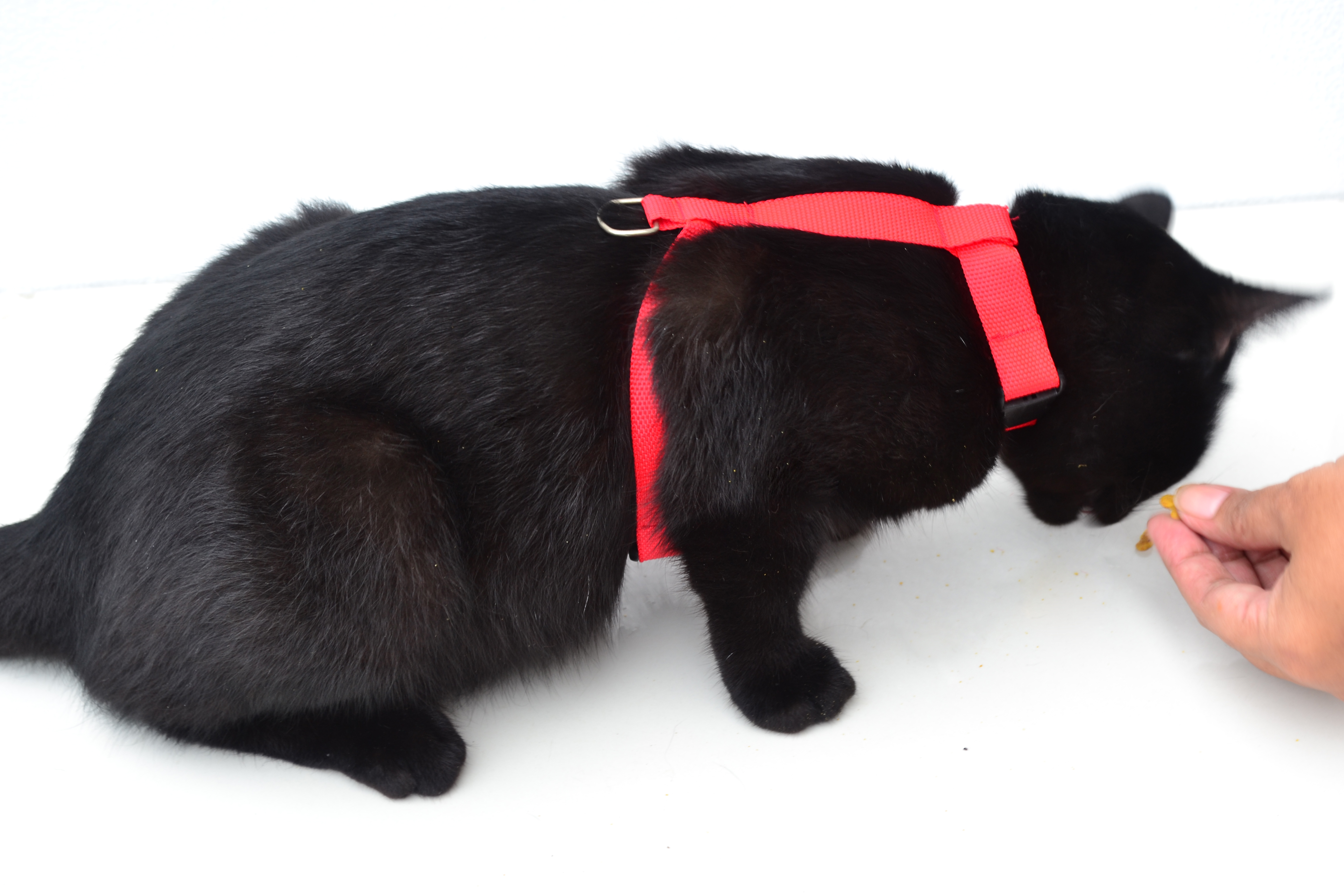
Putting a harness on a cat sounds simple until your cat suddenly transforms into a furry liquid, slides under the couch, and looks at you like you have personally betrayed the kingdom. The good news? Learning how to put on a cat harness does not have to become a dramatic household opera. With the right harness, a calm approach, and a little snack-based diplomacy, your cat can learn that wearing a harness is not the end of civilization.
A cat harness is useful for safe outdoor exploring, vet visits, travel, supervised backyard time, and enrichment for indoor cats. Unlike a collar, a harness spreads gentle pressure across the chest and shoulders instead of the neck. That matters because cats are experts at backing out of collars, and attaching a leash to a collar can be unsafe if your cat bolts, twists, or panics.
This guide explains the best way to put on a cat harness in easy steps, how to choose the right fit, how to introduce the harness without turning your living room into a rodeo, and what to do if your cat freezes, flops, or walks like a tiny robot wearing socks.
Why Use a Cat Harness Instead of a Collar?
A collar is great for identification tags, but it should not be the main tool for leash walking. A well-fitted cat harness gives you better control while reducing pressure on your cat’s delicate neck. Cats can slip out of collars surprisingly fast, especially when startled. A harness designed for cats is harder to escape and more comfortable for controlled outdoor time.
Harnesses are especially helpful for indoor cats who need more mental stimulation. A short walk in the yard or a slow sniffing session on the patio can feel like an epic safari to a cat. One leaf moves, a bird chirps, the breeze changes direction, and suddenly your cat is reading the neighborhood news like a tiny detective.
Before You Start: Pick the Right Cat Harness
The best cat harness is secure, adjustable, lightweight, and made specifically for cats. Dog harnesses may look similar, but cats have different body shapes and a much more advanced escape system. A harness that works for a small dog may be too loose around a cat’s shoulders or chest.
Common Types of Cat Harnesses
H-style harness: This design uses thin straps around the neck and chest. It is lightweight and less bulky, making it a good option for cats who dislike fabric touching too much of their body.
Vest harness: A vest-style harness covers more of the chest and back. It can feel more secure and may be harder for some cats to slip out of, but it can also feel more restrictive at first.
Step-in harness: This style usually requires your cat to place their front legs through openings before the harness buckles around the body. It can work well for calm cats, but some cats object to having their paws handled.
Jacket-style harness: This wraps around the cat’s body and usually fastens with Velcro or buckles. It offers good coverage and security, but you should introduce the sound of Velcro slowly because some cats treat it like thunder from another planet.
How Should a Cat Harness Fit?
A cat harness should be snug but not tight. A helpful rule is the “one to two finger test.” You should be able to slide one or two fingers under the straps, but the harness should not hang loose. If it is too tight, your cat may feel trapped or uncomfortable. If it is too loose, your cat may reverse out of it like a magician escaping a velvet bag.
The leash attachment ring should usually sit on the back, near the shoulder blades. Check that straps are not rubbing the armpits, pressing into the throat, or restricting normal movement. Always measure your cat’s chest girth according to the manufacturer’s instructions before buying.
How to Put on a Cat Harness the Best Way with Easy Steps
The secret is not speed. The secret is patience. Cats prefer to believe every new idea was their idea first. Your job is to make the harness feel familiar, safe, and rewarding before you ask your cat to wear it.
Step 1: Let Your Cat Inspect the Harness
Place the harness on the floor near your cat’s favorite area. Do not chase your cat with it. Do not wave it around like a victory flag. Just let it exist. Your cat may sniff it, ignore it, paw at it, sit on it, or glare at it from across the room.
Reward any calm curiosity with treats, praise, or a short play session. You can also place the harness near the food bowl for a few meals so your cat starts linking it with good things. This is called positive association, also known as “bribery with excellent public relations.”
Step 2: Practice the Sounds and Touch
Before putting the harness on, let your cat hear the clips, snaps, or Velcro. Fasten and unfasten it while offering treats. If your cat startles, make the sound softer or farther away. The goal is to make the harness boring in the best possible way.
Next, gently touch your cat with the harness while they are relaxed. Stroke their back with it once, reward them, and stop. Keep sessions short. A few calm seconds are better than five dramatic minutes.
Step 3: Put the Harness on Without Fastening It
When your cat is comfortable around the harness, gently place it on their body without buckling it. Give a treat right away. If your cat stays calm, remove the harness after a few seconds and reward again. This teaches your cat that harness time begins and ends peacefully.
If your cat ducks away, flattens their ears, growls, hides, or swats, pause and go back to the previous step. You are not failing. You are simply negotiating with a small animal who believes cardboard boxes are luxury apartments.
Step 4: Fasten the Harness for a Few Seconds
Once your cat accepts the harness resting on their body, fasten it gently. Check that no fur is caught in the buckle or Velcro. Give your cat a treat immediately, then remove the harness after a few seconds.
Repeat this for several short sessions. Gradually increase the time from a few seconds to one minute, then two minutes, then five. Some cats adjust quickly. Others need several days or weeks. Let your cat’s body language set the pace.
Step 5: Adjust the Fit Carefully
After fastening the harness, check the neck and chest straps. Use the one to two finger test. Make sure your cat can move naturally, breathe easily, and turn their head. The harness should not slide around or twist to one side.
Watch your cat walk. If the harness shifts a lot, it may be too loose. If your cat seems unable to move normally, it may be too tight or too bulky. A proper fit is the difference between “safe explorer” and “angry loaf with straps.”
Step 6: Let Your Cat Wear It Indoors
Keep the first indoor sessions short and positive. Let your cat wear the harness while eating a favorite treat, playing with a wand toy, or exploring a quiet room. Some cats freeze or flop over the first time they wear a harness. This is common. The sensation is new, and your cat may need time to understand that walking still works.
Do not laugh too loudly, even if your cat performs a slow-motion side flop worthy of an award. Stay calm, encourage movement with treats or toys, and remove the harness before your cat gets too frustrated.
Step 7: Attach the Leash Indoors
When your cat is comfortable wearing the harness, attach a lightweight leash. A standard leash around four to six feet is usually easier to manage than a long or retractable leash. Avoid retractable leashes because they can allow a cat to dart too far, tangle, or reach unsafe places quickly.
At first, let your cat move around indoors while you loosely hold the leash. Follow your cat instead of pulling them. This is not a dog walk. This is a cat-led inspection tour. Your cat may spend five minutes sniffing one chair leg. Respect the science.
Step 8: Practice Gentle Guidance
Once your cat is relaxed with the leash, practice calling them toward you with treats. Apply only light pressure on the leash, then reward when your cat moves in your direction. Never drag your cat. Pulling can scare them and make them dislike the harness.
The goal is cooperation, not control. Teach your cat that following you leads to good things, while the harness and leash remain comfortable and predictable.
Step 9: Try a Safe Outdoor Space
When your cat is confident indoors, choose a quiet, secure outdoor area. A fenced yard, calm patio, or low-traffic garden is better than a busy sidewalk. Put the harness and leash on before opening the door. Carry your cat outside or let them exit slowly if they are calm.
Keep the first outdoor session short. Five minutes may be plenty. Let your cat sniff, watch, and listen. Outdoor sounds can be intense for cats, especially if they have lived indoors. Cars, dogs, strangers, lawn equipment, and birds can all be exciting or scary.
Step 10: End on a Good Note
Stop before your cat becomes overwhelmed. Return indoors, remove the harness, and offer praise or treats. Ending while things are still calm helps your cat feel more confident next time.
Common Mistakes to Avoid
Using the Harness for the First Time Outside
Do not put a harness on your cat for the first time and immediately head outdoors. That is like handing someone a bicycle and pushing them into traffic. Indoor practice builds confidence before outdoor distractions enter the story.
Choosing a Harness That Is Too Loose
Cats can back out of loose harnesses when frightened. Always check the fit before each outing. Cats can gain or lose weight, and straps can loosen over time.
Leaving the Harness on Unsupervised
A harness should be used only during supervised training, travel, or walks. Remove it when the session is over. Cats can snag harnesses on furniture, scratch at straps, or become uncomfortable if left wearing one too long.
Forcing Your Cat to Walk
Some cats enjoy walking. Some prefer sitting in one spot and judging the grass. Both are valid. Do not pull, drag, or rush your cat. Harness time should be enriching, not stressful.
Ignoring Fear Signals
Watch for flattened ears, tucked posture, tail thrashing, growling, hissing, heavy hiding, or repeated attempts to escape. These are signs your cat needs a break. Go back a step and make the next session easier.
What If Your Cat Hates the Harness?
Not every cat becomes a harness hero, and that is okay. Age, personality, health, past experiences, and confidence level all matter. A curious, food-motivated cat may adapt quickly. A nervous cat may need weeks of gentle practice. A senior cat with mobility issues may prefer window watching, puzzle feeders, or a screened catio instead.
If your cat strongly resists, stop and reassess. Try a different harness style, use better treats, shorten sessions, or ask your veterinarian for advice. Sometimes the best choice is to respect your cat’s preference. Outdoor adventure is optional. Your cat can still live a rich, happy life indoors with toys, climbing spaces, scratching posts, food puzzles, and quality playtime.
Safety Tips for Cat Harness Walks
Before going outside, make sure your cat is healthy, current on appropriate veterinary care, and protected against parasites based on your vet’s recommendation. Bring treats, avoid hot pavement, skip noisy areas, and stay away from loose dogs. A backpack carrier or regular carrier can be useful if your cat gets scared and needs a safe place to retreat.
Keep walks short at first. Cats do not need to march around the block like they are training for a neighborhood parade. A good cat walk may involve sniffing a bush, sitting under a chair, and staring intensely at a beetle. That still counts as enrichment.
Extra Experience: What Real Harness Training Often Feels Like
The first real lesson of cat harness training is humility. You may watch three videos, read five guides, measure your cat carefully, buy the perfect harness, and prepare gourmet treats. Then your cat may sniff the harness once and leave the room as if you have brought home a cursed object. This is normal. Cats do not run on human schedules. They run on cat logic, which is mysterious, dramatic, and occasionally located behind the refrigerator.
A practical experience many cat owners share is that the first session should be almost laughably easy. Instead of trying to put the harness on, place it near your cat and reward calm behavior. That may be the whole session. The next day, touch the harness to your cat’s shoulder and reward. The day after that, place it over the back for two seconds. Progress may look tiny, but tiny progress is still progress. With cats, slow is smooth, and smooth is fast.
Another common experience is the famous harness freeze. Your cat stands still, eyes wide, acting as though gravity has increased by 400 percent. Some cats flop sideways. Some crouch. Some walk backward. This usually happens because the feeling of straps or fabric on the body is unfamiliar. The best response is not to force movement. Instead, use a favorite toy or treat to encourage one small step. Reward that step like your cat just won a gold medal in bravery.
Food timing can also make a big difference. Many cats respond better when harness practice happens before a meal, not after. A hungry-but-not-starving cat is often more willing to participate. You can put the harness on for a few seconds, serve dinner, and remove the harness. Over time, your cat may begin to think, “Ah yes, the dinner jacket.” That is the emotional shift you want.
Outdoor practice brings another layer of reality. Even a confident indoor cat may become cautious outside. The world is louder, brighter, smellier, and full of suspicious leaves. The first outdoor trip should be close to home and very short. Let your cat choose whether to step, sit, sniff, or retreat. The win is not distance. The win is calm curiosity.
One useful habit is checking the harness fit every single time. Cats can twist when startled, and a loose harness can become an escape route. Before opening the door, check the chest strap, neck area, and leash clip. Keep one hand on the leash and stay alert. If a dog appears, a truck rumbles by, or your cat suddenly puffs up like a Halloween decoration, calmly move back indoors or place your cat in a carrier.
Finally, remember that successful harness training is not about making your cat act like a dog. A cat walk may be slow, weird, and mostly stationary. That is fine. Your cat is not failing the assignment. Your cat is experiencing the world in a cat way: sniff first, decide later, trust gradually. When you respect that pace, the harness becomes less of a strange outfit and more of a key to safe little adventures.
Conclusion
Learning how to put on a cat harness the best way starts with patience, not pressure. Choose a secure cat-specific harness, introduce it slowly, reward calm behavior, practice indoors, and move outside only when your cat is ready. Keep sessions short, watch body language, and never force your cat to walk. With the right approach, a harness can open the door to safe exploration, fresh air, mental enrichment, and a stronger bond with your favorite whiskered supervisor.
Note: This article is written for general educational purposes. For cats with health issues, anxiety, mobility problems, or a history of escaping, consult a veterinarian or qualified feline behavior professional before beginning harness training.