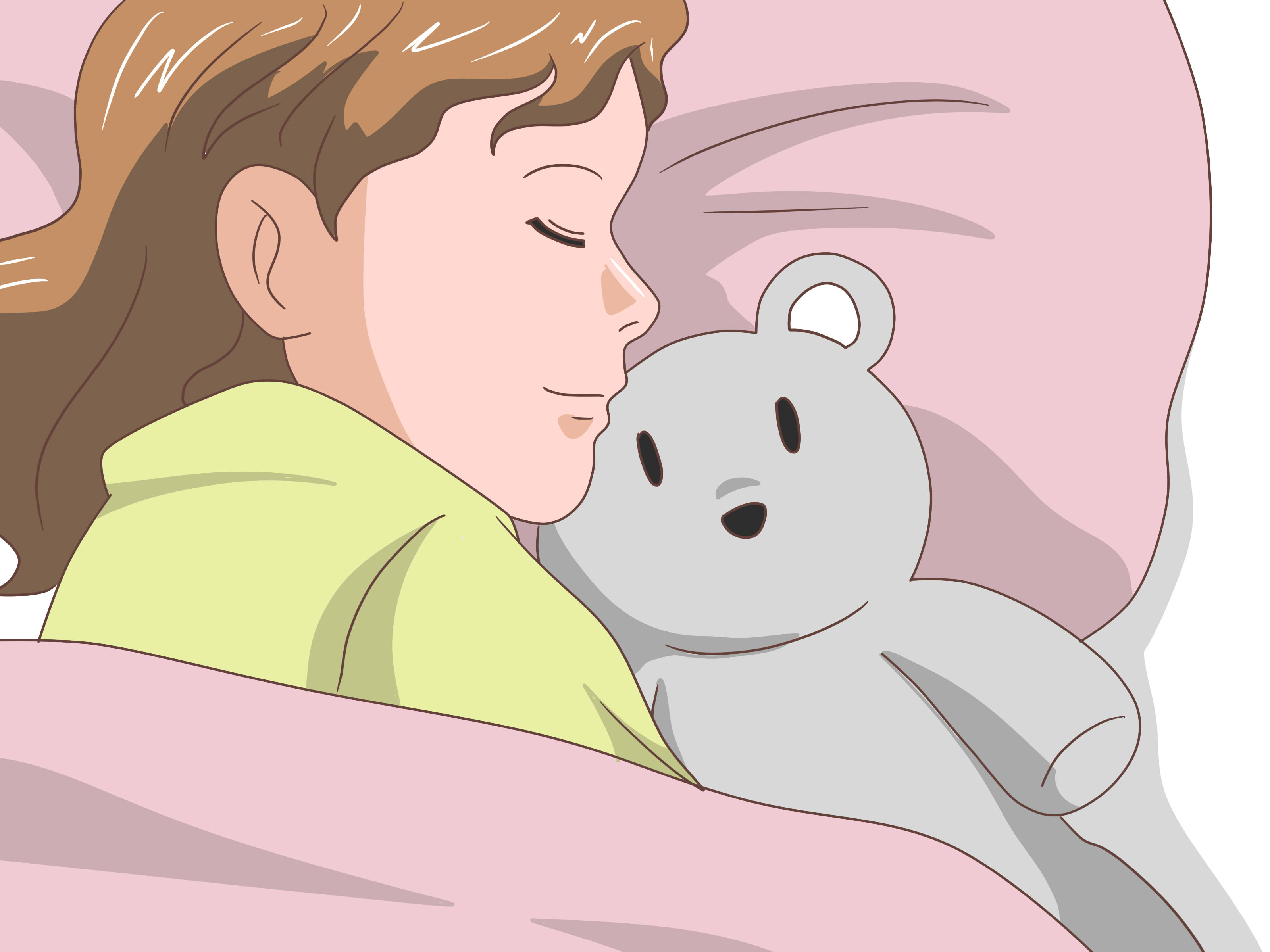
There are days when the world asks too much of us. Emails behave like angry pigeons, chores multiply like rabbits, and even the refrigerator seems to judge our snack choices. On those days, spending time with a stuffed toy is not childish nonsenseit is a tiny, fluffy rebellion against stress. A stuffed animal, plush toy, teddy bear, or soft companion can turn an ordinary day into a cozy, creative, low-pressure adventure.
This guide is for anyone who wants to make a full day feel more imaginative, comforting, and fun. Maybe you are planning a cute activity for a child. Maybe you are organizing a themed family day. Maybe you are a teenager or adult who still has a beloved plush friend and refuses to apologize for emotional support with button eyes. Excellent. You are among civilized people.
Stuffed toys can support pretend play, storytelling, emotional comfort, reading routines, creative thinking, and even simple mindfulness. Child-development experts often emphasize the value of open-ended play, and plush toys are beautifully open-ended. They do not demand batteries, updates, Wi-Fi passwords, or a subscription plan called “Bear Premium Plus.” They simply sit there, ready to become a breakfast guest, travel buddy, movie critic, art model, or bedtime security consultant.
Why Spend a Whole Day With a Stuffed Toy?
A stuffed toy gives structure to a day without turning it into homework wearing a fake mustache. It can help create a playful routine from morning to night, especially for children who enjoy pretend play or need gentle transitions between activities. For adults and teens, a plush toy can become a cozy anchor for self-care, creativity, journaling, photography, or simply making an ordinary Saturday less beige.
Stuffed animals are also useful because they invite imagination without too many rules. A dinosaur plush can become a chef. A teddy bear can run a weather station. A bunny can become the mayor of the couch. This kind of pretend play encourages storytelling, language, planning, and problem-solving. It also gives people a safe, silly way to express feelings: “Mr. Bear is nervous about math class” is sometimes easier to say than “I am nervous about math class.” Sneaky? Yes. Effective? Also yes.
Start the Morning With a Plush Toy Wake-Up Routine
The best stuffed toy day begins with ceremony. Not a dramatic royal coronationunless you have a cape, in which case, proceedbut a simple morning routine that sets the mood. Place the stuffed toy near the bed, greet it by name, and decide what kind of day you are having together. Is today a cozy indoor day? A mini adventure day? A creativity marathon? A “we are not leaving the blanket kingdom” day?
Make a Tiny Morning Checklist
Create a simple checklist for you and your stuffed toy. It might include making the bed, opening the curtains, brushing teeth, choosing an outfit, and deciding the plush toy’s role for the day. For children, this can make routines feel less like commands and more like a cooperative mission. For teens or adults, it can turn a slow morning into something warm and intentional.
Example morning checklist:
- Say good morning to your stuffed toy.
- Give the toy a “today’s mood” rating: sleepy bear, excited bunny, calm cat, dramatic penguin.
- Pick one small goal for the day.
- Choose a safe spot where the plush toy can sit during breakfast.
- Take one cute photo to begin the day.
This tiny ritual creates a sense of companionship. It does not have to be complicated. In fact, complicated morning routines tend to collapse faster than a pancake made of soup.
Invite Your Stuffed Toy to Breakfast
Breakfast is an easy way to begin pretend play. Set your stuffed toy beside you in a chair, on a clean shelf, or on a small blanket away from spills. You do not need to feed the toy real food. Plush fur and maple syrup are not best friends. Instead, make a pretend menu. Your bear might order imaginary blueberry pancakes. Your frog might request invisible tea. Your dragon might demand toast “with extra volcano.”
This activity works well for young children because it encourages conversation and role-play. Ask questions like, “What does Teddy want for breakfast?” or “Is Bunny feeling hungry or sleepy?” The answers can become the beginning of a story. For older kids, teens, or adults, turn it into a creative writing prompt. Write a few lines about your plush toy opening a tiny café. Bonus points if the café has a ridiculous name like “The Crumb Palace” or “Sir Fluffington’s Toast Bureau.”
Plan a Stuffed Toy Adventure
After breakfast, give the day a theme. A stuffed toy adventure can happen anywhere: in the bedroom, living room, backyard, local park, library, or even during errands. The key is to create a simple mission. The mission gives the day momentum and makes ordinary activities feel more memorable.
Indoor Adventure Ideas
If you are staying indoors, build a plush toy world. Use pillows as mountains, blankets as caves, books as buildings, and cardboard boxes as castles. Your stuffed toy can go on a rescue mission, host a tea party, open a pretend doctor’s office, or explore a jungle made entirely of houseplants. Please do not let the jungle know it is just a pothos. It has confidence issues.
Try one of these indoor missions:
- The Lost Sock Expedition: Your plush toy leads a search party to find missing socks.
- The Blanket Fort Embassy: Build a fort and declare it a peaceful nation of snacks and naps.
- The Stuffed Toy Clinic: Give your plush toy a pretend checkup with a toy stethoscope or paper chart.
- The Couch Mountain Hike: Create a safe obstacle course using cushions and soft items.
- The Library Quest: Let your stuffed toy “choose” a book for reading time.
Outdoor Adventure Ideas
If you take your stuffed toy outside, choose one that is easy to clean and not too precious to risk a little dust. A backyard picnic, short walk, or park bench photo session can make the day feel special. Keep the toy away from mud, puddles, rough surfaces, and pets that may mistake it for a chew toy with dreams.
Outdoor stuffed toy activities can include a nature scavenger hunt, picnic storytelling, cloud watching, or a tiny travel diary. Ask: “What did the stuffed toy see today?” “Which leaf is its favorite?” “What would it name that cloud?” These questions are simple, but they spark observation and imagination.
Read With Your Stuffed Toy
Reading with a stuffed toy is one of the easiest and most useful ways to spend time together. The plush toy becomes a quiet reading buddy, which can be especially helpful for children who are practicing reading aloud. A stuffed animal does not interrupt, correct pronunciation with attitude, or say, “Actually, the plot structure is weak.” It listens beautifully.
Choose a book that matches the mood of the day. For a cozy day, pick a gentle story. For an adventure day, pick something with maps, forests, magic, animals, or brave little characters. For older readers, use the stuffed toy as a creative companion: read a chapter, then write a short review from the toy’s point of view. Imagine a teddy bear reviewing a mystery novel: “Excellent suspense, but not enough honey.”
Create a Plush Toy Book Club
A one-person book club sounds lonely until you add stuffed animals. Arrange a few plush toys in a circle and give each one a personality. One loves adventure. One only reads cookbooks. One is deeply suspicious of dragons. After reading, ask what each toy thought. This makes reading interactive and builds storytelling skills without making it feel like a worksheet escaped from school.
Make Art Inspired by Your Stuffed Toy
Art time is a perfect middle-of-the-day activity. Place your stuffed toy on a chair or table and draw it like a portrait. The drawing does not have to be realistic. In fact, a lopsided bear with triangle ears may have more charm than a museum masterpiece. Creativity is not about perfection; it is about giving imagination somewhere to park its bicycle.
Try these stuffed toy art projects:
- Draw your stuffed toy as a superhero.
- Create a paper crown, scarf, or badge for it.
- Design a bedroom, spaceship, café, or castle for the toy.
- Make a comic strip about its morning adventure.
- Create a “passport” for your plush toy with stamps from imaginary places.
For older kids and teens, photography can be just as fun. Stage your stuffed toy reading a book, looking out a window, sitting beside a cup of cocoa, or “helping” with homework. This can become a mini photo essay: “A Day in the Life of Captain Buttons.” Keep the lighting natural and the background simple. Stuffed toys are photogenic, but they do not have agents, so keep things humble.
Use Your Stuffed Toy for Emotional Check-Ins
A stuffed toy can make emotional check-ins feel easier and less awkward. This works for children, but it can also help older people who like journaling or self-reflection. Instead of asking, “How do I feel?” ask, “How does my stuffed toy feel today?” The answer often reveals something useful.
For example, “Bear feels tired because everyone is too loud” might mean the person needs quiet time. “Rabbit wants to hide in a blanket cave” might mean the day feels overwhelming. This indirect method can make feelings less intimidating. It adds just enough playfulness to open the door without kicking it down.
Try the Three-Question Plush Check-In
Use these questions during the afternoon, especially after school, chores, travel, or a busy activity:
- What is my stuffed toy feeling right now?
- What does my stuffed toy need next?
- What is one kind thing we can do for ourselves today?
The answer might be a snack, a nap, a short walk, a quiet song, a journal entry, or five minutes of doing absolutely nothing. Doing nothing has a bad reputation, but sometimes it is just your brain putting on pajamas.
Have Lunch or a Picnic With Your Plush Friend
Lunch can become a small event. Put down a clean napkin or blanket, place the stuffed toy nearby, and create a pretend picnic. If you are indoors, call it a floor picnic. If you are outdoors, keep the toy away from wet grass and crumb zones. The goal is not to make the stuffed toy “eat,” but to turn lunch into a moment of imagination and connection.
For children, ask them to prepare a pretend plate for the toy using toy food, paper cutouts, or safe household items. For older kids or adults, write a tiny restaurant review from the stuffed toy’s perspective. “The sandwich was visually compelling, though I was not allowed to touch it because I am made of fabric.” Honestly, fair.
Give Your Stuffed Toy a Role in Chores
Chores are not usually glamorous. Laundry does not arrive wearing sunglasses. But a stuffed toy can make simple tasks more playful. Assign your plush toy a “job” during cleanup. It can be the laundry supervisor, desk inspector, bookshelf mayor, or official sock-matching judge. Children often respond well when tasks become part of a story, and adults may find that adding humor makes chores feel less dreadful.
Try this: place the stuffed toy on a chair and say, “The inspector will check whether the bed is made.” Then make the bed. Give the toy a serious voice and announce, “Approved. Needs more pillows, but approved.” Yes, it is silly. That is the point. Silliness is free, renewable energy.
Practice Kindness and Care
Spending a day with a stuffed toy is also a gentle way to practice care. Brush the toy’s fur with a soft brush if the care label allows it. Straighten its ribbon. Place it somewhere clean. Repair loose stitching if you know how, or ask someone experienced to help. These small acts encourage responsibility and tenderness.
For younger children, caring for a stuffed animal can model empathy. They can pretend the toy is sleepy, nervous, excited, or sick. They can offer a blanket, a pretend bandage, or a quiet resting place. This kind of nurturing play helps children explore social roles in a safe, low-pressure way.
Clean and Protect Your Stuffed Toy Safely
A full day of plush companionship may include cleaning, especially if the toy joins outdoor adventures or snack-adjacent activities. Always check the care label first. Some stuffed toys are machine washable, while others need surface cleaning. If the toy has electronics, delicate decorations, glued-on parts, or sentimental value that cannot be replaced, avoid tossing it into the washing machine like a tiny fabric astronaut.
For machine-washable plush toys, place the toy in a mesh laundry bag or pillowcase, use a gentle cycle, and let it air dry if the label recommends it. For surface-clean-only toys, use a lightly damp cloth and mild soap, then let the toy dry completely. Avoid harsh chemicals on anything a child may cuddle. Clean hands before play and keep plush toys away from food messes when possible.
Important Safety Notes
For babies under one year old, soft objects such as stuffed animals should not be placed in the sleep space. A safe infant sleep area should be firm, flat, and free of loose bedding and soft toys. For toddlers and young children, check stuffed toys for loose eyes, buttons, beads, ribbons, batteries, seams, or small parts that could become choking hazards. Choose age-appropriate plush toys and follow product labels. Safety is not the villain of fun; it is the stage crew making sure the fun does not fall into the orchestra pit.
Turn the Afternoon Into Storytelling Time
Afternoon is the perfect time for a bigger stuffed toy story. By now, your plush friend has had breakfast, possibly judged your laundry, and maybe survived a daring expedition to the backyard. It deserves a plot.
Start with a simple story formula:
- Character: Who is the stuffed toy today?
- Place: Where does the adventure happen?
- Problem: What goes wrong?
- Helper: Who helps solve it?
- Ending: How does everyone feel at the end?
For example: “Professor Panda is traveling through the Sofa Desert when the remote control disappears. With help from Captain Bunny and a suspiciously quiet houseplant, Professor Panda solves the mystery and restores peace to movie night.” That is literature. Possibly not award-winning literature, but literature nonetheless.
Host a Stuffed Toy Tea Party or Movie Night
As the day slows down, plan a cozy event. A stuffed toy tea party can be simple: cups, napkins, pretend snacks, and a few plush guests. A movie night can be even easier. Pick a family-friendly film, place the toy beside you, and give it a tiny blanket. You can also rate the movie together afterward. Did the plush toy enjoy the soundtrack? Was there enough adventure? Did the villain have poor manners? Important questions.
For a screen-free option, host a “radio show” instead. Tell a story out loud, make sound effects, and let each stuffed toy “speak.” This is especially fun for families because everyone can give the toys different voices. One toy can sound brave, another sleepy, another overly dramatic about snacks. There is always one overly dramatic snack friend. Respect the ecosystem.
Wind Down With a Cozy Evening Routine
Evening is when a stuffed toy shines. Use it as part of a calming routine: tidy the play area, choose pajamas, read a book, write a short journal entry, and place the toy in its bedtime spot. For children old enough to sleep safely with a stuffed animal, this can be comforting. For teens and adults, a plush toy can still be part of a cozy sleep environment, especially during stressful times.
Create a tiny “end of day report”:
- Best moment of the day
- Funniest thing that happened
- One thing the stuffed toy “learned”
- One thing you are grateful for
- Tomorrow’s mini adventure idea
This routine turns the day into a complete story. It also encourages reflection, gratitude, and memory-making. And unlike many wellness routines, it does not require expensive candles, complicated apps, or pretending kale chips are emotionally satisfying.
More Creative Ideas for Spending the Day With a Stuffed Toy
Create a Plush Toy Travel Journal
Even if you never leave the house, your stuffed toy can have a travel journal. Draw maps of rooms as if they were countries. The kitchen becomes Spoonland. The hallway becomes The Long Road. The laundry room becomes The Swamp of Mysterious Socks. Write one sentence about each place your stuffed toy visits.
Make a Stuffed Toy News Report
Pretend your plush toy is a news anchor. Report on important household events: “Breaking news: A cereal spill occurred at 8:42 a.m. Officials say the spoon was involved.” This activity builds humor, language, and observation skills.
Design a Mini Wardrobe
Use scrap fabric, paper, ribbons, or old clean socks to create simple outfits. Avoid anything that could damage the toy or become unsafe for small children. A paper cape can turn a teddy bear into a superhero. A tiny scarf can make a penguin look like it has a winter podcast.
Take a Mindful Plush Break
Hold the stuffed toy and take five slow breaths. Notice the texture, weight, color, and shape. This simple sensory activity can be calming after a busy day. It is not magic, but it can help the nervous system slow down. Also, stuffed toys are excellent at silence, which is more than can be said for most group chats.
Experience Section: What It Feels Like to Spend an Entire Day With a Stuffed Toy
Spending an entire day with a stuffed toy sounds simple until you actually try it. At first, it may feel a little silly. You set a teddy bear beside your breakfast and think, “Well, this is new.” But after a few minutes, the awkwardness softens. The toy becomes a playful reminder to slow down, notice small moments, and stop treating every hour like it needs to win an efficiency contest.
One of the nicest experiences is how a stuffed toy changes the mood of ordinary routines. Making the bed becomes “preparing headquarters.” Reading becomes “hosting a book club.” Walking to the mailbox becomes “a neighborhood expedition.” The activity itself does not change much, but the story around it does. That story adds color. It gives your brain a small vacation without requiring plane tickets, hotel fees, or the emotional puzzle of packing socks.
Another surprising part is how easily a stuffed toy encourages reflection. When you ask, “What does my plush toy need right now?” the answer often mirrors your own needs. Maybe the toy needs a quiet corner, which really means you need a break. Maybe it wants to go outside, which means you have been indoors too long. Maybe it wants a snack, which is less metaphorical and more urgent. Either way, the toy becomes a gentle way to listen to yourself without making the whole thing feel too serious.
For families, the experience can be even richer. A parent and child spending the day with a stuffed animal can create shared jokes, little stories, and memories that are easy to repeat. The stuffed toy becomes a character in family life. It can “remind” everyone to clean up, “choose” the bedtime story, or “ask” for a picnic. These playful moments can reduce friction because the request comes through imagination instead of another adult command floating across the room like a tired announcement.
For teens, the experience can become a mix of nostalgia and creativity. Many people keep plush toys from childhood but leave them on shelves as decorations. Spending a day with one brings back the reason it mattered in the first place. It may represent comfort, humor, safety, or a version of yourself that had more time to imagine. Taking photos, writing a mini story, or making a small comic about the toy can feel surprisingly meaningful. It is not about pretending to be younger. It is about keeping access to play, which is useful at any age.
For adults, a stuffed toy day can work like gentle self-care with a sense of humor. You might not carry a teddy bear into a business meeting, although honestly, some meetings would improve dramatically. But at home, the stuffed toy can become a cozy object for journaling, reading, planning, or decompressing. It can sit beside a laptop during a difficult task, appear in a gratitude photo, or become a reminder that not everything in life needs to be sleek, optimized, and serious.
The biggest lesson from spending a whole day with a stuffed toy is that comfort and imagination are not useless extras. They help make life feel more human. A plush toy cannot solve real problems, pay bills, finish homework, or fold laundry correctly. It has no thumbs, and that is a major limitation. But it can make the day softer. It can invite you to tell a story, take a breath, laugh at something small, and treat yourself or someone else with more kindness.
By bedtime, the stuffed toy has become more than a cute object. It has been a breakfast guest, adventure partner, reading buddy, art model, emotional translator, and evening companion. That is an impressive résumé for someone filled with stuffing.
Conclusion: A Stuffed Toy Day Is Really a Playful Self-Care Day
Learning how to spend the entire day with a stuffed toy is not about escaping reality forever. It is about adding imagination, comfort, and kindness to the reality you already have. From morning routines and pretend breakfasts to reading time, art projects, outdoor adventures, emotional check-ins, and cozy bedtime rituals, a stuffed toy can turn a plain day into a memorable one.
The best part is that there is no perfect way to do it. Your plush toy does not care if the story is messy, the drawing is crooked, or the tea party serves invisible cookies. It simply gives you a reason to play, pause, and enjoy small moments. In a world that often rewards being busy, serious, and glued to screens, spending a day with a stuffed toy is a soft reminder that imagination still belongs on the schedule.
Note: This article is based on real child-development, play, safety, and hygiene guidance from reputable U.S. organizations and expert resources, including pediatric, early-childhood, toy-safety, and public-health references. It is written for general informational and creative lifestyle purposes, not as medical advice.