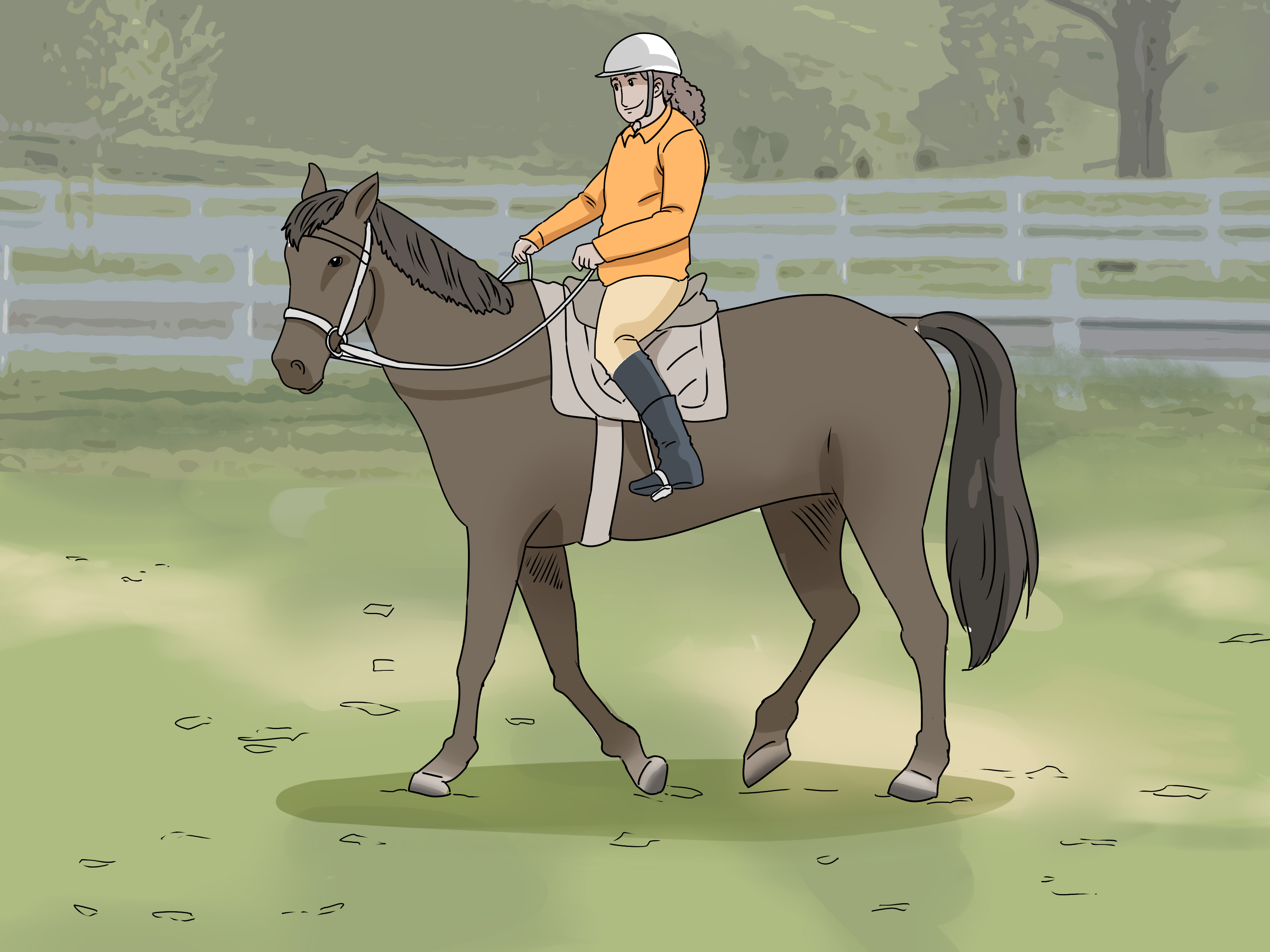
Starting a horse under saddle is one of the most excitingand humblingchapters in horsemanship. It is the moment when all the quiet groundwork, patient handling, awkward saddle-pad introductions, and “please stop chewing the lead rope” conversations begin to turn into a riding partnership. Done well, it builds confidence, balance, trust, and communication. Done too fast, it can create fear, resistance, soreness, and the kind of rodeo nobody bought tickets for.
This guide explains how to start a horse under saddle in 11 practical steps, with a focus on safety, welfare, progressive training, and clear communication. It is written for horse owners who want to understand the processnot as a substitute for a qualified trainer. A young or green horse can be powerful, reactive, and unpredictable. If you are not experienced with colt starting, work directly with a professional. Your helmet, your horse’s back, and your future self will all be grateful.
Before You Begin: Is the Horse Ready?
Before asking how to start a horse under saddle, ask whether the horse should be started yet. Age matters, but maturity matters more. Many horses begin light under-saddle work around three to four years old, depending on breed, size, conformation, health, and intended discipline. Some racehorses begin earlier; some warmbloods, drafts, and slow-maturing horses may benefit from waiting longer. The goal is not to win the “first ride” race. The goal is to produce a sound, willing, confident riding horse.
Have a veterinarian check teeth, soundness, back comfort, body condition, and general health. Poor saddle fit, dental pain, lameness, ulcers, or back soreness can look like “bad behavior” when the horse is actually saying, “Something hurts, human.” Also consider the rider. A green horse and a green rider are a classic recipe for accidental gymnastics.
How to Start a Horse Under Saddle: 11 Steps
1. Build Respectful Ground Manners First
Ground manners are the alphabet of under-saddle training. A horse should lead quietly, stop when asked, back up, yield the shoulders and hindquarters, stand tied safely, pick up all four feet, and remain attentive without crowding the handler. These skills teach the horse that human cues are clear, consistent, and worth listening to.
Keep sessions short and successful. Ten calm minutes are better than forty dramatic ones. Reward try, release pressure immediately when the horse gives the right answer, and avoid turning every lesson into a courtroom argument. If the horse cannot focus on the ground, adding a saddle will not magically install manners. It will simply give the chaos accessories.
2. Teach Pressure and Release Clearly
Most riding cues are built on pressure and release. A horse learns to move away from pressure, follow a feel, and search for the comfortable answer. On the ground, teach the horse to yield to halter pressure, step forward from a light cue, back from gentle pressure, and soften laterally to each side.
The timing of the release is everything. If you ask the horse to step back and release the instant one foot moves, the horse learns quickly. If you keep pulling after the horse tries, the horse learns that the cue is confusing or impossible. Clear release creates confidence. Muddy release creates frustration.
3. Desensitize Without Flooding
Before starting a horse under saddle, introduce everyday sights, sounds, and sensations in a controlled way. A saddle pad, rope, jacket, mounting block, clippers, spray bottle, plastic bag, or flapping stirrup can all become tiny dragons to a young horse. Let the horse investigate new objects, retreat when needed, and return when calmer.
Good desensitizing is not trapping a frightened horse until it “gives up.” That is flooding, and it can damage trust. Instead, work below the horse’s panic threshold. Rub with the pad, remove it, repeat. Let the horse sniff the saddle. Move slowly around both sides. Reward relaxation. The horse should finish thinking, “That was weird, but I survived,” not “I need a lawyer.”
4. Introduce the Saddle Pad and Saddle Gradually
Start with the saddle pad. Place it on and off the horse’s back until the horse stands quietly. Move it gently over the shoulder, barrel, and hindquarters. When the horse accepts the pad, introduce the saddle. Make sure it fits reasonably well and does not pinch the withers, bridge across the back, slide excessively, or press unevenly.
At first, set the saddle on quietly and remove it. Do not immediately cinch it tight. Once the horse accepts the saddle, tighten the girth in stages. Walk a few steps, tighten a little, walk again. Some horses hump their backs or scoot forward the first time they feel a girth. Stay calm, stay safe, and do not punish confusion.
5. Add the Bridle or Bit With Patience
Whether you start in a snaffle, side-pull, bosal, or other appropriate setup depends on your discipline, trainer, and horse. Whatever equipment you choose, it should be mild, well-fitted, and used by educated hands. A bit is not a steering wheel; it is a communication tool. Heavy hands can teach a young horse to brace, gape, toss the head, or fear contact.
Teach the horse to lower the head, open the mouth softly, and accept the bridle without a wrestling match. Check teeth before bitting. Wolf teeth, sharp points, or mouth discomfort can create problems before the first ride even happens. If the horse reacts strongly to bridling, investigate pain and handling gaps before moving forward.
6. Practice Leading, Flexing, and Yielding While Tacked Up
Once saddled, return to familiar groundwork. Lead, stop, back, turn, and yield the hindquarters. This helps the horse understand that the saddle does not change the basic rules. Ask for soft lateral flexion from both sides. The horse should give to the rein or lead pressure without pulling, rooting, or spinning away.
This stage is especially useful because it reveals small holes in training. If the horse cannot bend calmly from the ground, steering under saddle will be guesswork. If the horse rushes when the stirrups swing, spend more time walking, rubbing, and letting the equipment move naturally.
7. Use Longeing or Round-Pen Work Sparingly and Wisely
Longeing can help a young horse learn voice cues, rhythm, and forward movement while wearing tack. However, endless small circles are hard on developing joints. Keep circles large, footing safe, and sessions brief. Avoid drilling a tired, unbalanced horse until it is simply running on adrenaline and poor life choices.
Use voice cues such as “walk,” “trot,” “whoa,” and “easy.” The goal is not to exhaust the horse before mounting. The goal is to confirm that the horse can move calmly, respond to cues, and think while wearing tack. A tired horse is not the same as a trained horse.
8. Teach the Mounting Block Lesson
The mounting block is a major milestone. Many first-ride problems begin because the horse never learned to stand quietly while a person gets above them. Start by leading the horse beside the block. Step up and down. Rub the neck, shoulder, saddle, and rump from above. Lean over the saddle without putting full weight in the stirrup.
Reward stillness. If the horse moves, quietly reposition and try again. Do not chase, yank, or turn mounting into a wrestling event. The horse should learn that standing at the block is easy and comfortable. A horse that parks quietly for mounting is safer for every rider who will ever climb aboard.
9. Introduce Weight in the Saddle
Before the first full ride, introduce weight gradually. A skilled helper can hold the horse while the rider places weight in the stirrup, leans across the saddle, and steps down. Repeat from both sides if appropriate. Watch the horse’s expression, breathing, back, tail, and feet. Tension is information.
When the horse accepts partial weight, the rider can gently swing a leg over and sit lightly. The first sit may last only a few seconds. That is fine. The first goal is not to ride into the sunset. The first goal is for the horse to think, “Oh, that’s all?” If the horse stands quietly, dismount and praise. Sometimes the best first ride is barely a ride at all.
10. Take the First Steps Under Saddle
For the first steps, use an enclosed, familiar area with good footing. A calm handler may lead the horse while the rider sits quietly. Ask for one or two steps forward, then stop. Keep the rider balanced, relaxed, and quiet. Young horses are sensitive to shifting weight, gripping legs, and accidental rein pressure.
Gradually build to walking small circles, stopping, and turning. Use the same cues the horse already understands from groundwork: voice, light rein, soft leg, and release. If the horse gets worried, return to something easy. Confidence is built in layers, not dumped on like gravel.
11. Build a Simple Riding Foundation Slowly
After the first rides, focus on the basics: walk forward, stop, turn left, turn right, back a step, and stand. Short sessions are best. A young horse’s body and mind fatigue quickly. Two or three good moments can be more valuable than a long ride full of tension.
As the horse gains confidence, add short trot work, larger figures, transitions, and eventually quiet rides outside the pen. Avoid rushing into cantering, tight circles, jumping, speed events, or long trail rides. Progressive conditioning allows muscles, tendons, ligaments, bones, and the horse’s brain to adapt. The best young horses are not the ones pushed hardest; they are the ones brought along thoughtfully.
Common Mistakes When Starting a Horse Under Saddle
Moving Too Fast
The biggest mistake is treating the process like a checklist instead of a conversation. A horse may accept the saddle in one day but need two weeks to relax at the mounting block. Another may love the block but object to the girth. Let the horse’s responses guide the pace.
Ignoring Pain Signals
Bucking, rearing, bolting, biting during saddling, tail swishing, pinned ears, girthiness, and refusal to go forward can have physical causes. Always rule out pain before labeling the horse stubborn. Horses do not wake up planning to ruin your Tuesday. Usually, they are reacting to discomfort, fear, confusion, or inconsistent cues.
Using Poorly Fitted Equipment
A saddle that pinches or rocks can make a young horse resent work before training truly begins. Check fit often because young horses change shape as they grow and develop muscle. A saddle that fit in March may become a back-squishing pancake by September.
Skipping Professional Help
Starting a horse under saddle is a skilled job. Even experienced riders may not be experienced starters. A qualified trainer can read subtle signs, prevent bad habits, and keep the process safer. Professional help is not a failure; it is good horsemanship.
Safety Tips for the First Rides
Always use a safe enclosed space, proper footwear, gloves when needed, and an ASTM/SEI-certified riding helmet. Check gates, footing, stirrup length, cinch tightness, and tack condition before mounting. Have an experienced helper nearby. Do not start a horse under saddle when the weather is wild, the barn is chaotic, the horse is fresh from several days off, or you are already stressed.
Choose the first rider carefully. The rider should be balanced, calm, light-handed, and comfortable with young horses. This is not the moment for a nervous beginner, a loud rider, or Uncle Bob who “used to ride anything with hair” in 1978.
Experience Notes: Real-World Lessons From Starting Horses Under Saddle
One of the most useful lessons in starting horses is that quiet preparation often looks boringand boring is beautiful. The best first rides rarely make dramatic stories. A young gelding walks three steps, stops, licks his lips, and the rider gets off. That may not impress social media, but it is exactly the kind of uneventful beginning that creates a good riding horse.
Many trainers notice that horses with consistent early handling accept saddle work more easily. A horse that has learned to lead, tie, groom, load, yield, and think through small challenges usually treats the saddle as another puzzle. By contrast, a horse that has been barely handled may find every step overwhelming. That does not mean the horse is bad. It means the trainer must slow down and fill in the missing education.
Another common experience is the “one side is not the other side” surprise. A horse may accept the pad beautifully from the left and jump like a startled deer when it appears on the right. Horses do not automatically generalize every lesson equally to both sides. Good starters repeat lessons from both directions until the horse understands that the world is safe on the left, the right, and the mysterious area behind the saddle where monsters apparently hold meetings.
The mounting block often reveals the quality of the foundation. Horses that have practiced standing quietly usually handle mounting well. Horses that have been allowed to walk off during grooming, saddling, or leading often walk off when the rider steps up. The fix is not to pull harder. The fix is to teach stillness as a skill. Stand, relax, reward, repeat. A horse that learns patience at the block becomes easier for farriers, vets, riders, and everyone else in its life.
First rides also remind people how sensitive young horses are to balance. A rider who tips forward, grabs the reins, or clamps with the legs may accidentally shout three different cues at once. The horse moves, stops, turns, or worries because the signals conflict. This is why an experienced first rider matters. Soft hands, steady posture, and quiet breathing can teach the horse that carrying a human is strange but manageable.
Perhaps the most important experience is learning when to stop. If the horse gives one relaxed walk transition after struggling earlier, end there. If the horse stands calmly while the rider mounts for the first time, that may be the whole lesson. Ending on a good try is not quitting early. It is telling the horse, “Yes, that was the answer.” Over time, those small successful endings create a horse that comes to work confident instead of defensive.
Finally, remember that starting a horse under saddle is not a thirty-day trick. It is the beginning of a long education. The horse still needs strength, balance, exposure, steering, transitions, trail confidence, and emotional maturity. Think of the first rides as kindergarten, not college graduation. Keep the lessons fair, the equipment comfortable, the rider balanced, and the goals realistic. The reward is a horse that does not just tolerate being ridden, but understands the job and trusts the person in the saddle.
Conclusion
Learning how to start a horse under saddle is really learning how to prepare a horse mentally, physically, and emotionally for a new responsibility. The process begins long before the first ride and continues long after the rider first sits in the saddle. Good groundwork, careful desensitizing, proper tack, clear cues, safe handling, and slow conditioning create the foundation for a confident riding horse.
The best approach is patient, practical, and horse-centered. Do not rush the first ride for bragging rights. Do not ignore signs of pain or fear. Do not replace training with exhaustion. Instead, build each step so the horse can understand, relax, and succeed. When in doubt, slow down and get qualified help. A calm start under saddle can shape the horse’s entire riding futureand that is worth doing right.