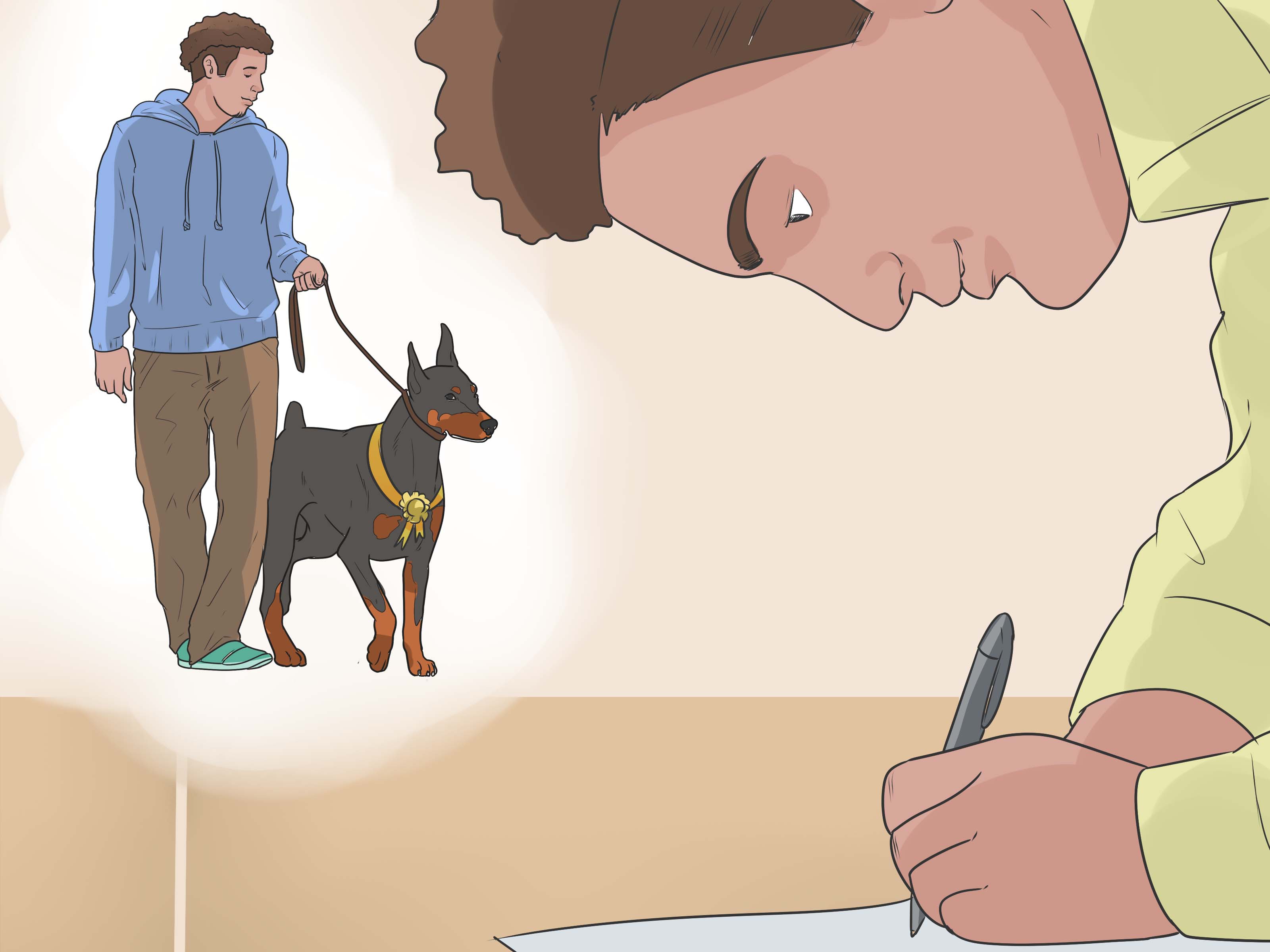
Teaching a dog to herd is not the same as teaching “sit,” except the classroom has hooves, opinions, and a tendency to run away when the lesson gets confusing. Herding combines instinct, obedience, athletic ability, livestock knowledge, and communication between dog and handler. When those pieces work together, the result can look almost effortless. When they do not, it resembles a woolly traffic jam.
The goal is not to make your dog chase animals. True stock work requires the dog to move livestock calmly, maintain the correct amount of pressure, respond instantly to the handler, and protect the animals from unnecessary stress. Formal herding programs evaluate whether dogs can gather, fetch, drive, stop, and control stock while working as part of a team with their handlers.
This guide explains how to teach your dog to herd through 11 practical steps. Because both dogs and livestock can be injured by poorly managed introductions, beginners should work with an experienced herding instructor rather than attempting the first livestock session alone.
Can Any Dog Learn to Herd?
Many breeds were developed specifically to control livestock, including Border Collies, Australian Shepherds, Australian Cattle Dogs, Collies, Shetland Sheepdogs, Corgis, German Shepherd Dogs, Kelpies, and several less familiar farm breeds. Their working styles are not identical. Some gather animals and bring them toward the handler, while others are more comfortable driving animals away. Certain dogs use an intense stare, while others rely more heavily on movement, barking, or physical presence.
Breed heritage increases the likelihood of herding instinct, but it does not guarantee talent. One Border Collie may circle sheep as though it has been studying diagrams since birth. Another may sniff the fence and wonder whether lunch is happening soon. Herding organizations therefore use instinct or capability tests to evaluate interest, balance, confidence, and trainability before expecting polished work.
Dogs without traditional herding ancestry may occasionally show useful instinct, but enthusiasm alone is not enough. A safe prospect must be physically sound, mentally stable, responsive to people, and capable of working without attacking or terrifying livestock.
How to Teach Your Dog to Herd in 11 Steps
Step 1: Check Your Dog’s Health, Age, and Temperament
Schedule a veterinary examination before beginning demanding stock work. Herding involves sprinting, stopping, turning, crouching, and working over uneven ground. Joint pain, breathing problems, poor conditioning, or an old injury can turn an exciting lesson into a medical bill with several commas.
Young dogs can learn household obedience and visit a farm environment, but intense work involving repeated sharp turns should wait until their bodies are sufficiently mature. The appropriate age depends on breed, size, physical development, and veterinary advice. Working dogs also need gradual conditioning, hydration, rest periods, and careful monitoring for heat stress or fatigue.
Temperament matters just as much as fitness. A suitable dog should be interested in movement without becoming uncontrollably frantic. Serious aggression toward livestock, persistent biting, panic, or an inability to disengage requires professional evaluation.
Step 2: Build Reliable Obedience Away From Livestock
Before sheep enter the picture, teach your dog to respond to basic cues in progressively distracting environments. The most important foundation behaviors include:
- A fast, dependable recall
- A stop cue such as “down,” “stand,” or “sit”
- A short stay
- Calm leash walking
- Attention to the handler
- A release cue indicating that work is finished
A strong recall is essential because livestock can trigger far more excitement than an ordinary training treat. Practice with a long line in safe spaces, reward prompt responses generously, and never punish your dog after it returns. UC Davis emphasizes positive reinforcement as a central part of developing recall, while AHBA capability tests expect dogs to stop on command and return reliably despite distractions.
Step 3: Find a Qualified Herding Trainer and Suitable Facility
Herding is one of those activities in which a few professional lessons can prevent months of confusion. Look for a trainer who understands your dog’s breed, uses livestock accustomed to beginner dogs, maintains secure fencing, and prioritizes the welfare of every animal in the arena.
A skilled instructor does more than train the dog. The instructor teaches you how sheep react to pressure, where to stand, when to move, and when to stop interfering. Herding requires knowledge of both canine behavior and livestock behavior, which is why AHBA describes stockdog training as a demanding discipline requiring realistic goals and regular practice. Its directory also identifies facilities offering beginner-through-advanced instruction on sheep, ducks, or cattle.
For most beginners, calm, dog-broke sheep in a small fenced arena are preferable to cattle. Cattle can challenge or kick a dog, while ducks require a different working distance and style.
Step 4: Arrange a Supervised Herding Instinct Evaluation
An instinct evaluation introduces the dog to livestock under controlled conditions. The instructor may begin with the dog on a long line and then allow more freedom if the dog remains manageable. The goal is not to see how fast your dog can scatter sheep across three counties. The goal is to observe whether the dog naturally gathers, circles, balances, and adjusts to the animals.
Useful behaviors include sustained interest, an attempt to keep the group together, movement toward the opposite side of the flock from the handler, and responsiveness when the instructor applies or releases pressure. Less useful behaviors include random chasing, repeatedly splitting the flock, gripping without reason, ignoring the handler, or losing interest entirely.
AKC instinct tests are designed as noncompetitive assessments of natural ability and trainability, while AHBA strongly recommends supervised livestock exposure before more advanced capability testing.
Step 5: Learn the Livestock’s Flight Zone and Point of Balance
You cannot teach effective herding by watching only the dog. Livestock move in response to pressure. When a dog enters an animal’s flight zone, the animal generally moves away. Too little pressure produces no movement; too much pressure causes panic, bolting, or separation.
The point of balance is commonly near the animal’s shoulder. Pressure behind that point encourages forward movement, while pressure ahead of it may slow, stop, or turn the animal. Sheep also have a powerful flocking tendency, so they usually prefer remaining with the group rather than standing alone and composing dramatic poetry about their situation.
Your trainer will help you recognize whether the dog is too close, too wide, too fast, or correctly positioned. The ideal distance changes with the livestock, arena, dog, and task.
Step 6: Establish Balance Around the Stock
Balance is the position from which the dog can influence the livestock in the direction the handler wants. During early fetching exercises, the dog typically learns to move to the opposite side of the flock from the handler. The sheep then remain between the dog and the person.
In a round pen, the handler may move around the flock while using body position, a training stick, or a sorting paddle as a visual boundary. These tools should guide space, not frighten or strike the dog. When the dog reaches a useful position, the handler softens pressure and allows it to work.
Do not rush to attach verbal commands to every movement. First help the dog discover the correct pattern. A command becomes meaningful only when the dog repeatedly associates it with a behavior it already understands.
Step 7: Strengthen the Stop and Recall Around Livestock
Once instinct switches on, familiar obedience cues may temporarily vanish into a mysterious canine cloud. Rebuild them carefully in the herding environment.
Ask for the stop when the dog is reasonably calm and positioned where stopping will not cause the sheep to escape. Release pressure the moment the dog complies. Then allow the dog to resume working as a reward. For many herding dogs, access to livestock is more valuable than food, making the opportunity to continue working a powerful reinforcer.
End each session with a clear cue such as “that’ll do,” followed by a recall away from the stock. If the dog cannot disengage, use a long line and instructor support rather than repeating the command until it becomes background noise.
Step 8: Teach Directional Flanks
A flank sends the dog around the livestock in a particular direction. Traditional commands often include “come-bye” for a clockwise movement and “away to me” for a counterclockwise movement, although terminology can differ among regions and trainers. Consistency matters more than sounding as though you have just stepped out of a Scottish farming documentary.
Begin by shaping each direction with your body position. Block the unwanted path and open space in the desired direction. Add the verbal cue immediately before the dog commits to that movement. Reward wide, calm arcs rather than tight circles that pressure the sheep unnecessarily.
ASCA guidance for started-level stock work expects dogs to develop the beginnings of side commands, forward movement, and a stop. Advanced trial work later builds these basics into gathering, driving, shedding, and penning.
Step 9: Add “Walk Up,” “Steady,” and Distance Control
After the dog understands balance and flanks, teach it to control how much pressure it applies. “Walk up” or “walk on” asks the dog to approach the stock. “Steady” or “take time” asks it to reduce speed. A wider flank can be encouraged with a cue such as “get out” or “back,” depending on the trainer’s system.
Reward calm steps and appropriate distance. If the dog charges forward, stop the action and reset rather than allowing excitement to become the normal pattern. If the dog lacks confidence, avoid pushing it so far from the livestock that it disconnects or loses influence.
The correct amount of pressure depends on the sheep. Light, reactive animals may move from a distant dog, while heavier stock may require a closer and more confident approach.
Step 10: Practice Fetching Before Driving
Fetching means bringing livestock toward the handler. Driving means moving livestock away from or past the handler in a chosen direction. Many gathering breeds naturally prefer fetching, so it is usually the easier starting task.
Practice short, straight fetches before increasing distance. Stand where the livestock have a clear destination, keep the dog balanced behind them, and use small corrections rather than constant chatter. When the team can fetch calmly, introduce simple drives along a fence or toward a familiar pen.
AKC training guidance recommends beginning driving with livestock that move easily and with familiar chores, such as returning sheep toward their home pen, provided the animals do not rush uncontrollably.
Step 11: Increase Difficulty Gradually and Protect Livestock Welfare
Expand one variable at a time: distance, arena size, number of animals, new locations, more precise gates, or reduced handler assistance. Do not introduce all of them during one ambitious Saturday unless you enjoy confusion as a recreational activity.
Keep sessions short enough that the dog and livestock remain mentally and physically comfortable. Stop when the dog becomes frantic, stops responding, grips repeatedly, or shows fatigue. Also stop when sheep begin panting heavily, separating, crashing into fencing, or showing excessive stress.
Livestock should have rest, water, sound footing, and limits on repeated use. Trial organizations place explicit emphasis on humane stock handling, veterinary availability, appropriate course conditions, and restrictions on how heavily animals are worked. Farms may also enforce biosecurity rules involving visitor access, footwear, equipment, and contact between outside dogs and resident animals.
Common Herding Training Mistakes
- Skipping obedience: Instinct without control produces chasing, not useful herding.
- Training without an instructor: Beginners frequently pressure the wrong space and accidentally teach poor positioning.
- Repeating cues constantly: A command said 14 times becomes farm-themed background music.
- Correcting too harshly: Excessive pressure can reduce confidence, damage trust, or make the dog more frantic.
- Advancing too quickly: Wide outruns and complicated courses cannot compensate for an unreliable stop.
- Ignoring livestock behavior: The animals’ movement tells you whether the dog’s distance and pressure are appropriate.
- Working an exhausted dog: Fatigue reduces coordination, responsiveness, and decision-making.
Realistic Experiences From the Beginner Herding Pen
The following composite experience reflects common lessons reported by new handlers working with professional instructors.
A first herding lesson rarely begins with the cinematic moment people imagine. The dog does not usually gaze across a misty field, hear ancestral bagpipes, and immediately perform a flawless outrun. More often, the handler arrives with a dog vibrating at the end of the leash while three experienced sheep stare back with the weary expressions of substitute teachers.
During the first exposure, many dogs fall into one of three categories. The first charges toward the flock with enormous enthusiasm and absolutely no business plan. The second circles naturally but becomes so focused that its recall appears to have been deleted. The third avoids eye contact with the sheep and spends several minutes inspecting manure, fence posts, and anything else that does not have hooves.
A good trainer does not label these reactions as instant success or failure. The excited dog may need help widening its path and reducing pressure. The cautious dog may need time, movement, and permission to approach without being overwhelmed. The naturally balanced dog still needs to learn that the handler has a role beyond paying the facility fee.
One of the biggest surprises for beginners is how much their own movement affects the session. Stepping toward the wrong opening can push the dog into a tighter flank. Retreating at the wrong moment can invite the sheep to escape. Waving both arms while shouting five commands generally communicates only that the human has become a malfunctioning windmill.
Progress often appears in tiny moments. The dog pauses when asked instead of diving toward the sheep. It widens its circle by two feet. It notices a sheep beginning to separate and quietly covers the gap. It returns to the handler after the release cue even though every instinct is shouting, “But the sheep are still right there!” These improvements may look modest from outside the arena, yet each represents growing control and understanding.
Handlers also learn that livestock are not passive training equipment. Different groups react differently. One set may move as soon as the dog looks at them, while another requires closer pressure. A flock may become heavier near its home gate or lighter when turned toward open space. The dog must read those changes, and the handler must read both the dog and the stock.
Over several weeks, the lesson becomes quieter. There is less frantic motion, fewer repeated commands, and more purposeful positioning. The handler begins anticipating movement instead of reacting late. The dog discovers that controlnot speedis what keeps the work going.
The most satisfying experience is not necessarily earning a ribbon or completing a complicated course. It is the moment the dog, handler, and livestock move in balance for several seconds. Nobody is panicking. Nobody is shouting. The sheep travel calmly, the dog holds the correct position, and the handler realizes that herding is less about commanding an animal than participating in a three-way conversation conducted mostly through space.
Conclusion
Learning how to teach your dog to herd begins with control, not livestock. Build a dependable recall and stop, confirm that your dog is healthy, and find an experienced instructor with calm training animals. From there, progress through instinct evaluation, balance, directional flanks, distance control, fetching, and eventually driving or more advanced farm tasks.
Natural talent can start the process, but patient repetition turns instinct into practical skill. Keep the work calm, protect livestock welfare, and celebrate small improvements. Your dog does not need to become a national champion to benefit from herding. Even basic training can provide an engaging physical and mental outlet while strengthening communication between you and your very enthusiastic unpaid farm employee.
Note: Herding involves large animals, rapid movement, and specialized handling skills. Introduce dogs to livestock only in a secure facility under the supervision of a qualified herding trainer, and consult your veterinarian before beginning strenuous work.