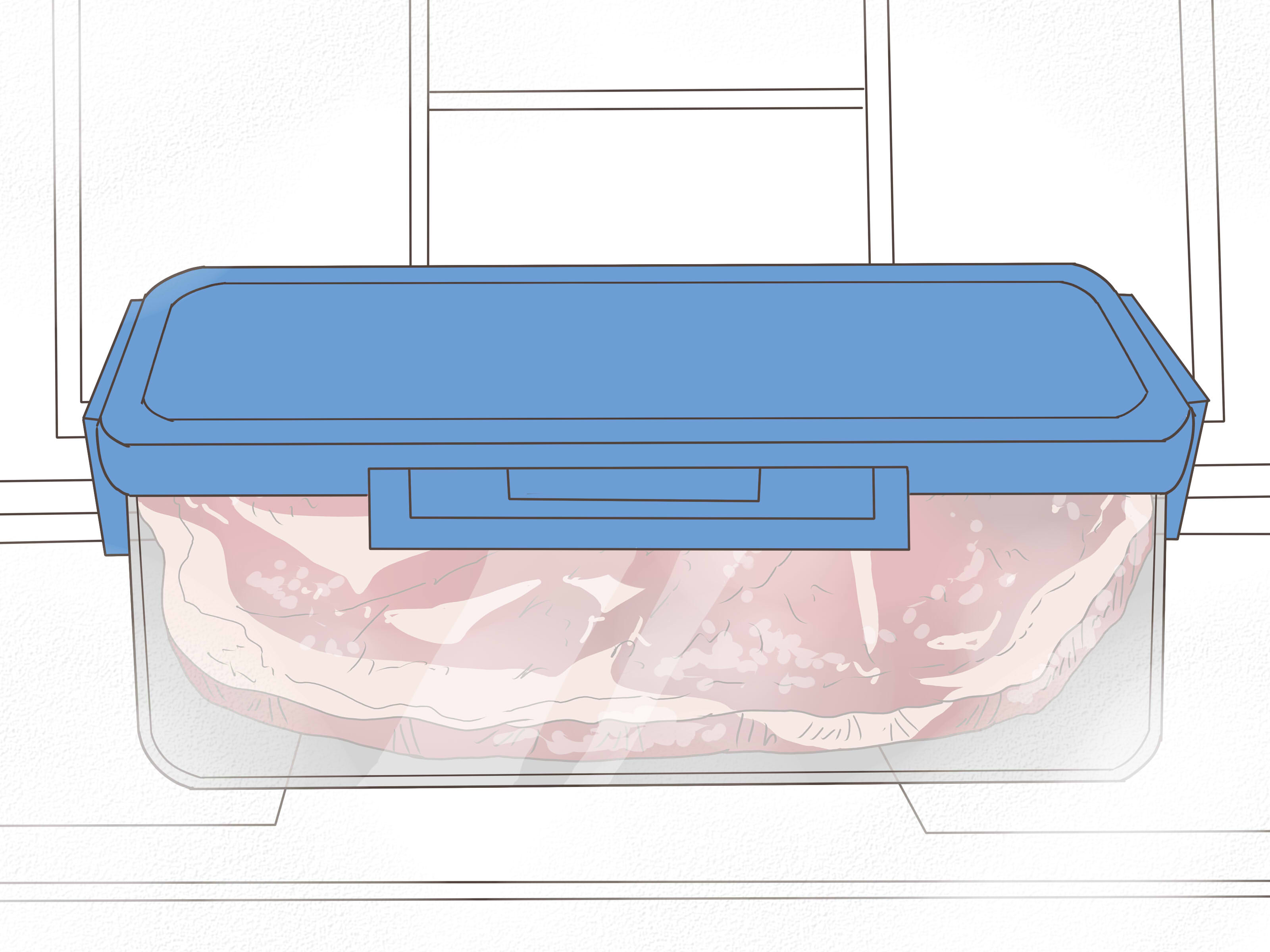
Few kitchen disappointments hit quite like opening the fridge, spotting a beautiful steak, and suddenly wondering, “Is this dinner… or a biology experiment?” Steak is delicious, versatile, and not exactly cheap, so nobody wants to throw it away too soon. But when beef goes bad, the right move is not bravery. It is not “just sear it harder.” It is not a heroic garlic-butter rescue mission. It is the trash can.
Knowing how to tell if steak is bad can help you avoid foodborne illness, reduce waste, and store meat with more confidence. The tricky part is that steak can naturally change color, smell slightly “meaty,” or darken in the refrigerator without automatically being spoiled. On the other hand, some dangerous bacteria do not always announce themselves with neon signs and a marching band. That is why the safest approach is to look at the whole picture: smell, texture, color, packaging, storage time, temperature, and handling history.
This guide breaks down the 10 most important signs of spoiled steak, explains what is normal and what is not, and gives practical examples so you can make the call without needing a food science degree or a dramatic sniff test worthy of a cooking show.
Why Steak Spoils in the First Place
Steak spoils because bacteria, enzymes, oxygen, moisture, and time all get involved. Fresh beef is perishable, meaning it needs cold storage to slow microbial growth. Refrigeration does not stop spoilage completely; it only presses the pause button. If steak sits too long in the refrigerator, is left out at room temperature, leaks in its packaging, or is exposed to air and moisture, quality declines and spoilage organisms can multiply.
There is also an important difference between spoilage bacteria and illness-causing bacteria. Spoilage bacteria often create obvious warning signs such as sour odors, slime, or tackiness. Pathogens, however, may not change the smell, look, or taste of meat. That is why proper storage and cooking matter even when steak appears fresh.
As a general food-safety rule, raw steaks should be kept in the refrigerator at 40°F or below and used within 3 to 5 days, or frozen for longer storage. Cooked steak should usually be eaten within 3 to 4 days when refrigerated properly. If your steak has been hanging around longer than that, it may be auditioning for a role in a horror movie.
How to Tell If Steak Is Bad: 10 Signs of Spoilage to Look For
1. A Sour, Rotten, or Ammonia-Like Smell
The smell test is one of the strongest clues. Fresh steak should smell mild, clean, slightly metallic, or faintly meaty. It should not smell sour, rotten, rancid, cheesy, sulfur-like, or like ammonia. If the odor makes you instinctively lean backward, trust that reaction. Your nose may not be a laboratory instrument, but it is a surprisingly useful kitchen security guard.
Vacuum-sealed steak can sometimes have a temporary “confinement odor” when first opened. This smell may be slightly tangy or strong because the meat has been sealed without oxygen. If the odor fades after the steak airs out for a few minutes and the meat otherwise looks and feels normal, it may still be fine. But if the smell remains unpleasant, sharp, or rotten, do not cook it.
2. A Slimy Surface
Sliminess is one of the clearest signs that steak has gone bad. Fresh raw steak should feel moist, but not slippery like it has been coated in invisible soap. A slimy film often means bacteria have multiplied on the surface and produced sticky byproducts.
Do not rinse slimy steak and assume the problem is solved. Rinsing raw meat can spread bacteria around your sink, countertops, and nearby utensils. Worse, it does not make spoiled meat safe. If a steak feels slick, gooey, or unusually slippery, throw it out.
3. Sticky or Tacky Texture
A steak does not have to be fully slimy to be suspicious. Sometimes the first texture warning is tackiness. When you touch the surface, it may feel sticky, gummy, or slightly adhesive, almost as if your fingers hesitate before pulling away.
Fresh steak should feel firm and moist. It should not feel gluey. A tacky texture combined with odor, discoloration, or age is a strong sign of spoilage. If you are thinking, “Maybe it is just a little weird,” remember that dinner should not require negotiation.
4. Gray, Green, Yellow, or Iridescent Discoloration
Color can be confusing, so let us clear up the meat-counter mystery. Bright cherry-red steak is often associated with freshness because beef exposed to oxygen forms oxymyoglobin, a red pigment. Vacuum-sealed beef may look purplish-red before it blooms in the air. Brown or darker red areas can happen naturally from oxidation and are not always signs of spoilage.
However, steak that has turned dull gray all over, greenish, yellowish, or patchy in an unnatural way deserves cautionespecially if it also smells bad or feels slimy. Green discoloration is a major red flag. Rainbow-like iridescence can sometimes appear on cooked or sliced meats because of light reflection, but if it comes with odor or slime, do not gamble.
5. Mold on the Steak
Mold is not a “cut around it” situation for fresh steak. If you see fuzzy patches, white growth, green spots, black specks, or any suspicious surface growth, discard the meat. Mold can send microscopic threads deeper than what you can see, and fresh meat has enough moisture to make contamination a serious concern.
Dry-aged beef is a special case because it is aged under controlled conditions by professionals. That is very different from a forgotten steak quietly evolving in the back of your refrigerator next to the pickles. If you did not intentionally buy dry-aged steak from a reliable source, visible mold is a no.
6. The Steak Has Been in the Fridge Too Long
Time matters. Raw steak stored properly in the refrigerator should generally be cooked within 3 to 5 days. If the steak has been in the fridge for a week, even if it looks passable, it is no longer a strong candidate for dinner. Spoilage risk increases with every day, especially if the fridge temperature has fluctuated.
Also check the “sell by” or “use by” date. A sell-by date is mainly for store inventory, not a magic safety countdown for home kitchens. If you buy steak near its sell-by date, cook or freeze it soon. A use-by date is more important for quality and safety. If the date has passed and the steak shows any questionable signs, do not try to win an argument with your calendar.
7. The Packaging Is Bloated, Leaking, or Damaged
Packaging can tell a story. If the tray is leaking, the plastic wrap is torn, the vacuum seal is broken, or the package is puffed up with gas, be cautious. Bloated packaging may indicate microbial activity, especially if the meat also smells off when opened.
Leaks are another issue because raw beef juices can contaminate other foods. If steak juices have escaped into your refrigerator, clean the area thoroughly with hot, soapy water and sanitize surfaces. Store raw steak on the bottom shelf in a tray or container to prevent drips from turning your fridge into a crime scene.
8. It Was Left Out Too Long
Steak should not sit at room temperature for more than 2 hours. If the room is hotter than 90°F, the limit drops to 1 hour. This includes time on the counter, in a grocery bag, at a picnic, near the grill, or in the car while you “just run one quick errand” that somehow becomes three errands and a coffee stop.
Bacteria grow quickly in the temperature danger zone between 40°F and 140°F. If raw or cooked steak has been left out beyond safe limits, throw it away even if it looks and smells normal. This is one of those moments when appearance cannot be trusted.
9. It Tastes Off After Cooking
You should never taste raw steak to check freshness. That is not testing; that is volunteering as tribute. But sometimes cooked steak may taste sour, bitter, rancid, or unusually metallic. If the flavor is clearly wrong, stop eating it.
Cooking can kill many bacteria when done properly, but it cannot always remove toxins or fix meat that was already spoiled. If a cooked steak tastes strange and you already noticed questionable odor, color, or texture before cooking, do not keep eating just because you seasoned it well. Salt, pepper, and confidence are not food-safety tools.
10. The Steak Has Freezer Burn or Was Thawed Improperly
Freezer burn is not the same as spoilage, but it can ruin quality. Steak with dry, grayish-white, leathery patches has likely lost moisture in the freezer. It may be safe if it stayed frozen continuously, but the texture and flavor can be disappointing. You can trim small freezer-burned areas, though a badly freezer-burned steak may be better suited for the trash than the grill.
Improper thawing is more serious. The safest way to thaw steak is in the refrigerator. You can also use cold water if the steak is sealed and the water is changed regularly, or thaw in the microwave if you cook it immediately afterward. Do not thaw steak on the counter for hours. If it was thawed at room temperature and stayed warm too long, discard it.
What Fresh Steak Should Look, Smell, and Feel Like
Fresh steak usually has a red, dark red, or purplish-red color depending on packaging and oxygen exposure. It should look moist but not wet, shiny but not slimy, and firm but not hard. The smell should be mild and clean. A little natural meat aroma is normal; a sour stink is not.
Marbling, the thin white streaks of fat inside the meat, is normal and desirable. Darker edges from oxidation can be normal too, especially if the steak has been exposed to air. The key is to evaluate all signs together. Brown color alone may not mean bad steak. Brown color plus sour odor and slime? That is a farewell party.
Can You Cook Bad Steak and Make It Safe?
No. Cooking spoiled steak is not a reliable safety fix. Proper cooking temperatures help reduce harmful bacteria, but spoiled meat may contain bacterial byproducts, unpleasant compounds, or toxins that heat does not fully solve. The result can still taste bad, smell bad, and potentially make you sick.
For safety, whole beef steaks should be cooked to a minimum internal temperature of 145°F and allowed to rest for at least 3 minutes. Use a food thermometer inserted into the thickest part of the steak. Color is not a reliable doneness test, and neither is poking it with your finger unless your finger has somehow been certified by the USDA.
How to Store Steak So It Lasts Longer
Keep It Cold
Store steak in a refrigerator set at 40°F or below. If your fridge does not have a built-in thermometer, use an inexpensive appliance thermometer. Many refrigerators run warmer than people think, especially when crowded or opened frequently.
Use the Bottom Shelf
Place raw steak on the bottom shelf in a rimmed plate, tray, or sealed container. This prevents juices from dripping onto ready-to-eat foods like salad, fruit, or leftovers. Cross-contamination is one of the easiest food-safety mistakes to avoid.
Freeze It Early
If you do not plan to cook raw steak within 3 to 5 days, freeze it. For best quality, wrap it tightly in plastic wrap, freezer paper, heavy-duty foil, or a freezer-safe bag. Remove as much air as possible. Vacuum sealing is excellent if you have the equipment.
Label the Date
Write the freezing date on the package. Future you will appreciate not having to ask, “Was this from last month or from the previous presidential administration?” Frozen steak remains safe longer if kept continuously frozen at 0°F, but quality is best within several months.
Raw Steak vs. Cooked Steak: Spoilage Differences
Raw steak spoilage often shows up as sour odor, slime, discoloration, tackiness, and package issues. Cooked steak can spoil too, usually with sour smell, slimy surface, mold, or an unpleasant taste. Cooked leftovers should be refrigerated within 2 hours and eaten within 3 to 4 days.
Do not store cooked steak in the same container that held raw steak unless it has been thoroughly washed. Use clean utensils and clean plates after cooking. The steak may be perfectly cooked, but if you put it back on the raw-meat plate, congratulationsyou have invented unnecessary risk.
When in Doubt, Throw It Out
This classic food-safety advice exists for a reason. Steak is valuable, but your health is worth more than one dinner. If several warning signs appear togetherbad smell, slime, tacky texture, unusual color, old storage time, or unsafe temperature exposurethe safest decision is to discard it.
Food poisoning can cause nausea, vomiting, diarrhea, stomach cramps, fever, dehydration, and in some cases more serious complications. Young children, older adults, pregnant people, and anyone with a weakened immune system should be especially careful with questionable meat.
Practical Experience: Real-Life Steak Spoilage Scenarios
Experience teaches that bad steak rarely gives you just one clue. Most of the time, it is a combination of small warnings. Imagine you bought two ribeyes on Friday, planned to cook them Saturday, forgot about them, and rediscovered them Wednesday. The date is not automatically a disaster if they were stored cold and properly sealed. But once you open the package, you notice a sour odor that does not fade, a sticky surface, and grayish patches. That is not “aged flavor.” That is your dinner resigning from service.
Another common situation involves vacuum-sealed steak. You open the bag and get a strong smell. Panic? Not immediately. Let the steak sit on a clean plate for a few minutes. If the smell fades and the steak looks firm, moist, and normal, it may simply be the natural odor from vacuum packaging. But if the odor turns sour, rotten, or ammonia-like, or if the meat feels slick, it belongs in the trash. The difference is persistence. A temporary packaging smell disappears; spoilage odor hangs around like an unwanted guest.
Color also causes confusion. Many home cooks see a brown steak and assume it is bad. In reality, beef can brown from oxygen exposure while still being safe. For example, a steak tucked under plastic wrap may be red on the outside and brown where pieces overlap. That can be normal. But if the steak is gray-green, smells sour, and has a shiny slime, color is no longer the only issue. It is part of a larger warning pattern.
Freezer storage creates another learning moment. A steak forgotten in the freezer for nine months may have dry white patches. That is probably freezer burn, not necessarily dangerous spoilage, if the steak stayed frozen the whole time. The flavor may be flat and the texture dry, but it is different from a steak that thawed during a power outage and refroze. If you know the freezer warmed up and the meat partially thawed for hours, safety becomes questionable. In that case, do not rely on appearance alone.
Restaurant-style confidence can also get home cooks into trouble. People sometimes think a screaming-hot pan will fix anything. It will not. A great sear can make a good steak better, but it cannot turn spoiled meat into safe food. If steak smelled bad before cooking, it is not suddenly trustworthy because it has a crust. Spoiled steak with butter on it is still spoiled steak; it is just wearing a nicer outfit.
The most useful habit is to inspect steak as soon as you bring it home. Check the package, note the date, store it on the bottom shelf, and decide whether it should be cooked soon or frozen. This simple routine prevents the classic refrigerator mystery: a package of meat with no date, no plan, and a suspicious aura. Labeling and freezing early save money, reduce waste, and keep dinner decisions calm instead of forensic.
Finally, trust your senses but respect their limits. Smell, touch, and sight are helpful for spotting spoilage, but they cannot detect every foodborne pathogen. That is why safe storage, safe thawing, clean handling, and proper cooking temperatures matter. The best steak dinner starts before the pan gets hot. It starts with meat that has been stored safely, handled cleanly, and inspected honestly.
Conclusion
Learning how to tell if steak is bad comes down to noticing the full set of spoilage signs: sour smell, slime, tackiness, strange discoloration, mold, damaged packaging, too much fridge time, unsafe room-temperature exposure, off taste, and poor thawing history. Some changes, like mild browning or a brief vacuum-pack smell, can be normal. But when odor, texture, time, and color all point in the wrong direction, do not debate it. Throw the steak away and live to grill another day.
Good steak should smell clean, feel firm, and be stored cold. Keep raw steak refrigerated at 40°F or below, use it within 3 to 5 days, freeze it early if plans change, and cook whole steaks to 145°F with a 3-minute rest for safety. A little caution in the kitchen is not dramaticit is smart. Besides, the only thing worse than losing a steak is losing a weekend to food poisoning.
Note: This article is based on current U.S. food-safety guidance and practical recommendations from reputable sources such as USDA FSIS, FoodSafety.gov, FDA, CDC, university extension resources, and major U.S. health and cooking references.