Teaching a dog to pee outside is less about explaining bathroom etiquette and more about making the correct choice easy, predictable, and rewarding. Your dog is not plotting against the carpet. A puppy has a small bladder, an adult rescue may never have learned house rules, and even a trained dog can become confused after moving to a new home.
The most effective approach combines a dependable schedule, close supervision, immediate rewards, and calm cleanup. Start on the first day, expect a few puddles, and remember that consistency beats intensity. One perfect weekend will not replace two ordinary weeks of everyone following the same routine.
Before You Start: What You Will Need
- A regular leash and comfortable collar or harness
- Small, high-value training treats
- A crate, exercise pen, or puppy-safe room
- An enzymatic pet-odor cleaner
- A simple potty log or phone note
- Patience in quantities normally reserved for assembling furniture without instructions
House-training guidance from veterinary hospitals, animal-welfare organizations, and professional training resources consistently emphasizes supervision, frequent outdoor trips, positive reinforcement, and careful management of the dog’s indoor space.
How to Train a Dog to Pee Outside in 13 Steps
1. Rule Out a Medical Problem
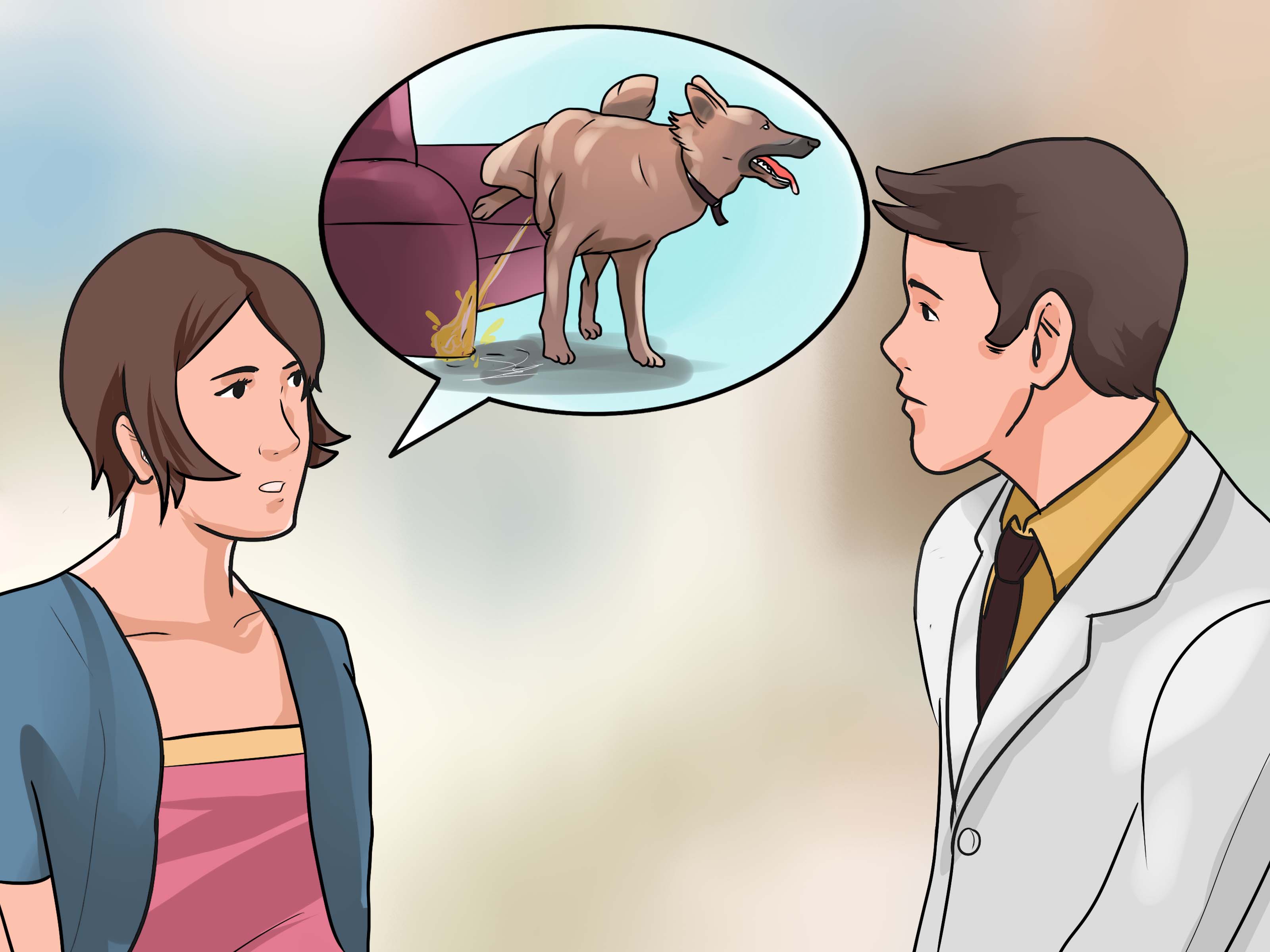
Before treating indoor urination as a training issue, consider your dog’s health. A puppy that is still learning will naturally have accidents, but a previously house-trained dog that suddenly begins peeing indoors should be evaluated by a veterinarian. Frequent urination, straining, bloody urine, increased thirst, pain, or accidents during sleep can point to urinary, endocrine, mobility, or age-related problems.
Training cannot fix a urinary tract infection, bladder stone, painful joint, or cognitive decline. When the change is sudden, call your veterinarian first and save the treats for after medical causes have been addressed.
2. Choose One Outdoor Potty Area
Select a convenient outdoor spot with a surface your dog can use consistently, such as grass, gravel, or mulch. Take your dog to this area on a leash, even if your yard is fenced. The leash prevents the trip from turning into an urgent squirrel conference and lets you observe exactly when your dog urinates.
Using the same door, route, and general area creates useful environmental cues. Familiar smells and surfaces help your dog understand that this location has a specific job. For young puppies that are not fully vaccinated, ask your veterinarian about local disease risks and use a private, low-traffic area that unfamiliar dogs do not visit.
3. Build a Predictable Potty Schedule
Take your dog outside before an accident is likely, not after you notice a suspicious silence. Puppies need frequent breaks because their bladder and bowel control are still developing. Begin with outings at least every one to two hours, and use even shorter intervals for very young puppies or dogs having repeated accidents.
Always offer a potty trip first thing in the morning, after meals or drinking, after naps, after energetic play, after crate time, before bedtime, and whenever your dog becomes unusually restless. A regular feeding schedule makes bathroom timing easier to predict.
4. Learn Your Dog’s Pre-Pee Signals
Many dogs announce an approaching bathroom emergency, but their announcement may be subtler than a formal written notice. Common signs include intense floor sniffing, circling, wandering away from play, pacing, whining, staring at the door, returning to a previously soiled area, or suddenly disappearing behind furniture.
When you see a signal, calmly say a transition phrase such as “Outside,” attach the leash, and move quickly. The earlier you respond, the more opportunities your dog gets to practice the behavior you actually want.
5. Supervise Indoors Like It Is Your Job
During the early stages, your dog should be in one of three situations: outside for a potty opportunity, directly supervised indoors, or resting in a safe confinement area. “Supervised” means you can see what the dog is doing, not that you are somewhere in the same ZIP code answering email.
Use baby gates to limit access, keep the dog in the same room, or attach a lightweight leash to yourself while moving around the house. Too much freedom too soon creates opportunities for hidden accidents and slows learning. Expand access gradually only after your dog has built a reliable clean record.
6. Use a Crate or Pen Correctly
A crate can support outdoor potty training by preventing unsupervised wandering and encouraging a dog to keep the sleeping area clean. The crate should be large enough for the dog to stand, turn around, and lie down comfortably, but not so oversized that one end becomes a studio apartment and the other becomes a restroom.
Introduce the crate gradually with food, toys, and short, relaxed sessions. Never use it as punishment, and never expect a young puppy to remain confined longer than physically reasonable. After naps, overnight rest, or crate time, take the dog directly outside before offering indoor freedom.
7. Keep Potty Trips Calm and Boring at First
Walk directly to the chosen potty area and give your dog enough leash to sniff without starting a neighborhood tour. Stand quietly for several minutes. Avoid play, lengthy conversations, and exciting exploration until your dog urinates.
If nothing happens, return indoors for a short period of close supervision or confinement, then try again in 10 to 15 minutes. This teaches the difference between a bathroom trip and a recreational walk. After successful urination, you can reward your dog with a few minutes of sniffing or play so peeing does not always make outdoor fun end immediately.
8. Add a Potty Cue
A verbal cue such as “Go potty” can become useful during travel, bad weather, late-night outings, or any morning when both you and your dog would prefer efficiency. Do not repeat the phrase endlessly before your dog understands it. Instead, wait until the dog begins to urinate, say the cue once in a calm voice, and reward immediately after completion.
After many repetitions, begin saying the cue when your dog is actively searching for a spot. Eventually, the phrase can prompt the behavior because it predicts both the familiar routine and a reward.
9. Reward Within Seconds
The reward must arrive outside, immediately after your dog finishes peeing. Waiting until you return to the kitchen may accidentally reward walking through the door rather than eliminating outdoors. Use a tiny treat, enthusiastic praise, or another reward your dog genuinely values.
For the first few weeks, act as though your dog has just won a major athletic championship in the category of Lawn Hydration. Immediate positive reinforcement makes the desired behavior worth repeating and is more effective than punishing mistakes.
10. Handle Accidents Without Punishment
If you catch your dog beginning to pee indoors, interrupt gently with a neutral sound or “Outside,” then move quickly to the potty area. If the dog finishes outside, reward the outdoor portion. Do not yell, hit, rub the dog’s nose in the mess, or deliver a lecture beside an old puddle.
Dogs do not connect delayed punishment with an accident that happened minutes earlier. Harsh reactions may teach them only that urinating in front of you is dangerous, which can produce sneaky accidents behind couches or reluctance to pee while you are holding the leash.
11. Clean Every Accident Thoroughly
Blot fresh urine, then use an enzymatic cleaner made for pet messes and follow the product directions. Standard household cleaners may improve the smell for human noses while leaving odor traces that invite a dog back to the same location.
Block access until the area is completely clean and dry. If one corner has become a repeat target, place furniture there temporarily, feed or play nearby after cleaning, and increase supervision. The goal is to remove both the scent cue and the opportunity to rehearse the mistake.
12. Teach a Clear Way to Ask to Go Out
Once your dog is beginning to understand the outdoor rule, teach a signal. This may be sitting by the door, touching a hanging bell, pressing a button, or making eye contact with you near the exit. Prompt the signal immediately before every scheduled potty trip, then open the door.
Do not assume every bell ring means a full hiking expedition. At first, respond with a brief leash trip to the potty area. If the dog does not eliminate, return indoors. This keeps the signal meaningful while still honoring genuine bathroom requests.
13. Increase Freedom Gradually and Expect Setbacks
After several accident-free days, slightly lengthen the interval between trips or allow access to one additional room. Change only one variable at a time. If accidents return, reduce freedom and increase potty breaks for several days rather than declaring the entire project a failure.
Weather, schedule changes, travel, illness, adolescence, a move, or a new pet can cause temporary regression. Return to the basic routine: supervision, predictable outings, immediate rewards, and careful cleaning. Some dogs become reliable within weeks; others need several months. Measure progress by fewer accidents, clearer signals, and longer successful intervalsnot by comparing your puppy with a neighbor’s suspiciously perfect Labrador.
Common Potty-Training Problems
Your Dog Pees Outside and Then Pees Again Indoors
The first outdoor urination may not fully empty the bladder, especially when a puppy is distracted. Stay outside a little longer after the first pee and offer another quiet opportunity. Reward each success.
Your Puppy Will Not Pee in Rain or Snow
Practice in mild weather before a storm arrives. Use a sheltered potty area, keep trips brief, and offer a premium reward for success. Avoid switching permanently to indoor pads simply because the forecast contains clouds unless indoor toileting is part of your long-term plan. Dogs can learn to use different outdoor surfaces and weather conditions through gradual, positive practice.
Your Adult Rescue Keeps Having Accidents
Start as though the dog has never been trained. A new environment changes doors, smells, surfaces, schedules, and expectations. Use frequent outings, supervision, and rewards while the dog learns your household routine. Arrange a veterinary check if the dog’s history is unclear or symptoms suggest a medical issue.
Your Puppy Uses Pee Pads but Not the Yard
Move the pad gradually toward the exit, then place it just outside in the desired area. Reduce the pad’s size over time while rewarding outdoor elimination generously. Avoid offering multiple toilet locations indefinitely unless you intend to maintain both options, because mixed rules can slow the transition.
Real-World Experiences: What the Process Often Looks Like
The following composite experiences reflect common patterns reported by dog owners and trainers. They are examples, not guarantees for every dog.
The Puppy Who Had a 20-Minute Bladder
A family brought home a nine-week-old mixed-breed puppy and began with trips every two hours because that schedule sounded reasonable. Unfortunately, the puppy disagreed. She peed after waking, after eating, halfway through play, and occasionally while appearing to think deeply about a sock. The family initially believed she was stubborn. A potty log showed something more useful: most accidents happened within 20 minutes of drinking or during high-energy play.
They changed the routine. For one week, someone took her out after every transitionsleep to awake, eating to playing, playing to restingand every 30 to 45 minutes while she was active. They also kept treats beside the door and rewarded her on the grass rather than after returning indoors. Accidents dropped quickly. Over the following weeks, the interval increased gradually. The breakthrough was not a magical command; it was matching the schedule to the puppy actually living in the house.
The Rescue Dog Who Was Afraid to Pee on a Leash
An adult rescue arrived with an uncertain history and would hold his urine during walks, then pee in a quiet corner after coming home. His new owner initially assumed he preferred carpet. In reality, the dog appeared uncomfortable eliminating near a person and became increasingly tense when watched closely.
The owner chose a quiet outdoor patch, used a longer leash, turned slightly away, and stopped repeating cues. Potty trips became calm and predictable. When the dog finally urinated, the owner placed a treat on the ground instead of reaching over his head. Within several days, he began going more readily. The experience showed why punishment can be especially harmful: a dog who already feels vulnerable needs safety and repetition, not additional pressure.
The Apartment Puppy Who Learned the Elevator Route
A small puppy living on the ninth floor often began peeing before the elevator arrived. The solution involved reducing the number of decisions between the apartment and the potty spot. The leash, treats, shoes, and waste bags stayed beside the door. At the first signal, the owner picked up the young puppy, rode downstairs, and placed her directly on the designated surface. As bladder control improved, the puppy began walking the route herself.
The owner also tested a doorbell signal but treated every ring as a short bathroom trip, not an invitation to socialize in the lobby. That distinction prevented the puppy from becoming a tiny concierge who summoned elevator service whenever she was bored.
The “Fully Trained” Dog Who Regressed
A one-year-old dog went nearly a month without accidents, so the household gave him access to the entire home. Within days, puddles appeared in a seldom-used guest room. The dog was not forgetting everything; the family had increased his freedom faster than his bathroom habit had generalized.
They closed extra rooms, returned to scheduled trips, cleaned the guest-room carpet enzymatically, and expanded access one area at a time. The setback lasted less than two weeks. This is a common lesson: reliability in the kitchen does not automatically mean reliability everywhere. Dogs learn in context, and each new room may need supervised practice.
Across these experiences, the successful changes were surprisingly ordinary: better timing, fewer opportunities for mistakes, faster rewards, calmer body language, and more realistic expectations. Potty training usually looks less like a straight line and more like a staircase designed by someone who occasionally misplaced a step. Keep returning to the basic plan, and the overall direction should still be upward.
When to Get Professional Help
Contact your veterinarian when urination changes suddenly or is accompanied by straining, pain, blood, excessive thirst, unusually large volumes, leaking during rest, weakness, vomiting, or loss of appetite. Seek help from a qualified reward-based trainer or veterinary behavior professional when fear, anxiety, marking, separation distress, or persistent accidents continue despite a carefully managed routine.
Note: This article provides general training information and does not replace veterinary diagnosis or individualized behavior advice.