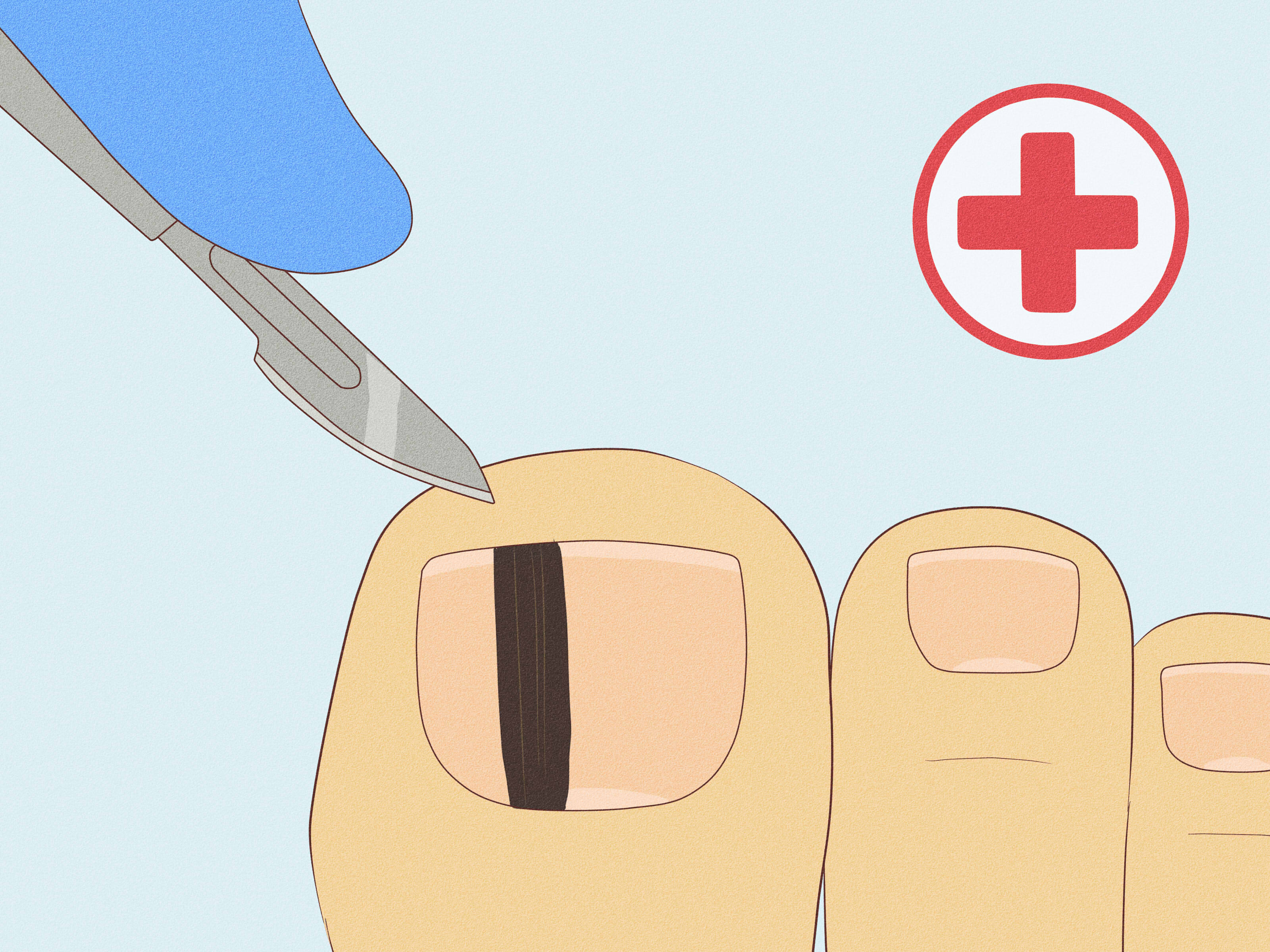
A black toenail can look dramatic enough to make you question your entire relationship with shoes, sports, furniture corners, and gravity. One day your toenail looks normal; the next, it resembles a tiny storm cloud parked at the end of your foot. The good news: in many cases, a black toenail is caused by a bruise under the nail, often from trauma or repeated pressure. The less-fun-but-important news: not every dark toenail should be ignored.
This guide explains the most common black toenail causes, how to treat a black toenail safely, when home care is enough, and when it is time to call a healthcare provider. Whether your toe lost an argument with a dumbbell, your running shoes are secretly too tight, or your nail is changing color for no obvious reason, here is what you need to know before you start Googling at 2 a.m. and diagnosing yourself with everything in alphabetical order.
What Is a Black Toenail?
A black toenail is exactly what it sounds like: a toenail that turns dark brown, purple, blue-black, gray-black, or even greenish-black. The color may cover the whole nail or appear as a spot, streak, or patch. The medical explanation depends on the cause. The most common cause is a subungual hematoma, which means blood has collected under the nail after an injury or repeated pressure.
Think of it as a bruise trapped under a hard roof. Because the toenail cannot stretch much, pressure can build underneath it, causing throbbing pain. In milder cases, it may simply look ugly for a while and grow out slowly. Toenails are not known for their speed. They prefer the scenic route.
Common Causes of a Black Toenail
1. Direct Trauma to the Toe
The classic cause is sudden injury. Dropping something heavy on your toe, stubbing it against furniture, getting stepped on, or jamming it during sports can damage small blood vessels under the nail. Blood collects beneath the nail plate, creating a dark color and sometimes intense pressure.
Signs that trauma is the likely cause include sudden pain, swelling, tenderness, and discoloration that appears soon after the injury. If the toe looks crooked, you cannot walk normally, or pain is severe, the injury may involve more than the nail. A healthcare provider may need to check for a fracture or nail bed injury.
2. Repetitive Pressure, Also Called Runner’s Toe
Runners, hikers, soccer players, tennis players, and anyone who spends long hours in tight shoes can develop black toenails from repeated microtrauma. Each step pushes the toe against the front or top of the shoe. One step is harmless. Thousands of steps can turn your toenail into a tiny protest sign.
This is often called runner’s toe. It usually affects the big toe or second toe, especially if your shoes are too small, your toenails are too long, or your foot slides forward on downhill routes. The nail may turn black gradually, become loose, and eventually fall off. That sounds alarming, but a new nail often grows back if the nail matrix is not badly damaged.
3. Toenail Fungus
Toenail fungus, also called onychomycosis, can cause the nail to become yellow, brown, blackish, thick, brittle, crumbly, or lifted from the nail bed. Fungal infections love warm, moist environments, which is unfortunate because shoes can become tiny saunas with laces.
Fungus is more likely if the nail changes slowly over time, becomes thick or crumbly, smells unpleasant, or if several toenails are affected. Athlete’s foot, sweaty shoes, communal showers, older age, diabetes, poor circulation, or a weakened immune system can increase risk.
4. Bacterial Infection
A nail that looks greenish-black may point to bacterial involvement, especially if the nail has lifted and moisture is trapped underneath. Pain, swelling, warmth, drainage, and worsening redness around the toe are warning signs. This is not a “wait and admire it” situation. A medical professional should evaluate it.
5. Ingrown Toenail or Repeated Irritation
An ingrown toenail can inflame the surrounding skin and sometimes lead to discoloration, bleeding, or infection. Tight shoes, cutting nails too short, rounding the corners too aggressively, or having naturally curved nails can contribute. If the skin around the nail is tender, swollen, or draining fluid, it may need treatment.
6. Rare but Serious: Subungual Melanoma
Most black toenails are not cancer. Still, a dark streak or patch under a nail with no clear injury should be taken seriously. Subungual melanoma is a rare form of melanoma that can appear under a fingernail or toenail. It may look like a dark brown or black streak, especially on the big toe or thumb, but it can appear on any nail.
See a dermatologist or healthcare provider if you notice a dark streak that is new, widening, changing, irregular in color, extending into the surrounding skin, or not growing out with the nail. Also get checked if one nail changes while the others look normal and there was no known injury. Early evaluation matters.
How to Treat a Black Toenail at Home
Home treatment depends on the cause. If the black toenail followed a clear minor injury and pain is mild, you can usually start with simple care.
Step 1: Rest the Toe
Give the toe a break from activities that worsen pain. That may mean skipping a run, choosing roomier shoes, or avoiding sports for a few days. Your fitness plan will survive. Your toenail may even send a thank-you card.
Step 2: Ice and Elevate
For a fresh injury, apply a cold pack wrapped in a towel for 15 to 20 minutes at a time during the first day or two. Elevating the foot can help reduce swelling and throbbing. Do not place ice directly on the skin, because frostbite is not the plot twist anyone needs.
Step 3: Protect the Nail
Wear open-toed shoes or roomy footwear if pressure hurts. If the nail is loose, protect it with a clean bandage. Do not rip off a partially attached nail. Trim only the loose edge if it catches on socks, and use clean clippers.
Step 4: Use Pain Relief Carefully
Over-the-counter pain relievers may help with discomfort if you can take them safely. Follow the label directions, and avoid taking medications that are not appropriate for your health history. When in doubt, ask a pharmacist or healthcare provider.
Step 5: Watch the Nail Grow Out
If the discoloration is from a bruise, it should slowly move forward as the nail grows. Toenails grow slowly, so complete replacement can take months. During that time, keep the nail trimmed straight across, keep the foot clean and dry, and avoid shoes that keep banging the nail.
When a Doctor May Drain a Black Toenail
If blood trapped under the nail causes severe throbbing pain, a healthcare provider may perform nail trephination. This is a quick procedure that creates a small hole in the nail plate to release trapped blood and reduce pressure. It should be done by a trained professional, not at home with a needle, paperclip, or any tool from the “bad ideas” drawer.
Trying to drain a toenail yourself can introduce infection, worsen the injury, burn the nail bed, or cause unnecessary damage. Professional evaluation is especially important if the injury is severe, the nail is lifted, there is a deep cut, the toe may be broken, or you have diabetes, circulation problems, or immune system concerns.
How to Treat a Black Toenail Caused by Fungus
If the black toenail is caused by fungus, the treatment plan is different. Bruises grow out; fungus tends to move in, unpack boxes, and stay unless treated properly.
Get the Diagnosis Confirmed
Many nail problems look similar. Trauma, psoriasis, eczema, fungus, bacterial infection, and melanoma can all change nail color or texture. A healthcare provider may examine the nail and sometimes take a clipping or scraping for testing before recommending treatment.
Topical Antifungal Treatments
Topical antifungal treatments may help mild cases, especially when the infection affects a small part of the nail. These treatments require patience and consistency. Because the medication must penetrate a hard nail plate, results are slow. You may need to apply treatment for many months while healthy nail grows in.
Oral Antifungal Medication
For moderate to severe toenail fungus, prescription oral antifungal medication is often more effective than topical treatment alone. These medications are not right for everyone and may require medical screening or monitoring, especially for people with liver disease, medication interactions, or other health conditions.
Nail Trimming and Debridement
A podiatrist may thin or trim a thick fungal nail to reduce pressure and help treatment work better. This can also make the nail more comfortable in shoes. Do not dig aggressively under the nail at home; that can irritate the nail bed or invite infection.
When to See a Healthcare Provider
See a doctor, podiatrist, or dermatologist if any of the following apply:
- The pain is severe, throbbing, or not improving.
- The toenail is lifting, torn, or surrounded by a deep cut.
- You think the toe may be broken.
- There is redness, warmth, swelling, pus, drainage, or fever.
- The black color appeared without injury.
- The dark area is a streak that widens or changes.
- The dark color spreads into the skin around the nail.
- You have diabetes, poor circulation, neuropathy, or a weakened immune system.
- The nail is thick, crumbly, smelly, or several nails are changing.
These signs do not automatically mean something serious is happening, but they do mean the toe deserves a professional opinion. Toenails are small, but they can create surprisingly big problems when ignored.
How to Prevent Black Toenails
Wear Shoes That Actually Fit
Your shoes should have enough room in the toe box so your toes do not slam into the front. For running or hiking, many people need a little extra space because feet swell during activity. If your toes feel squeezed, your toenails are probably not having a great time.
Trim Toenails Straight Across
Keep toenails short enough that they do not hit the shoe, but do not cut them painfully short. Trim straight across and gently smooth sharp edges with a file. Avoid cutting deep into the corners, which can encourage ingrown nails.
Use Moisture Control
Change sweaty socks, rotate shoes, and let footwear dry between uses. Choose breathable socks for exercise. Keeping feet clean and dry reduces the chance of athlete’s foot and fungal nail infections.
Lace Shoes Properly
If your foot slides forward inside the shoe, your toes absorb the impact. Different lacing techniques can help lock the heel in place and reduce toe banging, especially during downhill running or hiking.
Protect Your Feet
Wear protective footwear when moving heavy objects, working in risky environments, or doing activities where toes are likely to be stepped on. Your toenails are sturdy, but they are not steel shields.
Black Toenail Myths You Can Ignore
Myth: A Black Toenail Always Falls Off
Not always. If the injury is mild and the nail remains attached, the discoloration may simply grow out. If the nail bed was more irritated or the nail loosened, it may fall off later. A new nail can grow back, although it may take time.
Myth: You Should Always Drain It
No. A small, painless black toenail usually does not need drainage. Drainage is mainly considered when trapped blood causes significant pressure and pain, and it should be done by a healthcare provider.
Myth: All Dark Nails Are Fungus
Fungus is common, but it is not the only cause. Trauma, bruising, bacterial infection, medication effects, skin conditions, and melanoma can also change nail color. If the cause is unclear, testing is smarter than guessing.
Experience Notes: Real-Life Lessons From Black Toenail Situations
People often notice a black toenail after a very specific event: a long hike, a half-marathon, a soccer match, a moving day, or one unforgettable encounter with a coffee table. In many everyday cases, the story matters as much as the color. A toenail that turns black the day after downhill hiking in tight boots tells a very different story from a dark streak that appears slowly with no injury.
One common experience comes from runners who buy shoes based on their normal street size. The shoes feel fine in the store, but after five miles, the feet swell and slide forward. The big toe or second toe begins tapping the front of the shoe again and again. At first, there may be only tenderness. A day later, the nail looks bruised. The lesson is simple: athletic shoes should be tested for toe room, not just overall comfort. A thumb’s width of space at the front is often a helpful starting point, though fit varies by foot shape and activity.
Another common scenario is the “I dropped something on it, but I thought it was fine” story. The toe hurts at first, then the pain improves, but the nail turns black. If the pain is mild and the toe moves normally, home care may be enough. But if the pressure becomes intense, sleep is difficult, or walking is painful, waiting can be miserable. Professional drainage, when appropriate, can relieve pressure quickly. The key lesson: severe throbbing pain under a nail is not a character-building exercise.
People with recurring black toenails often discover that prevention is not one big fix but several small habits. Trim nails before long runs. Wear socks that reduce friction. Retire shoes that are too tight or worn out. Use heel-lock lacing if the foot slides forward. Take off damp socks after workouts. These habits sound boring until they save you from explaining at the beach why one toenail looks like it joined a heavy metal band.
There is also an important experience from people who assumed every dark toenail was “just a bruise.” If the nail keeps changing, the dark area does not move outward as the nail grows, or the color spreads into nearby skin, it deserves medical evaluation. Most checks bring reassurance, but reassurance is much better when it comes from a qualified professional instead of wishful thinking and bathroom lighting.
Finally, black toenails can be frustrating because healing is slow. Skin bruises fade quickly; toenails take their time. A damaged nail may look odd for months, and a new nail may grow in unevenly at first. During that period, the best approach is steady care: protect the nail, avoid repeated pressure, keep the area clean and dry, and watch for changes. Toenails may not be glamorous, but they are useful little armor plates. Treat them well, and they usually return the favor.
Conclusion
A black toenail is usually caused by trauma, repeated shoe pressure, or a bruise under the nail. In mild cases, rest, ice, roomy shoes, careful trimming, and patience may be all you need. If pain is severe, a healthcare provider may drain trapped blood safely. If the nail is thick, crumbly, or changing slowly, fungus may be involved and proper testing can guide treatment.
The most important rule is this: match the treatment to the cause. Do not drill, burn, rip, or dig at the nail at home. And do not ignore a dark streak or unexplained color change, especially if it grows, widens, or spreads into the surrounding skin. Your toenail may be tiny, but when it changes color, it is worth listening.
Note: This article is for educational purposes and does not replace medical diagnosis or treatment. If symptoms are severe, unexplained, worsening, or linked to diabetes, circulation problems, or immune concerns, contact a qualified healthcare provider.