Anemia in cats is one of those health problems that sounds simple until you realize it is not a disease by itself. It is a warning light on the dashboard. The “engine” could be bleeding, destroying red blood cells too quickly, failing to make enough new ones, or quietly struggling with a chronic illness such as kidney disease. In other words, anemia is not the villain. It is the clue wearing a tiny detective hat.
In plain English, anemia means your cat does not have enough healthy red blood cells or hemoglobin to carry oxygen through the body. Since oxygen is what keeps muscles, organs, and that dramatic 3 a.m. hallway sprint functioning properly, an anemic cat may become weak, tired, pale, or seriously ill. Some cats decline slowly. Others seem fine one day and alarmingly flat the next.
The most important rule is this: do not try to treat cat anemia at home without a veterinarian. The right treatment depends entirely on the cause. Iron supplements, special foods, or “energy boosters” will not fix internal bleeding, immune-mediated disease, kidney-related anemia, infection, toxin exposure, or cancer. A vet must identify why the anemia is happening before choosing treatment.
What Is Anemia in Cats?
Anemia occurs when the number of circulating red blood cells is lower than normal. Red blood cells contain hemoglobin, a protein that carries oxygen from the lungs to tissues throughout the body. When red blood cells drop too low, the body receives less oxygen. That is why anemic cats often seem tired, weak, cold, or unusually quiet.
Veterinarians often divide feline anemia into two broad categories: regenerative anemia and non-regenerative anemia. This distinction matters because it tells the vet whether the bone marrow is responding properly.
Regenerative Anemia
Regenerative anemia means the body recognizes the red blood cell shortage and is trying to replace lost cells. This usually happens when red blood cells are being lost or destroyed. Common causes include bleeding, fleas, parasites, trauma, immune-mediated hemolytic anemia, infections, and toxins such as onions or garlic.
Non-Regenerative Anemia
Non-regenerative anemia means the bone marrow is not producing enough new red blood cells. This can happen with chronic kidney disease, bone marrow disease, chronic inflammation, some cancers, severe nutritional problems, or viral infections such as feline leukemia virus. In older cats, chronic kidney disease is a major cause because damaged kidneys may produce less erythropoietin, the hormone that tells bone marrow to make red blood cells.
Signs of Anemia in Cats
Cats are masters at hiding illness. A cat can look “just sleepy” while quietly auditioning for a medical mystery show. Watch for these signs of anemia in cats:
- Pale, white, gray, or yellowish gums
- Weakness or collapse
- Lethargy or sleeping more than usual
- Loss of appetite
- Rapid breathing or panting
- Fast heart rate
- Cold paws or ears
- Dark, tarry, bloody, or abnormal stools
- Red, brown, or dark urine
- Weight loss
- Hiding, irritability, or reduced interest in play
- Jaundice, shown by yellow gums, eyes, or skin
Pale gums in cats should always be taken seriously. Healthy cat gums are usually pink. If your cat’s gums look white, gray, bluish, or yellow, call a veterinarian or emergency clinic immediately. Your cat may need urgent care.
When Is Cat Anemia an Emergency?
Anemia can become life-threatening when red blood cell levels fall quickly or severely. Emergency warning signs include collapse, open-mouth breathing, severe weakness, pale or white gums, heavy bleeding, suspected poisoning, trauma, or sudden inability to stand. Kittens with heavy flea infestations can also become dangerously anemic because their blood volume is small. Tiny cat, tiny bloodstream, big problem.
If your cat is struggling to breathe, cannot walk, has very pale gums, or may have eaten onion, garlic, rodent poison, medication, or another toxin, seek emergency veterinary care right away. Do not wait to “see if breakfast helps.” Breakfast is not a blood transfusion.
Possible Causes of Anemia in Cats
Because anemia is a symptom, not a final diagnosis, treatment starts with finding the cause. Below are the most common possibilities veterinarians investigate.
1. Blood Loss
Blood loss can be external, such as from an injury, surgery complication, or severe flea infestation. It can also be internal, which is more difficult for owners to notice. Internal bleeding may come from trauma, tumors, ulcers, clotting disorders, intestinal parasites, or ingestion of anticoagulant rodenticide.
Signs may include weakness, pale gums, black tarry stool, visible blood, swelling of the belly, or sudden collapse. Treatment depends on the severity and source of bleeding. A cat with severe blood loss may need hospitalization, fluids, oxygen support, and possibly a blood transfusion while the underlying cause is controlled.
2. Fleas and Parasites
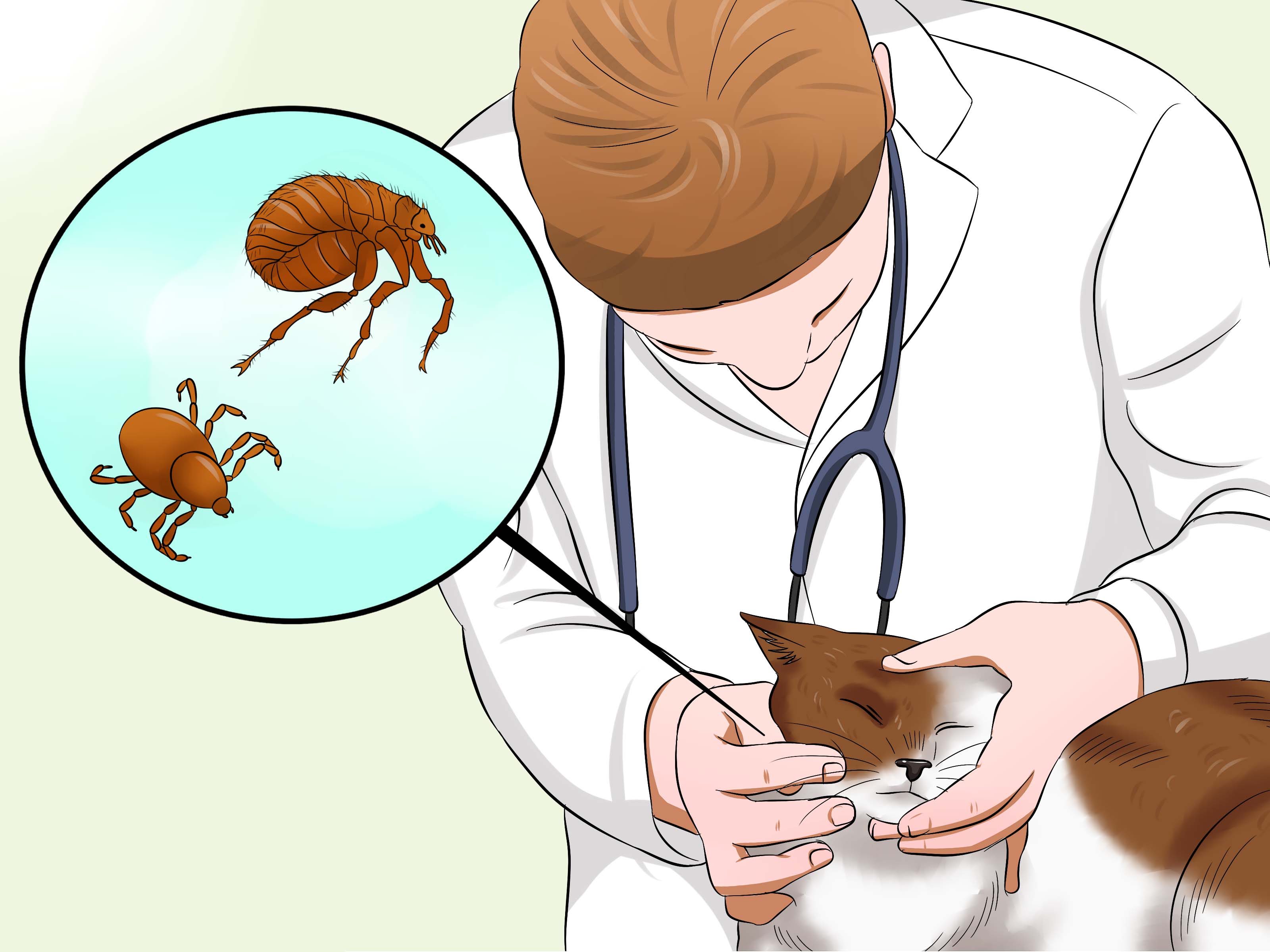
Fleas are not just annoying freeloaders with Olympic jumping skills. Heavy flea infestations can cause significant blood loss, especially in kittens, senior cats, and cats already weakened by illness. Intestinal parasites may also contribute to anemia, depending on the type and severity of infestation.
Treatment usually includes veterinarian-approved flea control, environmental flea management, deworming when appropriate, and supportive care. Never use dog flea products on cats unless your veterinarian specifically confirms they are safe for cats. Some dog products are toxic to cats.
3. Immune-Mediated Hemolytic Anemia
Immune-mediated hemolytic anemia, often called IMHA, happens when the immune system mistakenly attacks the cat’s own red blood cells. It may occur on its own or be triggered by infections, cancer, certain drugs, or other immune problems. Cats with IMHA may develop pale gums, weakness, jaundice, fever, dark urine, or an enlarged spleen.
Treatment may include blood transfusions if the anemia is severe, immunosuppressive medications such as corticosteroids, and therapy for any underlying trigger. This condition can be serious and requires close monitoring.
4. Chronic Kidney Disease
Chronic kidney disease is common in older cats and is one of the major causes of non-regenerative anemia. Healthy kidneys help produce erythropoietin, a hormone that signals the bone marrow to make red blood cells. When kidney function declines, erythropoietin may decrease, and red blood cell production may slow.
Treatment may include managing kidney disease with hydration support, kidney-friendly nutrition, blood pressure control, phosphorus management, nausea control, and regular lab monitoring. In the United States, the FDA has conditionally approved molidustat oral suspension, sold as Varenzin-CA1, for control of non-regenerative anemia associated with chronic kidney disease in cats. This medication must be prescribed and monitored by a veterinarian.
5. Feline Leukemia Virus and Other Infections
Feline leukemia virus, or FeLV, can affect the bone marrow and immune system, making anemia more likely. Other infections, including hemotropic mycoplasma, may damage red blood cells and cause regenerative anemia. Feline infectious peritonitis, severe chronic infections, and inflammatory diseases may also contribute.
Treatment depends on the infection. Some bacterial blood parasite infections may respond to antibiotics. Viral-related anemia may require supportive care, management of secondary infections, and long-term monitoring. Testing for FeLV and FIV is commonly part of an anemia workup, especially in cats with unknown history or outdoor exposure.
6. Toxins and Dangerous Foods
Cats are sensitive to certain toxins that can damage red blood cells. Onions, garlic, chives, and related Allium foods can cause Heinz body hemolytic anemia. This includes raw, cooked, powdered, dehydrated, or concentrated forms. That means a cat licking gravy, baby food, soup, or seasoned meat can be risky if onion or garlic is involved.
Treatment may involve early decontamination if ingestion was recent, IV fluids, monitoring, oxygen support, and transfusion in severe cases. Contact a veterinarian or pet poison hotline immediately if toxin exposure is suspected.
7. Cancer or Bone Marrow Disease
Cancer may cause anemia through chronic inflammation, internal bleeding, immune effects, or direct bone marrow involvement. Bone marrow disorders can prevent the body from making enough red blood cells. These cases often require advanced testing such as imaging, specialized blood tests, or bone marrow evaluation.
8. Nutritional Deficiency
True nutritional anemia is less common in cats eating complete and balanced commercial cat food, but it can happen in severely malnourished cats, cats with intestinal disease, or cats fed poorly balanced homemade diets. Cats need species-appropriate nutrition because they are obligate carnivores, not tiny vegetarian roommates with opinions.
Do not give iron, vitamin B12, folate, or other supplements without veterinary guidance. Too much iron can be harmful, and supplements will not solve anemia caused by bleeding, kidney disease, toxins, or immune destruction.
How Veterinarians Diagnose Anemia in Cats
A veterinarian will start with a physical exam, gum color check, heart and lung evaluation, abdominal palpation, and history. Helpful details include appetite changes, weight loss, flea exposure, medications, toxin access, trauma, outdoor activity, stool changes, and whether your cat has been tested for FeLV or FIV.
Common diagnostic tests include:
- Complete blood count: Measures red blood cells, white blood cells, platelets, and hemoglobin.
- Packed cell volume or hematocrit: Estimates the percentage of red blood cells in the blood.
- Reticulocyte count: Shows whether the bone marrow is producing new red blood cells.
- Blood smear: Helps identify abnormal red blood cells, parasites, or signs of immune destruction.
- Biochemistry panel: Evaluates kidneys, liver, proteins, electrolytes, and other organ markers.
- Urinalysis: Helps assess kidney function, hydration, infection, and blood loss.
- FeLV/FIV testing: Screens for important viral diseases.
- Fecal testing: Checks for intestinal parasites or blood loss.
- Imaging: X-rays or ultrasound may look for tumors, bleeding, organ disease, or fluid.
- Coagulation tests: Evaluate clotting when poisoning or bleeding disorders are suspected.
How to Treat Anemia in Cats
The correct treatment for anemia in cats depends on the cause, how severe the anemia is, and how stable the cat appears. The plan may involve emergency stabilization first, then targeted treatment.
Emergency Stabilization
If anemia is severe, your cat may need hospitalization. Supportive care can include oxygen therapy, IV fluids, warming support, careful monitoring, and blood pressure support. A blood transfusion may be recommended when anemia is life-threatening or the cat is too weak to wait for other treatments to work.
Before transfusion, cats should be blood typed and crossmatched when possible because cats have important blood type differences. A transfusion does not cure the underlying problem, but it can buy critical time while the veterinary team treats the cause.
Treating Blood Loss
If bleeding is the problem, treatment focuses on stopping the bleeding and restoring stability. This may involve surgery for trauma or tumors, medication for ulcers, treatment for clotting problems, parasite control, or emergency care for rodenticide poisoning. Cats with severe blood loss may need transfusion.
Treating Flea-Related Anemia
For flea anemia, the vet may use fast-acting flea treatment safe for cats, treat other pets in the home, recommend environmental cleaning, and monitor recovery. Kittens may need more intensive care, including warmth, fluids, nutritional support, and sometimes transfusion.
Treating Infectious Causes
If a blood-borne bacterial infection such as hemotropic mycoplasma is suspected, antibiotics may be prescribed. The vet may also test for FeLV and FIV because these viruses can affect prognosis and treatment planning. Supportive care may be needed while the body recovers.
Treating Immune-Mediated Anemia
IMHA treatment often requires immunosuppressive medication to stop red blood cell destruction. Corticosteroids are commonly used, and additional immune-modulating drugs may be considered in some cases. Cats need follow-up blood tests to confirm that red blood cell numbers are improving and to monitor medication effects.
Treating Kidney-Related Anemia
For cats with chronic kidney disease, anemia treatment is part of a bigger kidney care plan. Your vet may recommend kidney-supportive food, fluids, blood pressure medication, phosphorus control, appetite support, nausea control, potassium management, and regular lab work. For non-regenerative anemia associated with chronic kidney disease, Varenzin-CA1 may be considered when appropriate. Iron status may also be evaluated because red blood cell production requires adequate iron.
Treating Toxin Exposure
If your cat ate onion, garlic, human medication, rodent poison, or another toxin, rapid veterinary care is essential. Treatment may include decontamination, activated charcoal in selected cases, IV fluids, medication, oxygen support, and transfusion if red blood cell damage is severe.
Nutrition and Supplements
Nutrition supports recovery, but it rarely solves anemia by itself unless a true deficiency is present. Feed a complete and balanced cat food appropriate for your cat’s age and medical needs. If your cat has kidney disease, gastrointestinal disease, or cancer, diet should be customized with veterinary guidance.
Never start iron supplements without testing. Iron is not a harmless “just in case” product. The same goes for human vitamins, herbal tonics, and internet miracle drops with labels that sound like they were written by a wizard in a marketing department.
Home Care for a Cat Recovering From Anemia
Once your veterinarian has created a treatment plan, home care becomes very important. Keep your cat indoors, quiet, and comfortable. Provide easy access to food, water, and a litter box. Avoid rough play until your vet says activity is safe. Watch appetite, breathing, gum color, energy, stool, and urine.
Give medications exactly as prescribed. Do not stop antibiotics, steroids, kidney medication, or flea treatment early unless your veterinarian instructs you to do so. Follow-up bloodwork is not optional decoration; it tells the vet whether the treatment is working and whether adjustments are needed.
Can You Prevent Anemia in Cats?
Not every case is preventable, but smart care reduces risk. Keep cats on veterinarian-approved flea prevention. Feed a complete and balanced diet. Keep onions, garlic, medications, rodenticides, and toxic plants away from cats. Test new cats for FeLV and FIV before introducing them to other cats. Keep cats indoors or supervised outdoors to reduce trauma and infection risk. Schedule regular wellness exams, especially for senior cats, because early kidney disease and chronic illness can be quiet at first.
Senior cats benefit from routine bloodwork because anemia may be caught before a crisis. Think of it as looking under the hood before the car starts making expensive noises.
Prognosis: Will an Anemic Cat Recover?
The prognosis depends on the cause and severity. Flea anemia in a kitten may improve beautifully with fast treatment. A cat with a treatable infection may recover well. Anemia from chronic kidney disease may be managed but often requires ongoing care. IMHA, cancer, severe toxin exposure, or advanced bone marrow disease can be more serious.
The best outcomes happen when owners act early. If your cat is unusually tired, has pale gums, stops eating, or suddenly hides more than usual, do not wait for “cat logic” to explain it. Cats are mysterious, yes, but anemia is not a personality quirk.
Experience-Based Notes: What Cat Owners Often Learn During Anemia Treatment
Many cat owners first notice anemia not because their cat looks obviously sick, but because something feels “off.” The cat who usually supervises breakfast from the counter may stay curled in a chair. The cat who normally yells at 6 a.m. like a furry alarm clock may become quiet. These small changes matter. With cats, subtle is sometimes the whole message.
One common experience is surprise at how important gum color becomes. Owners often say they had never looked closely at their cat’s gums before. After an anemia diagnosis, checking gum color becomes part of daily observation. The goal is not to replace veterinary monitoring, but to notice obvious changes early. Pale, white, gray, blue, or yellow gums are not “wait and see” colors. They are “call the vet” colors.
Another practical lesson is that anemia treatment can feel slow even when things are going well. Red blood cells do not always rebound overnight. If the cat needed a transfusion, the improvement may look dramatic at first, but the underlying cause still needs treatment. If the anemia is related to kidney disease, owners may need to adjust to repeated blood tests, medication cycles, appetite monitoring, hydration support, and long-term planning. It can feel like managing a tiny senior citizen who refuses to read the care instructions.
Medication routines are often the hardest part at home. Some cats accept liquid medicine politely. Others react as if the spoon contains lava and betrayal. Owners usually do better when they ask the veterinary team for demonstrations, flavoring options, pill alternatives, or compounding choices. A treatment plan only works if the cat can actually receive the treatment without turning every dose into a wrestling tournament.
Food can also become emotional. When an anemic cat has a poor appetite, owners may panic and offer everything in the kitchen. The better approach is to ask the vet which foods are safe for the cat’s condition. For example, a cat with kidney disease may need a different nutrition strategy than a kitten recovering from flea anemia. Human foods seasoned with onion or garlic should be avoided completely, even if the cat gives you the “but I am clearly starving” stare.
Owners also learn that follow-up appointments are not just formalities. A cat may look brighter at home while blood values still need monitoring. A medication may help but require dose changes. Fleas may disappear from the cat but remain in the environment. Kidney disease may stabilize, then shift again. Good anemia care is a partnership: the veterinarian tracks the numbers, and the owner tracks the cat’s daily behavior.
The most encouraging experience many owners report is seeing personality return. A recovering cat may start grooming again, greeting people again, playing again, or resuming important household duties such as sitting directly on clean laundry. Those small signs can be deeply reassuring. Anemia treatment is not only about improving lab results. It is about helping the cat feel like a cat again.
Conclusion
Anemia in cats is serious, but it is also treatable in many cases when the cause is found early. The key is to remember that anemia is a sign of an underlying problem. Blood loss, fleas, immune disease, kidney disease, infections, toxins, cancer, and bone marrow disorders can all lead to low red blood cell levels. Because the causes are so different, the treatments are different too.
If your cat has pale gums, weakness, rapid breathing, collapse, dark urine, black stool, or sudden lethargy, contact a veterinarian immediately. With prompt diagnosis, targeted treatment, careful monitoring, and good home care, many cats can recover or enjoy better quality of life. Your job is not to solve the mystery alone. Your job is to notice the clues, call the vet, and give your cat the best chance to get back to normal cat activities, including judging you silently from across the room.