Note: This article is for educational purposes only. Red light therapy can be helpful for some skin, pain, and recovery goals, but it is not a magic lamp, a cure-all, or a substitute for medical care. Always follow your device manual and ask a licensed clinician if you have a medical condition, take photosensitizing medication, are pregnant, have a history of skin cancer, or are treating a serious health issue.
What Is Red Light Therapy?
Red light therapy, also called photobiomodulation or low-level light therapy, uses specific wavelengths of red and near-infrared light to stimulate biological activity in cells. In plain English: it shines a controlled dose of light onto your skin so your cells may behave a little more like they had a motivational podcast and a decent night of sleep.
Most at-home red light therapy devices use LED lights rather than lasers. Common formats include face masks, handheld wands, panels, wraps, belts, hair-growth caps, and small targeted devices for joints or muscles. Red light typically works closer to the skin surface, while near-infrared light may reach deeper tissues. That is why many devices advertise both red and near-infrared wavelengths for skin rejuvenation, muscle recovery, joint stiffness, and general wellness support.
The key phrase is support. Red light therapy may help improve the appearance of fine lines, mild acne inflammation, redness, skin texture, minor aches, and recovery routines. It should not be treated like an instant wrinkle eraser, a replacement for sunscreen, or a tiny glowing doctor living in your bathroom cabinet.
How Does Red Light Therapy Work?
Researchers believe red light therapy affects the mitochondria, the energy-producing structures inside cells. When cells absorb certain wavelengths of light, they may increase cellular energy production, reduce oxidative stress, and support repair processes. This is why you often hear red light therapy connected with collagen production, inflammation control, tissue repair, and circulation.
For skin, the most common goal is collagen support. Collagen is the protein that helps skin look firm, smooth, and resilient. As we age, collagen production slows down, which is rude but biologically normal. Red light therapy may encourage fibroblasts, the cells involved in collagen production, to become more active. Over time, this can help improve the appearance of fine lines, dullness, and uneven texture.
For muscles and joints, red light and near-infrared therapy are often used as part of a recovery routine. Some people use it before or after workouts, on stiff joints, or on sore areas. The research is promising in certain areas, but results vary by device quality, dose, consistency, body area, and the reason you are using it.
How Often Should You Use Red Light Therapy at Home?
The best frequency depends on your device, your goal, and your skin or body’s response. For most at-home users, a practical starting point is 10 to 20 minutes per treatment area, 3 to 5 times per week. Many face masks are designed around shorter sessions, often about 10 minutes. Larger panels may require different timing based on distance, power output, and the body part being treated.
General At-Home Frequency Guide
- Skin texture and fine lines: 3 to 5 sessions per week for 8 to 12 weeks, then maintenance 2 to 3 times per week.
- Mild acne support: 3 to 5 sessions per week, often combined with a gentle skincare routine.
- Muscle recovery: 3 to 5 sessions per week, or after workouts, depending on soreness and device instructions.
- Joint stiffness: 3 to 5 sessions per week as a complementary routine, not a replacement for medical treatment.
- Scalp and hair support: follow the device protocol carefully; many hair devices require months of consistent use.
More is not automatically better. Red light therapy has a dose-response pattern, meaning too little may do nothing, while too much can irritate your skin or reduce benefits. Think of it like watering a plant. A little consistency helps. Dumping a swimming pool on it because you are “committed” is not the strategy.
How to Use Red Light Therapy at Home Step by Step
1. Read the Manual Before You Glow
Every device is different. Check the recommended treatment time, distance from skin, frequency, eye protection requirements, and approved body areas. A face mask, a full-body panel, and a knee wrap are not interchangeable just because they all look like props from a sci-fi movie.
2. Start With Clean, Dry Skin
For facial red light therapy, wash your face and remove makeup, sunscreen, and heavy creams. Clean skin allows better light exposure. Avoid applying strong actives such as retinoids, exfoliating acids, or benzoyl peroxide immediately before treatment unless your dermatologist says it is fine.
3. Protect Your Eyes
Many devices require protective goggles, especially panels and high-intensity lights. Do not stare directly into LEDs. Even if your device feels gentle, your eyes deserve better than being treated like they signed up for a laser-tag tournament.
4. Position the Device Correctly
For panels, distance matters. Some devices work best a few inches away from the skin; others require greater distance. For masks and wraps, make sure the device sits evenly and comfortably. Do not press it hard into your skin, and never use a cracked, overheating, or malfunctioning device.
5. Set a Timer
Use the session length recommended by the manufacturer. Do not fall asleep under a device. If your red light therapy session turns into an accidental nap, your skin may wake up annoyed.
6. Moisturize Afterward
After treatment, apply a gentle moisturizer. In the morning, use sunscreen. Red light therapy does not replace SPF. The sun remains undefeated in the “causing premature aging” category.
7. Track Your Progress
Take photos once every two weeks in the same lighting. Red light therapy results are gradual. You may notice subtle changes in texture, redness, or recovery before you see dramatic differences. If you judge progress daily, you may drive yourself slightly bananas.
Best Uses for Red Light Therapy at Home
Skin Aging and Fine Lines
One of the most popular uses of red light therapy is improving the look of fine lines, wrinkles, and skin firmness. At-home LED masks and panels may support collagen production when used consistently. Expect subtle improvement, not a “new face by Friday” situation.
Mild Acne and Redness
Red light may help calm visible inflammation associated with mild acne. Some acne devices combine red and blue light, because blue light targets acne-related bacteria while red light supports inflammation control. If you have moderate to severe acne, painful cysts, or scarring, see a dermatologist instead of trying to defeat acne with gadgets alone.
Muscle Recovery and Soreness
Some athletes and active adults use red and near-infrared light therapy to support muscle recovery. It may be used before exercise, after workouts, or on sore areas. Results depend heavily on device strength and dose, so a small beauty wand will not perform like a clinical-grade recovery panel.
Joint Stiffness and Minor Aches
Red light therapy is sometimes used for temporary relief of minor joint discomfort or stiffness. It may be helpful as part of a broader routine that includes movement, stretching, sleep, hydration, and medical care when needed. If joint pain is persistent, swollen, hot, or limiting your daily life, get evaluated.
Hair and Scalp Support
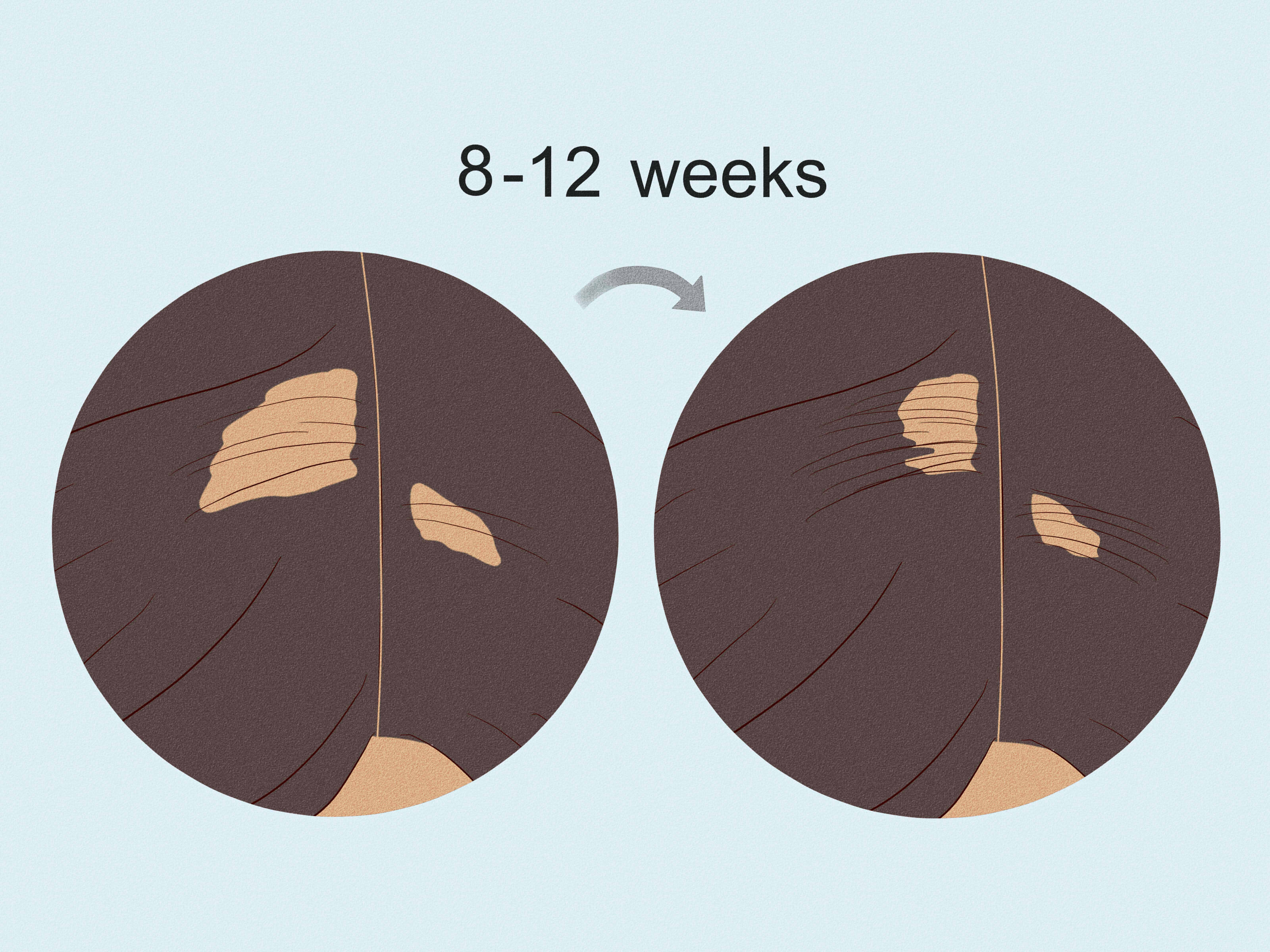
Low-level light therapy devices for hair growth are designed to stimulate follicles and support scalp health. They are most often marketed for thinning hair and androgenetic alopecia. Patience is essential; hair grows on its own dramatic timeline and refuses to be rushed.
Post-Procedure Skin Support
Some professional settings use photobiomodulation after certain cosmetic or medical treatments to support healing and reduce discomfort. At home, do not use red light therapy on fresh wounds, burns, infections, or post-procedure skin unless your clinician approves it.
How to Choose a Red Light Therapy Device
The at-home red light therapy market is crowded, shiny, and occasionally overexcited. A good device should provide clear technical details and realistic instructions.
Look for FDA-Cleared Devices
For devices sold in the United States, look for terms such as “FDA-cleared” for a specific intended use, such as wrinkle reduction, acne treatment, or temporary pain relief. FDA clearance does not mean the device can do everything its marketing page claims. It means the device was reviewed for a particular indication and found substantially equivalent to a legally marketed device.
Check the Wavelengths
Common red light wavelengths are around 630 to 660 nanometers. Common near-infrared wavelengths are around 810 to 850 nanometers. Many skin-focused devices use red light, while recovery panels may include both red and near-infrared light.
Consider Treatment Area
A mask is convenient for the face but useless for your hamstring unless you enjoy very awkward wellness choreography. Panels cover larger areas. Wands are better for targeted spots. Wraps can be useful for knees, elbows, shoulders, or back areas.
Review Power, Distance, and Dose
Reputable brands explain how far to sit from the device and how long to use it. Be cautious with vague products that promise everything from wrinkle reversal to “cellular destiny activation.” If the science sounds like it was written by a crystal ball wearing a lab coat, keep shopping.
Safety Tips for At-Home Red Light Therapy
- Follow the manufacturer’s instructions exactly.
- Use eye protection when recommended.
- Do not exceed the suggested session length.
- Avoid using red light therapy on irritated, burned, infected, or broken skin unless cleared by a clinician.
- Ask a doctor first if you take photosensitizing medications.
- Use caution if you have lupus, epilepsy, melasma, a history of skin cancer, or light sensitivity.
- Stop if you feel burning, pain, unusual redness, blistering, headache, dizziness, or eye discomfort.
Red light therapy is generally considered low-risk when used correctly, but “low-risk” is not the same as “impossible to misuse.” Burns, irritation, dryness, and eye problems can happen when devices are used too long, too close, too often, or without proper protection.
Common Mistakes to Avoid
Using It Once and Expecting a Miracle
Red light therapy works gradually. Skin changes may take 8 to 12 weeks. Hair support may take several months. If you use it twice and declare it useless, that is like going to the gym once and getting mad you do not look like a superhero by dinner.
Overdoing Sessions
Longer sessions do not guarantee better results. Stick with the recommended time. If your device says 10 minutes, do 10 minutes. Do not turn your face into a rotisserie chicken in the name of collagen.
Skipping Sunscreen
Red light therapy may support healthier-looking skin, but UV exposure can undo your progress. Use broad-spectrum sunscreen daily, especially if your goal is anti-aging.
Buying Based Only on Influencer Hype
A celebrity using a glowing mask does not automatically mean it is the best device for you. Check specifications, safety guidance, return policies, and whether the device has credible testing or clearance.
Ignoring Skin Conditions
If you have melasma, rosacea, eczema flares, severe acne, or sensitive skin, ask a dermatologist before starting. Some people are more reactive to heat or light, and the wrong routine can make things worse.
When Will You See Results?
Most people need consistent use for several weeks before noticing visible changes. For skin texture and fine lines, a fair trial is usually 8 to 12 weeks. For muscle recovery, some people report feeling benefits sooner, but those results are subjective and can vary. For hair support, expect a timeline of 3 to 6 months or longer.
The best way to measure progress is boring but effective: take photos, keep a simple log, and avoid changing five other things at once. If you start red light therapy, retinol, a new diet, a collagen powder, cold plunges, and interpretive dance cardio in the same week, you will have no idea what helped.
Sample At-Home Red Light Therapy Routine
For Facial Skin Care
- Cleanse your face and pat dry.
- Use the red light mask or panel for the recommended time, usually around 10 minutes.
- Apply a gentle serum or moisturizer.
- Use sunscreen in the morning.
- Repeat 3 to 5 times weekly.
For Muscle Recovery
- Use the device on clean, dry skin.
- Target the sore area according to the manual.
- Keep the correct distance if using a panel.
- Use 10 to 20 minutes per area, depending on device instructions.
- Combine with hydration, sleep, stretching, and sensible training.
For Scalp Support
- Use on a clean scalp with minimal product buildup.
- Follow the hair device schedule exactly.
- Take monthly photos in consistent lighting.
- Give it several months before judging results.
- See a dermatologist if hair loss is sudden, patchy, or severe.
of Real-Life Experience: What Using Red Light Therapy at Home Feels Like
Using red light therapy at home is surprisingly uneventful, which may be its greatest strength. There is no dramatic spa music required, no mysterious steam, and no need to whisper “wellness” into the mirror. Most sessions feel warm, calm, and simple. You clean your skin, put on the mask or sit near the panel, set a timer, and wait. At first, it can feel a little silly. You may look like a futuristic beekeeper, a discount superhero, or someone preparing to negotiate with aliens. Then, after a few sessions, it becomes just another part of the routine.
The biggest lesson is that consistency beats intensity. People often want to blast their skin with light for 30 minutes every day because they are excited, impatient, and possibly influenced by dramatic before-and-after photos. But the smarter approach is modest and repeatable. Ten minutes, several times a week, is easier to maintain than an extreme schedule that turns into a two-week obsession followed by three months of forgetting the device exists.
For facial use, the experience is usually gentle. Some people feel mild warmth, especially with masks that sit close to the skin. Afterward, skin may look temporarily calmer or slightly flushed. The more meaningful changes, such as smoother texture or less visible redness, tend to appear slowly. It is less like flipping a switch and more like convincing your skin to behave better through polite, repeated emails.
For sore muscles or joints, a panel or wrap can feel soothing because it encourages you to sit still for a few minutes. That alone is underrated. Many people are so busy stretching, scrolling, working, and pretending they are not tired that a 15-minute recovery session becomes a forced pause. Whether the benefit comes from the light, the routine, or both, the ritual can support better body awareness.
Another practical lesson is that setup matters. If your device is buried in a closet behind holiday decorations and a box labeled “miscellaneous cables,” you will not use it. Keep it somewhere convenient. Pair it with a habit you already have, such as after brushing your teeth at night or after a shower. The easier it is to start, the more likely you are to stay consistent.
Finally, realistic expectations make the whole process more enjoyable. Red light therapy is not supposed to replace sleep, sunscreen, nutrition, exercise, dermatology care, or common sense. It is a supportive tool. Used properly, it may help your skin look healthier, your recovery routine feel more complete, and your self-care schedule become a little calmer. Used dramatically, randomly, or obsessively, it becomes just another gadget collecting dust and judgment from the bathroom counter.
Conclusion
Red light therapy at home can be a useful, low-effort addition to a skincare, recovery, or wellness routine when it is used correctly. The sweet spot is usually consistent, moderate use: follow your device manual, protect your eyes, keep sessions short, and give results enough time to appear. For many people, that means 10 to 20 minutes per treatment area, 3 to 5 times per week.
The best red light therapy routine is not the most aggressive one. It is the one you can repeat safely. Choose a reputable device, start slowly, listen to your skin and body, and avoid miracle claims. Red light therapy may not turn you into a glowing marble statue, but with patience and smart use, it can support healthier-looking skin, better recovery habits, and a more consistent self-care rhythm.