Hypothyroidism and atrial fibrillation seem like an odd couple. An underactive thyroid usually slows the body down, while atrial fibrillation, commonly called AFib, often sends the heart into an irregular and sometimes rapid rhythm. One condition taps the brakes; the other appears to spill coffee on the electrical dashboard.
The connection is real, but it is more complicated than saying hypothyroidism directly causes AFib. Low thyroid hormone is not considered a classic trigger for atrial fibrillation. The stronger and better-established connection involves excessive thyroid hormone, including an overly high dose of thyroid replacement medication. However, hypothyroidism may still affect cardiovascular health, overlap with AFib symptoms, interact with heart medications, and contribute indirectly to an environment in which arrhythmias are more likely.
Understanding these distinctions matters because the wrong conclusion can lead to the wrong response. A person should not stop levothyroxine because of palpitations, nor assume that treating an abnormal thyroid test will automatically make AFib disappear. Both conditions require thoughtful evaluation, appropriate laboratory testing, and coordination between healthcare professionals.
The Quick Answer
Hypothyroidism itself is not a common direct cause of AFib. It more typically causes a slow heart rate, reduced cardiac output, fatigue, and changes in cholesterol. Research on whether untreated or subclinical hypothyroidism modestly raises AFib risk has produced mixed findings.
The clearest connection occurs when a person with hypothyroidism receives more thyroid hormone than the body needs. Excess levothyroxine can suppress thyroid-stimulating hormone, or TSH, and create a state resembling mild or overt hyperthyroidism. That excess thyroid activity can increase heart rate, make the atria more electrically excitable, and raise the risk of atrial fibrillationespecially in older adults and people with existing cardiovascular disease.
Research basis:
Understanding Hypothyroidism and AFib
What is hypothyroidism?
Hypothyroidism develops when the thyroid gland does not produce enough thyroid hormone. Hashimoto’s disease, thyroid surgery, radioactive iodine treatment, certain medications, and pituitary disorders are among the possible causes. Because thyroid hormones influence metabolism throughout the body, low levels can produce a surprisingly long guest list of symptoms.
Common hypothyroidism symptoms include:
- Persistent fatigue or sluggishness
- Cold intolerance
- Constipation
- Dry skin and thinning hair
- Weight gain or difficulty losing weight
- Muscle aches and weakness
- Depressed mood or slowed thinking
- A slower-than-usual heart rate
Primary hypothyroidism is generally identified through blood tests showing an elevated TSH level and, in overt cases, a low free thyroxine level. Subclinical hypothyroidism usually means TSH is elevated while free T4 remains within the laboratory reference range.
What is atrial fibrillation?
AFib is an abnormal rhythm that begins in the heart’s upper chambers, or atria. Instead of contracting in a coordinated pattern, the atria receive rapid, disorganized electrical signals. The pulse may become fast, irregular, or both.
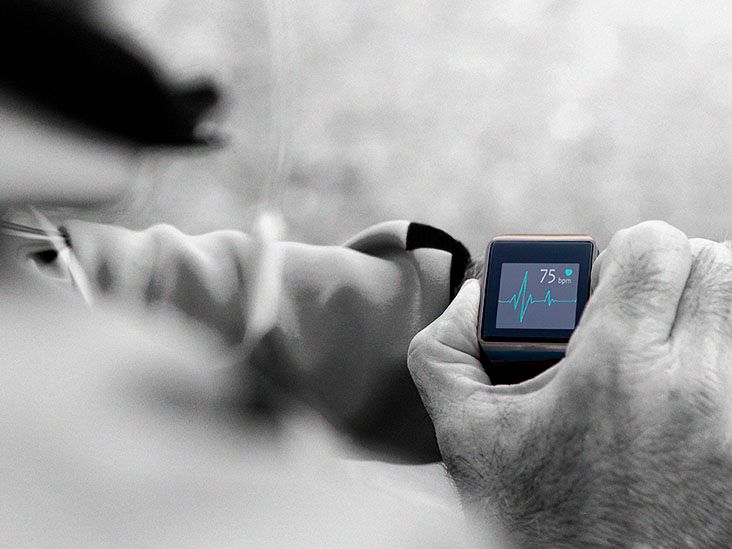
Some people feel obvious pounding, fluttering, breathlessness, fatigue, dizziness, or reduced exercise capacity. Others have no noticeable symptoms and discover AFib during a routine examination, wearable-device alert, or electrocardiogram.
AFib deserves medical attention even when it causes no discomfort. The ineffective movement of blood through the atria can encourage clot formation. A clot that travels to the brain may cause a stroke. AFib can also contribute to heart failure or worsen existing heart disease.
Research basis:
How Can Hypothyroidism and AFib Be Connected?
1. The direct association remains uncertain
Hyperthyroidism has a well-established relationship with atrial fibrillation. The relationship between hypothyroidism and AFib is less straightforward. A major community-based study did not find a significant association between hypothyroidism and the ten-year risk of developing AFib. Other analyses have suggested that subclinical hypothyroidism may be associated with a small increase in risk, but the evidence is less consistent than it is for excess thyroid hormone.
This means a high TSH result should not automatically be declared the sole cause of an irregular rhythm. Age, hypertension, coronary artery disease, heart valve disorders, obesity, diabetes, sleep apnea, alcohol consumption, heart failure, and genetic factors may be more important contributors.
In practical terms, hypothyroidism and AFib can coexist without one directly producing the other. Two medical conditions can share the same patient without being a dramatic cause-and-effect romance.
Research basis:
2. Too much levothyroxine can increase AFib risk
Levothyroxine replaces the T4 hormone that an underactive thyroid cannot produce adequately. At the correct dose, it restores thyroid levels toward a healthy range and supports normal metabolism. Problems can arise when the dose becomes too high for the person’s current needs.
Over-replacement may produce a low or suppressed TSH level, sometimes accompanied by a high free T4 level. Possible warning signs include palpitations, tremor, nervousness, insomnia, sweating, unexplained weight loss, heat intolerance, chest discomfort, and a rapid or irregular heartbeat.
The risk is particularly important in older adults and people with coronary artery disease, heart failure, or a previous arrhythmia. FDA prescribing information notes that AFib is the most common atrial arrhythmia observed with levothyroxine overtreatment in older patients.
A dose that worked perfectly several years ago may eventually become excessive. Thyroid hormone requirements can change after substantial weight loss, aging, pregnancy, menopause, gastrointestinal illness, changes in medication, or changes in how consistently the tablet is taken.
That is why thyroid replacement should be monitored rather than placed on autopilot and forgotten like a gym membership in February.
Research basis:
3. Higher free T4 may matter even within the normal range
Research involving people whose thyroid tests fell within conventional reference ranges found that higher free T4 levels were associated with a greater risk of developing AFib. TSH within the normal range did not show the same clear relationship in that analysis.
This finding does not mean that everyone should aim for thyroid hormone levels near the bottom of the reference range. Laboratory values must be interpreted according to age, symptoms, medical history, medication use, pregnancy status, and the testing laboratory’s standards. It does suggest that “normal” is not always a magical force field, especially for an older person with several AFib risk factors.
Research basis:
4. Hypothyroidism can affect the heart indirectly
Low thyroid hormone can increase LDL cholesterol, raise vascular resistance, affect blood pressure, impair relaxation of the heart muscle, and reduce cardiac output. Severe hypothyroidism may also contribute to fluid accumulation around the heart or abnormalities in cardiac conduction.
These effects do not make hypothyroidism a typical AFib trigger. However, over time, cardiovascular disease and structural changes in the heart may create conditions that make arrhythmias more likely. The connection may therefore be indirect: hypothyroidism affects cardiovascular health, cardiovascular disease increases AFib susceptibility, and several other risk factors join the meeting without bringing snacks.
5. Amiodarone creates a two-way thyroid connection
Amiodarone is an antiarrhythmic medication sometimes used to control AFib. Because it contains a large amount of iodine and influences thyroid hormone metabolism, it can cause either hypothyroidism or hyperthyroidism.
A person may therefore begin with AFib, receive amiodarone, and later develop hypothyroidism. In another patient, amiodarone-induced excess thyroid activity may aggravate an irregular heartbeat. Clinicians generally monitor thyroid function before and during long-term treatment.
Developing hypothyroidism does not always mean amiodarone must be discontinued. The decision depends on why the medication is needed, whether alternatives are appropriate, the severity of thyroid dysfunction, and the person’s cardiac condition. This is a cardiology-and-endocrinology conversation, not a do-it-yourself medication experiment.
Research basis:
Symptoms That Can Overlap
Both conditions can cause fatigue, weakness, reduced exercise tolerance, shortness of breath, dizziness, concentration problems, and a general sense that the body has switched to an operating system nobody remembers installing.
| Symptom | More typical of hypothyroidism | More typical of AFib |
|---|---|---|
| Fatigue | Common and often persistent | Common, especially during episodes |
| Heart rate | Often slow | Irregular and sometimes rapid |
| Palpitations | Less typical unless treatment is excessive | Common, though AFib may be silent |
| Temperature sensitivity | Cold intolerance is common | Not a defining feature |
| Breathlessness | Possible in severe disease | Common during poorly controlled AFib |
| Dizziness or faintness | Possible but nonspecific | May occur when the rhythm affects blood flow |
Symptoms alone cannot reliably distinguish a thyroid problem from an arrhythmia. An electrocardiogram captures the heart rhythm, while blood tests clarify thyroid status.
How Doctors Evaluate Hypothyroidism and AFib
When AFib is newly diagnosed, the evaluation commonly includes a medical history, physical examination, electrocardiogram, and laboratory testing. Thyroid tests are important because excessive thyroid activity is a potentially treatable contributor to AFib.
Testing may include:
- TSH: Usually the first thyroid test for suspected primary thyroid disease.
- Free T4: Helps determine whether thyroid hormone is low, normal, or excessive.
- Electrocardiogram: Confirms AFib or another rhythm abnormality.
- Ambulatory heart monitor: Records intermittent episodes over days or weeks.
- Echocardiogram: Evaluates heart chambers, valves, pumping function, and structural disease.
- Additional blood tests: May check electrolytes, kidney function, blood counts, and other possible contributors.
Someone already taking levothyroxine should tell the clinician the exact dose, brand or formulation, dosing schedule, recent missed doses, supplements, and other medications. This information can reveal whether fluctuating absorption or an excessive dose may be affecting thyroid levels.
Research basis:
Treating Both Conditions Safely
Aim for normal thyroid function
The goal is euthyroidisma balanced thyroid statenot intentionally leaving a person hypothyroid because excess hormone can provoke AFib. Untreated overt hypothyroidism carries its own cardiovascular and quality-of-life consequences.
When treatment begins in an older adult or someone with coronary artery disease, clinicians often use a lower starting dose and increase it gradually. TSH is commonly rechecked approximately six to eight weeks after a dose adjustment because thyroid levels need time to reach a new steady state.
Never reduce, skip, double, or discontinue thyroid medication solely because a smartwatch reports an irregular pulse. The alert may be valuable, but it is not qualified to manage prescriptions.
Treat AFib as a separate cardiovascular condition
Correcting thyroid excess may reduce an important trigger, but it does not guarantee that AFib will stop. Once electrical and structural remodeling has developed in the atria, the rhythm may persist even after thyroid levels normalize.
AFib treatment may include:
- Medication to slow the heart rate
- Medication or cardioversion to restore normal rhythm
- Anticoagulant therapy when stroke risk warrants it
- Management of blood pressure, diabetes, obesity, and sleep apnea
- Reduction of excessive alcohol consumption
- Catheter ablation for selected patients
Stroke prevention should not be delayed while waiting to see whether thyroid treatment solves everything. Anticoagulation decisions are based on established stroke-risk factors and an individualized discussion of benefits and bleeding risks.
Coordinate care
A primary care clinician may manage straightforward hypothyroidism, while a cardiologist directs AFib treatment. An endocrinologist can be especially helpful when thyroid levels fluctuate, symptoms and laboratory results do not match, pregnancy is involved, amiodarone has altered thyroid function, or the correct replacement dose is difficult to establish.
When to Seek Urgent Medical Care
Call emergency services for chest pain, severe shortness of breath, fainting, sudden confusion, facial drooping, one-sided weakness, difficulty speaking, or another possible stroke symptom. A sustained rapid or irregular heartbeat accompanied by significant dizziness, weakness, or breathing difficulty also requires prompt evaluation.
Contact a healthcare professional soon if new palpitations develop after a thyroid dose change, an irregular pulse repeatedly appears, resting heart rate changes substantially, or symptoms of thyroid excess occur. Do not wait for the next routine appointment when the heart is staging an unscheduled percussion solo.
Experiences People May Have When Hypothyroidism and AFib Overlap
The following are composite educational scenarios based on commonly reported clinical patterns. They do not describe specific patients and should not be interpreted as personal medical advice.
Experience 1: The dose that quietly became too high
Imagine an older adult who has taken the same levothyroxine dose for eight years. During that time, she loses a noticeable amount of weight and begins taking her medication more consistently on an empty stomach. She initially feels energetic, but several months later she notices brief bursts of fluttering in her chest while lying in bed.
Because the episodes disappear within minutes, she blames stress and an ambitious second cup of coffee. Eventually, a wearable device reports an irregular rhythm. An electrocardiogram confirms intermittent AFib, while laboratory tests show a suppressed TSH and a free T4 level near the upper end of the range.
Her clinician does not tell her that levothyroxine is “bad for the heart.” Instead, the dose is carefully reduced, thyroid tests are repeated after several weeks, and the AFib is evaluated independently. Her palpitations become less frequent as thyroid levels normalize, but she still needs cardiovascular follow-up because age and hypertension also affect her stroke and recurrence risks.
The practical lesson is that thyroid requirements can change. Long-term treatment still needs periodic monitoring, even when the prescription bottle has looked identical since flip phones were fashionable.
Experience 2: Two conditions, but not one simple cause
Consider a man with fatigue, mild weight gain, high blood pressure, obesity, loud snoring, and reduced exercise tolerance. Testing reveals Hashimoto-related hypothyroidism. During the same evaluation, an irregular pulse leads to the discovery of AFib.
It would be tempting to blame everything on the thyroid. However, his elevated TSH is only one part of a larger cardiovascular picture. Age, hypertension, possible sleep apnea, and enlargement of the left atrium may be more important AFib drivers.
He begins appropriately dosed levothyroxine, undergoes sleep-apnea testing, improves blood-pressure control, and discusses anticoagulation and rhythm management with a cardiologist. His energy improves when thyroid function normalizes, but AFib does not immediately vanish. This is not a treatment failure. It shows why both diagnoses must be managed rather than forcing them into a single explanation.
Experience 3: AFib treatment changes the thyroid
Now picture a person with recurrent AFib who starts amiodarone after other rhythm-control strategies prove unsuitable. Several months later, she develops worsening fatigue, constipation, cold intolerance, and slowed thinking. These symptoms initially seem easy to blame on poor sleep or the stress of living with a heart condition.
Routine monitoring reveals a rising TSH and low free T4, indicating amiodarone-associated hypothyroidism. Her cardiologist and endocrinologist review the benefits of amiodarone, alternative rhythm medications, and the severity of her thyroid dysfunction. They decide that maintaining rhythm control is important, so amiodarone continues while thyroid hormone replacement is introduced cautiously.
This scenario reverses the presumed direction of the connection: hypothyroidism did not trigger the original AFib. A medication used for AFib contributed to the thyroid disorder. Careful monitoring allows both problems to be addressed without making a rushed decision about a medication that may be serving an important purpose.
Conclusion
Hypothyroidism and AFib can occur together, but the relationship is rarely as simple as “low thyroid causes an irregular heartbeat.” Overt hypothyroidism is more strongly associated with a slow pulse than with AFib, and research on a direct AFib connection remains mixed.
The most important bridge between the two conditions is excessive thyroid hormone, particularly levothyroxine overtreatment that suppresses TSH. Shared cardiovascular risk factors, the indirect effects of long-term thyroid dysfunction, and thyroid changes caused by amiodarone can further complicate the picture.
Anyone experiencing palpitations, an irregular pulse, or a major change in heart rate should seek medical evaluation rather than adjusting thyroid medication independently. The safest target is balanced thyroid function combined with evidence-based AFib care, including appropriate attention to stroke prevention.
Note: This article is for general educational purposes and is not a substitute for diagnosis or treatment from a qualified healthcare professional. The experience examples are fictional composites designed to illustrate common clinical situations.